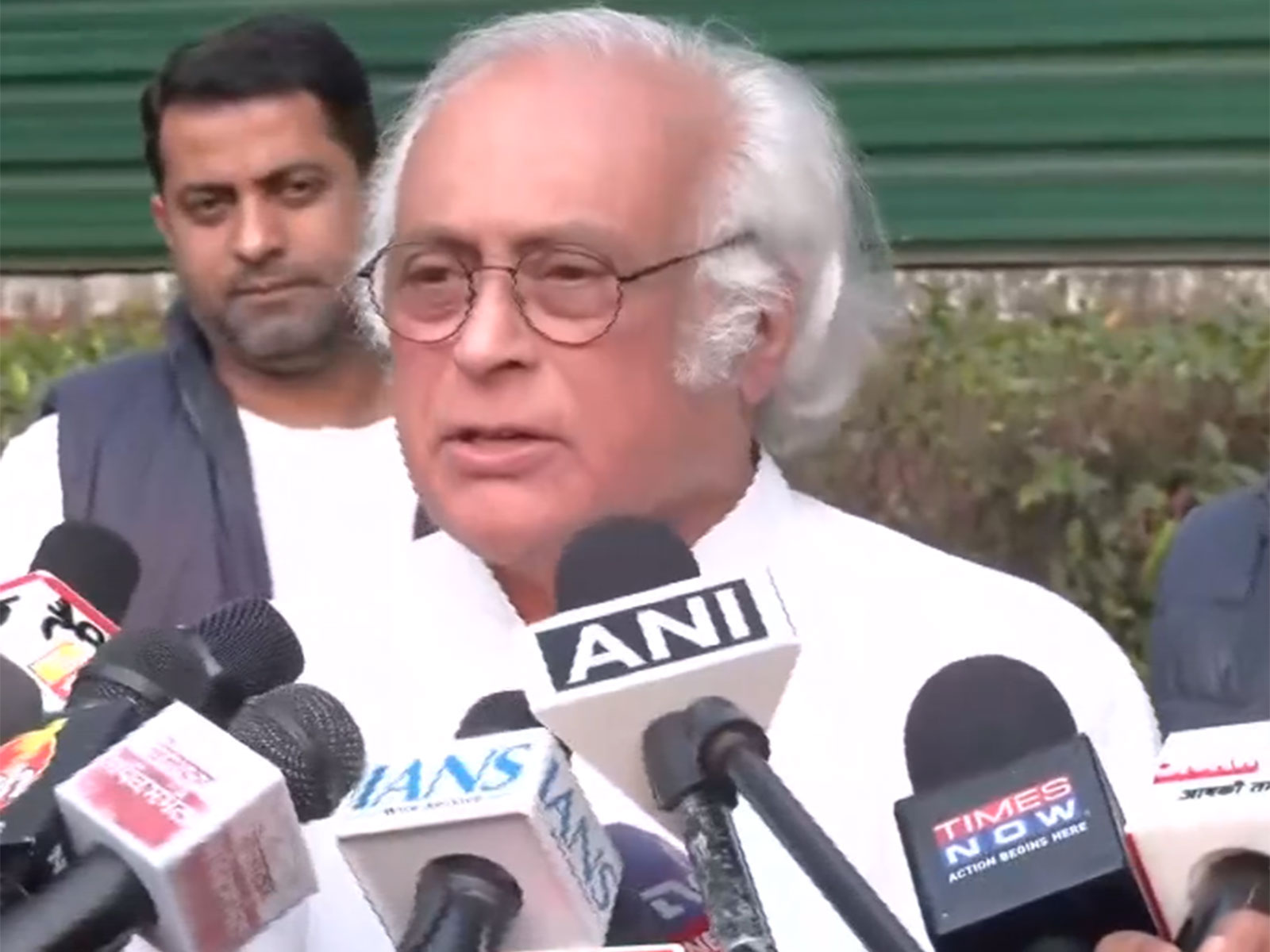
Jairam Ramesh demands centre puts India-US trade deal on hold after US Court ruling on Trump's tariffs
Feb 21, 2026
New Delhi [India], February 21 : Congress leader Jairam Ramesh demanded that the Centre immediately pause the Indo-US interim trade framework following the US Supreme Court's ruling on tariffs.
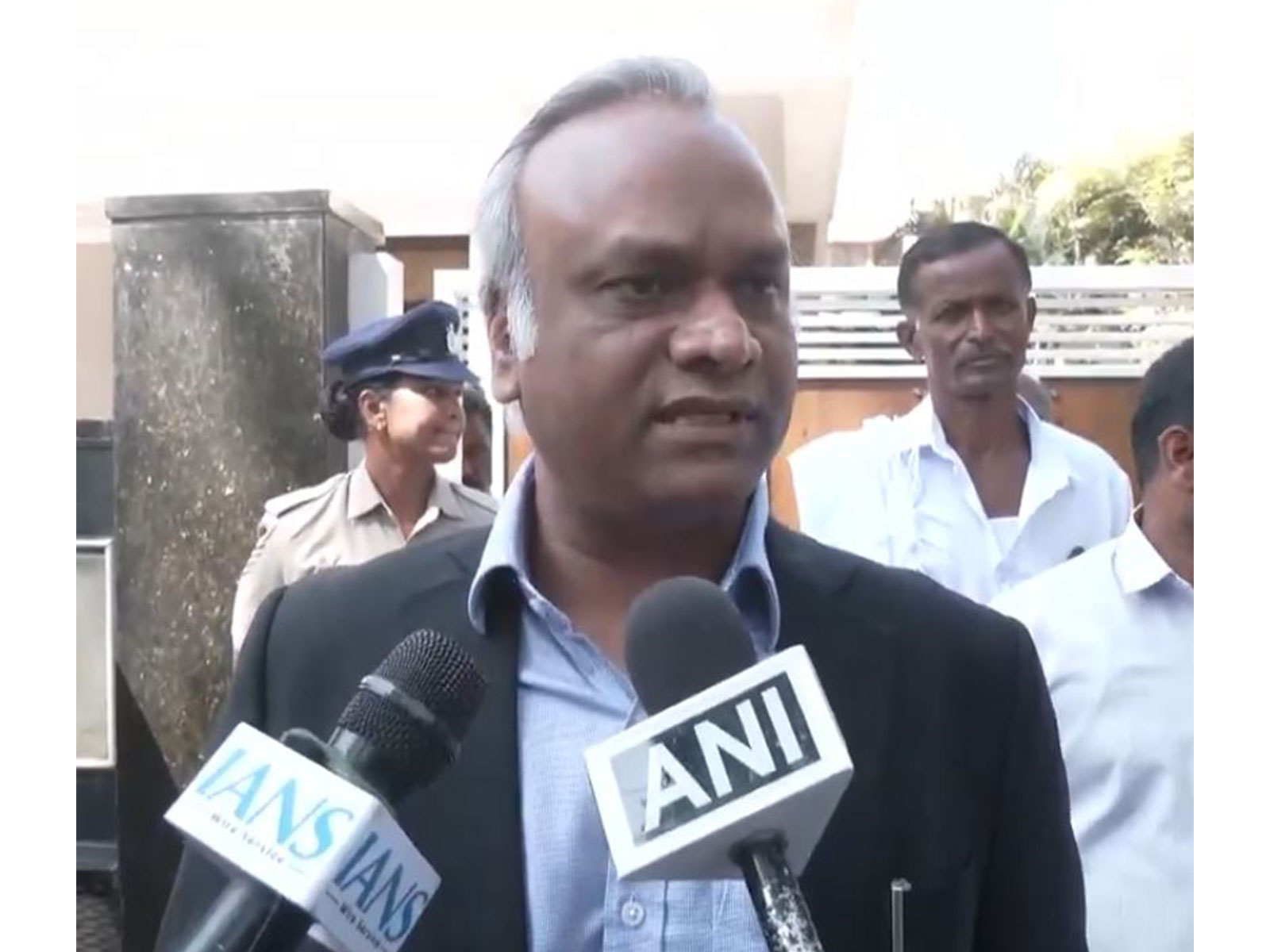
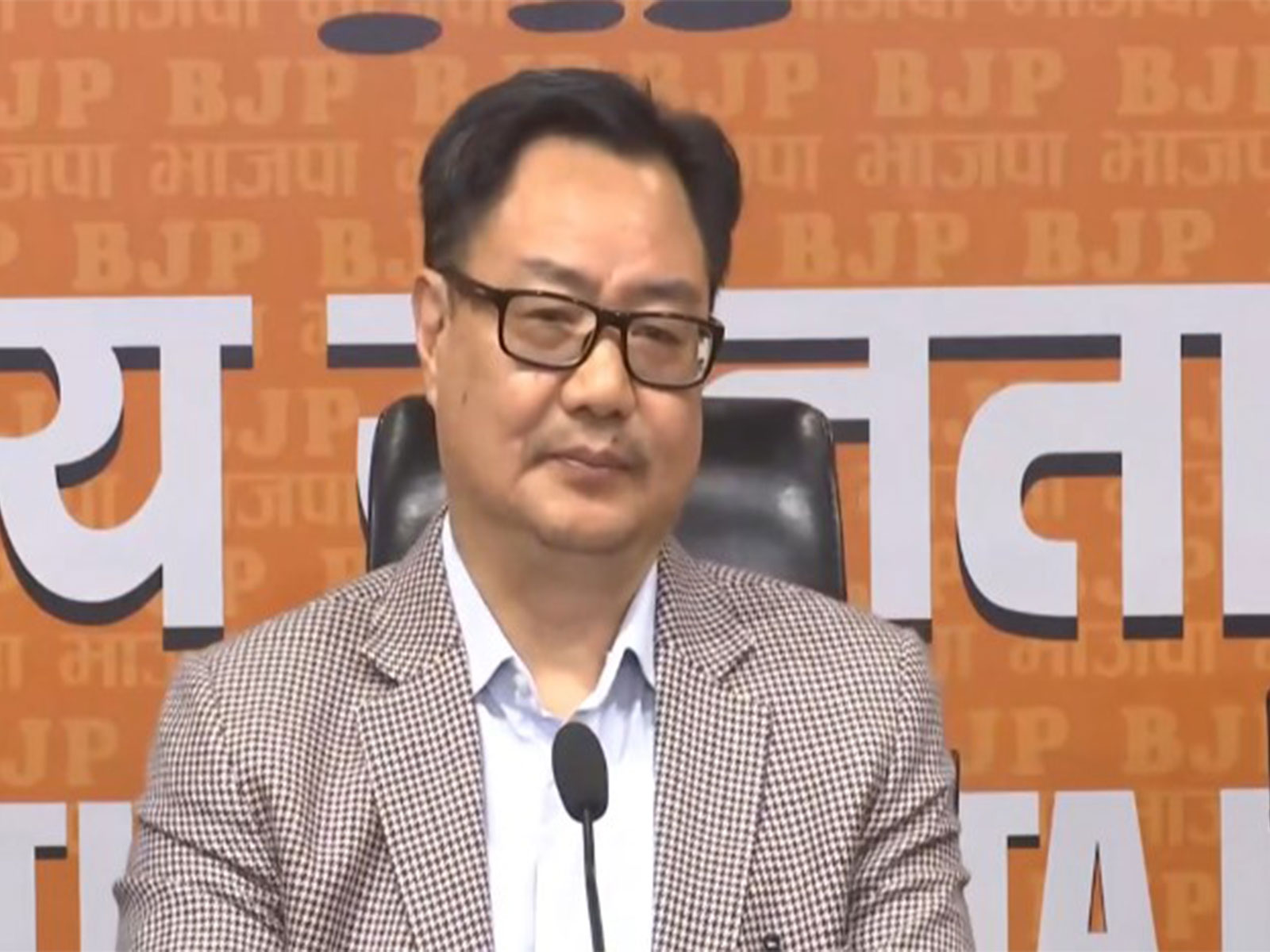
Briefing reporters here, Ramesh said, "We demand that in view of the Supreme Court's decision on tariff, the Modi government should immediately put the Indo-US framework of interim agreement on hold. Use the clause in the joint statement and renegotiate the deal to eliminate liberalisation of imports in agriculture."
Earlier in the day, Ramesh hit out at Prime Minister Narendra Modi, over the timing of the India-US trade deal announcement on Febraury 2, alleging desperation and political diversion. In a post on X, Ramesh cited remarks made by US President Donald Trump following a US Supreme Court ruling striking down his reciprocal tariffs policy.
"Yesterday after the US Supreme Court struck down his tariffs policy, President Trump declared that (i) Mr. Modi is his great friend; (ii) the India-US trade deal will continue as announced; (iii) he had personally halted Operation Sindoor on May 10 2025 by threatening to increase tariffs on Indian exports to the US if India did not halt Operation Sindoor. On Feb 2 2026, President Trump was the first to announce that the India-US had been finalised and saying that 'out of friendship and respect for Prime Minister Modi and, AS PER HIS REQUEST, EFFECTIVE IMMEDIATELY, we agreed to a trade deal between the United States and India...'," Ramesh wrote.
He further asked, "What forced Prime Minister Modi to ensure President Trump announced the India-US trade deal in the night of February 2, 2026 Indian time? What had happened in the Lok Sabha that afternoon that had compelled Mr. Modi to get so desperate and reach out to his good friend in the White House to create a diversion?"
The Congress leader alleged that had the government waited 18 more days for the US Supreme Court's verdict, Indian farmers and national interests could have been protected. "The India-US trade deal is really an ordeal that India is being subjected to by the Prime Minister's desperation and surrender," he said.
The backdrop to the controversy lies in the February 2 framework under which India agreed to reduce tariffs on exports to the US from 50% to 18%. However, the US Supreme Court subsequently struck down Trump's reciprocal tariffs imposed under the International Emergency Economic Powers Act (IEEPA), ruling that the law did not grant unilateral authority for broad tariffs.
While the 50% emergency rate was invalidated, President Trump invoked Section 122 of the Trade Act, 1974 to impose a temporary 10% global tariff for 150 days. Higher tariffs could require action under Sections 232 or 301, involving national security or unfair trade investigations.