"Joyous moment": UNESCO adds Deepavali to Intangible Cultural Heritage List
Dec 10, 2025
New Delhi [India], December 10 : UNESCO has inscribed the festival of Deepavali in its list of intangible cultural heritage, Ministry of External Affairs Spokesperson Randhir Jaiswal shared on Wednesday.
In a post on X, he said, "A joyous moment as Deepavali, the festival of lights, marking the triumph of good over evil and the return of Lord Rama to his kingdom, Ayodhya, which is celebrated globally, is added to the @UNESCO Intangible Cultural Heritage list."
https://x.com/MEAIndia/status/1998634613099606442?s=20
Describing the festival, UNESCO said on its official website, "Deepavali, also known as Diwali, is a light festival celebrated annually by diverse individuals and communities across India, that marks the last harvest of the year and the start of a new year and new season. Based on the lunar calendar, it falls on the new moon in October or November and lasts several days. It is a joyous occasion that symbolises the victory of light over darkness and good over evil. During this time, people clean and decorate their homes and public spaces, light lamps and candles, set off fireworks, and offer prayers for prosperity and new beginnings".
In 2008, Ramlila- the traditional performance of Ramayana was added to the UNESCO list of intangible cultural heritage.
In 2024, the festival of Navroz from India was added to the UNESCO list of intangible cultural heritage.
Garba from Gujarat (2023), Durga Puja in Kolkata (2021), Kumbh Mela (2017), Yoga (2016), and the traditional brass and copper craft of utensil-making among the Thatheras of Jandiala Guru, Punjab (2014) are some of the other Indian elements on the list.
Intangible cultural heritage, as UNESCO defines it, includes the practices, knowledge, expressions, objects, and spaces that communities see as part of their cultural identity. Passed down over generations, this heritage evolves, strengthening cultural identity and appreciation of diversity.
For the Safeguarding of Intangible Cultural Heritage, UNESCO adopted the 2003 Convention on October 17, 2003, during its 32nd General Conference in Paris. The Convention responded to global concerns that living cultural traditions, oral practices, performing arts, social customs, rituals, knowledge systems, and craftsmanship were increasingly threatened by globalisation, social change, and limited resources.
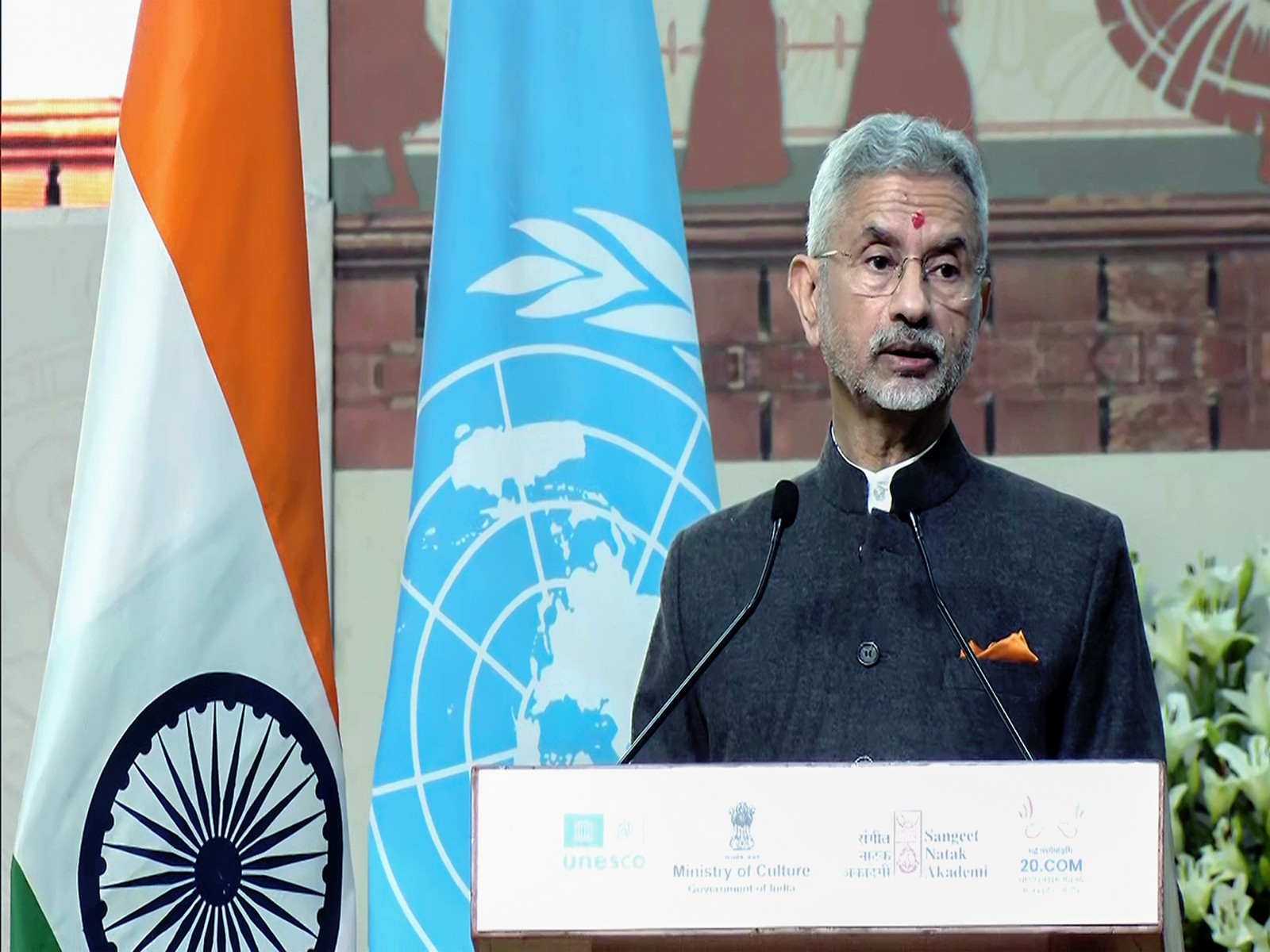
India is hosting UNESCO's 20th Intangible Cultural Heritage Committee session here for the first time from December 8 to December 13.
The historic Red Fort complex, a UNESCO World Heritage Site, has been chosen as the venue, symbolising the convergence of India's tangible and intangible heritage under one roof.
India's permanent delegate to UNESCO, Vishal V Sharma, will chair the meeting, and the event will coincide with the twentieth anniversary of India's ratification of the 2003 Convention for the Safeguarding of the Intangible Cultural Heritage in 2005, underscoring India's sustained commitment to preserving living cultural traditions.