JSMM chairman urges Bangladesh to uphold liberation ideals, warns against anti-India narrative
Dec 16, 2025
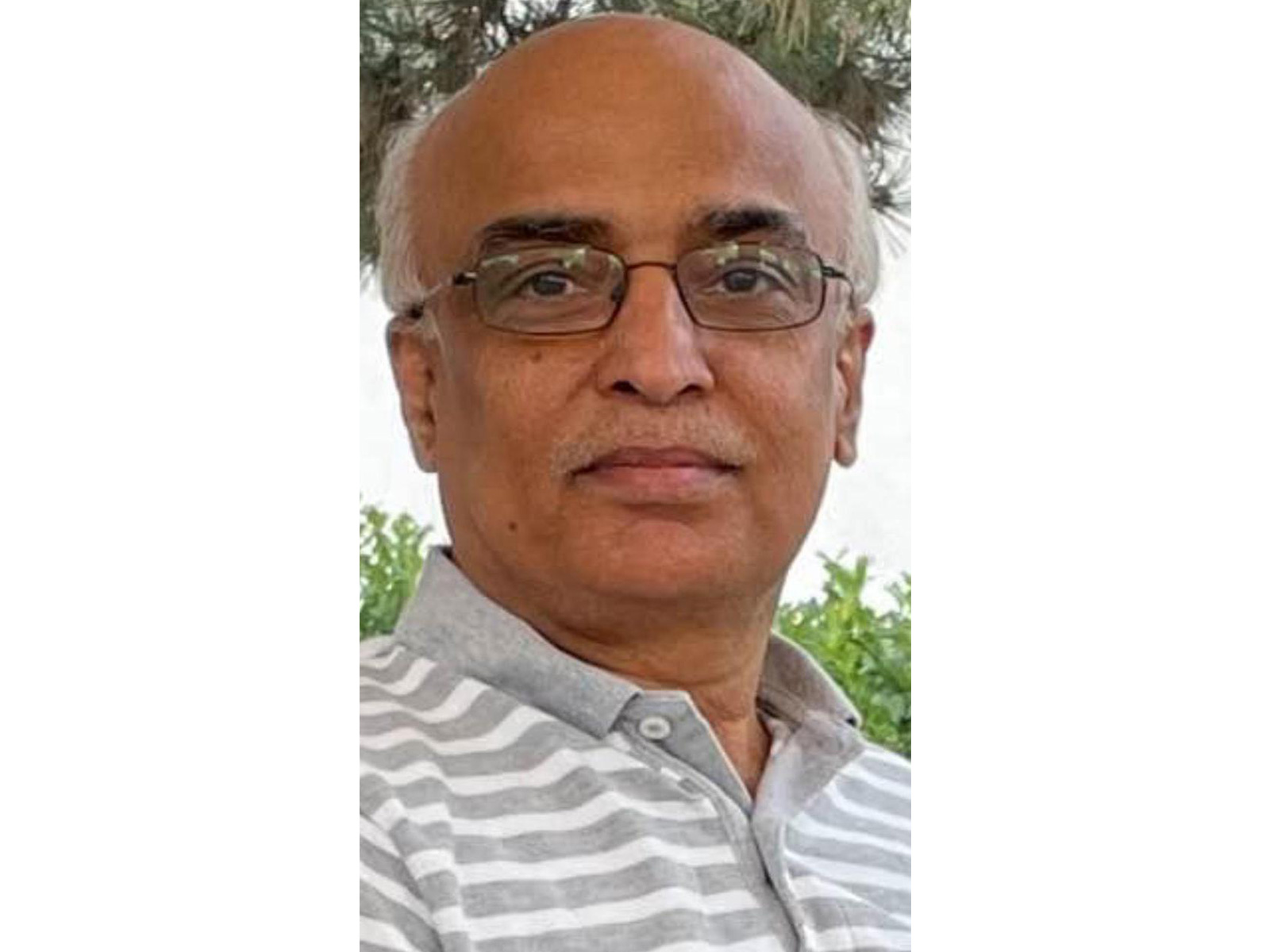
Frankfurt [Germany], December 16 : Sindhi leader and Chairman of the Jeay Sindh Muttahida Mahaz (JSMM), Shafi Burfat, has issued a strong message to the people of Bangladesh on the occasion of Victory Day, urging them to safeguard the moral, political, and historical foundations of their national liberation and warning against the rise of anti-India sentiment within the country.
In his statement, Burfat said national liberation is inseparable from human dignity, freedom, self-determination, and sovereignty. He recalled the 1971 Bangladesh Liberation War as a defining moment in South Asian history, highlighting the decisive and humanitarian role played by the Indian Army and India's political leadership in ending mass atrocities committed by the Pakistani military.
Burfat praised the leadership of Sheikh Mujibur Rahman and the sacrifices of the Mukti Bahini, noting that India's intervention under Prime Minister Indira Gandhi prevented further genocide and ensured the emergence of an independent Bangladesh.
He described India's role as that of a protector that stood firmly against what he termed the brutality, fascism, and occupation imposed by the Punjabi-dominated Pakistani military regime.
The JSMM chief reiterated that nearly three million Bengalis were killed during the 1971 crackdown, with widespread sexual violence against women, calling it one of the gravest crimes against humanity in modern history. According to Burfat, these atrocities were carried out because Bengalis resisted political repression, economic exploitation, and the imposition of Urdu, choosing instead to defend their language, culture, and national identity.
Expressing concern over present-day developments, Burfat criticised what he described as a non-democratic, externally backed regime in Bangladesh, alleging its alignment with Pakistan and Islamist groups such as Jamaat-e-Islami, Al-Badr, and Al-Shams--forces that opposed Bangladesh's independence. He warned that fostering anti-India sentiment amounts to historical distortion and undermines Bangladesh's own sovereignty.
Drawing parallels with Sindh, Balochistan, and Pashtun regions, Burfat said Pakistan continues to suppress minorities through military dominance and resource exploitation. He urged Bangladeshi youth, intellectuals, and civil society to reflect on history, value their hard-won freedom, and strengthen ties with India.
"Opposition to India," Burfat said, "is opposition to the very foundations of Bangladesh's independence."