Kenya invites India to mine rare earth minerals to fuel tech ambitions: Mary Kerema
Feb 18, 2026
New Delhi [India], February 18 : Kenya has extended an official invitation to India to begin mining its vast reservoirs of rare earth minerals, such as lithium, as both nations look to secure the critical supply chains necessary for the future of semiconductor manufacturing.
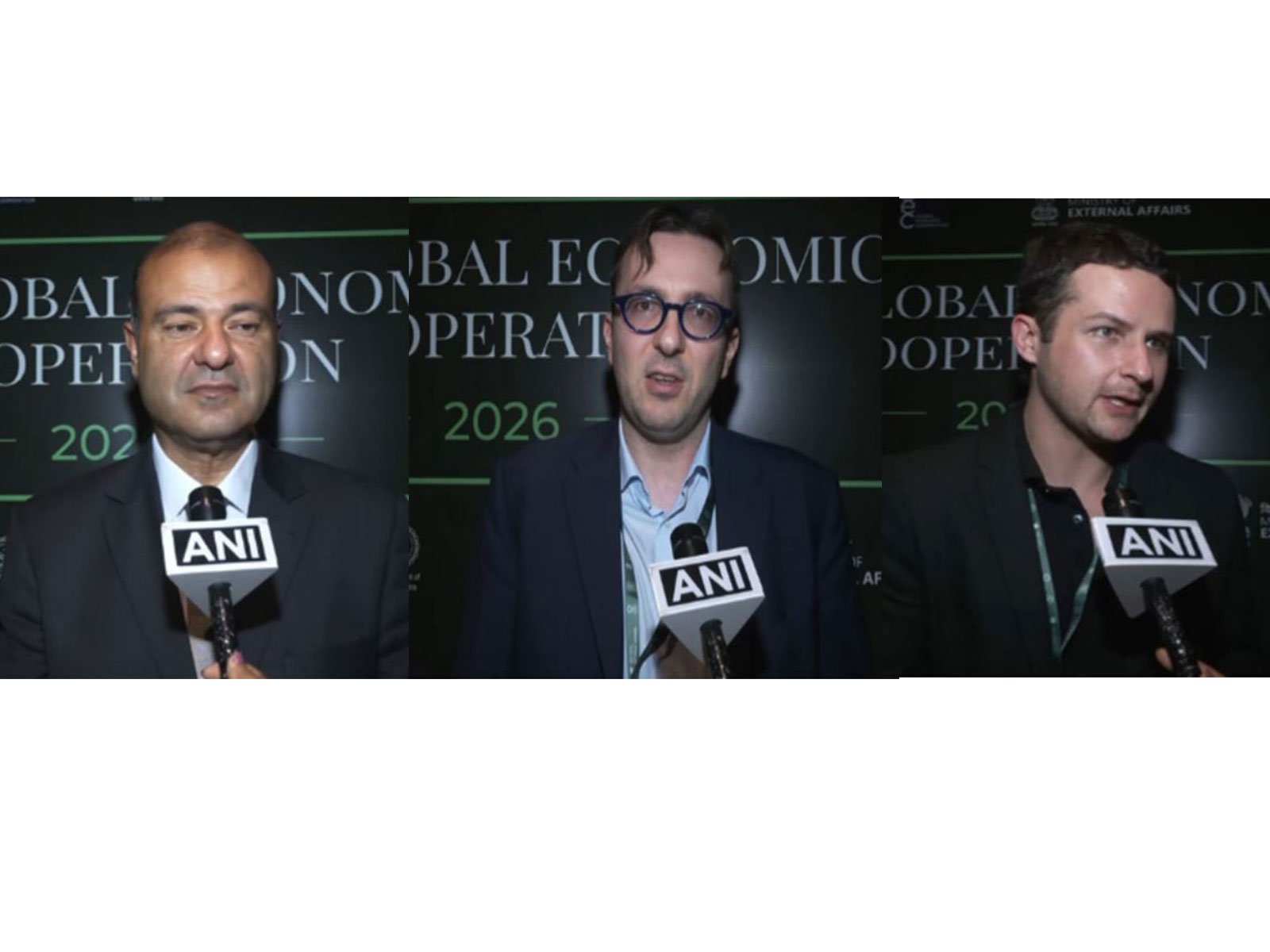
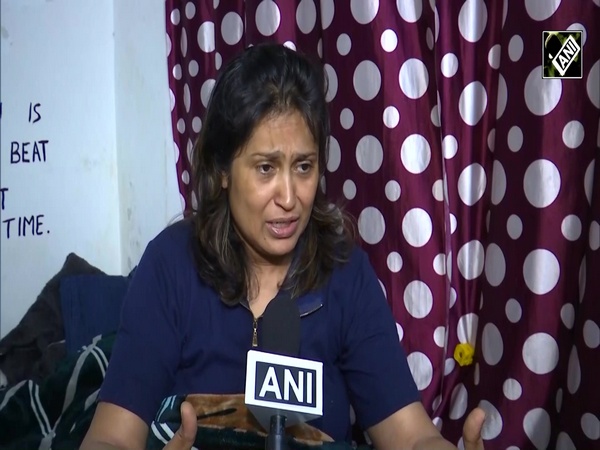
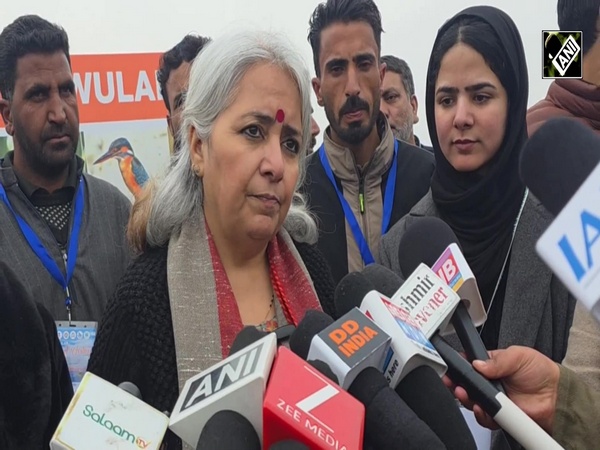
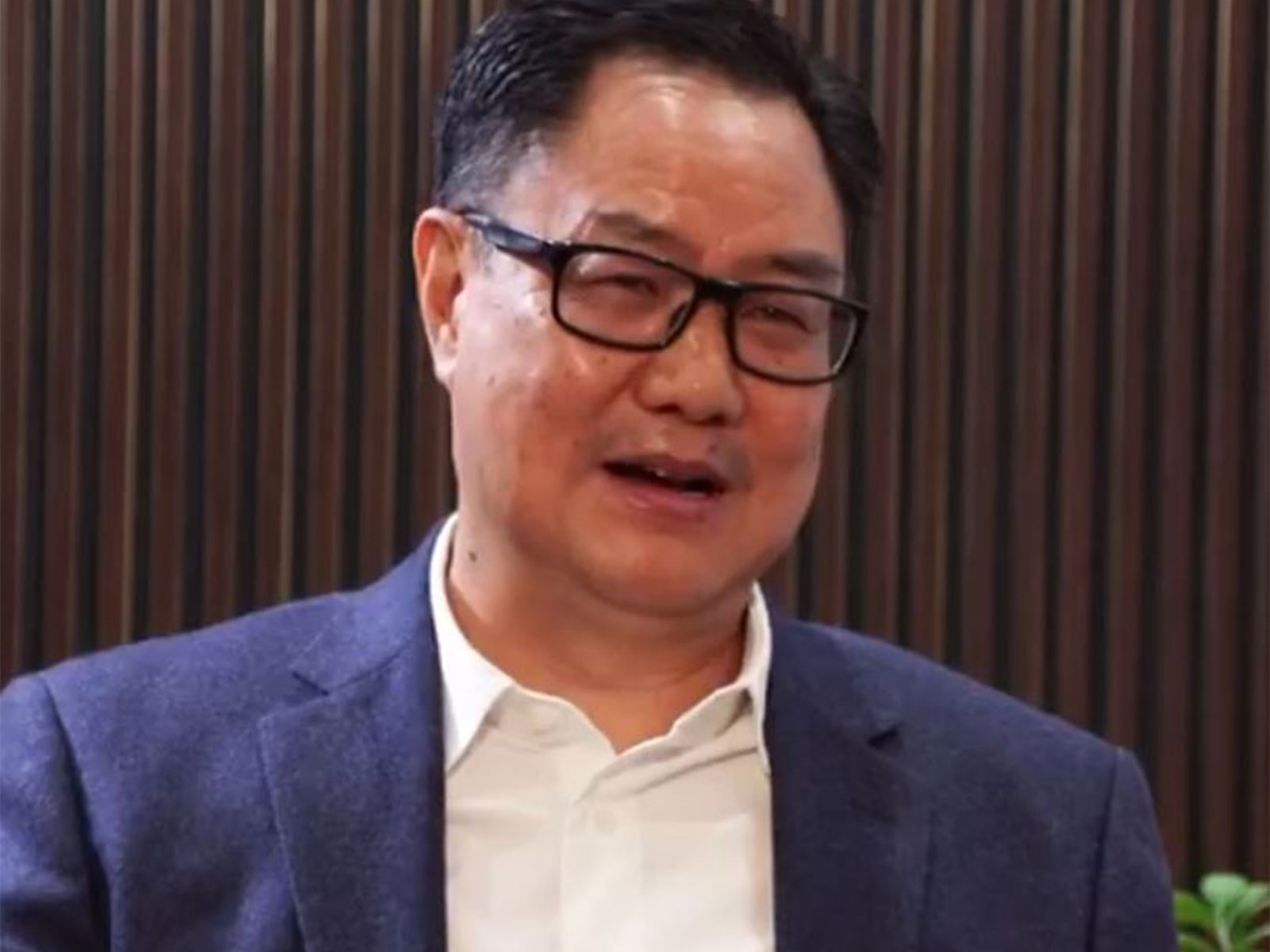
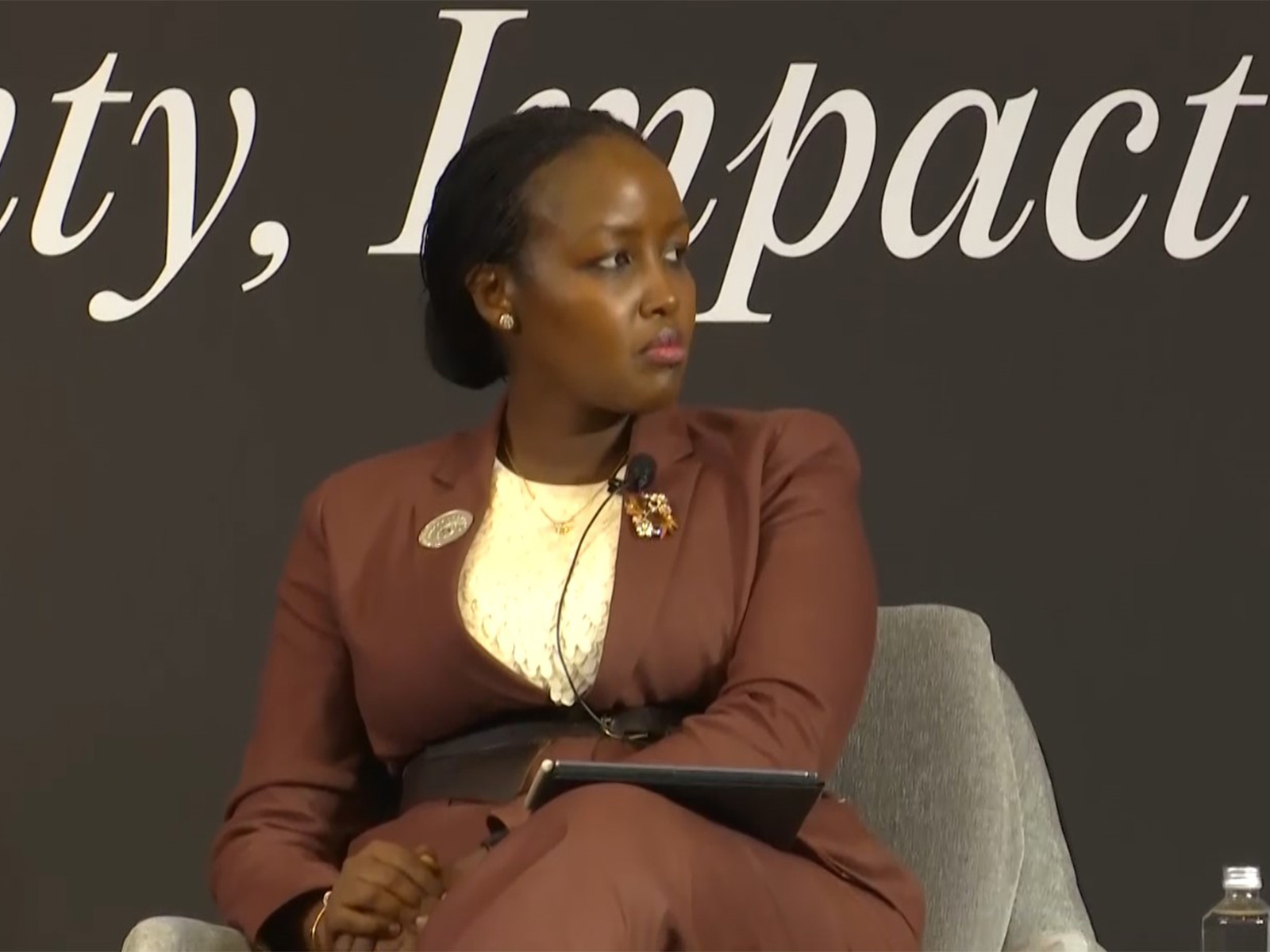
Mary Kerema, Secretary-ICT, Government of Kenya, while attending the Carnegie India AI Impact Summit highlighted that Kenya is ready to move beyond exploration and into active partnerships. While speaking on the potential for bilateral deals, she noted that the African nation is looking for Indian expertise to tap into its natural resources. "We are inviting India to cone to India do mining for rare earth minerals. We see some deals with India for our rare earth in this year. We have vast reservoirs of rare earth in Kenya like lithium. Also, we seek cooperation from India in manufacturing of semiconductors and aim to have deals with it in this regard to in near future," Kerema said
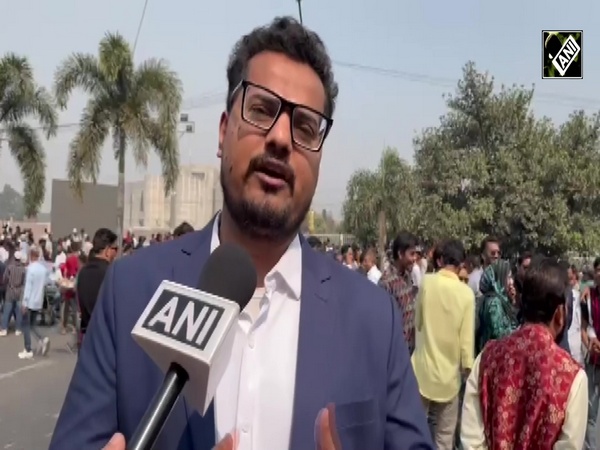
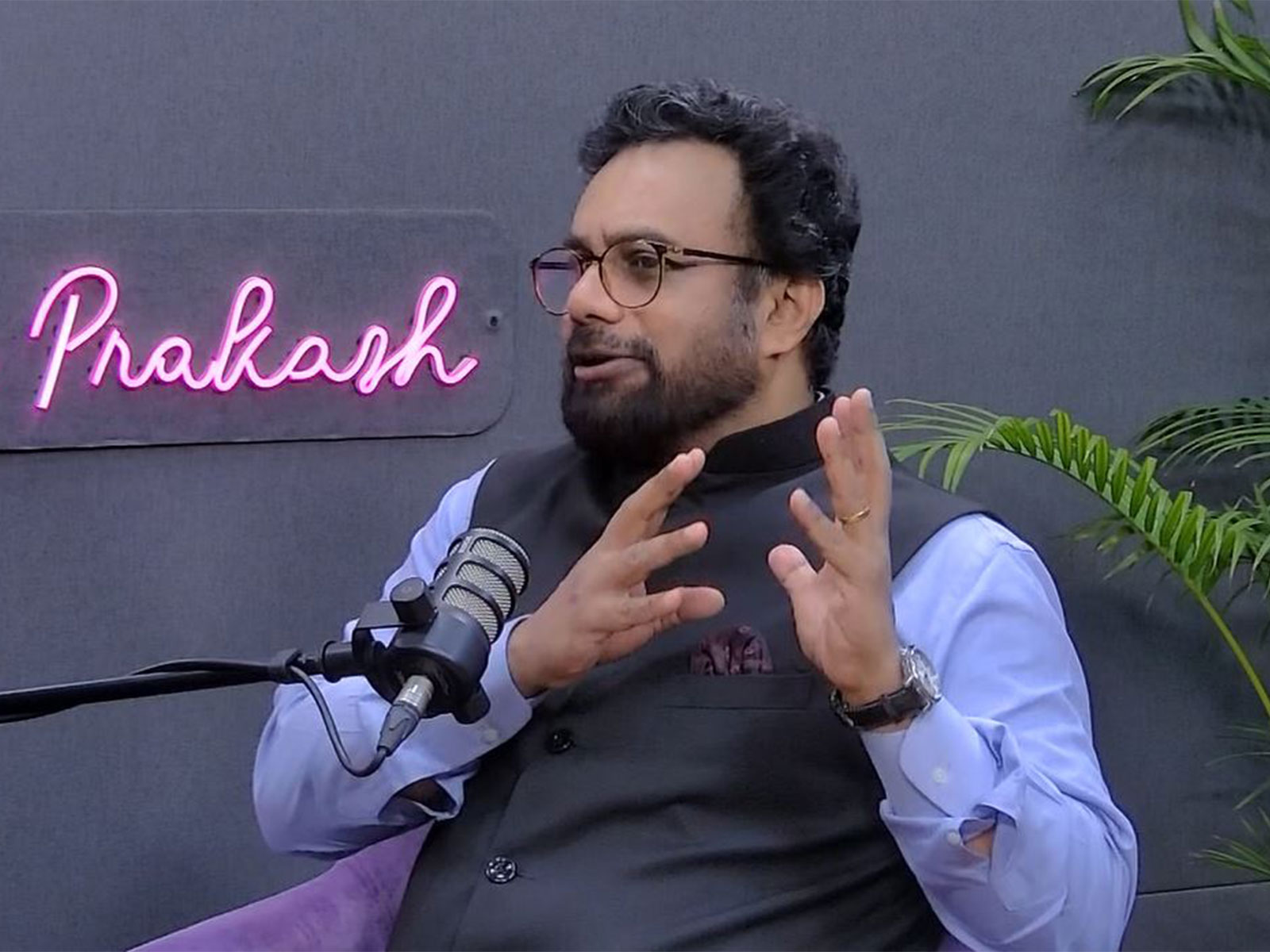
At Carnegie India AI Impact Summit, Rudra Choudhary, Vice President of the Observer Research Foundation, explained that the search for these minerals is part of a larger, necessary shift towards diversification within the Global South. He pointed out that while many countries possess these essential materials, the technical capacity to extract them remains concentrated in very few places. "I think one of the things that this entire workshop has taught us is that there's a lot that has to be explored within the global south itself. I think critical minerals is key. Now lot of the critical minerals might be available in places, but there's only one geography in the world that's extracting most of it that has the tech to extract it. We have to find ways to diversify it," Choudhary remarked.
Choudhary further elaborated on the need for formal agreements between developing nations to ensure they are not left behind in the global technology race. He emphasised that establishing these connections is vital for creating a reliable supply of the raw materials needed for high-tech industries. "In the Global South, we have to kind of work with countries to make sure that we're creating those bilateral pathways by which we can make the compact between extraction and identification of those minerals," he added.
The push for mineral extraction is also closely tied to India's long-term goals for its domestic semiconductor industry. Choudhary described the effort to build a local chip-making ecosystem as a multi-decade commitment that requires persistent investment and patience. "Semiconductor mission is actually quite critical to India. It's not like we're just going to have abundance of chips made in India tomorrow, but this is a long game. It's important for resilience, and we need it for the next 10, 20, 30 years. We have to stop constantly buying chips and at some level start producing chips in this country. And that's an entire vendor market ecosystem. There's an entire supply chain around it that will grow over time," he explained.
Addressing the broader geopolitical context, Mariano Florentino Cuellar, President of the Carnegie Endowment for International Peace, noted that India is positioning itself as a leader that provides an alternative to the dominant tech ecosystems of the US and China. He observed that India's focus on its own infrastructure and unique application layers, such as voice-activated technology, reflects a desire for independence in the global tech landscape. "But can countries around the world, including many emerging powers, really feel completely satisfied just having two powerful countries shape the entire ecosystem of technology? I think the answer is that would be very hard to imagine. So I think India is likely to be at the forefront of investing in talent, in its own data, compute infrastructure and ideally in building up a set of application layers that will go on top of the models and really make them very useful for consumers," Cuellar stated.