Knesset approves law commemorating Israel's Moroccan Jewish Heritage
Dec 31, 2025
Tel Aviv [Israel], December 31 (ANI/TPS): Israel's parliament on Wednesday approved a bill establishing a national day to honour Moroccan Jews who immigrated to the country and to remember those who died en route.
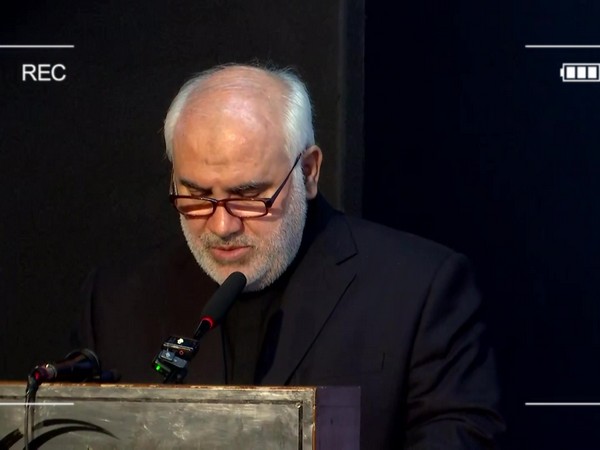
Following the vote, Shas party chairman MK Rabbi Aryeh Deri described the law as "the closing of a circle for the glorious Moroccan community." He added, "The time has come for the State of Israel to remember and cherish our dear parents and grandparents, who gave their lives to immigrate to the Land of Israel and continue the tradition and legacy of our father's house." Deri was born in the northern Moroccan city of Meknes and his family moved to Israel in 1968.
The day, set for the 23rd of the Hebrew month of Tevet, coincides with the anniversary of the "Egoz", which was carrying 44 Moroccan Jews on a clandestine voyage organized by Israel's intelligence service, the Mossad. At the time, Morocco would not allow Jews to emigrate to Israel.
Rough seas in the Atlantic Ocean near Morocco caused the vessel's hull to crack on Jan. 10, 1961. All 44 aboard perished. Only 22 of the bodies were recovered, and they were buried in Jerusalem's Mount Herzl cemetery.
The legislation calls for schools across Israel to teach about the heritage of Moroccan Jewry and for a special session to be held in the Knesset each year.
An estimated one million Israelis are either from Morocco or of Moroccan descent. Approximately 3,000 Jews currently live in the North African country.
Israel and Morocco normalized relations in December 2020 as part of the U.S.-brokered Abraham Accords.
In 2024, Israelis accounted for more than 55% of Morocco's e-visa applications, making Israel the country with the highest number of requests that year, the Moroccan Foreign Ministry reported.
Between 1948-1972, approximately 586,000 Jewish refugees from Arab countries in North Africa and Asia were resettled in Israel, while 200,000 more moved to North America and Europe. The vast majority were destitute, their property confiscated by the Arab governments they left behind. (ANI/TPS)