KTR flags delay in overseas scholarship funds, urges immediate government action
Mar 24, 2026
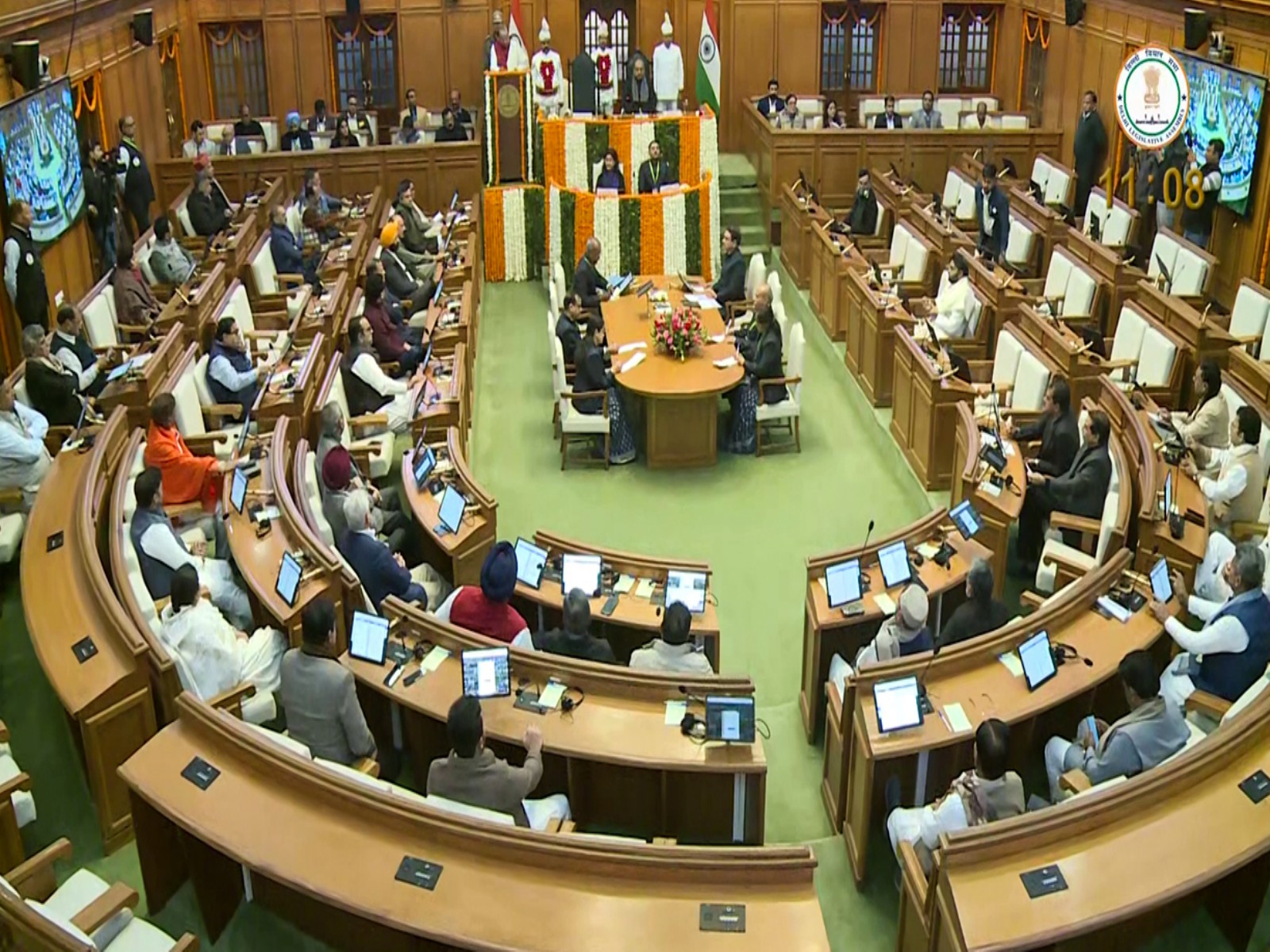
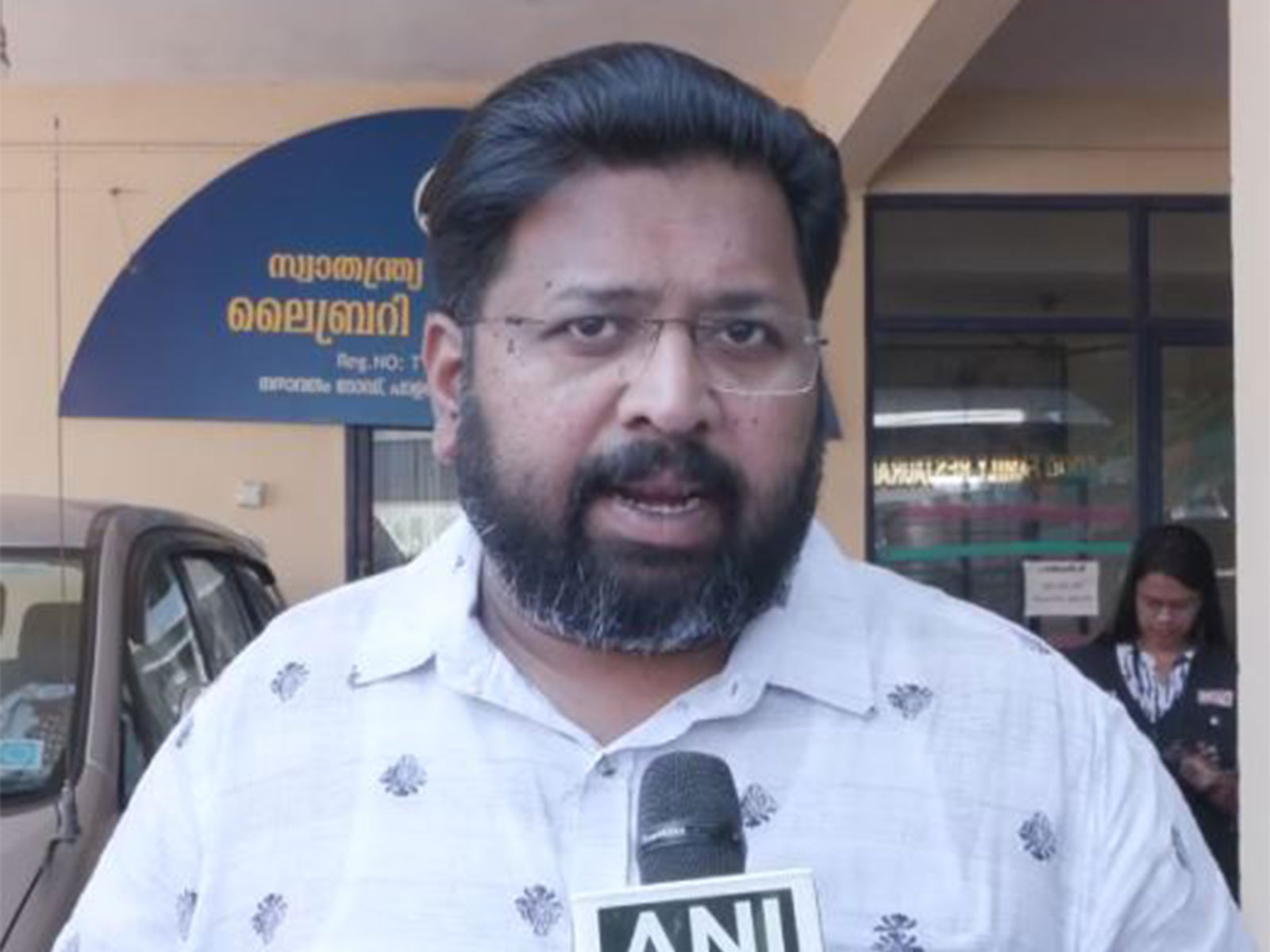
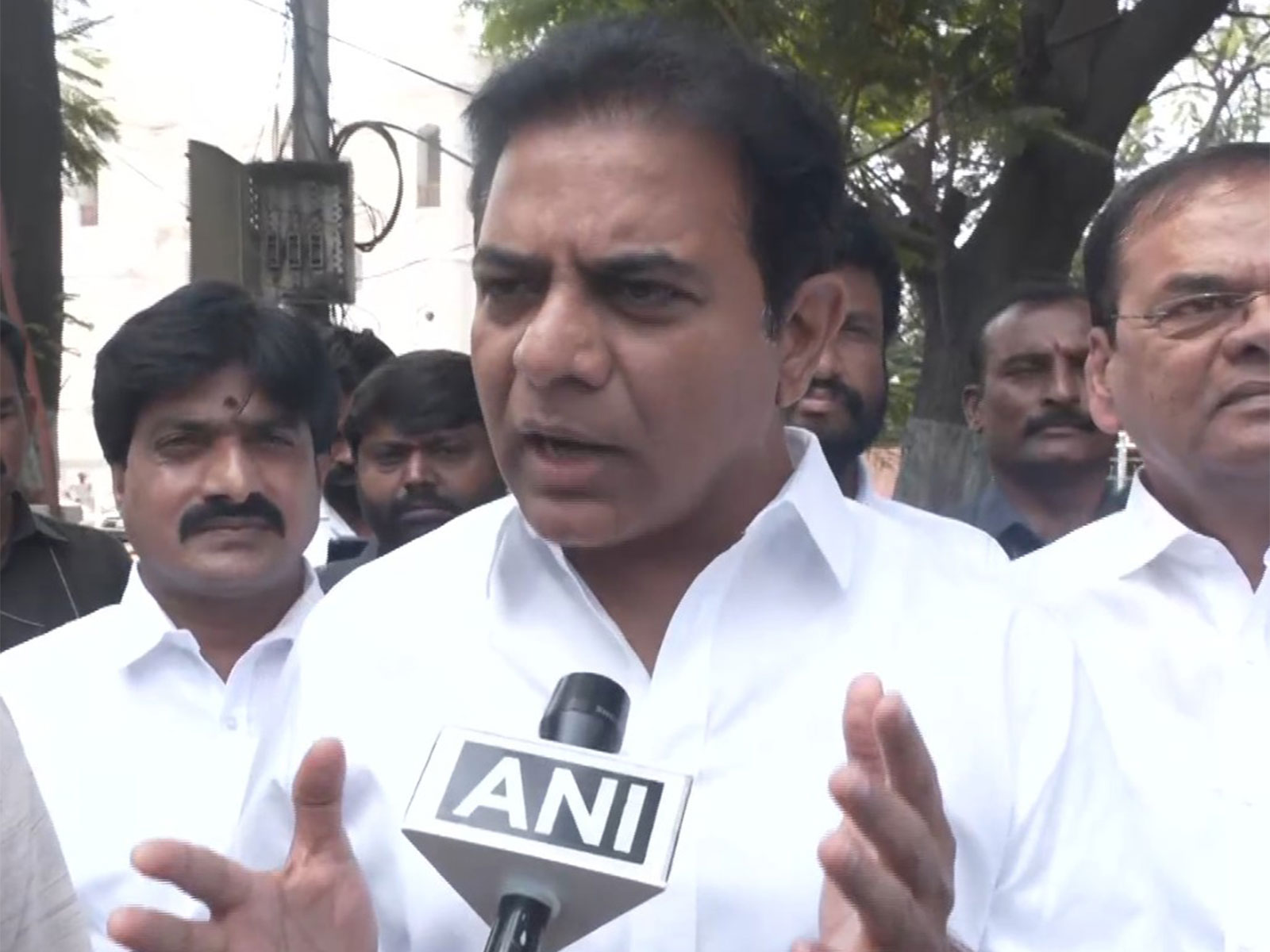
Hyderabad (Telangana) [India], March 24 : Bharat Rashtra Samithi (BRS) Working President KT Rama Rao on Tuesday raised serious concerns in the State Assembly regarding the hardships faced by students under the overseas education scheme.
He recalled that during the tenure of the Bharat Rashtra Samithi (BRS) government, thousands of students from Scheduled Castes, Scheduled Tribes, and Backwards Classes benefited from the "Overseas Education Fund," enabling them to pursue higher studies abroad with dignity.
According to him, nearly 7,000 students were provided financial assistance of ₹20 lakh each under the scheme. He further pointed out that the government had announced in October 2025 the release of ₹303 crore for overseas education. However, the funds have yet to be disbursed.
KTR stated that around 2,500 students are still awaiting financial support. Many students currently studying abroad have managed to pay their first-semester fees but are struggling to pay for the second semester, he added.
Students from the United States, London, and Germany have reportedly been facing severe financial distress and have reached out for assistance.
Quoting students, KTR said they have appealed: "We went abroad under the overseas education scheme during the BRS government, but we have not yet received the funds. Please raise this issue in the Assembly."
He urged the government and the Chief Minister to treat the matter with utmost priority and release the pending funds through a "green channel" to prevent disruption in students' education.
"This is not an unreasonable demand. It is a scheme already announced by the government," KTR emphasised.
He also reminded the House about the Maulana Abul Kalam Taleem-e-Tahfa Scheme announced by the Congress party, which is yet to be implemented.
Meanwhile, the Telangana State Cabinet has approved a series of wide-ranging legislative and policy measures that reflect a calibrated push toward social regulation, welfare expansion, and institutional accountability.
The decisions, spanning issues from hate speech to gig economy protections and public infrastructure, indicate an effort to respond to emerging social and economic challenges while reinforcing governance frameworks.