KTR welcomes delimitation but warns against population-based disadvantage to southern states
Mar 24, 2026
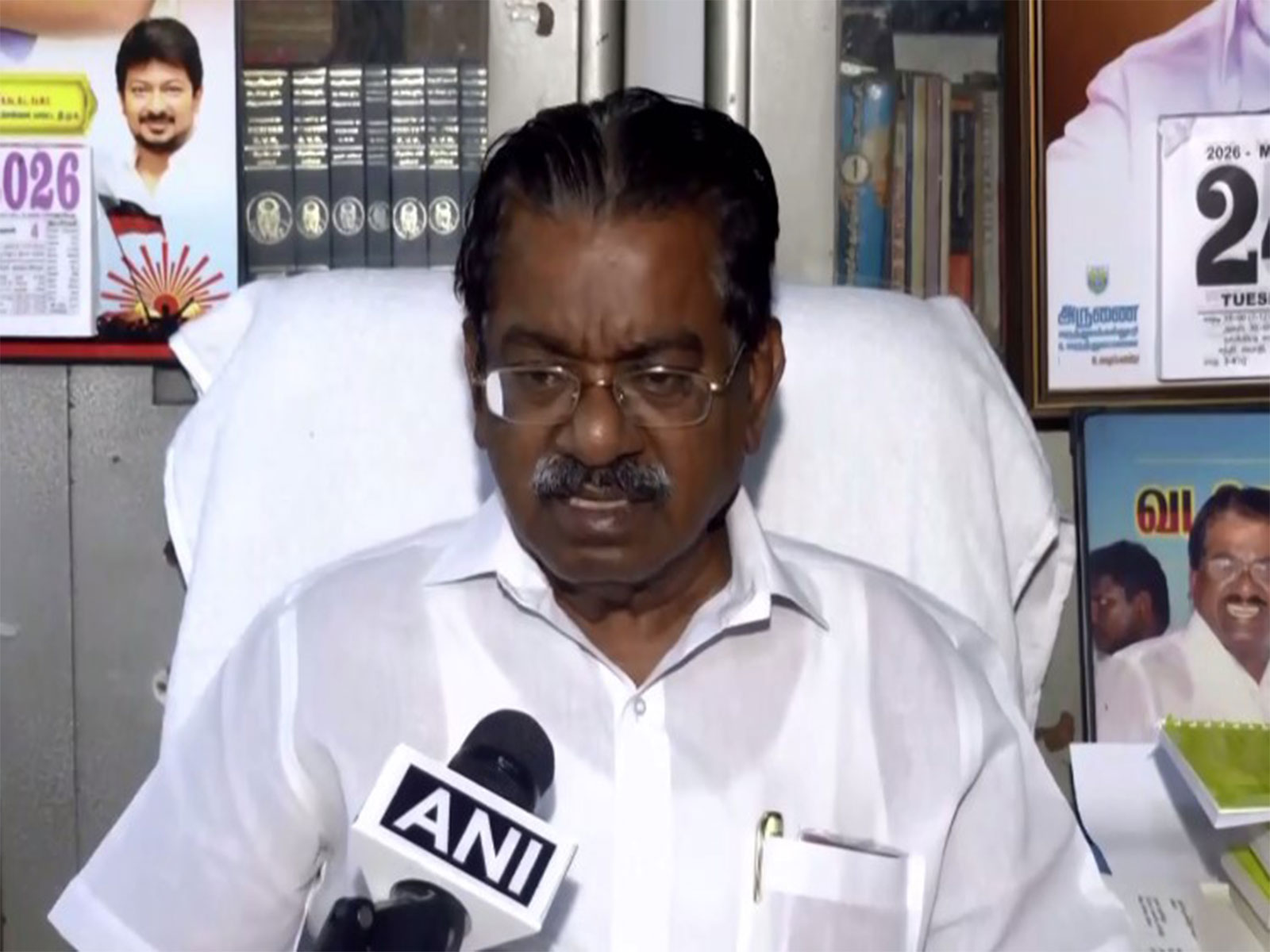
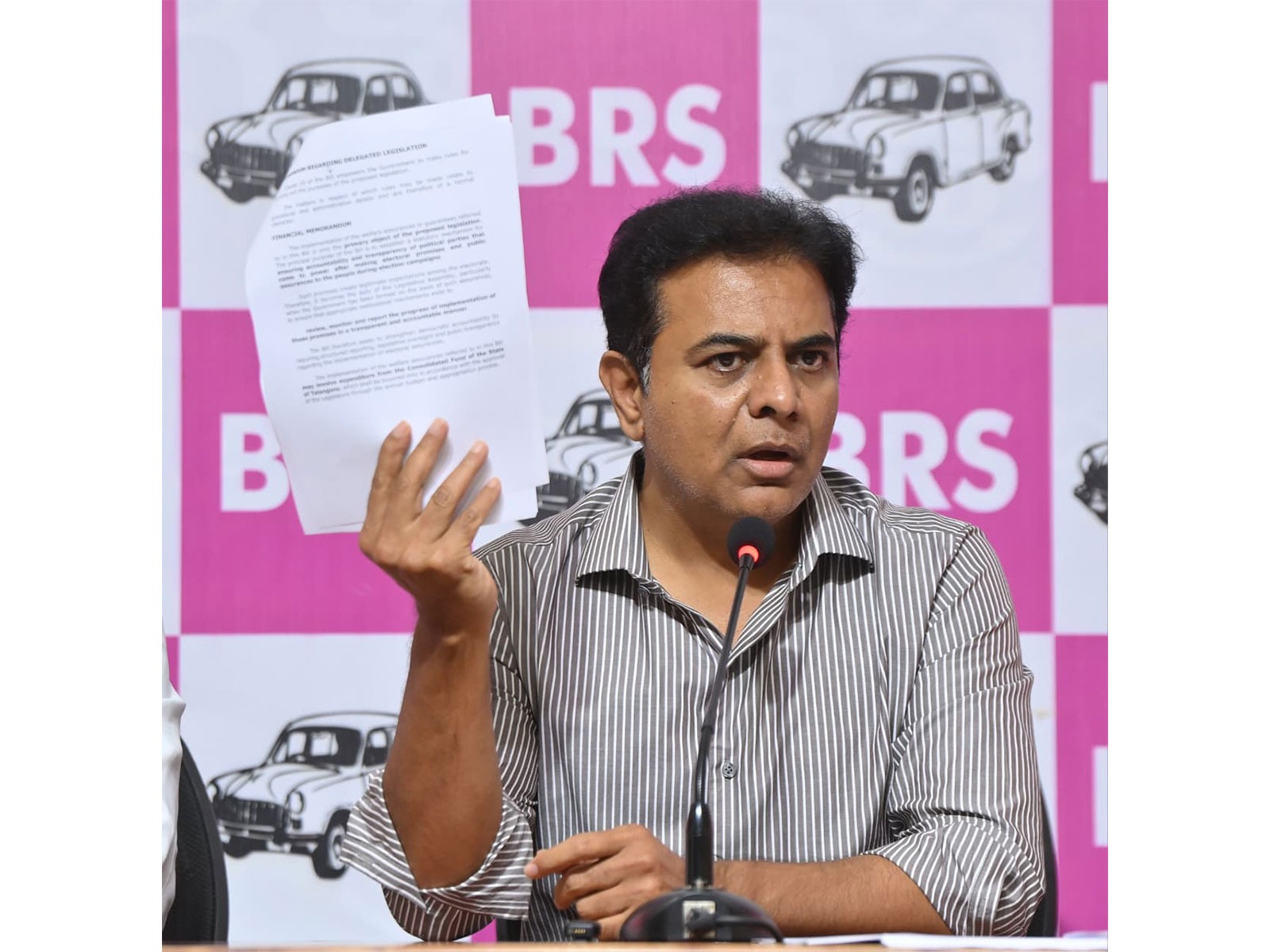
Hyderabad (Telangana) [India], March 24 : Bharat Rashtra Samithi (BRS) Working President KT Rama Rao (KTR) welcomed the long-pending delimitation process but expressed serious concerns over the potential disadvantages to southern states if it is carried out purely on a population basis.
The delimitation involves redrawing Lok Sabha and state assembly constituencies across the country.
KTR stated that delimitation in Telangana should have been conducted in 2014 as per the Andhra Pradesh Reorganisation Act. "Even though it is delayed by over a decade, we welcome the initiation of the process now," he said.
However, he cautioned that if delimitation is based solely on current population figures, it would severely disadvantage southern states.
"Our consistent stand--then and now--is that delimitation should not be based purely on population. Instead, it should follow the same proportional framework adopted earlier, based on the 1971 Census," he emphasised.
KTR pointed out that southern states collectively account for around 24% of representation in Parliament and stressed that this share must not be reduced. "States that have effectively implemented population control measures should not be penalised for their success," he added.
Welcoming the proposal to increase Assembly seats in Telangana and Andhra Pradesh, KTR said that greater representation would bring governance closer to the people. He highlighted stark disparities in constituency sizes, noting that while constituencies like Aswaraopet have around 1.3 lakh voters, areas like Serilingampally have nearly 9 lakh voters. "Such vast disparities are not healthy for a functioning democracy," he said.
Reiterating his party's stance, KTR said that BRS supports delimitation but only if it ensures fairness and does not undermine the voice of southern states. "Delimitation must be carried out in a manner that protects the interests of southern India and ensures balanced representation," he concluded.