Lawyers urge CJI to take suo motu cognisance of Rahul Gandhi's protest outside PM residence
Jul 24, 2026
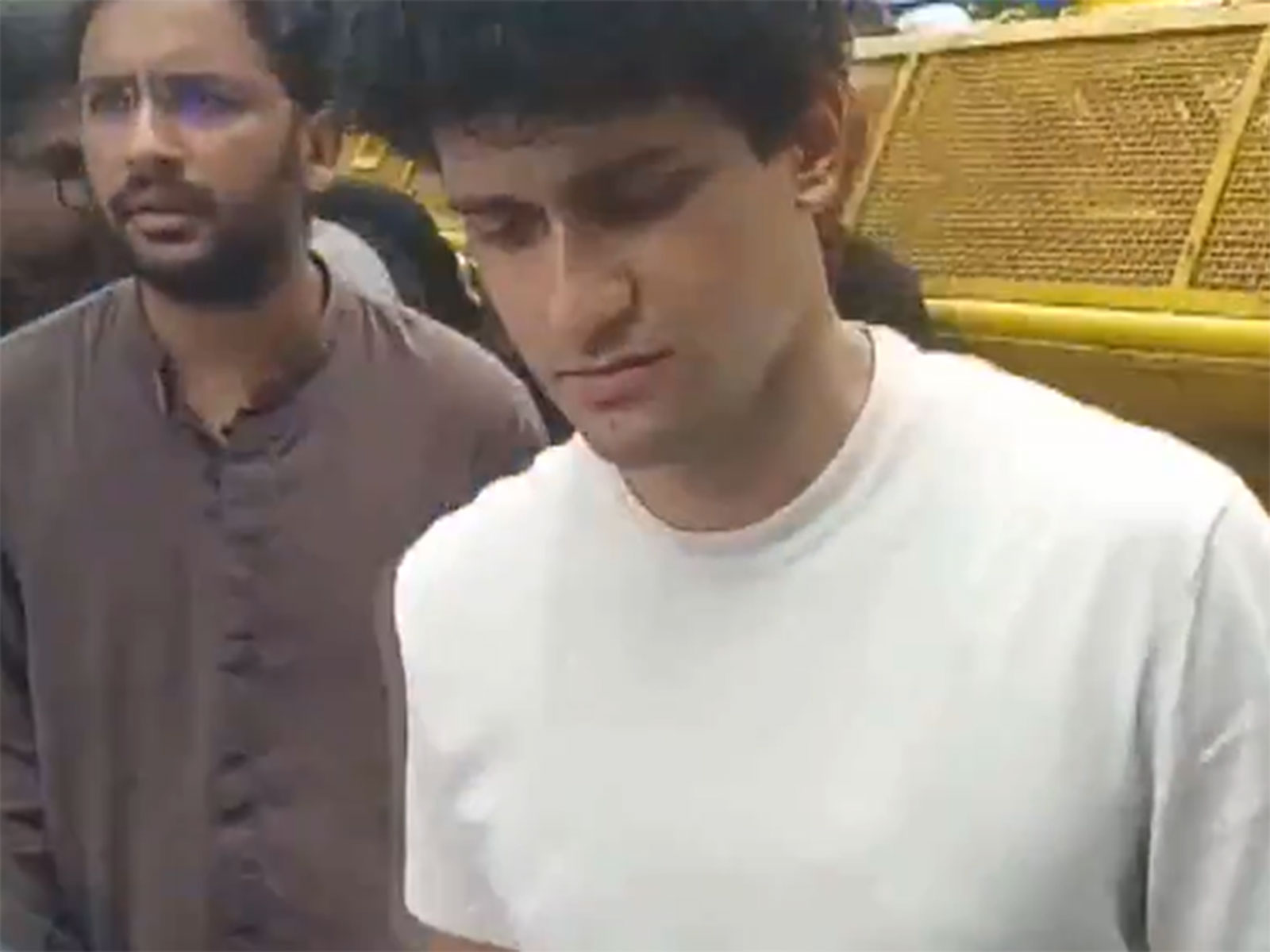
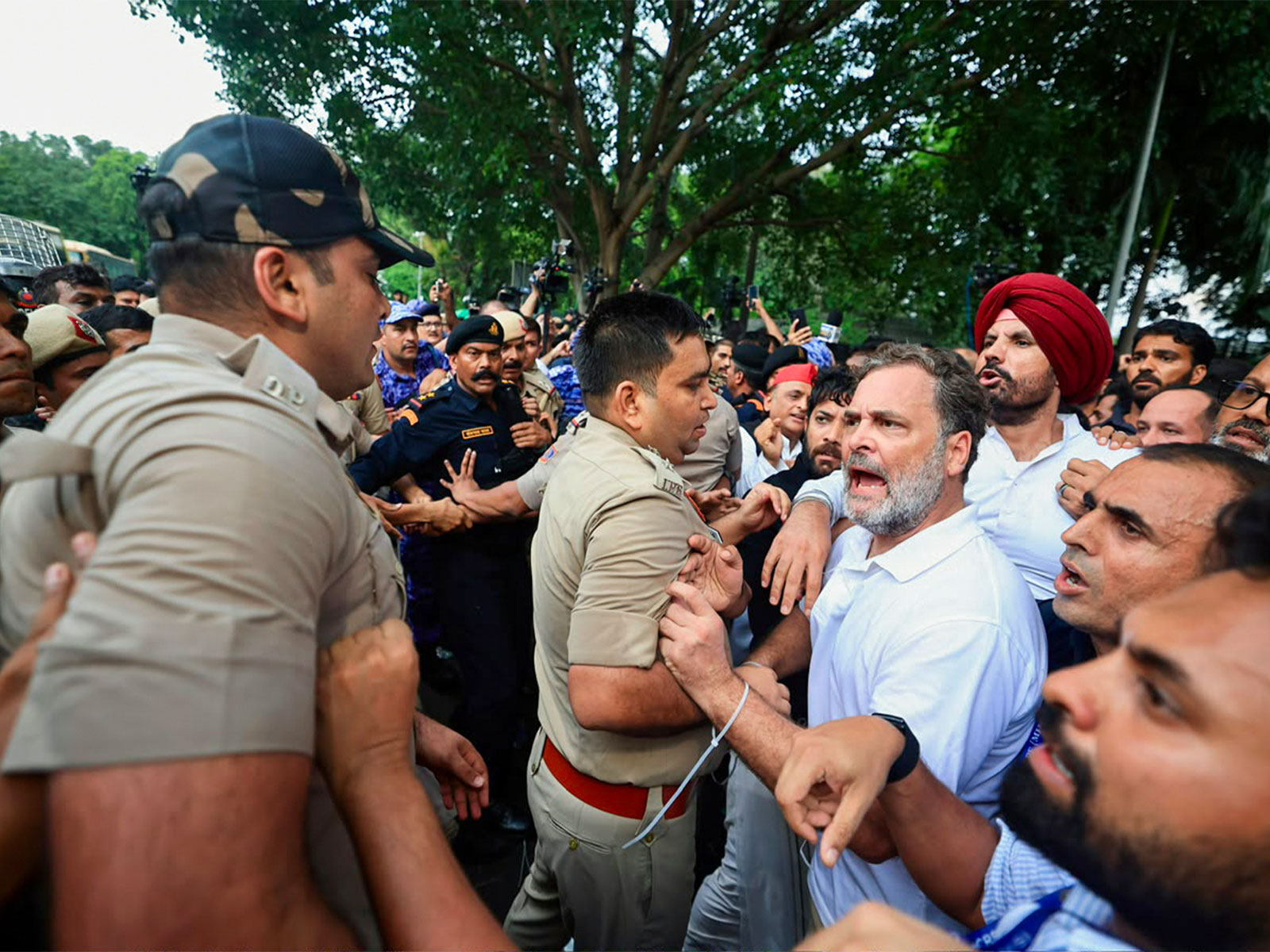
New Delhi [India], July 24 : A group of advocates has submitted a representation to the Chief Justice of India (CJI) Surya Kant, seeking suo motu cognisance of the July 21 protest led by Leader of Opposition in Lok Sabha Rahul Gandhi and other Opposition leaders outside the Prime Minister's official residence at 7, Lok Kalyan Marg.
The lawyers have also sought an inquiry into the incident and the framing of guidelines regulating protests in high-security zones.
The representation has been submitted by Advocate Sanket Gupta on behalf of advocates practising in various High Courts and District Courts.
It states that while the Constitution guarantees the right to peaceful protest, that right is subject to reasonable restrictions in the interest of public order and security. The advocates have urged the Supreme Court to lay down clear and uniform guidelines for protests near high-security government establishments.
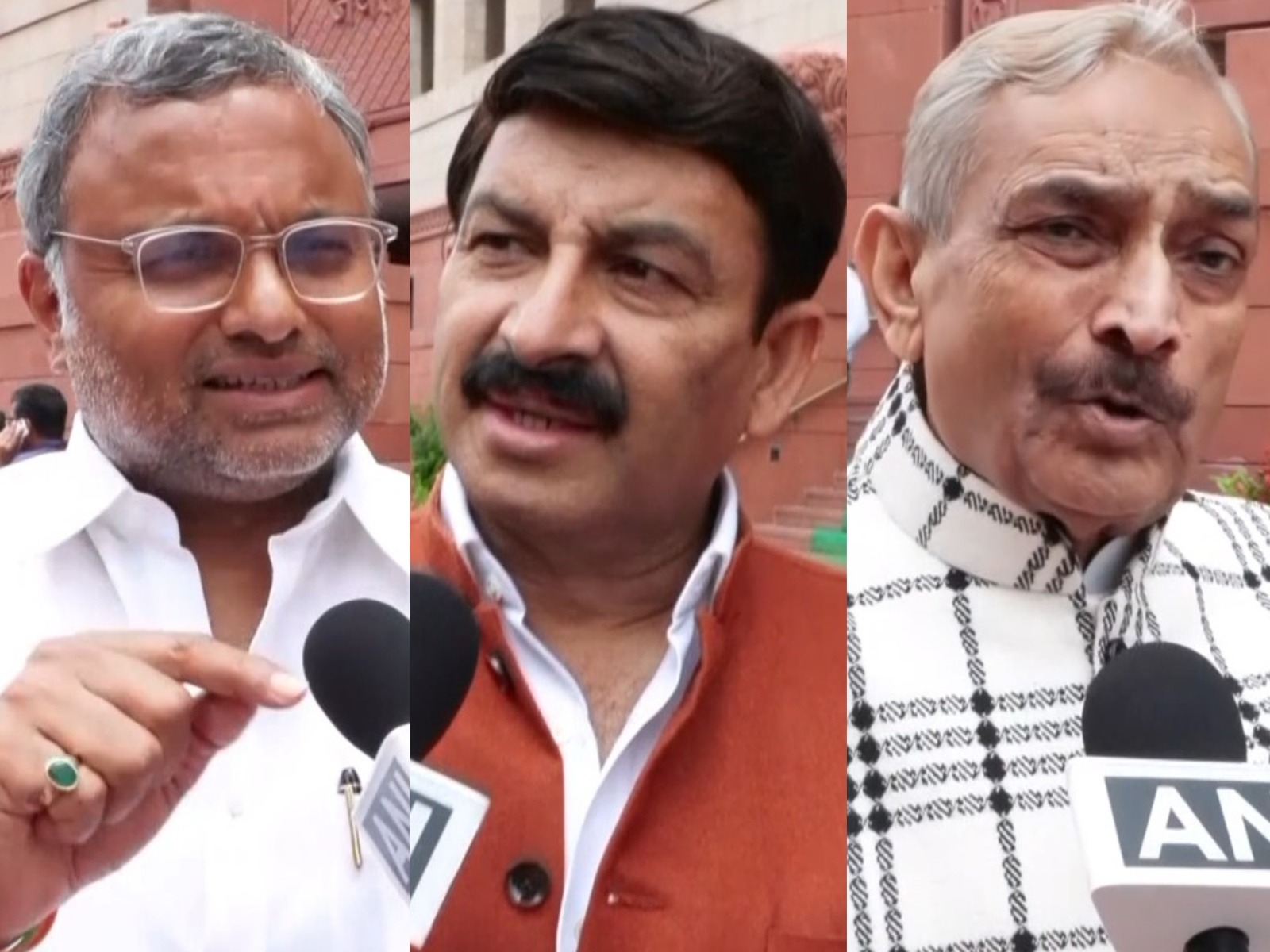
According to the representation, Rahul Gandhi, Congress president Mallikarjun Kharge, Priyanka Gandhi Vadra, Akhilesh Yadav, several Members of Parliament and the Chief Ministers of Keralam and Karnataka held a sit-in protest outside the Prime Minister's residence on July 21 over the alleged NEET-UG paper leak.
The lawyers claim the protest was held without prior permission and that the road leading to the Prime Minister's residence was blocked.
The representation states that senior Delhi Police officers repeatedly requested the protesters to leave, informing them that the area was a high-security zone.
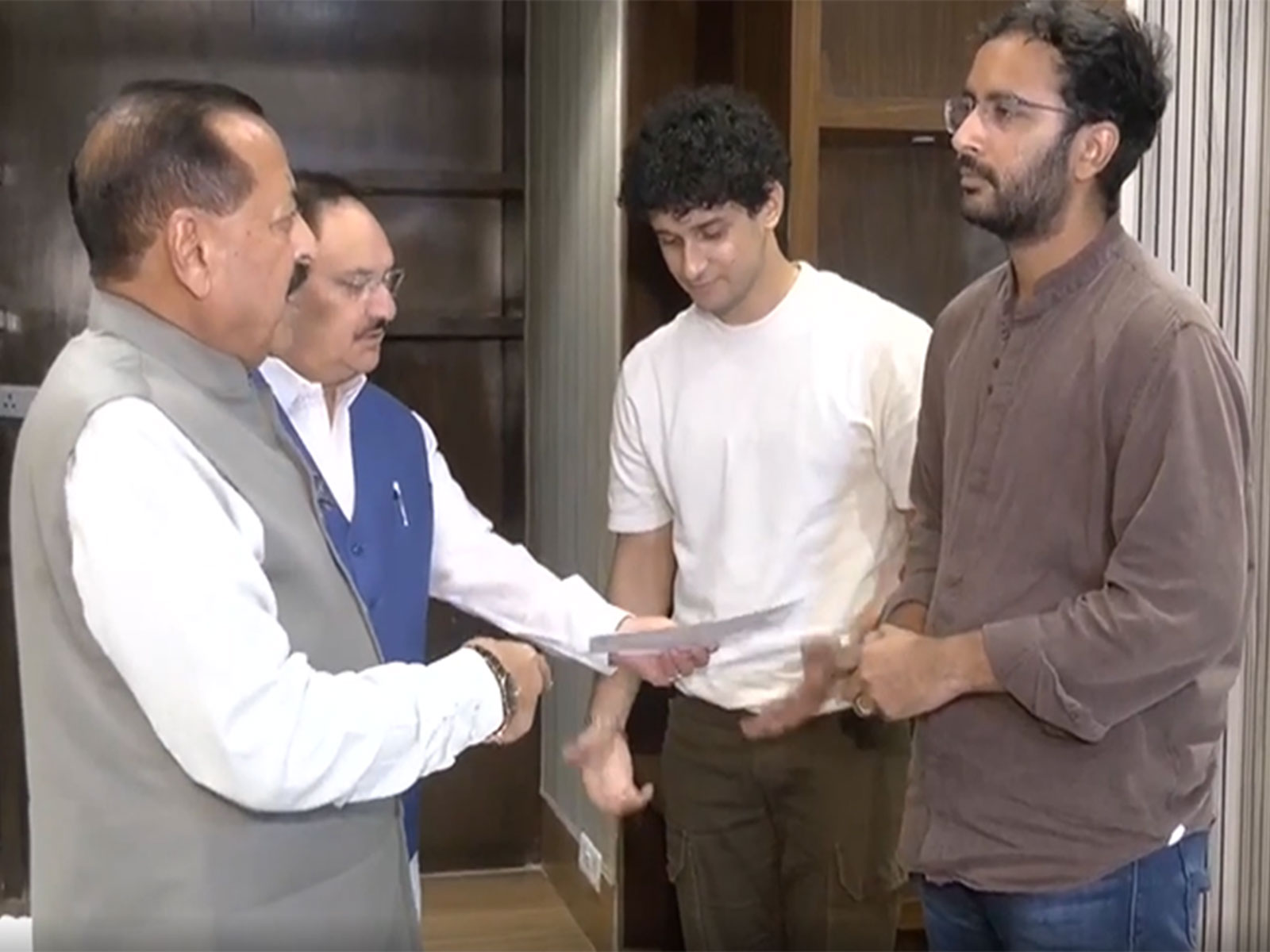
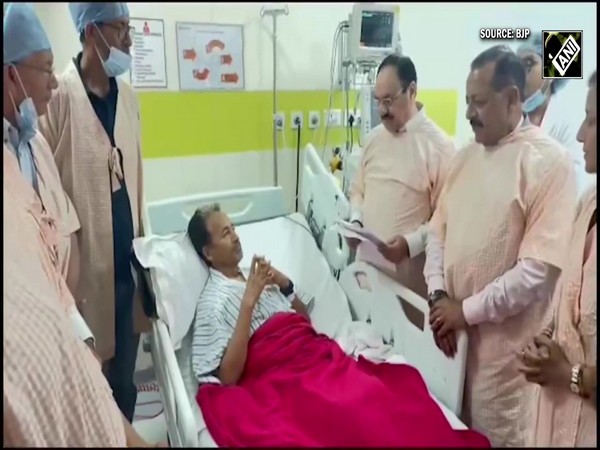
It further claims that Union Minister of State in the Prime Minister's Office Jitendra Singh met Rahul Gandhi and requested him to end the protest, assuring him that the government was ready to discuss the issue in Parliament. According to the representation, the protesters continued the dharna despite these requests.
The advocates have also referred to a social media post by Rahul Gandhi inviting people to join the protest outside the Prime Minister's residence. They contend that such a public call could have security implications because it could attract an uncontrolled crowd to a highly protected area.
According to the representation, the protest continued for nearly three hours before the police removed Rahul Gandhi and the other leaders from the spot. It alleges that the prolonged protest placed unnecessary pressure on the security arrangements around the Prime Minister's residence.
The representation further argues that if such demonstrations are allowed to take place outside high-security installations without any consequences, it may encourage similar protests in the future and pose a risk to public order and security.
While recognising that peaceful protest is a fundamental right, the advocates submit that it must be balanced with security concerns. They have cited constitutional provisions and submitted that protests at sensitive locations can be regulated through reasonable restrictions.
The representation also alleges that the incident violated provisions of the Bharatiya Nagarik Suraksha Sanhita (BNSS), the Bharatiya Nyaya Sanhita (BNS), the Special Protection Group Act, 1988, and related security protocols.
These are allegations made in the representation and have not been examined or decided by any court.
The advocates have requested the Supreme Court to take suo motu cognisance of the July 21 protest, order a fact-finding inquiry into the incident and frame binding guidelines governing protests and public assemblies near high-security installations across the country.