Long-run LNG supplies will not be disrupted, but there will be a lead time: Sources
Mar 10, 2026
New Delhi [India], March 10 : The Liquefied Natural Gas (LNG) supplies to Asia are unlikely to face long-term disruption despite recent geopolitical tensions and shipping challenges in West Asia, although delays in deliveries are inevitable, a government source said.
"So, long run the supplies are not going to be disrupted, I am sure. But there is going to be a lead time. You can't help it," the government source said.
The source said the recent surge in Asian LNG prices and supply disruptions have altered the economics of global gas trade, making shipments from more distant suppliers commercially viable despite higher transportation costs.
"Now, the Asian price has gone up to 15 and the production has also stopped. Once the Asian price goes beyond 10, the import of gas from U.S. or Norway starts making sense even with the higher transportation cost," the source said.
India imports a large portion of its natural gas needs through LNG, much of which is tied to long-term contracts. A significant share of these imports comes from Qatar, traditionally a low-cost supplier for Asian markets.
"Once this Qatar gas is around USD 6 to USD 8 per mmBTU what we are getting, the Asian price," the source said, describing the earlier pricing environment before the recent spike in spot LNG prices to around $15 per million British thermal units (mmBTU).
However, disruptions in shipping routes and heightened geopolitical tensions in West Asia have complicated logistics for energy imports and trade flows.
The source said maritime insurance premiums have risen sharply and key shipping routes have become difficult to access.
"Hormuz, even with the insurance, is clearly out of reach," the source said, referring to the Strait of Hormuz, a critical chokepoint through which a large share of the world's oil and LNG shipments normally pass.
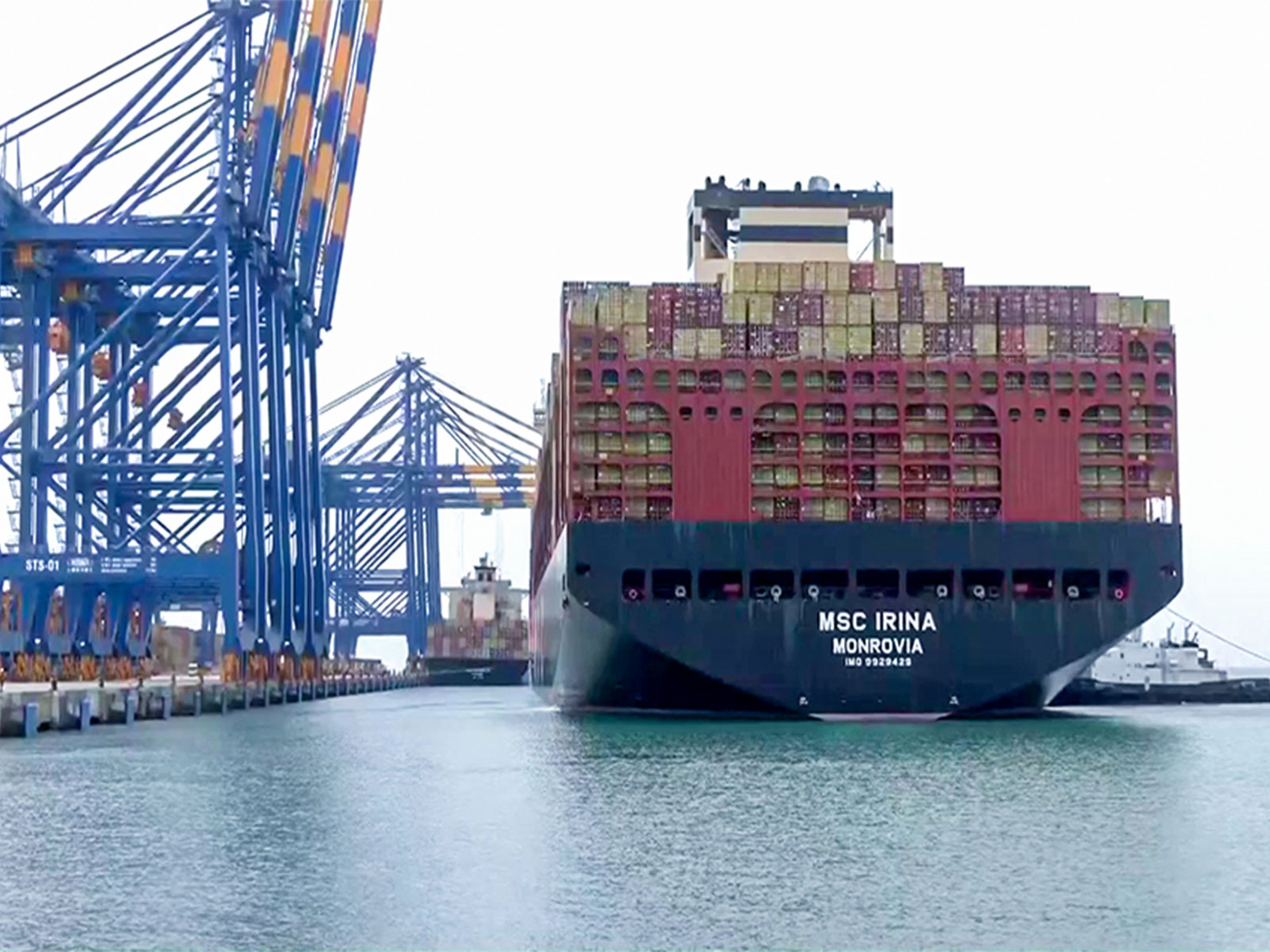
At the time tensions escalated, an estimated 600,000 to 700,000 containers were present in the wider Gulf region.
"Out of those six to seven lakh containers, about three and a half lakh were right in the Gulf," the source said.
Many of these containers remain difficult to move quickly because they are located deep within the Gulf and may need to be transported through land routes before they can be loaded again onto ships for onward delivery.
"Those which are right deep in the Gulf, it is difficult to evacuate them very soon. They have to be evacuated through land route and then moved to a port," the source said.
As a result, exporters and shipping companies are increasingly exploring alternative logistics routes.
"They will have to take longer routes via ports like Sohar, Fujairah or the Sharjah port of Khor Fakkan and from there go through land routes into the Gulf countries," the source said.
India has significant trade exposure to the Gulf Cooperation Council (GCC) region, exporting roughly USD 40 billion to USD 50 billion worth of goods annually to countries in the bloc. The exports include petroleum products, gems and jewellery, precious metals, processed food, textiles, apparel and machinery. Despite the logistical challenges, the source said exports are unlikely to be severely disrupted because many Gulf economies depend heavily on India for essential supplies.
"Their food security is dependent on us. We supply a lot of food to them," the source said.
However, longer shipping routes and higher insurance premiums are expected to raise transportation costs for exporters.
"Obviously that would lead to higher cost in terms of transporting those goods," the source said.
In some cases, particularly during Ramzan, exporters have begun using air cargo to deliver essential food supplies more quickly.
"A lot of food supplies are going through air cargo," the source said.
On the import side, India is also monitoring developments in oil and gas supplies closely. The source said oil imports are currently less of a concern because India continues to receive crude from Russia.
"Oil we are not much worried about right now because there is a reprieve in terms of getting the oil from Russia," the source said.
Meanwhile, authorities are also monitoring the impact of disruptions on fertiliser and LNG availability ahead of the kharif agricultural season, although the source indicated that supply chains are expected to adjust over time.
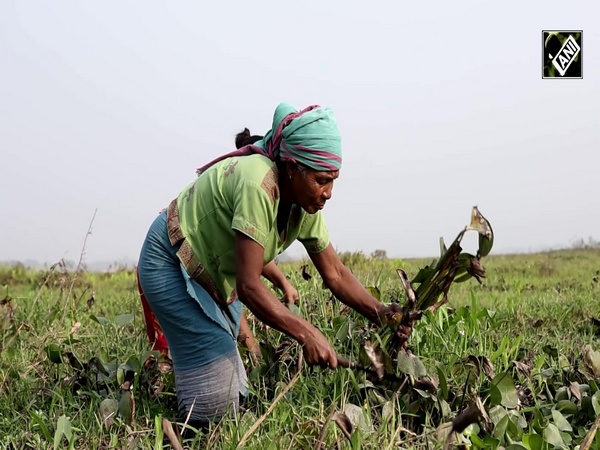
Liquefied Natural Gas (LNG) is a critical feedstock for manufacturing fertilizers, particularly ammonia and urea, with roughly 60-63% of India's fertilizer sector consumption relying on re-gasified LNG. As Kharif season would begin in the country in couple of months, adequate supply of fertiliser would be the need of the time given the fact that India is an agrarian economy and it's around 46% of population depends on the farming.