Mansukh Mandaviya introduces Industrial Relations Code Amendment Bill in Lok Sabha
Feb 11, 2026
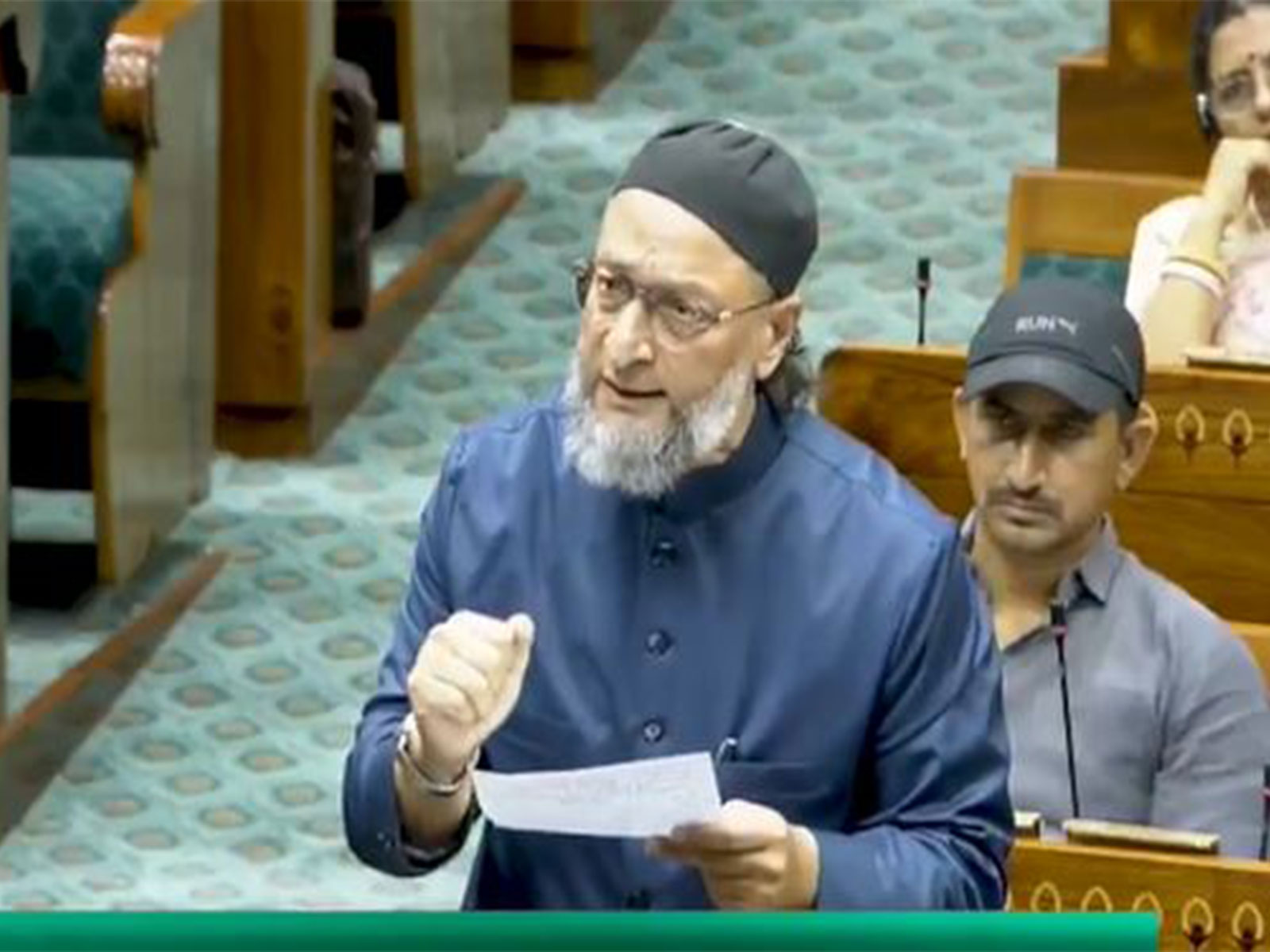
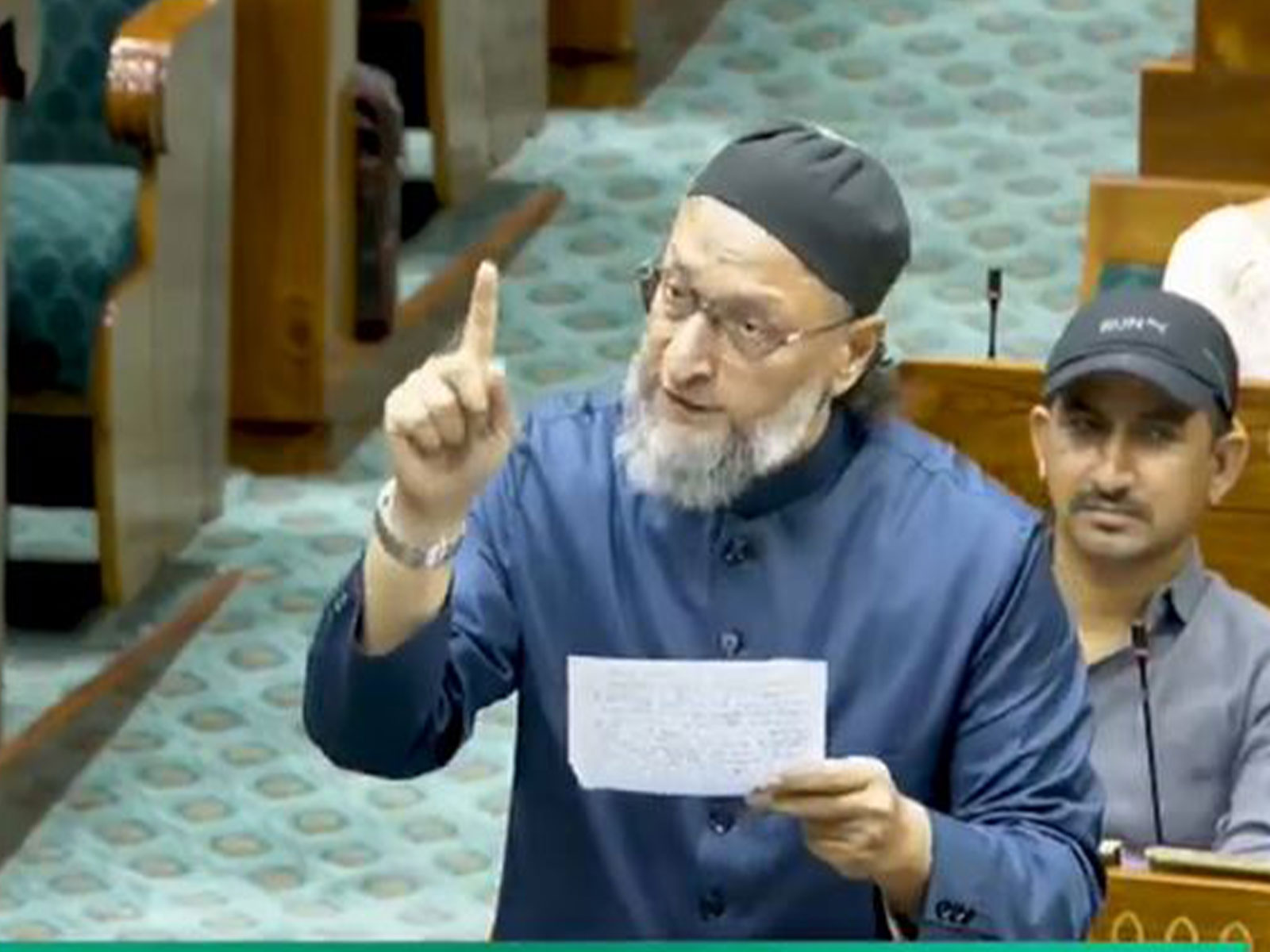
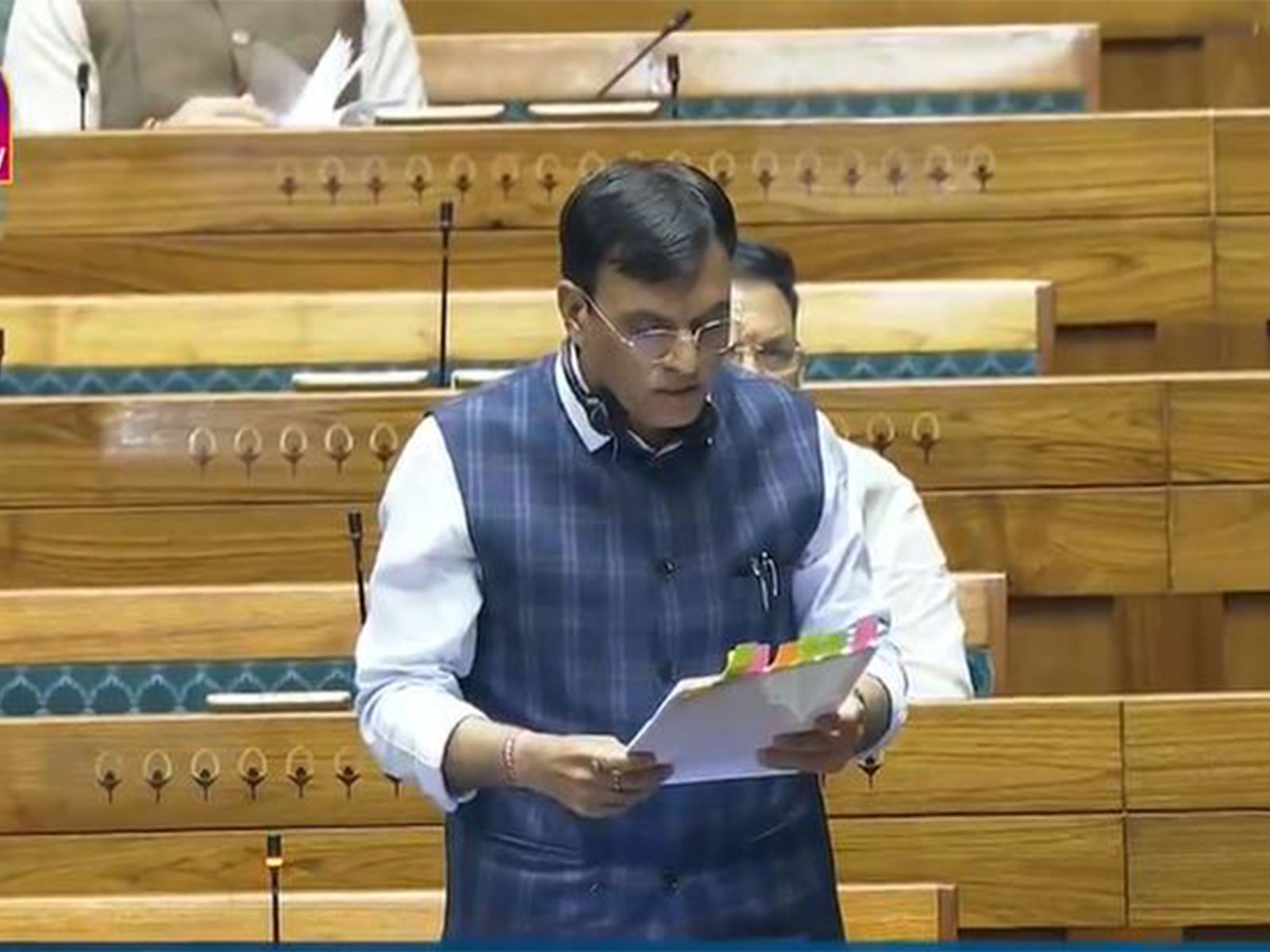
New Delhi [India], February 12 : The Industrial Relations Code (Amendment) Bill, 2026, was introduced in the Lok Sabha on Wednesday by Union Minister of Labour and Employment Mansukh Mandaviya during Zero Hour.
The Bill seeks to amend the Industrial Relations Code, 2020, which consolidated and replaced the Trade Unions Act, 1926, the Industrial Employment (Standing Orders) Act, 1946, and the Industrial Disputes Act, 1947, covering trade unions, industrial employment, and industrial disputes. It also contains savings provisions under Section 104 to ensure continuity and legal certainty.
The amendment aims to clarify that the repeal of the earlier enactments occurred automatically under Section 104 of the Code and to prevent any future confusion regarding the delegation of repeal powers to the executive.
The Bill stated that the provisions of Section 104 and a February 2026 notification, published in the Official Gazette, clearly establish that the repeal has occurred by the operation of section 104 of the Code itself, and the proposed amendment is intended to avoid any "future unwarranted complication."
The Industrial Relations Code, 2020, which consolidates and amends laws relating to trade unions, conditions of employment in industrial establishments, and dispute resolution, is a key pillar of India's labour reforms.
With labour codes gradually being operationalised across the country, clarity in administrative jurisdiction is essential to achieving the intended objectives of improved industrial harmony, worker protection, and ease of doing business.
Earlier on January 6, President Droupadi Murmu authorised the administrators and Lieutenant Governors of all the Union Territories to exercise the powers and discharge the functions of the "appropriate government" under the Industrial Relations Code, 2020.
The move is aimed at ensuring clarity and uniformity in the implementation of labour laws across Union Territories.
The directive has been issued pursuant to clause (1) of Article 239 of the Constitution and supersedes earlier notifications issued on January 16, 2023, and June 22, 2023.