"Marco Rubio, Pete Hegseth are black belts in PR:" US strategist Robert Pape
Mar 30, 2026
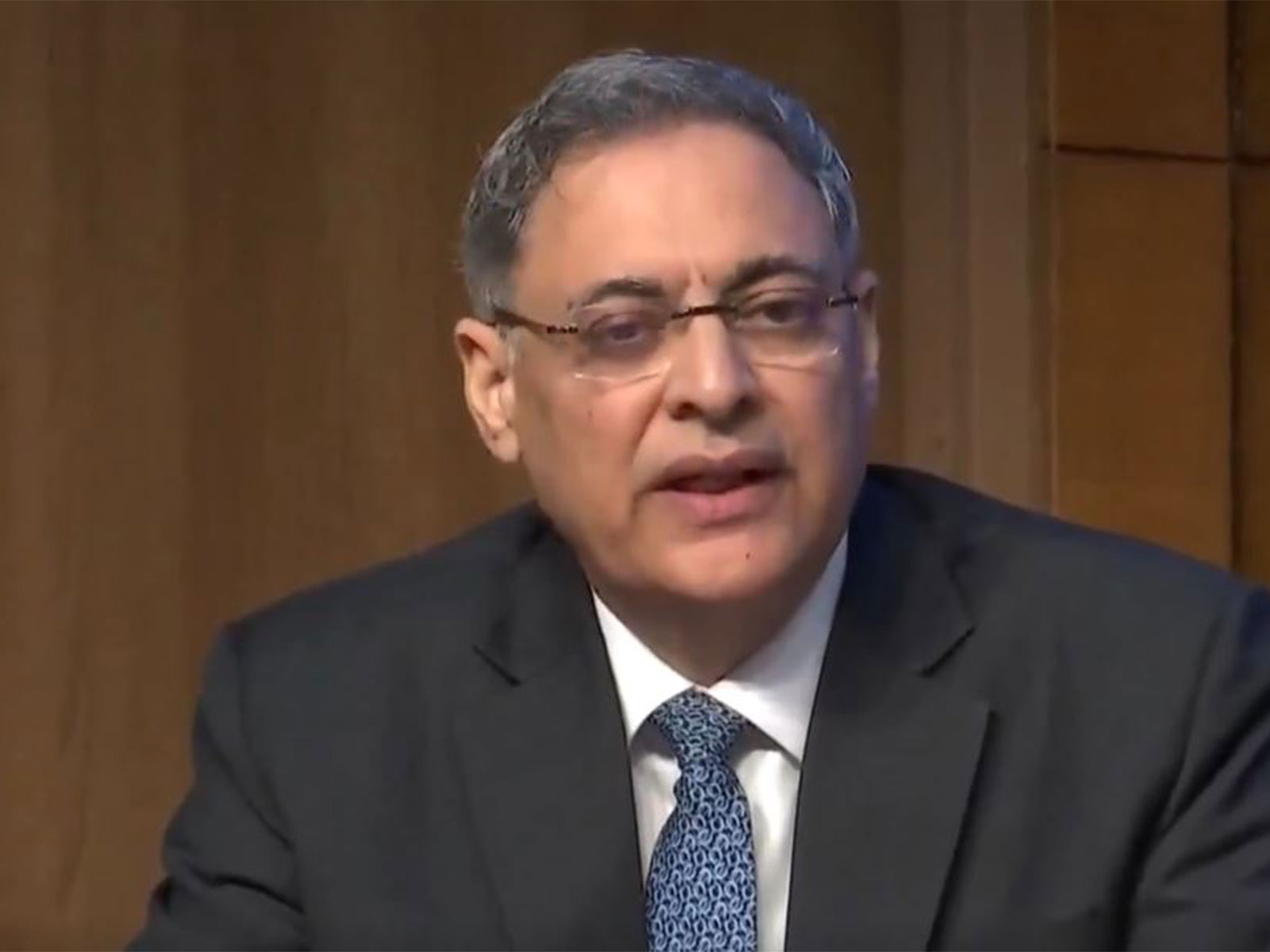
New Delhi [India], March 30 : As the United States continues its military engagement in Iran, debates over how the conflict is being portrayed publicly have intensified, with US Strategic Air Power Expert and advisor to multiple US Presidents, Professor Robert Pape arguing that rhetoric by senior officials should not be taken at face value and that the real determinants of policy lie beyond public statements.
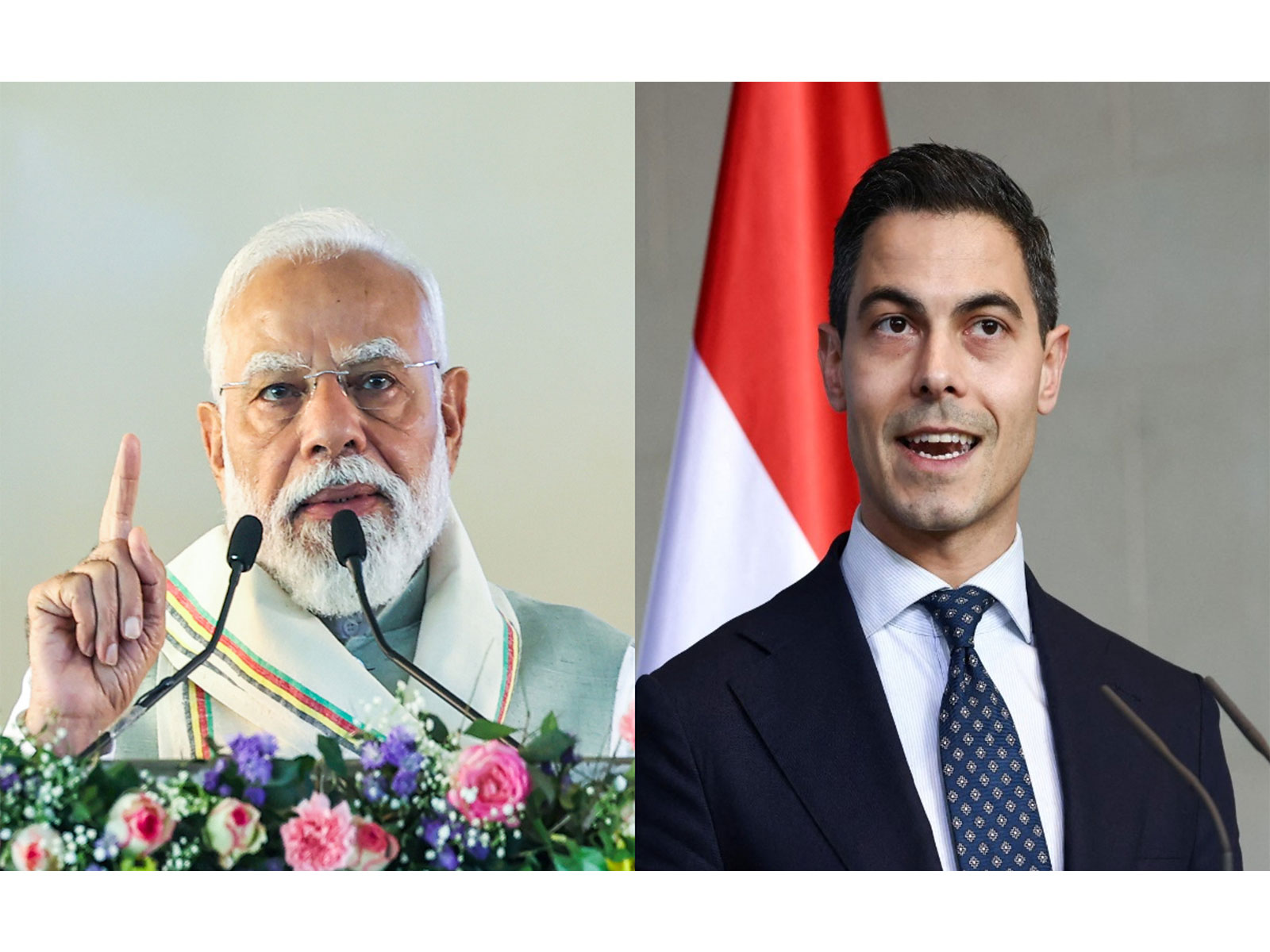
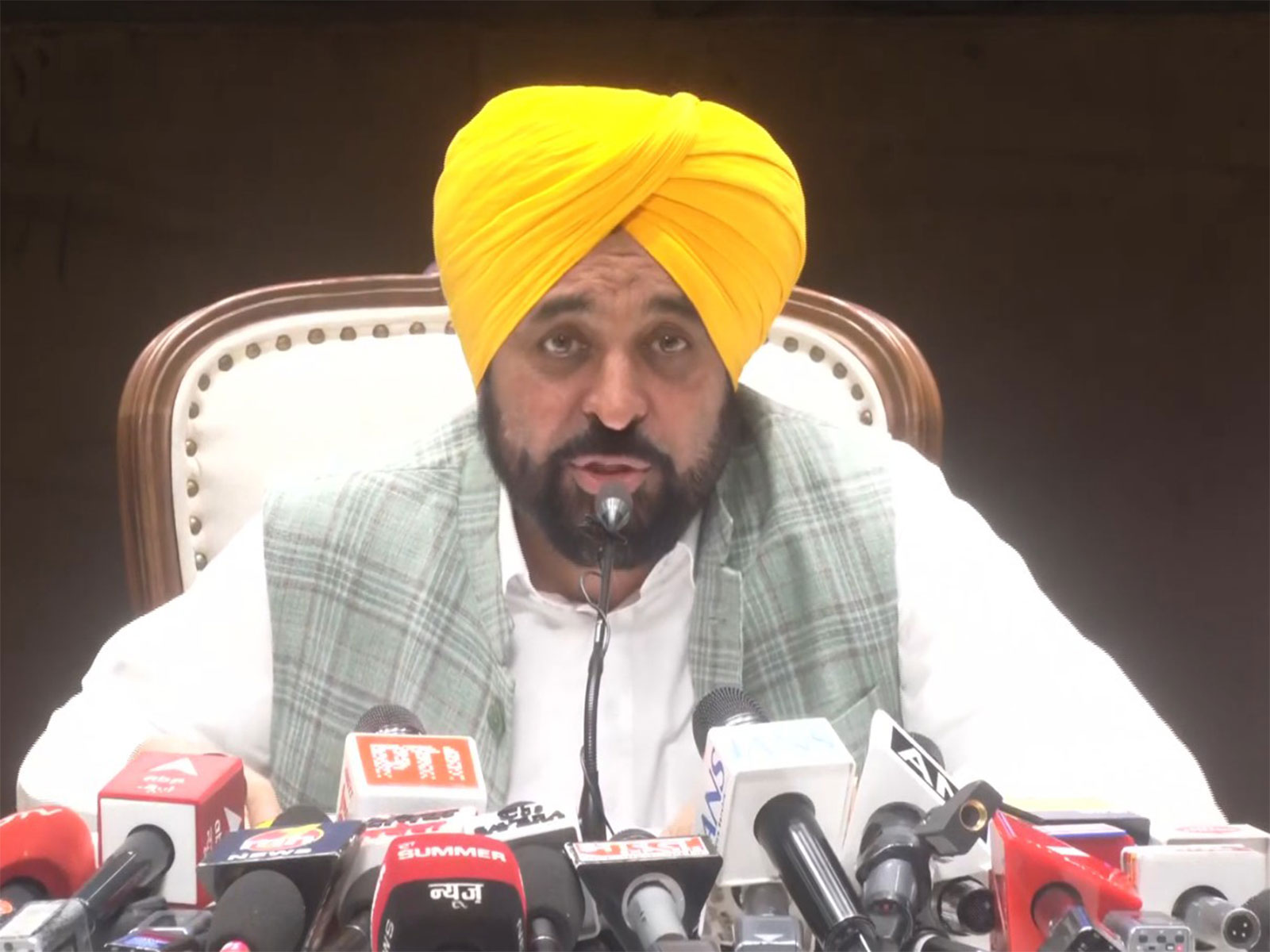
The comments come amid growing scrutiny of how the Trump administration, including Vice President JD Vance and Secretary of State Marco Rubio, has communicated the approach to the war in Iran. Rubio also serves as Trump's national security advisor.
US forces have expanded deployments and contingency planning, including potential ground options, even as public messaging from some officials has emphasised restraint and limited objectives.
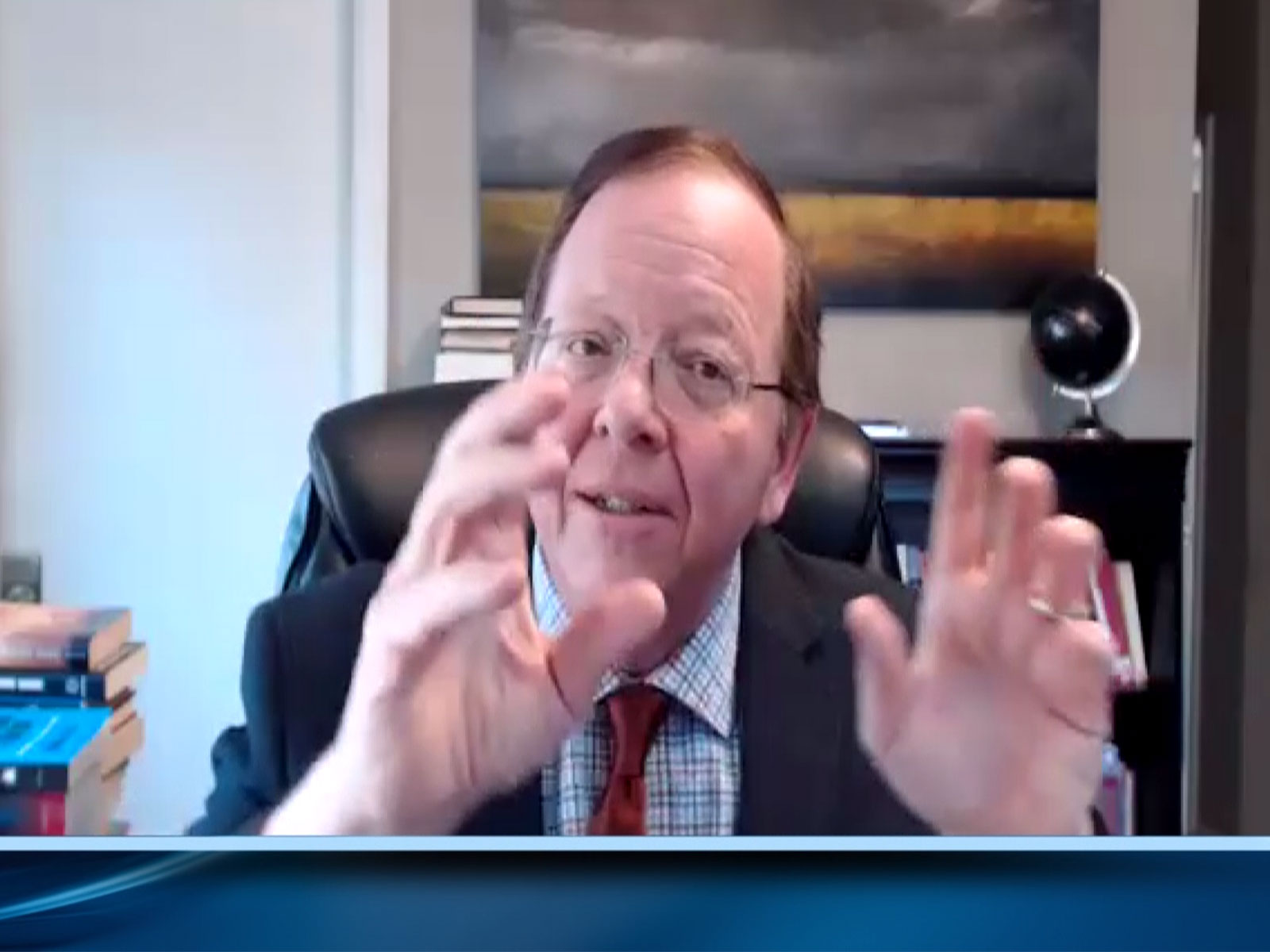
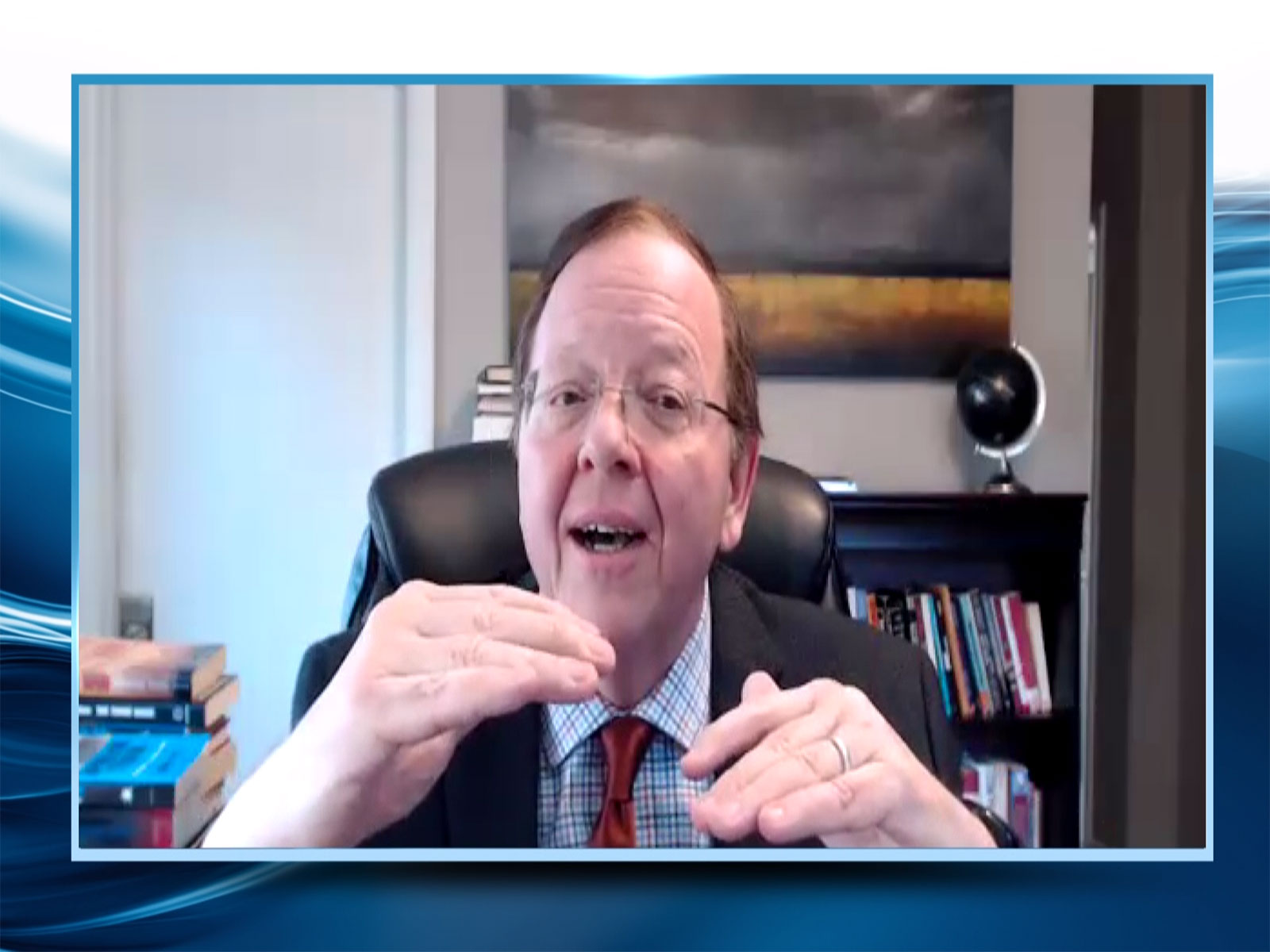
Speaking to ANI in an exclusive interview, Pape offered a stark assessment of how to interpret official statements on military intent.
He said, "You know, everybody, you know, you've heard Vice President Vance. We'll never think about ground option. Here we are with ground options. You hear Secretary of State Rubio say, no, we don't need, it's all unnecessary. I would just not pay attention to this rhetoric. This rhetoric is not meant to signal our true military intent. To the extent that has meaning at all, it's for domestic political consumption or international political consumption."
"It is not meant as a signal of our true ideas that are going on behind, you know, sort of under the radar. And I would just note that even if they did represent that a month ago, all that has been turned out to not be reality. The reality is what I'm explaining. The pull of reality is more important than this rhetoric of a month ago. They're not trapped by their rhetoric. They evolve. They spin. They're black belts at PR and spin. That's what they do. I focus on the strategy. Escalation dynamics in particular is what I have focused on in all my work, air power, economic sanctions, and terrorism. It's always been about the interaction of force and politics or escalation dynamics," he added further.
Pape's perspective illustrates a growing frustration among some defence observers who argue that public statements by US leaders are shaped as much by political calculation as by the operational realities on the ground.
The war with Iran erupted following escalating tensions over Tehran's nuclear ambitions, regional proxy engagements and a series of attacks on international shipping in the Gulf. The Trump administration's decision to withdraw from the 2015 Iran nuclear deal in 2018 and reimpose sanctions on Iran precipitated a spiral of tit-for-tat violence, culminating in a broader aerial campaign against Iranian Revolutionary Guard targets and disruption of Iran's missile and drone infrastructure.
Pape is a professor of political science at the University of Chicago with a specialisation in security affairs. Professor Pape has a popular substack named the Escalation Trap, which informs the reader when conflicts are changing phases and the various dimensions that happen at each stage.