Media is an observer, and we are front row to history being made: Vice Chairperson of India Today Group Kalli Purie at WEF 2026
Jan 23, 2026
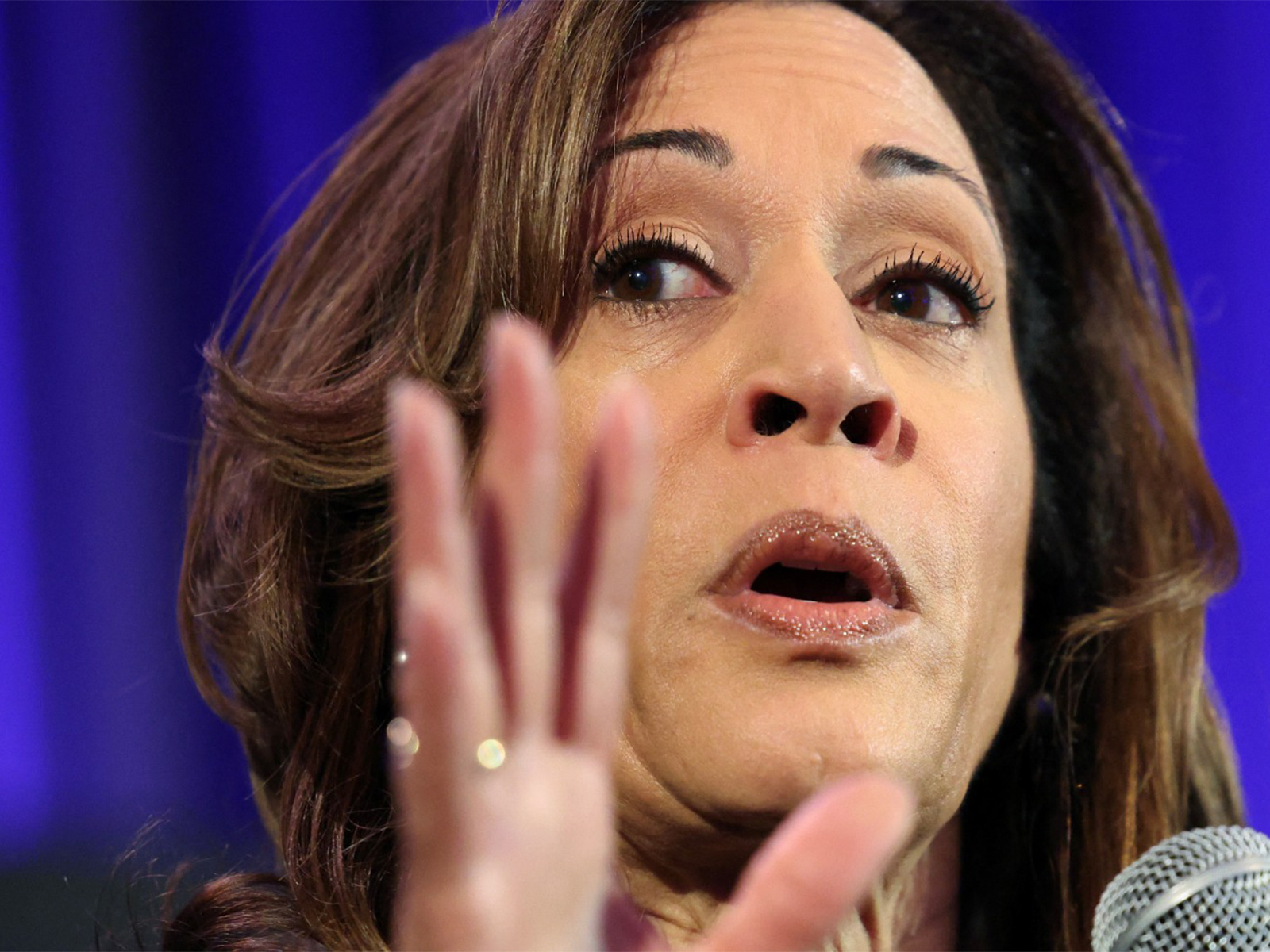
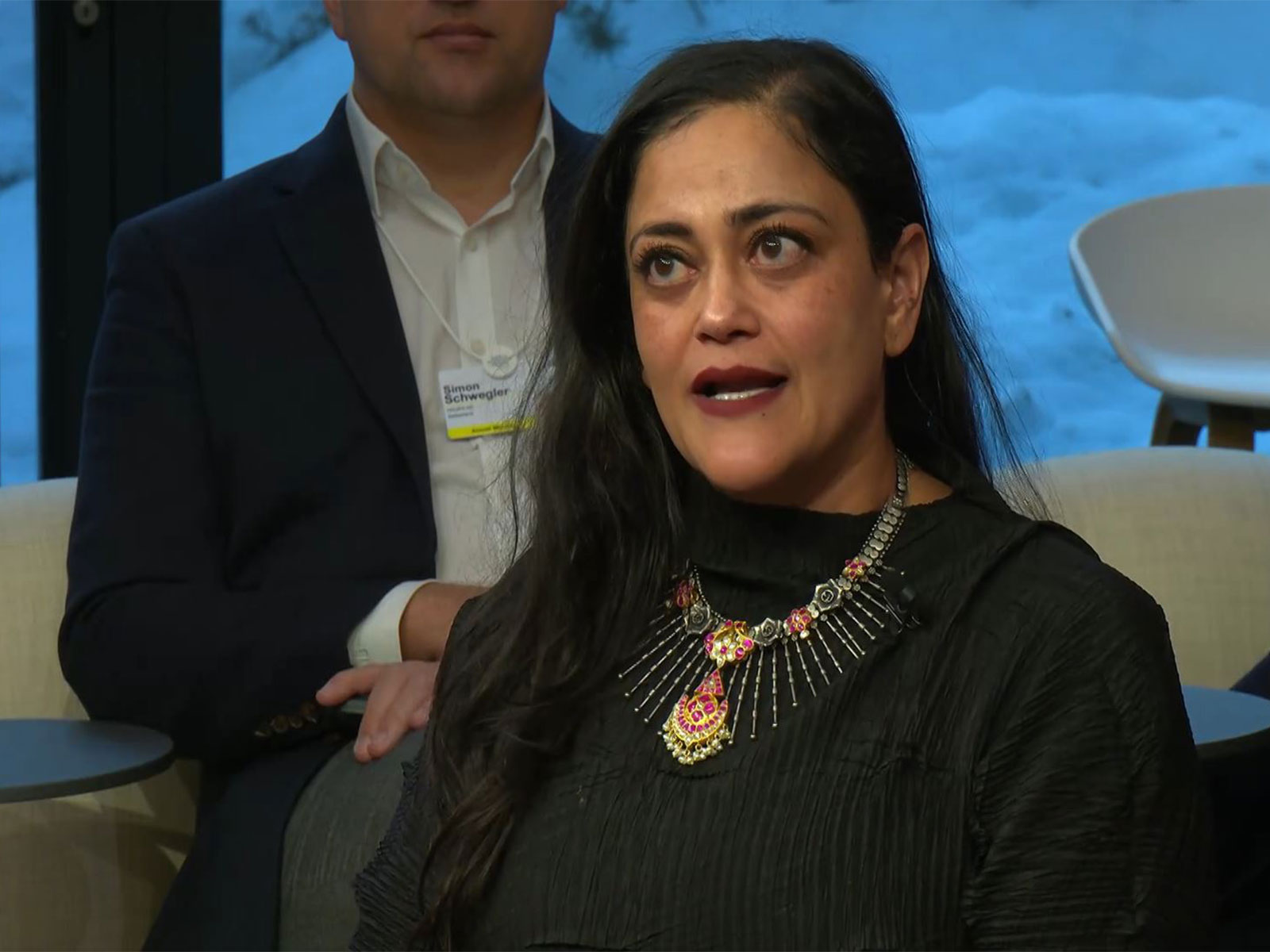
Davos [Switzerland], January 23 : Executive Editor-in-Chief India Today Group Kalli Purie has reflected on the shifting cultural and linguistic balance within Indian newsrooms, emphasizing the importance of adapting to social change while maintaining journalistic responsibility.
"You know, everyone always wants more, and I would obviously like even more freedom to do more things. But I think that we have to work within a cultural context. In the end, media are observers, and we are front row to history being made. We can't just go around giving our own opinions on things. There is space for that, obviously, and we have that, but that's a mix in the bigger picture," she said.
"So, if you're serving a plate of food, every bit has a section, and opinion does, but a lot of the time we're observing society. And sometimes, maybe that doesn't align with the way you have been educated or what was the norm earlier, especially in times of change. And it's very important for newsrooms to be open to that change," she added.
Commenting on this, Opinion columnist at The New York Times, Brett Stevens said, "I mean, I would make two points. The first, and maybe this is almost too obvious to mention, the fourth estate is in transition, driven by first and foremost technological changes, but also by a changing set of ideas both within and without media as to what the media should do, how it ought to perform its tasks, whom it should serve. But the second point, and I should add I'm speaking for myself, not my distinguished employer, is that I think that generally speaking, the media is in decline. And it's in decline in the most important metric, which is trust," he said.
"The Gallup organization for I think well over 40, if not 50, years has taken a poll in trust in institutions. The trust in newspapers, those who express I think great trust in newspapers is at 18 per cent, something like that. Trust in television news media, if this is some solace to us newspaper people, is 11 per cent. The distrust is very high," he added.
However, Executive Director of the Lancet Countdown, Mariana Romanello, had a slightly different perspective on this. She said, "Yeah, well, it depends, right? I think understanding points of view and understanding where people come from is always useful, and I think we do need to be very transparent about differences of opinion and how we source our information, and that is crucial."
Highlighting the role of language in shaping power structures within Indian media, Purie pointed to the India Today Group's bilingual newsroom as a key strength during a period of transformation.
"We've been very lucky in the India Today Group because we have a bilingual newsroom. So we have an entire Hindi, which is the local, main local language, and English, and we have newsrooms of both sides."
The comments addressed a broader shift in Indian media, where Hindi-language journalists have moved closer to the center of influence, challenging long-standing dominance by English-speaking, elite-educated professionals.
"So as there's been a little bit of a change in balance in India, where Hindi as a language and people who were restricted or their talents were restricted because of language came up, and the English-educated, English-speaking journalists and media felt a little bit more disempowered, we had a good balance. Because we had the Hindi journalistic community sort of take more of a central role. And I've seen that change in my own newsroom."
Describing the transformation as significant and largely positive, she concluded, "So that change has happened in India, and I think it's been quite phenomenal."