Meghalaya HC upholds five-year blacklisting of Highway contractor over corruption findings
Jan 06, 2026
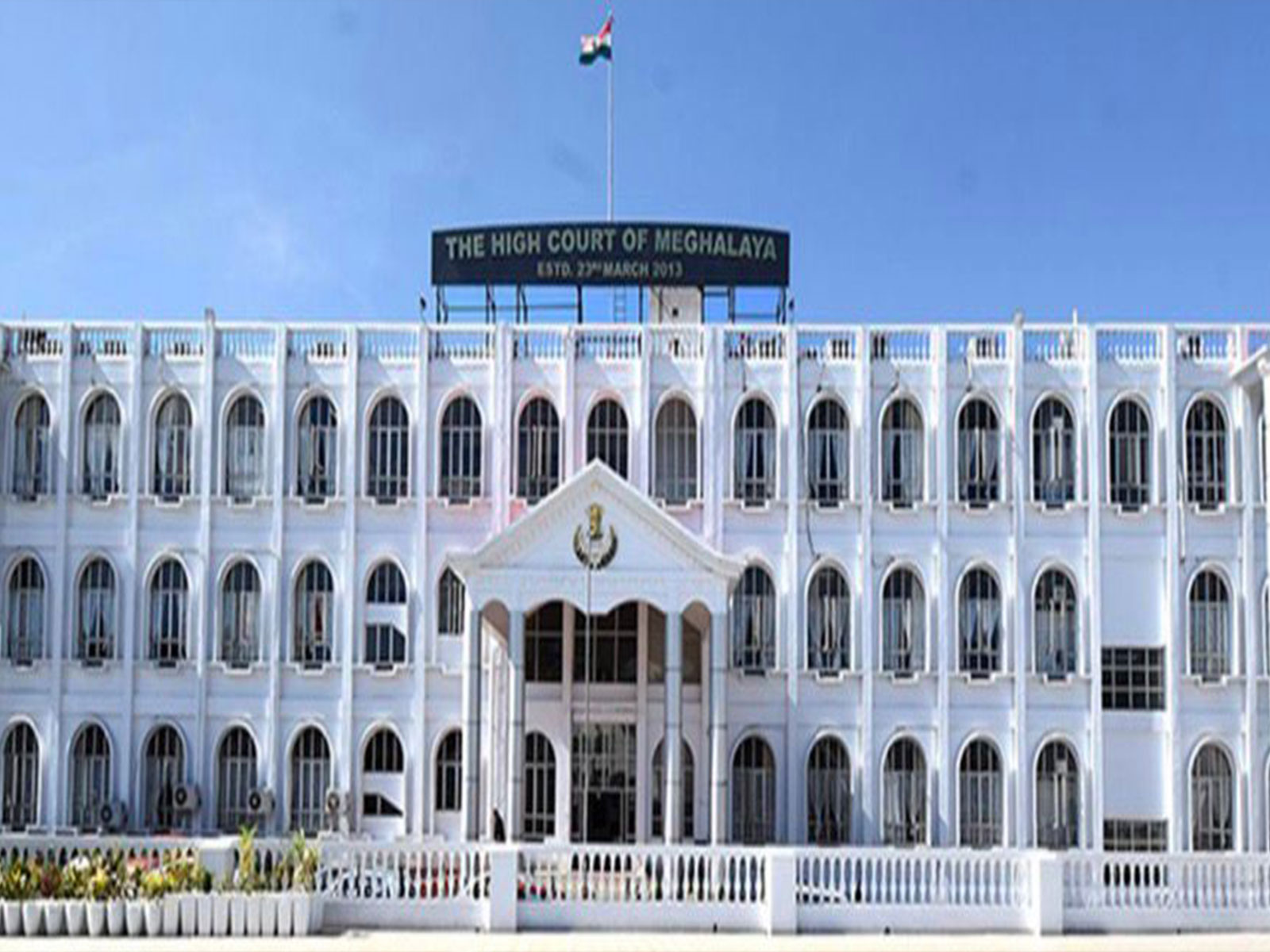
New Delhi [India], January 6 : The High Court of Meghalaya has dismissed writ petitions filed by the JV of M/s BSCPL Infrastructure Ltd and M/s C&C Constructions challenging its blacklisting by the Public Works Department (Roads), Government of Meghalaya, affirming the five-year debarment imposed on the contractor from participating in future tenders.
A Single Judge Bench of Justice H. S. Thangkhiew held that the impugned action was lawful, proportionate, and taken in the larger public interest, finding no violation of principles of natural justice or lack of authority on the part of the State.
The case arose from a major highway project involving two-laning works on NH-44E and the Nongstoin-Rongjeng-Tura road, awarded to the petitioner in 2011 at a bid value of Rs. 1,303.83 crore.
The project saw multiple revisions due to additional works and price adjustments, raising the cost to over Rs. 2,400 crore. Disputes later surfaced between the parties regarding contractual claims, which were referred to arbitration.
During arbitral proceedings, the State scrutinised M/s BSCPL's ledger documents submitted by the contractor to support its claims. These records, according to the Government, disclosed repeated payments for costly gifts, liquor, hospitality, and other benefits allegedly extended to public officials, engineers and also the Dispute Resolution Board members, among others, which irrefutably substantiated M/s BSCPL's indulgence in outright and rampant corruption.
The PWD then issued a show-cause notice in September 2024, followed by an order dated December 3, 2024, debarring the contractor for five years on the grounds of corrupt and fraudulent practices.
The petitioner challenged the decision, contending that the action was mala fide, delayed, unrelated to the contract, and taken to prejudice ongoing arbitration proceedings.
The State alleged that the BSCPL-C&C JV has already received Rs. 2523 Crores as total payments apart from Rs. 94 Crores based on the Arbitral Tribunal's order due to admission of claims by the Engineer.
It was alleged that materials revealed the adoption of a systematic approach of extending illegal gratification on a regular basis to various officials, DRB members, and MoRTH officials, for which reimbursement was sought from the Arbitral Tribunal.
Rejecting the Writ Petition, the Court noted that the power to blacklist flows both from contractual provisions, particularly Clause 59.2(h) of the General Conditions of Contract dealing with corrupt practices during execution and from the State's inherent right to choose with whom it will contract.
The Court observed that the show cause notice sufficiently detailed the allegations and that the petitioner had been afforded a fair opportunity to respond.
Significantly, the Court relied on findings recorded by the arbitral tribunal, which had examined the same ledgers and concluded that the FIR was registered on the materials that were available, which, prima facie, validated the allegations of illegal gratification. The Court held that these materials constituted credible and substantive evidence, not mere suspicion or hearsay.
On the question of proportionality, the Court ruled that a five-year debarment could not be termed excessive given the scale of the project, the magnitude of public funds involved, and the serious nature of the misconduct alleged. Emphasising that public interest must prevail over private commercial considerations, the Court found no grounds to interfere under Article 226 of the Constitution.