MGNREGA was transformative law, new scheme is flawed: Congress leader Jairam Ramesh
Feb 02, 2026
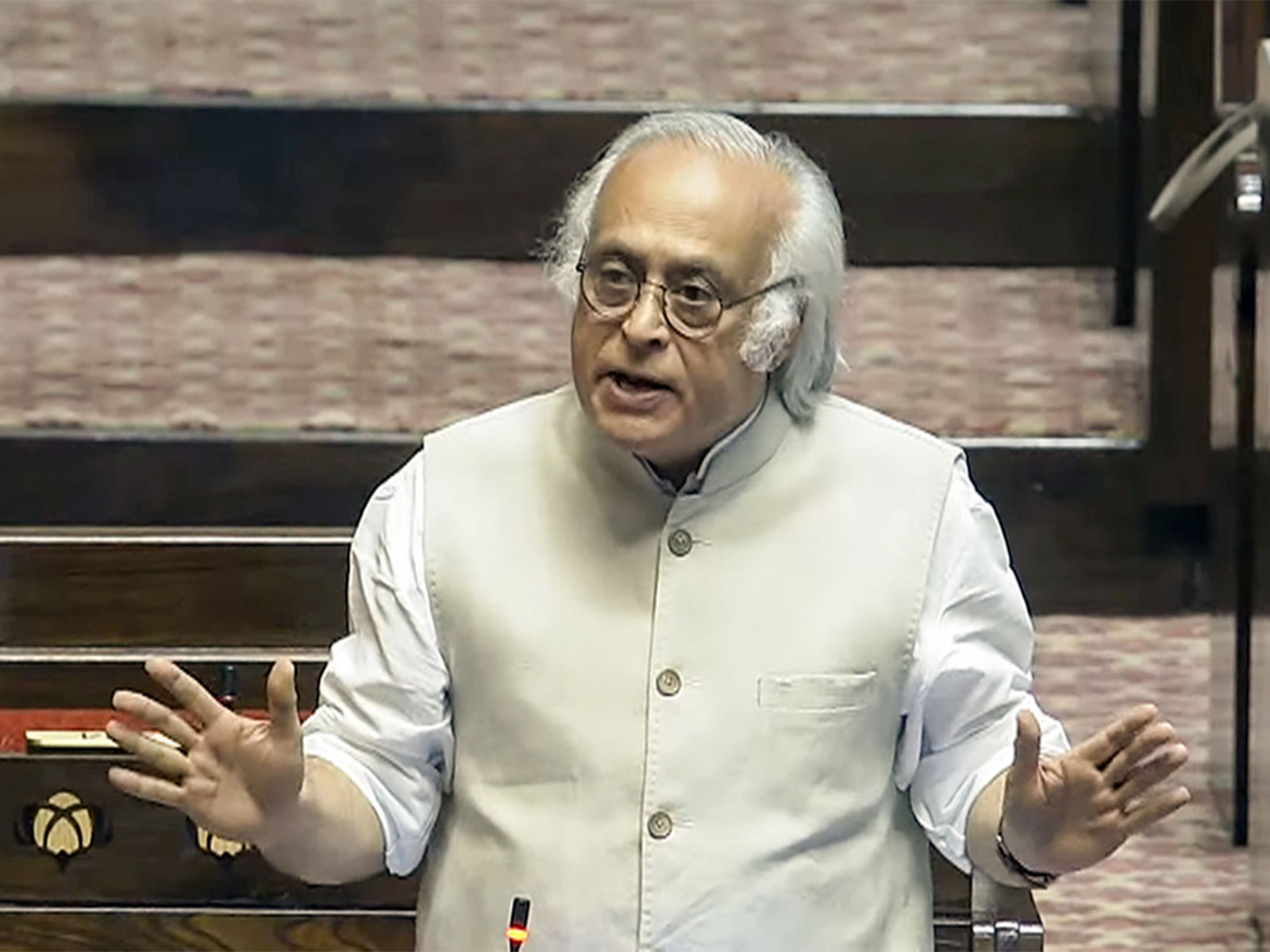
New Delhi [India], February 2 : Congress leader Jairam Ramesh on Monday reiterated his tirade against the VB-G RAM-G Act, on the 20th anniversary of MGNREGA, saying that the "new law guarantees only centralisation in New Delhi."
In a post on X, Ramesh lauded MGNREGA as a "transformative law" and called the new scheme "a flaw."
"MGNREGA as a transformative law, the Modi Govts's new scheme that bulldozed it away is a flaw," he wrote.
The Congress leader shared a photograph from 20 years ago, when the scheme was launched, of Cheemala Pedakka, a Dalit woman from Badnapalli, Andhra Pradesh, who became the first job card holder under MGNREGA.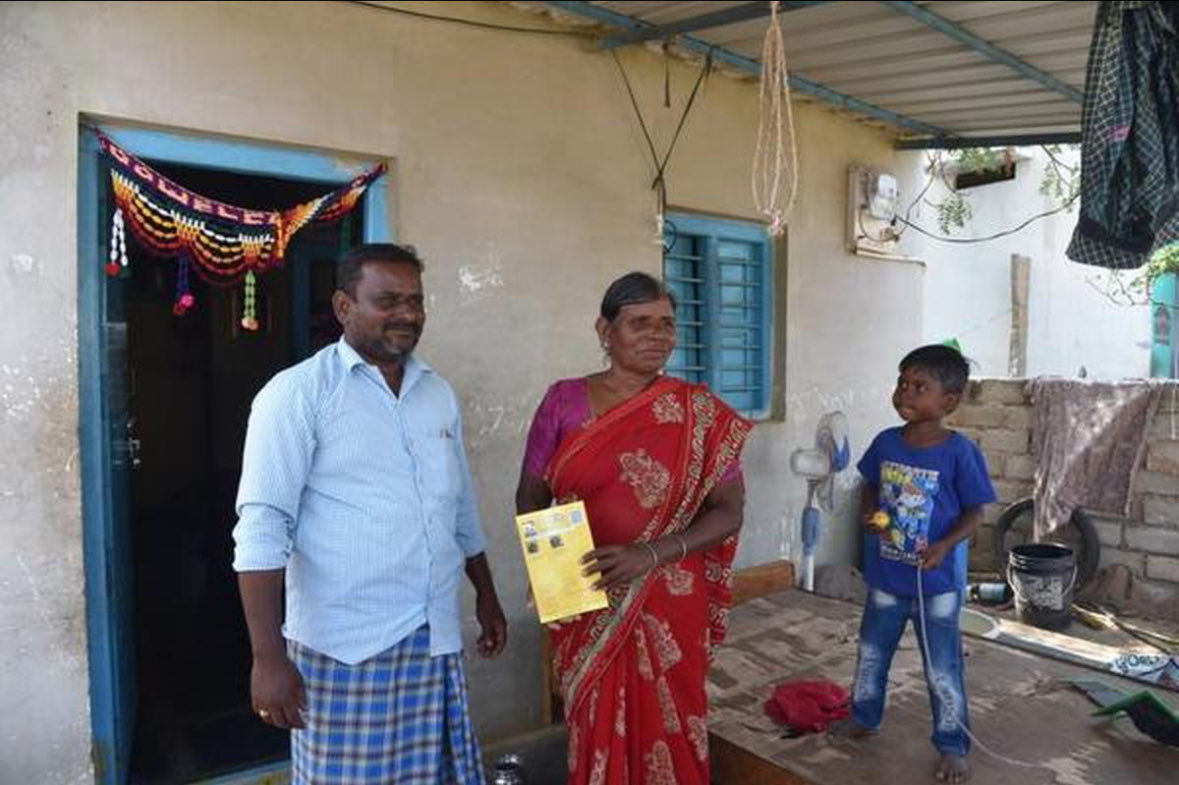
Ramesh highlighted the scheme's accomplishments, including providing employment to 180 crore households, reducing migration, empowering gram panchayats, increasing bargaining power to secure higher wages and direct benefit transfer initiatives. He further called the act a "demand-based LEGAL guarantee," noting that it empowered the Gram Panchayats to decide the project and reduced financial pressure on the State Government, benefits that he stated the new scheme does not provide.
"Exactly 20 years ago today, MGNREGA was launched at Badnapalli village in Anantapur district of Andhra Pradesh. Over the years, it has provided 180 crore days of work to rural households (especially women), created an estimated 10 crore community assets, significantly reduced distress migration, empowered gram panchayats, and decisively increased the bargaining power of the rural poor for higher wages. It also launched the direct benefit transfer initiative to credit wages directly into bank and post office accounts. Individual small and marginal farmers were able to establish irrigation facilities like dug wells on their own lands," Ramesh wrote in the post.
"MGNREGA was a demand-based LEGAL guarantee--not just an administrative promise. It was a right derived from Article 41 of the Constitution. Work was allocated when demanded by citizens and was made available anywhere in rural India. Projects were decided upon by the local Gram Panchayat, and the State Government - having to pay only 10% of the overall costs - was incentivised to provide work without having to bear significant costs. Social audits through the Gram Sabha and high-level audits through the CAG were conducted regularly," he added.
Furthermore, he criticised the BJP-led Central government's VB-G RAM-G Act, noting its shortcomings, including the centralisation of work, the absence of freedom to demand work, the lack of negotiation for better wages, and the increased financial burden on state governments.
"The Modi Government's new law guarantees only centralisation in New Delhi. Work will now be notified in certain districts by the Modi Government. Work will be provided based on the Government's allocated budget rather than on citizen demand. The scheme will stop altogether for two months every year during peak agricultural activities - a big blow to workers' bargaining power who won't be able to negotiate better wages for agricultural work. The Panchayat has been sidelined, and projects will be determined by the Modi Government according to its priorities. Finally, states will now have to bear 40% of the costs - given their financial stress, they will not be able to do so and will stop providing work altogether," the Congress leader noted.
The Viksit Bharat-Guarantee for Rozgar and Ajeevika Mission (Gramin) (VB-G RAM G) Act, 2025 is a new central legislation passed in December 2025 that replaces the Mahatma Gandhi National Rural Employment Guarantee Act, 2005 (MGNREGA).