Middle East conflict raises stagflation risks for global economy, Asia, Europe more vulnerable: Report
Mar 17, 2026
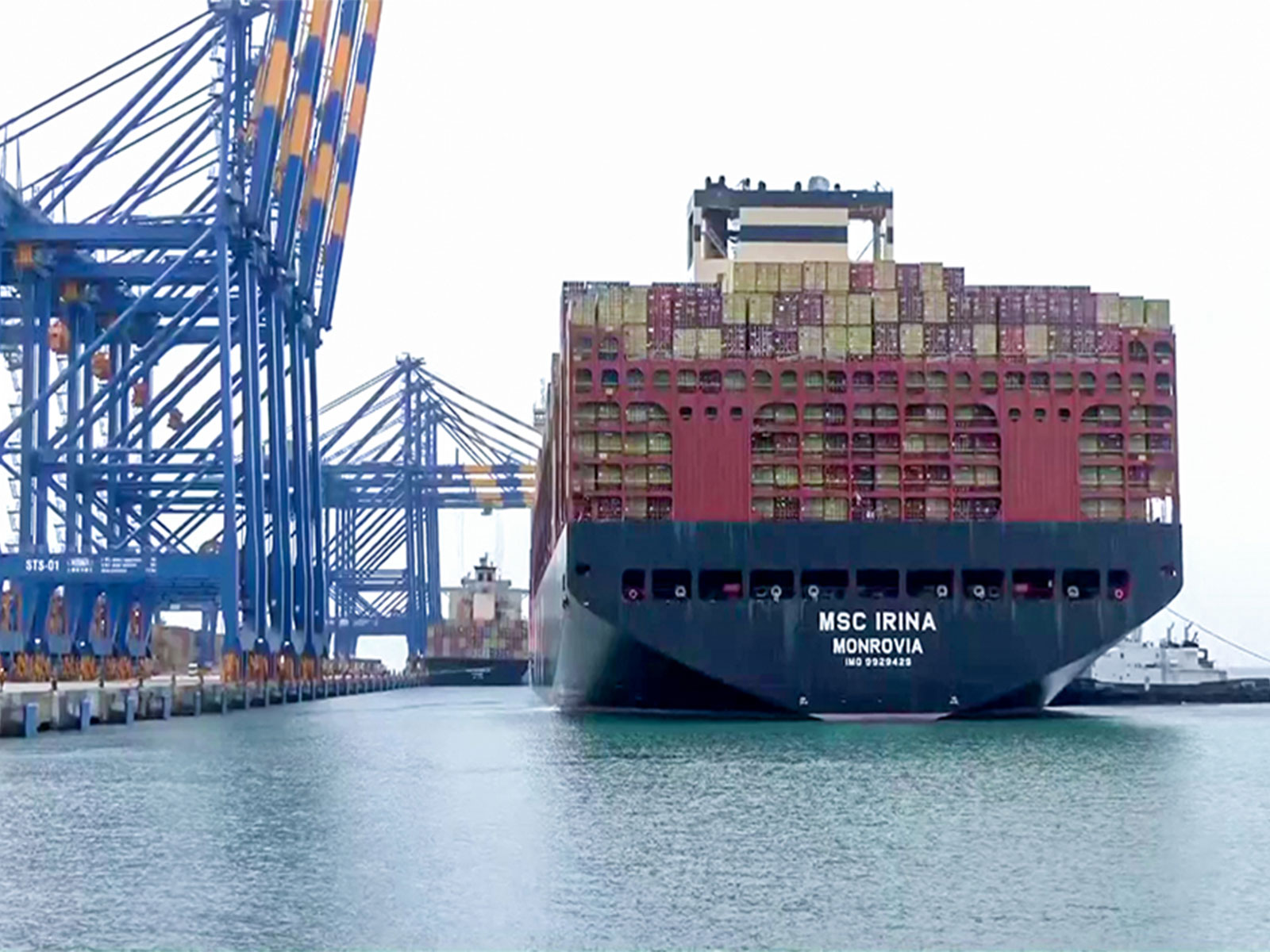
New Delhi [India], March 17 : The ongoing conflict in the Middle East and the effective closure of the Strait of Hormuz since the start of March have introduced a stagflationary risk to the global economy, according to a report by Fidelity International.
The report highlighted that the situation has now moved beyond mere market fears to actual supply constraints.
"The Strait of Hormuz being effectively closed since the start of March means that the mechanism has shifted from headline fear to physical constraint," it said, highlighting the seriousness of the disruption.
A prolonged disruption in the Strait is expected to create a supply-side shock, leading to higher inflation and weaker economic growth globally.
The report noted that such a scenario would result in "higher headline inflation via higher energy/commodity prices and negative growth via real income compression, tighter financial conditions, and margin pressure."
It further pointed out that the impact would not be evenly distributed across regions. Import-dependent economies are likely to face a sharper blow due to adverse trade dynamics.
"Europe and Asia will take a heavier hit with the US relatively insulated," the report stated, highlighting the vulnerability of regions dependent on energy imports.
Additionally, the report cautioned that even after the conflict subsides, the economic effects may persist.
"The 'day after' is not a clean revert, oil is likely to carry a durable premium in the near future," it said, indicating sustained pressure on global energy prices.
This trend aligns with its broader outlook of increasing global fragmentation, described as a "medium-term scenario framework of 'strategic fragmentation'."
On the policy front, the report suggested that governments and central banks may respond quickly if risks continue.
It expects "a swift policy response focused on affordability ahead of the mid-term elections," particularly in major economies.
The report also maintained its outlook for monetary easing in the United States, stating, "We continue to expect a dovish Fed with two more cuts in H2 2026 given a higher inflation tolerance."
It added that current conditions differ significantly from earlier periods, noting that "policy is still in restrictive territory and the labour market is much weaker compared to 2022," which may influence central bank decisions.
The report also highlighted that Asia, while more exposed to the supply shock, has some buffers to manage the situation.
"Asia is more vulnerable to the supply shock, but the region is prepared in terms of policy room and reserve buffers," the report said.
However, it cautioned that the duration of the conflict will remain a key factor in determining economic outcomes.
"The duration of the war will have significant implications on growth," it noted, adding that fiscal easing measures are expected to be used to offset some of the near-term economic headwinds.
Overall, the report highlighted that the evolving geopolitical situation could have lasting implications for global inflation, growth, and policy direction.