Middle East war disrupting energy supplies, affecting multiple sectors in India: PHDCCI CEO
Mar 11, 2026
By Kaushal Verma
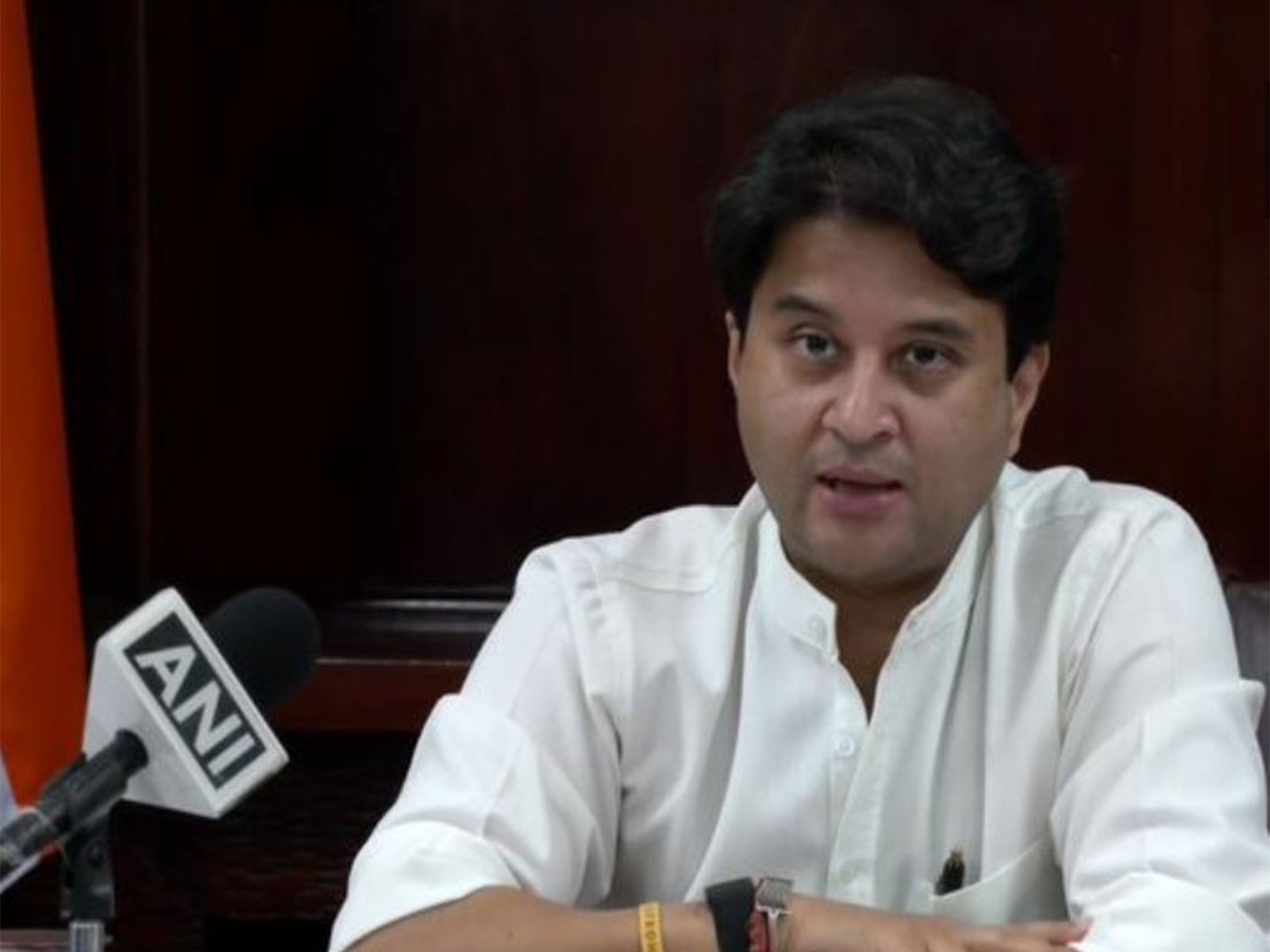
New Delhi [India], March 11 : The ongoing war in West Asia is disrupting global energy supply chains and creating challenges for several sectors in India, including industries dependent on gas and port-based trade, Ranjeet Mehta, CEO and Secretary General of the PHD Chamber of Commerce and Industry (PHDCCI), told ANI today.
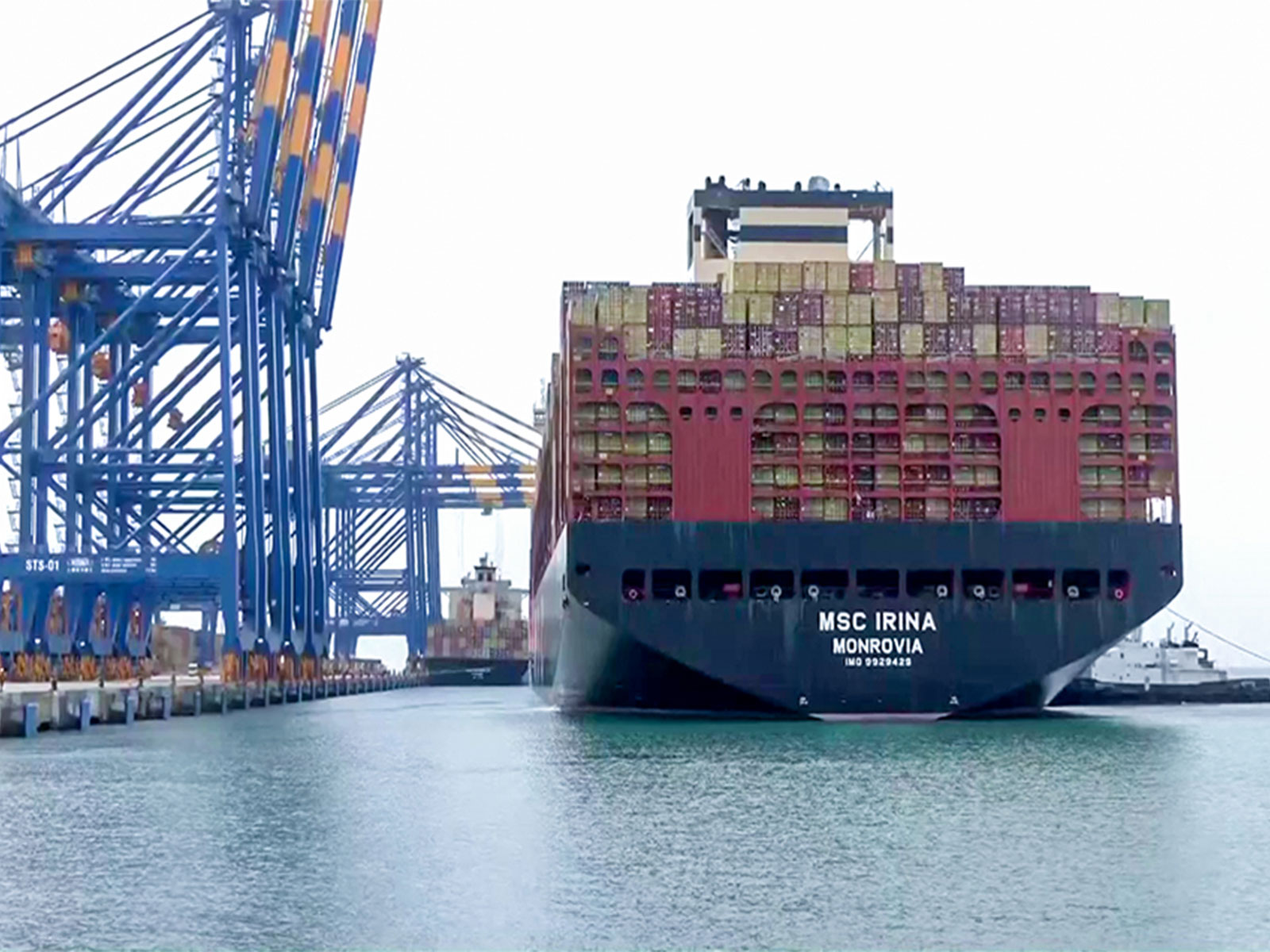
"Any war brings a lot of disruptions in our normal life, and this war is definitely affecting our energy security. We have seen that it is affecting all the sectors. There is chaos in ports and many businesses which are dependent on gas supply are also facing challenges as the supply of gas is affected," Mehta said.
The disruption comes as tensions in the Middle East have affected global energy markets, logistics networks and shipping routes, creating uncertainty for importing countries such as India that rely significantly on overseas energy supplies.
Mehta said India has already begun sourcing natural gas from alternative suppliers to cushion the immediate impact of the disruption.
"The government has taken very proactive steps. We have already started purchasing gas from countries like the United States, Australia and Mozambique. I think it may take around two to three weeks for the situation to stabilise as these alternative supplies start coming in," he said.
However, sourcing gas from alternative markets could increase costs compared to traditional supplies from the Middle East.
"When we import gas from the United States, Australia or other sources, the price per MMBTU will definitely be higher compared to supplies from the Middle East. It will add to our import bills, but at the same time we cannot really do without energy," Mehta said. Energy costs could have a broader economic impact, including pressure on inflation and trade.
Global crude oil prices have already surged amid the crisis, with prices crossing the $90 per barrel mark, compared to levels of around $60-$65 earlier, while at one point touching close to $117 per barrel, he noted.
"Anything above $90 per barrel is definitely a matter of concern not only for India but for the entire global economy, because higher energy prices increase the cost of production, transportation and logistics," Mehta said.
The disruption in gas supplies is also raising concerns for sectors such as fertilizers, which rely heavily on natural gas as a key input.
"There are concerns regarding fertilizer availability as gas supply disruptions can affect production. With the Kharif season approaching, this is something that needs close monitoring, although we believe the government will be able to manage the situation," he said.
According to Mehta, the crisis is also affecting imports and exports more broadly, including pharmaceutical trade and other goods, as shipping and logistics costs rise due to higher energy prices.
"Import and export activities are getting affected due to the crisis in West Asia. As energy prices increase, shipping costs also go up, which ultimately makes trade more expensive and creates inflationary pressures," he added.
Despite the immediate challenges, Mehta said India is working toward reducing its dependence on imported fossil fuels by expanding renewable energy capacity.
"In the long run, to become fully energy secure, we will have to move more towards renewable energy. The government has already laid out a roadmap to achieve around 500 gigawatts of renewable energy capacity by 2030," he said.
He added that while the current disruptions may pose short-term challenges, diversification of energy sources and expansion of renewable energy could help strengthen India's energy security in the long run.