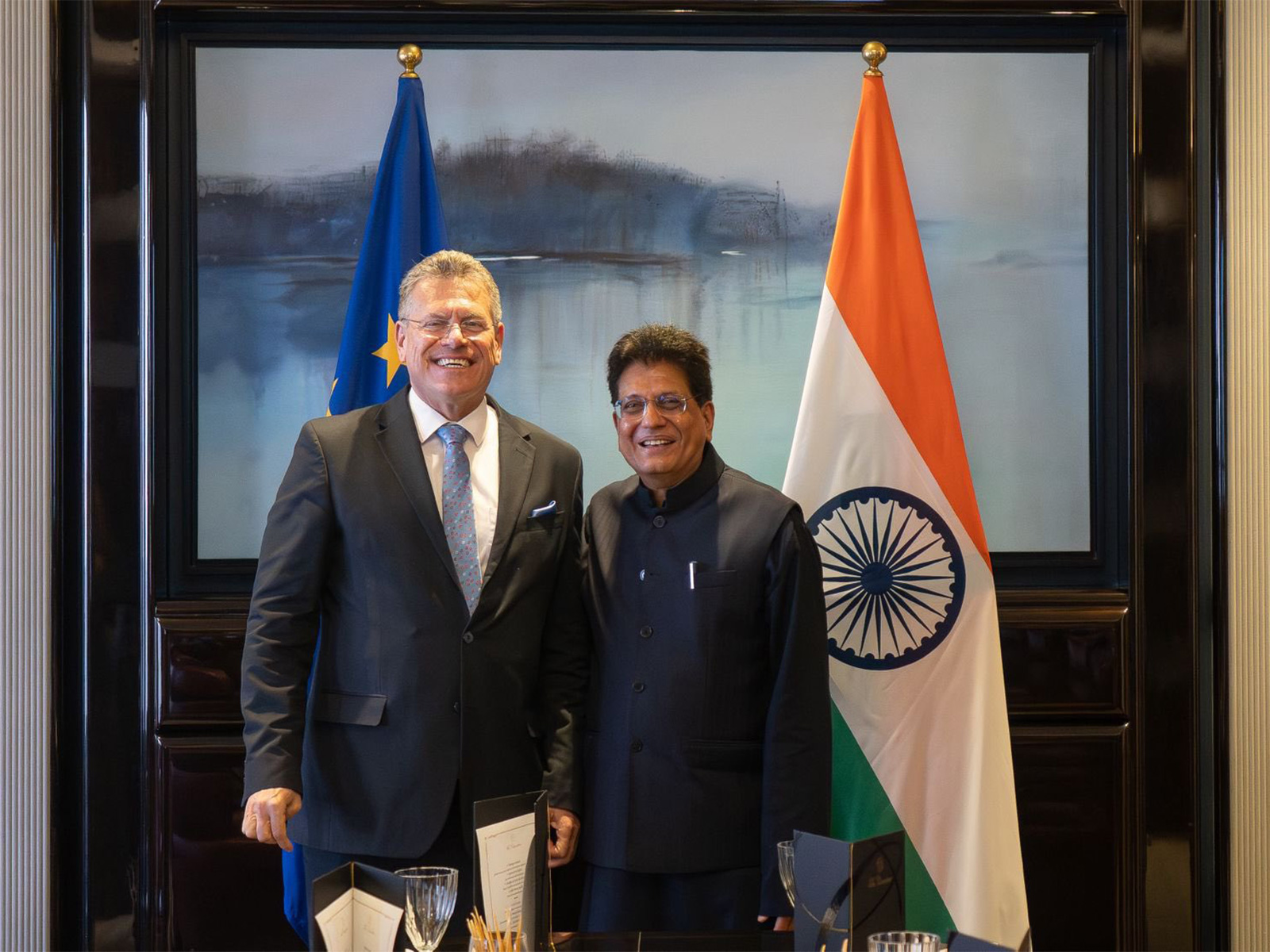
"Milestone deal, will enhance bilateral trade and investment," India-EU hail conclusion of FTA
Jan 27, 2026
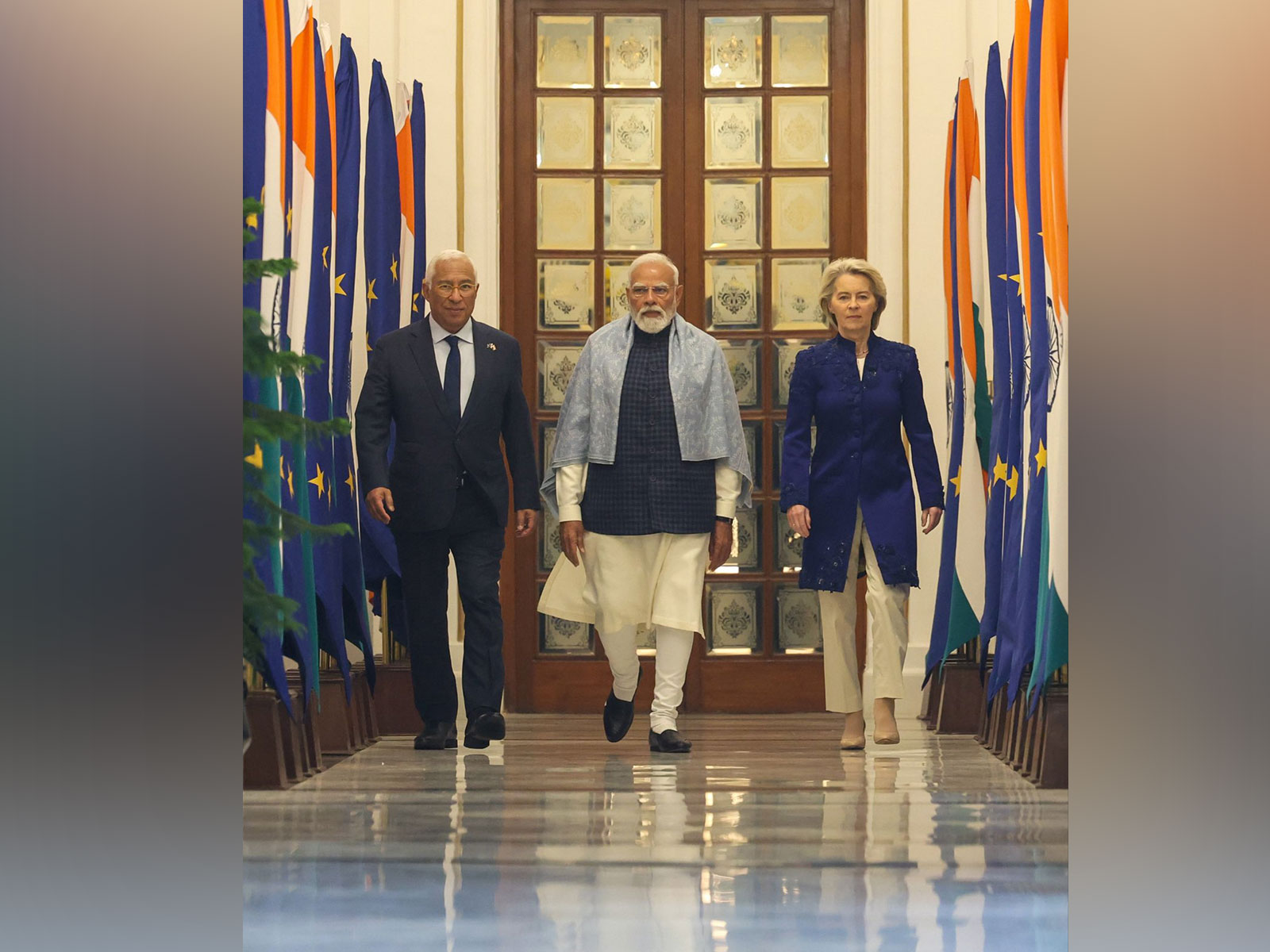
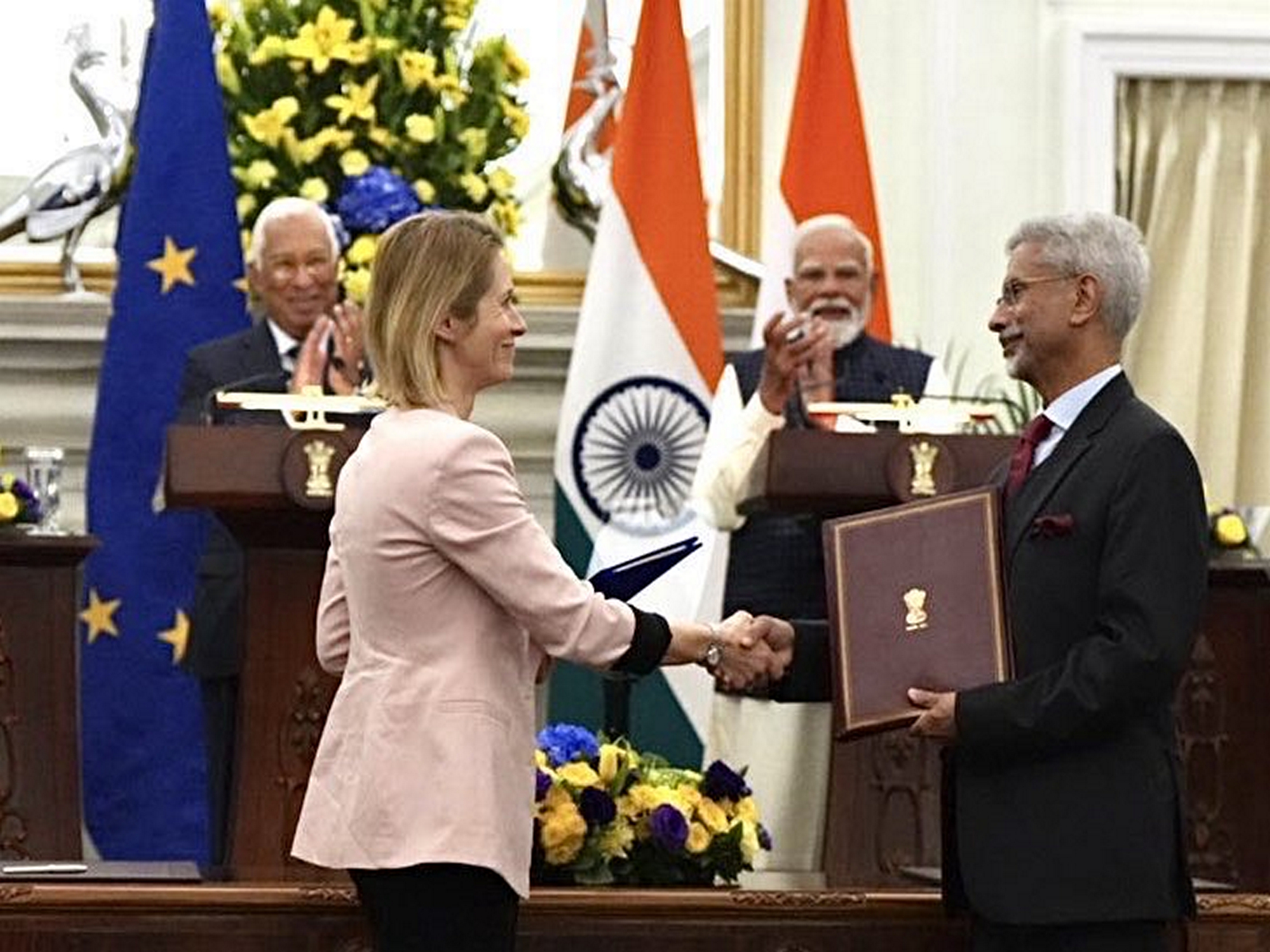
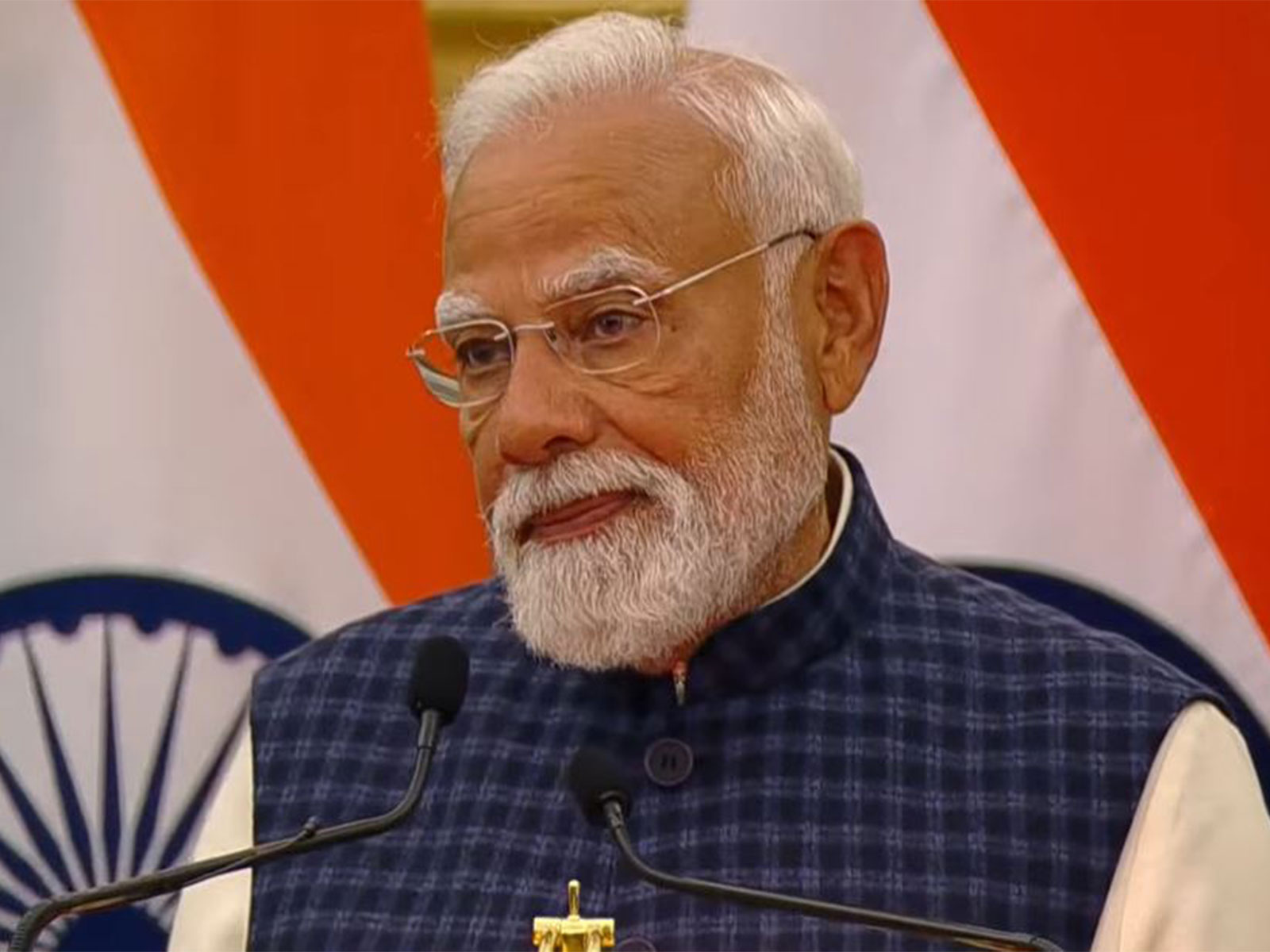
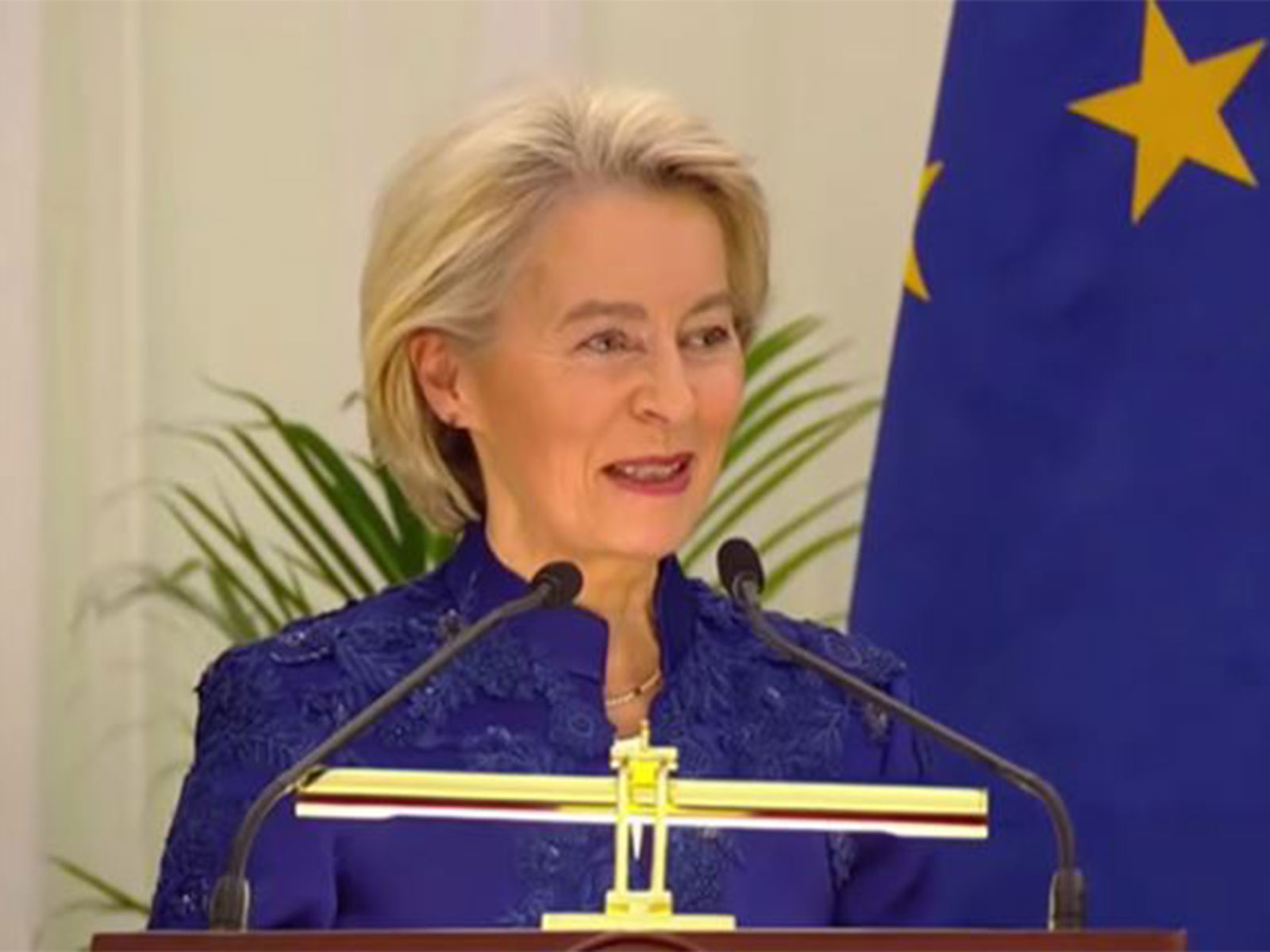
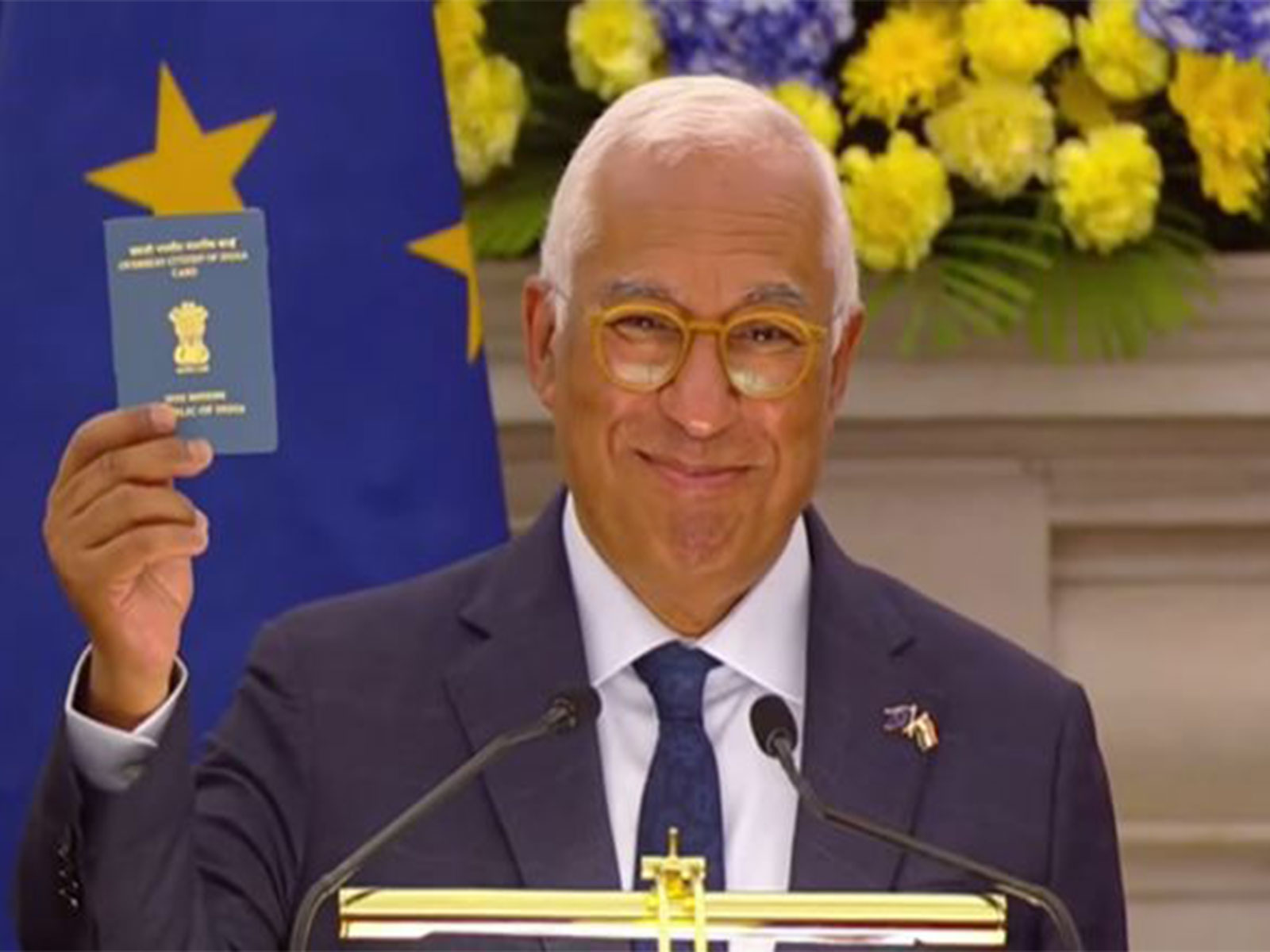
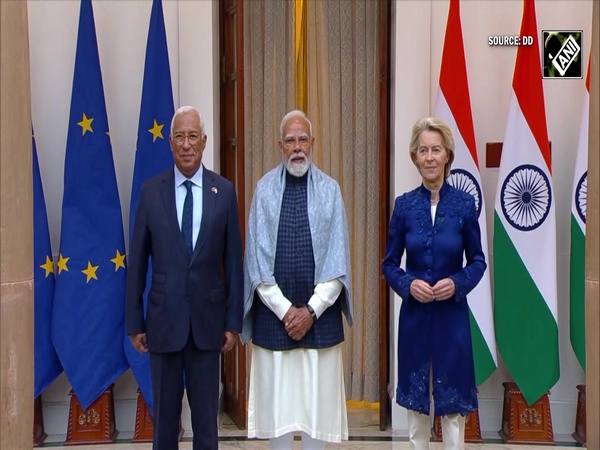
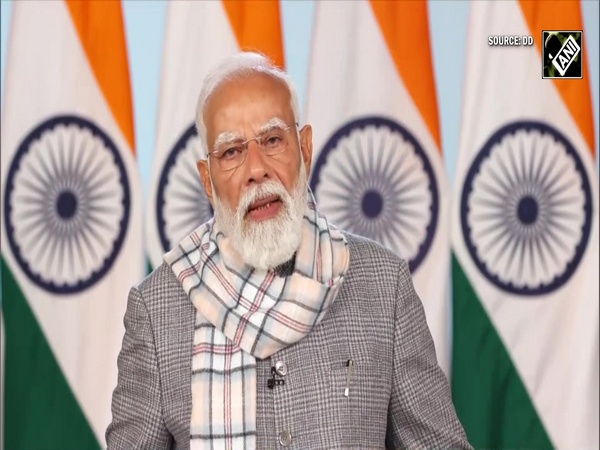
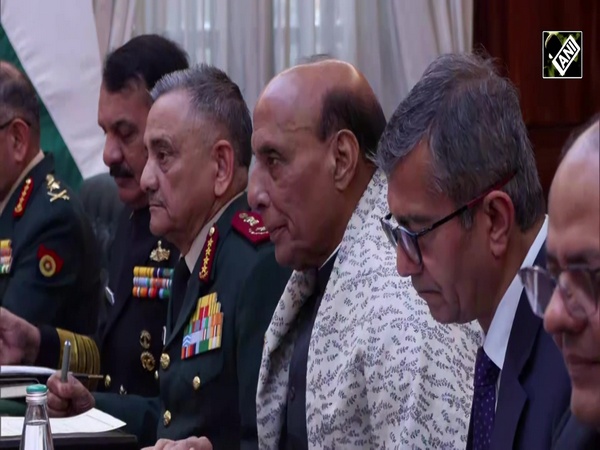
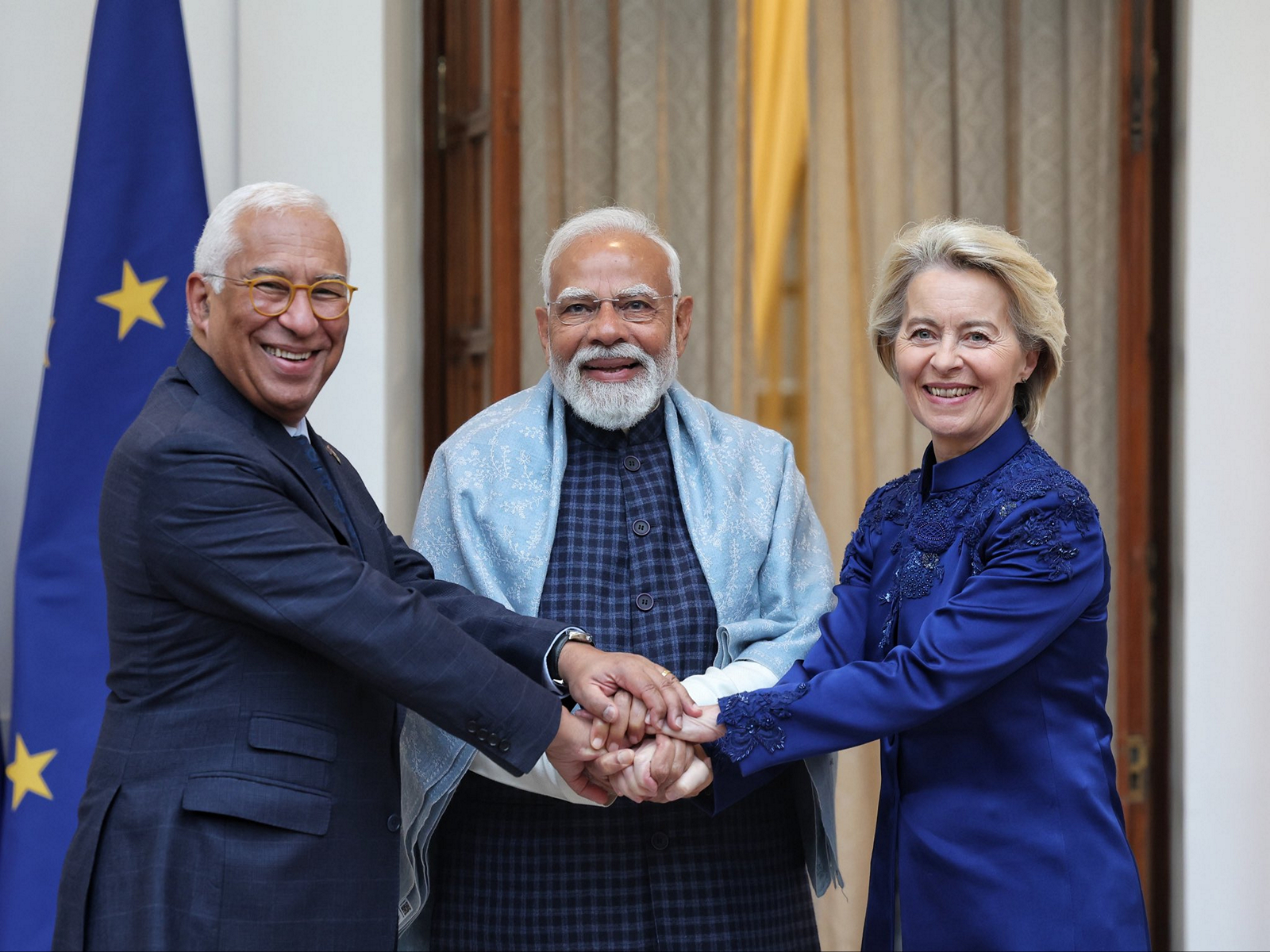
New Delhi [India], January 27 : Prime Minister Narendra Modi along with President Antonio Costa and President Ursula von der Leyen co-chaired the 16th India-EU Summit in New Delhi on Tuesday and underlined their commitment to raise the India-EU Strategic Partnership to a higher level based on shared values and principles including democracy, human rights, pluralism, rule of law, and the rules-based international order with the UN at its core, said a joint statement by India and the EU.
The leaders commended progress on the 'India-EU Strategic Partnership: A Roadmap to 2025'. The two sides reiterated their determination to further reinforce their strategic partnership, delivering tangible benefits for both sides. The Summit took place against the backdrop of the positive momentum in India-EU relations in recent years, and sustained high-level engagement across all domains.
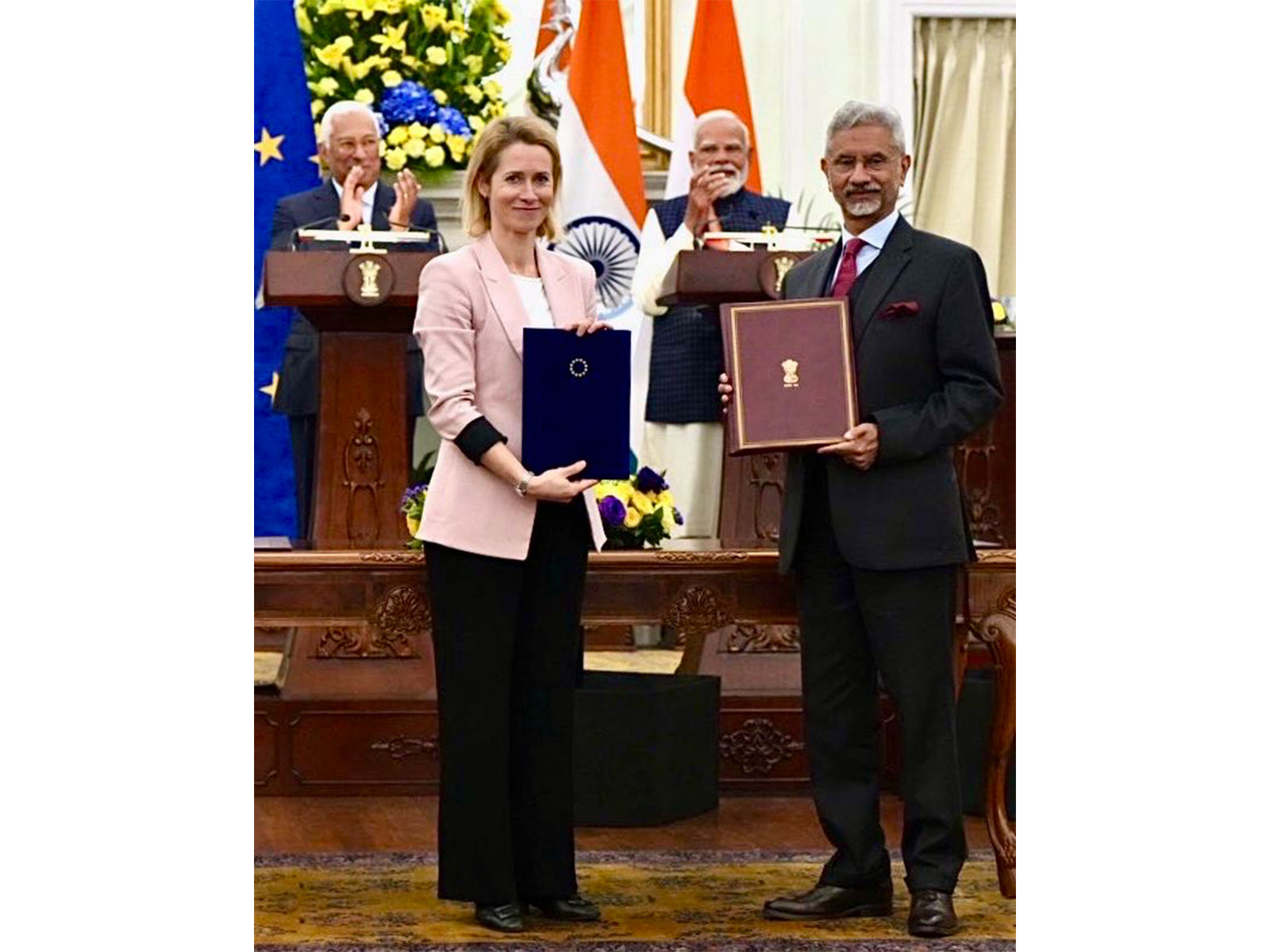
The leaders hailed the successful conclusion of negotiations of the landmark India-EU Free Trade Agreement (FTA). This historic deal is a milestone in the India-EU Strategic Partnership that will significantly enhance bilateral trade and investment ties, drive shared prosperity, strengthen resilient and diversified supply chains, and support sustainable and inclusive growth.
The two sides reaffirmed their commitment to this vital pillar to strengthen trade linkages and investment avenues, and to enhance global supply and value chains.
Hailing the India-EU Free Trade Agreement as a historic milestone in the strategic partnership, the statement called for its timely implementation to further unlock immense opportunities as a driver of shared prosperity and resilience.
The joint statement included the conclusion of an Investment Protection Agreement to provide a high, predictable standard of protection for investors on both sides and to promote investment in selected high-growth and future-oriented sectors.
There was also a conclusion of an Agreement on Geographical Indications to ensure effective protection of iconic products and boost trade opportunities.
Following the conclusion of a Memorandum of Understanding on supervisory cooperation between the European Securities and Markets Authority and the Reserve Bank of India, regulatory cooperation on financial services was also enhanced, including the establishment of a structured Regulatory Dialogue on Financial Services.
The joint statement also emphasised deepening and broadening EU-India customs cooperation and also to strengthen the bilateral EU-India Macroeconomic Dialogue.
The statement also said that there is an agreement to scale up Team Europe Global Gateway investments in and with India, with the European Investment Bank (EIB) as a key partner.
The two sides agreed to strengthen supply chains and economic security, jointly assess external vulnerabilities and strategic trade opportunities. and expand collaboration in strategic value chains.
India and EU will continue to engage in discussions on Blue Valleys for selected strategic value chains to accelerate private sector engagement through investment facilitation, standard alignment, and structured business collaboration.
The two sides undertook to implement the EU-India Semiconductor Memorandum of Understanding, strengthen the resilience of semiconductor supply chains and promote mutually beneficial collaboration in research and development for chip design, heterogeneous integration, sustainable semiconductor technologies and technology development for semi-conductor manufacturing.
The joint statement called to develop further cooperation to scale up climate action in the light of national circumstances, including in all relevant energy sectors. Deepen collaboration, including through a joint reflection paper, on early warning systems for active pharmaceutical ingredients, contingency planning in agrifood supply chains, and to advance bio-manufacturing and other areas of biotechnology. Cooperate with the aim of developing resilient, secure and diversified critical minerals supply chains for energy transition and sustainable industrial ecosystems.
The joint statement also emphasised the agreement to strengthen cooperation under the India-EU Clean Energy and Climate Partnership, including through energy technologies, smart grids, storage, electricity sector regulation, energy and climate diplomacy.
The two sides will reactivate the Joint Working Group on Energy Security under the India-EU Energy Panel which would inter-alia focus on dialogue on diversifying reliable and affordable energy sources and strengthen co-operation to promote energy efficiency improvement across sectors.
The two sides will organise an India-EU Wind Business Summit to foster business and expert exchanges on wind energy technologies, know-how, auction design, tendering, investment and financing, research and innovation, and testing and demonstration facilities.
They will operationalise the India-EU Task Force on Green Hydrogen to foster cooperation on hydrogen production, storage, and distribution to support efforts to decarbonise hardto-abate sectors. Explore further cooperation in sustainable mobility including Sustainable Aviation Fuels (SAF), Compressed Biogas (CBG), as well as on vehicles' energy certification methodologies, e-mobility, and electric vehicle charging standards.
The two sides will also pursue cooperation in the railway sector for the adoption of advanced rail standards focusing on High Speed, decarbonisation, digitalisation and automation of operation and Maintenance activities. Pursue cooperation to support sustainable ship recycling activities, especially through the Hong Kong Convention for the Safe and Environmentally Sound Recycling of Ships and inclusion of Indian ship recycling yards which comply with the European Union Regulation on Ship Recycling in its list of ship recycling facilities.
The two sides will deepen cooperation under the India-EU Partnership on Smart and Sustainable Urbanisation including by furthering city-to-city cooperation and exchanges as well as investments. Advance collaboration on sustainable finance instruments and corporate sustainability, including under the EU's Global Green Bonds Initiative.
The joint statement said that the two sides will work together to make power markets stronger, using tools such as contracts for
difference, smart meter insights, and offtake agreements. Team up to make offtake deals easier and share know-how on technologies like electrolysers, fuel cells, and energy storage. Cooperate on efforts towards industrial decarbonisation of heavy hard to abate energy intensive industries, including through exchanging best practices on low-carbon materials definitions such as steel and cement, while ensuring a level playing field.
The two sides will work towards sharing experiences on the design and implementation of India's Carbon Credit Trading Scheme (CCTS), and the EU's Emissions Trading Scheme (ETS) and exploring further cooperation. Deepen cooperation on climate adaptation and resilience for preventing and reducing climate risks, improving disaster preparedness and response capabilities, and strengthening infrastructure resilience, including through the Coalition for Disaster Resilient Infrastructure (CDRI). Deepen collaboration on water resilience and security within the India-EU Water Partnership through organisation of regular EU-India Joint Working Group on Water Cooperation.
The two sides will reinforce the Resource Efficiency & Circular Economy Partnership, including by establishing an India-EU Joint Working Group on Circular Economy. Further strengthen exchanges through the bilateral Dialogue on Environment and
explore options to resume the India-EU Environmental Forum to facilitate exchanges between government and business stakeholders. Support sustainable agriculture and foster sustainable agrifood systems including through establishment of an Agrifood Policy Partnership Dialogue.
The two sides undertook to advance bilateral cooperation on health including disease prevention, vaccines, preparedness, sharing of epidemic intelligence, wastewater surveillance, information and knowledge sharing and responsible data-sharing; enhance collaboration between disease control centres; and support sustainable and resilient health systems. Implement the Administrative Arrangement on cooperation in disaster risk management to strengthen cooperation through policy dialogue, technical engagement, knowledge sharing, early-warning and emergency response.