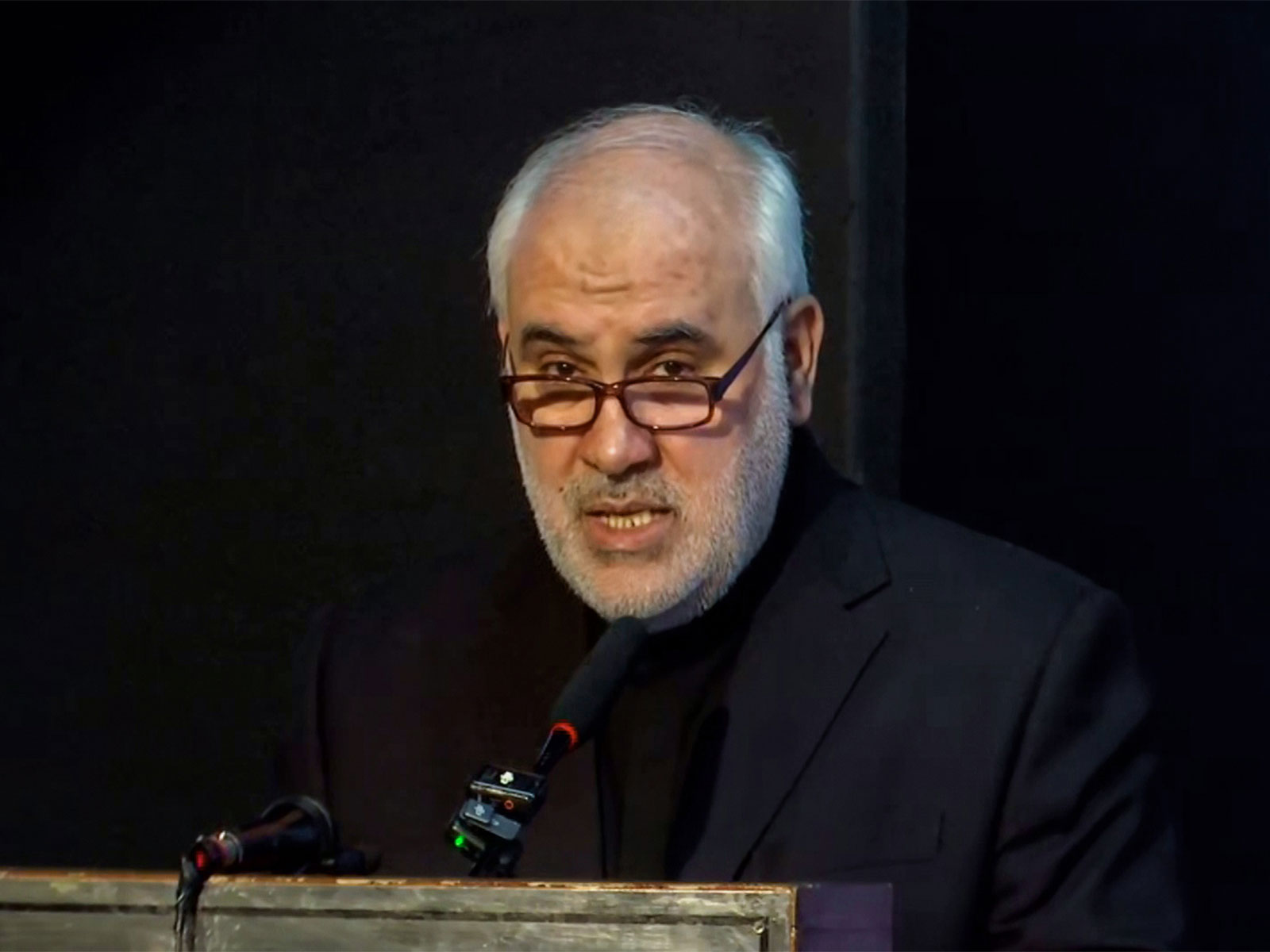
"Modern barbarism," Iranian Envoy to India slams US threats
Apr 06, 2026
By Ayushi Agarwal
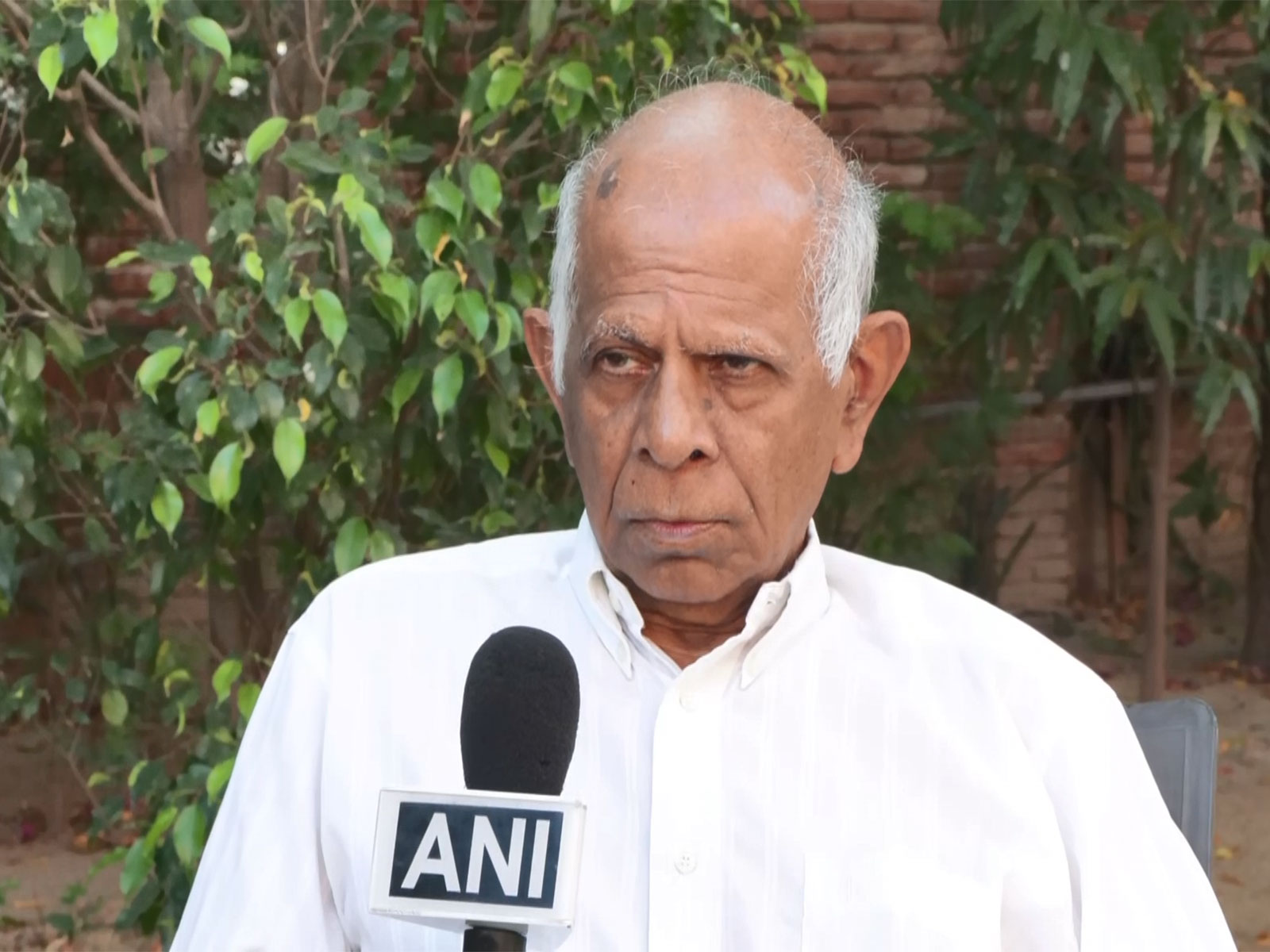
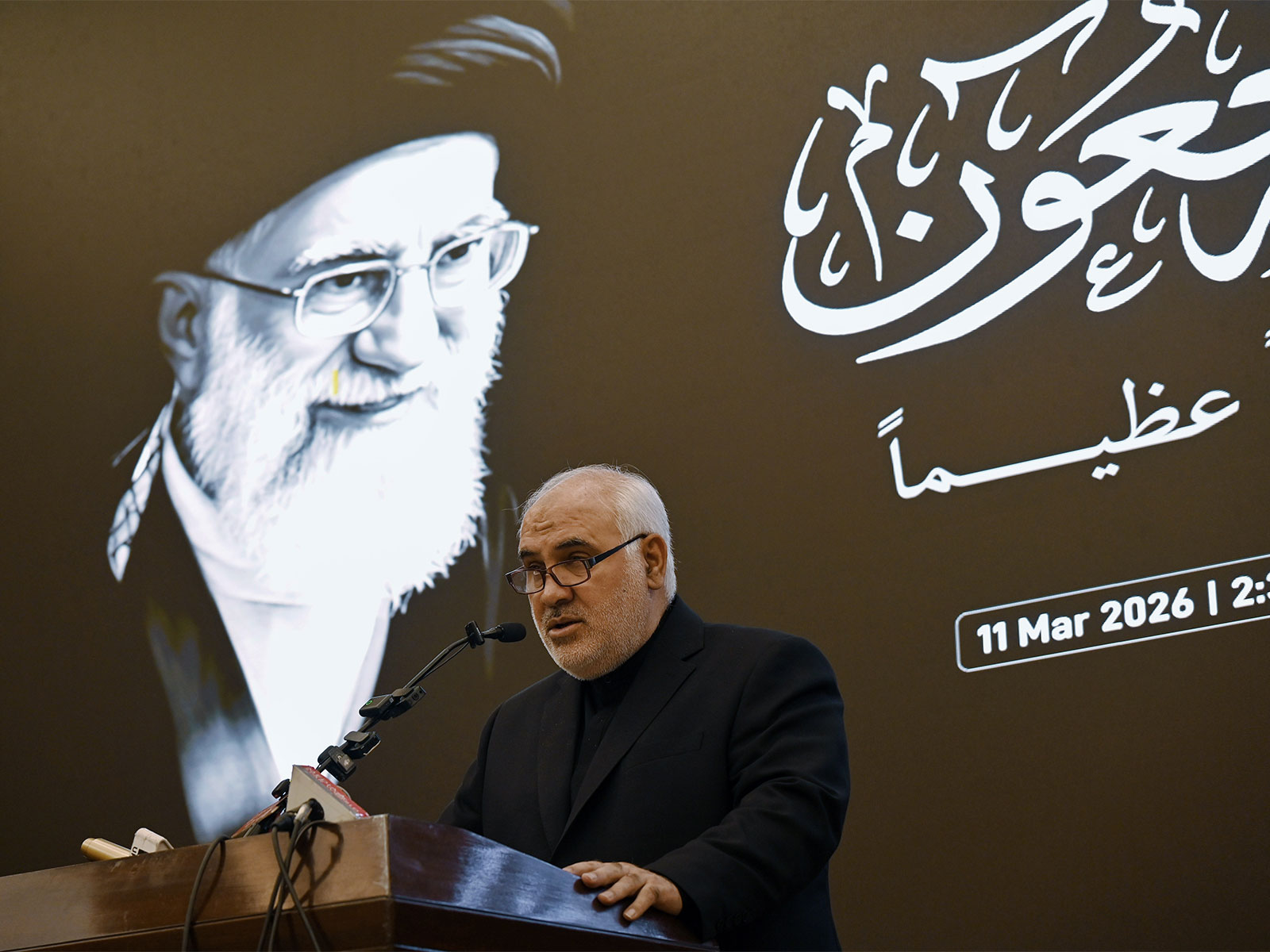
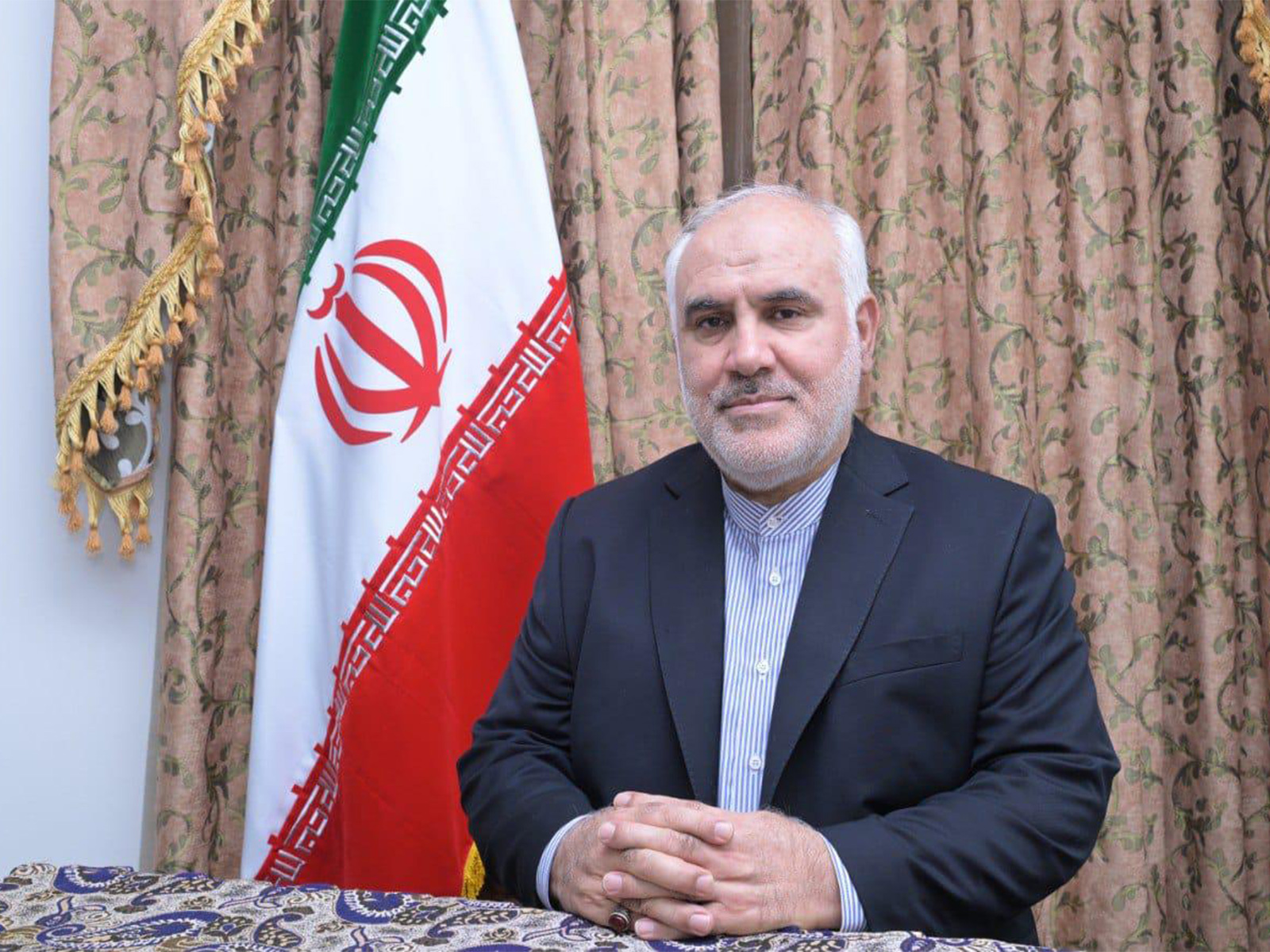
New Delhi [India], April 6 : Mohammad Fathali, Ambassador of Iran in India said on Monday that the actions by the US and Israel are reminiscent of a form of modern barbarism in the behavior and rhetoric.
Fathali, in a written interview to ANI was asked about US President Donald Trump's remarks, including threatening to bomb Iran "back to the stone ages," and recently claimed that a major bridge near Tehran had been destroyed.
"We are a nation with a civilization stretching back thousands of years, and we will never return to the "Stone Age." What we are witnessing today is, more than anything, reminiscent of a form of modern barbarism in the behavior and rhetoric of individuals such as Trump and Benjamin Netanyahu. The killing of children, attacks on schools, universities, hospitals, and even vaccine and pharmaceutical production centers are clear indications of this violent and inhumane approach. Such statements, rather than reflecting strength, reveal desperation and helplessness," he said.
Fathali said that threats of what could be constituted as war crimes are normalised in US' rhetoric.
"At the same time, it is regrettable that open admissions of actions that could constitute war crimes have become normalized in the rhetoric of the U.S. President, and of course drawing widespread reactions globally," he said.
When asked about Iran's current position on negotiations, or if talks were still ongoing, and who are the key parties involved at this stage, Fathali said that the priority for Iran is to defend the country against aggression and hostile actions by the enemy.
"Under the current circumstances, the priority for the Islamic Republic of Iran is to defend the country against aggression and hostile actions by the enemy. For 38 days, we have been defending ourselves against aggressors and will continue this path with strength. Our primary focus is on delivering an appropriate response to attacks by American and Zionist aggressors," he said.
He then told ANI that when it can be determined that that Iranians' interests could be secured by diplomacy, Iran will take necessary steps.
"At the same time, decisions regarding entering any form of negotiations are made within the framework of overarching policies and with the input of the highest decision-making bodies. Whenever it is determined that the interests of the Iranian people can be secured through diplomacy, the necessary steps will be taken," he said.
"It should also be emphasized that we have had a very negative experience with the flawed cycle of war, ceasefire, negotiations, and then renewed war. Our officials are prudently working to ensure that this experience is not repeated," he added.
Fathali said that the Strait of Hormuz is the territorial water of Iran and Oman.
"Iran has always emphasized the importance of safety and security in international shipping routes. However, it must be noted that the Strait of Hormuz is not part of international waters; rather, it lies within the territorial and internal waters of Iran and Oman. Therefore, safeguarding the interests of these two countries in managing the Strait is a priority, and decisions regarding transit conditions rest with Tehran and Muscat," he said.
Fathali said that the Strait of Hormuz is closed only for the countries that are in war with Iran.
"At present, the Strait is closed only to countries that are at war with Iran. Naturally, in wartime conditions, enemies are not permitted passage through internal waters. The lack of movement of some vessels is largely due to regional insecurity and the very high cost of insurance," he said.
He then told ANI that friendly countries like India are allowed to pass through the waters.
"Nevertheless, Iran has adopted special measures to ensure the safe passage of ships from friendly countries, including India. Within this framework, in recent days, several Indian vessels have passed safely through the Strait of Hormuz, demonstrating Iran's practical commitment to ensuring maritime security for friendly nations," he said.
He further said that in case any insecurity should arise, it is due to the US and Israel.
"We emphasize that any insecurity or disruption in this vital waterway is a direct result of destabilizing actions by the United States and Israel, which, through their unlawful actions, have endangered regional security and international shipping," he said.
Fathali then said that all of Iran's actions remain in the framework of international law.
"All of Iran's measures in this domain are taken within the framework of international law and based on the principles of necessity and proportionality, with the aim of repelling threats and safeguarding national security, and will continue until all threats are fully removed," he said.
On being asked about the steps Iranian government taking to ensure the safety and security of Indian nationals currently residing in Iran, the government makes no difference between Iranian citizens and foreign ones.
"The security of foreign nationals, including Indian citizens, is of high importance to the Islamic Republic of Iran. However, it must be emphasized that existing threats to civilian safety, including that of Indian nationals, stem from military actions and unlawful attacks by the United States and the Zionist regime, which have targeted civilian infrastructure such as universities, hospitals, schools, and residential areas," he said.
"Despite these conditions, the Islamic Republic of Iran gives equal attention to the safety of all individuals within its territory and makes no distinction between Iranian citizens and foreign nationals, including Indian citizens. Protecting the lives and security of all individuals is a fundamental principle for us," he added.
Fathali further said that Iranian government is assisting necessary authorities for the safe departure of Indian nationals.
"In this regard, our colleagues at the Ministry of Foreign Affairs are in continuous contact with the Indian Embassy in Tehran, and the necessary coordination has been made to facilitate movement and, if needed, the safe departure of Indian nationals. Measures have also been arranged for their transfer via neighboring countries," he said.
His remarks come amid the developing security situation in West Asia and the Gulf region as the US-Israel and Iran conflict stands in its second month now, with hostilities across civilian, energy and military infrastructure in the region.