Modi government has weakened village power: Karnataka CM Siddaramaiah slams Centre over VB G RAM G Act
Jan 03, 2026
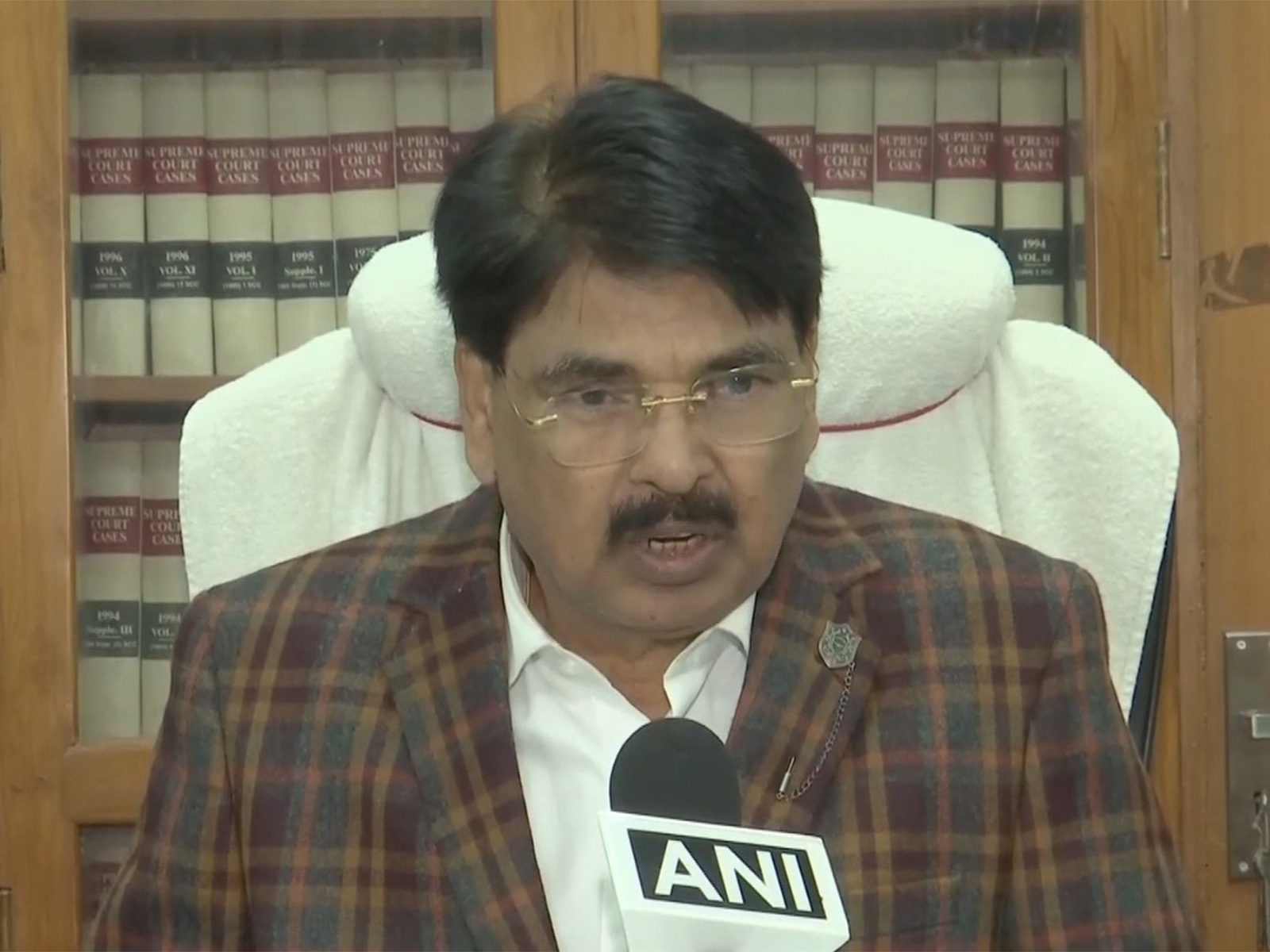
Bengaluru (Karnataka) [India], January 3 : Karnataka Chief Minister Siddaramaiah has strongly criticised the Modi government at the Centre over the VB G RAM G Act, alleging that it has systematically weakened village-level governance and damaged the rural economy by diluting the Mahatma Gandhi National Rural Employment Guarantee Act (MGNREGA).
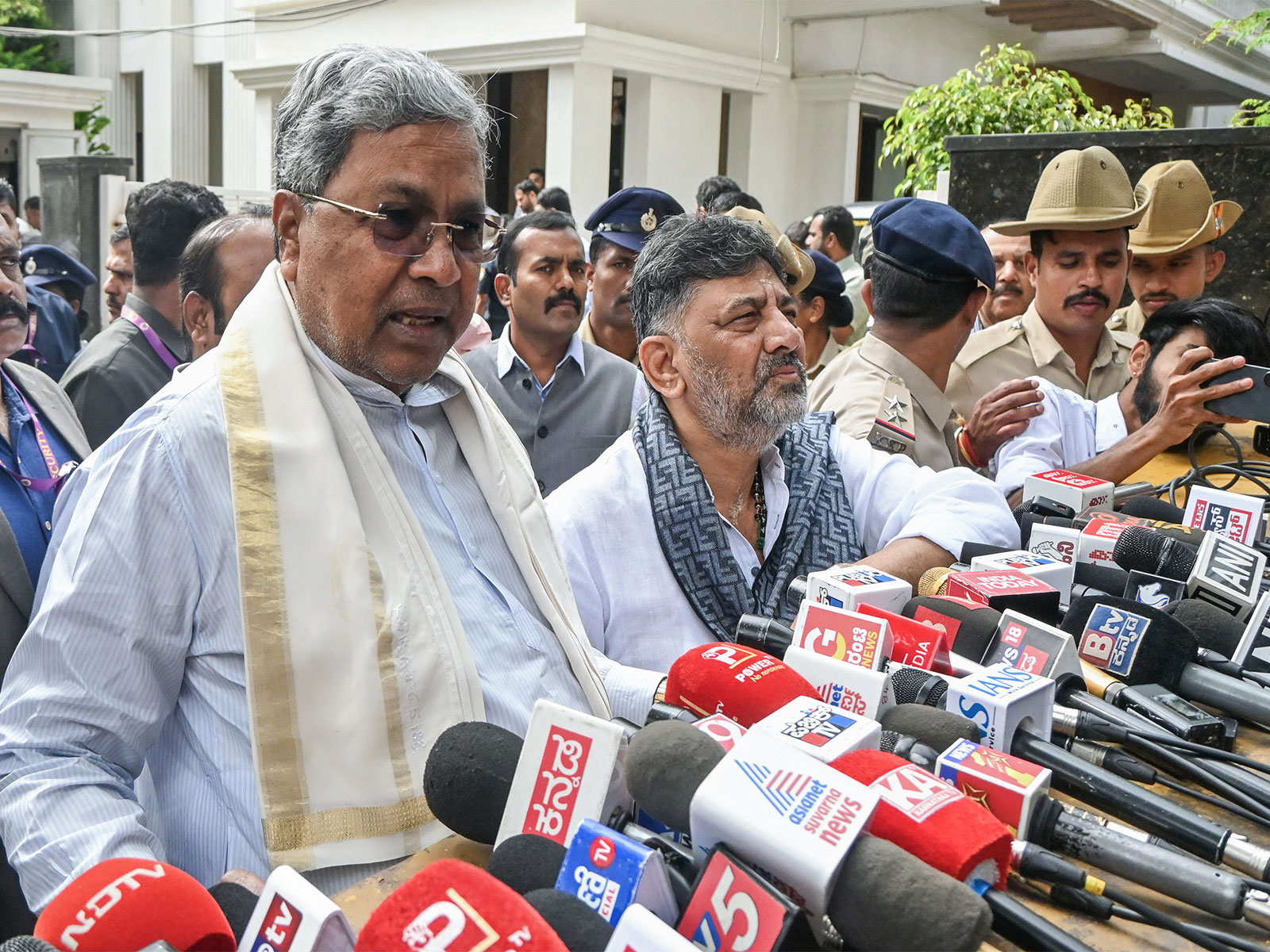
Addressing a press conference at his Home Office, Krishna, the Chief Minister, said the Centre had introduced a new law by effectively withdrawing the existing MGNREGA framework without consulting state governments, reflecting a dictatorial attitude.
He said the UPA government under former Prime Minister Manmohan Singh had empowered citizens through landmark legislations such as the Right to Employment, Right to Information, and Right to Education.
The Chief Minister stated that the new law was introduced in Parliament on December 17 and passed the very next day, without adequate discussion. He added that across the country, around 12.16 crore workers depend on NREGA, of whom 6.21 crore are women, about 17% belong to the Scheduled Castes and 11% to the Scheduled Tribes.
In Karnataka alone, there are 71.18 lakh NREGA workers, including 36.75 lakh women, accounting for 51.6% of the workforce.
He alleged that the present central government is dismantling the pro-people laws to benefit corporate interests.
The Chief Minister further said that under the earlier Act, employment was guaranteed locally, enabling rural asset creation and strengthening village economies, and workers had a legal right to demand employment for at least 100 days a year, but these guarantees have now been removed.
CM Siddaramaiah stated that the only achievement of the Central Government in the last 11 years has been changing the names of schemes, adding that nearly 30 pro-people schemes have either been renamed or rolled back by the Modi Government.
The Chief Minister pointed out that under Section 5(1) of the new law, employment would be provided only in areas notified by the government, with no guarantee of work through gram panchayats. He added that wage employment would be unavailable for at least 60 days during peak agricultural seasons, and inflation-linked wage revision has been removed.
Further, the Centre has shifted the funding pattern from full central assistance to a 60:40 Centre-State ratio, imposing a heavy financial burden on states. This, he said, violates Articles 258 and 280 of the Constitution and undermines India's federal structure.
"The powers of gram panchayats have been taken away, which is against the Constitution and the Federal system, he said.
The Chief Minister said that he had written to Prime Minister Narendra Modi on December 30, urging repeal of the new law, restoration of the MGNREGA Act, protection of women's and Dalits' employment rights, and revival of panchayat self-governance.
He warned that the new law would increase unemployment, reduce women's participation in the workforce, intensify pressure on Dalit and tribal families, and lead to the collapse of rural livelihoods.
Panchayats will be reduced to mere implementing agencies and thereby will create a contractor-driven system, he said.
Deputy Chief Minister DK Shivakumar, ministers Priyank Kharge, KH Muniyappa, Chaluvaraya Swamy, Lakshmi Hebbalkar, Sharan Prakash Patil, and Chief Minister's political secretary Nasir Ahmed were present at the press meet.