MP CM Mohan Yadav directs assessment of crop damage due to unseasonal rain, assures support to farmers
Jan 28, 2026
Bhopal (Madhya Pradesh) [India], January 28 : Madhya Pradesh Chief Minister Mohan Yadav on Wednesday said that he has directed the administration to assess crop damage caused due to unseasonal rainfall across the state and assured farmers of full support from the government.
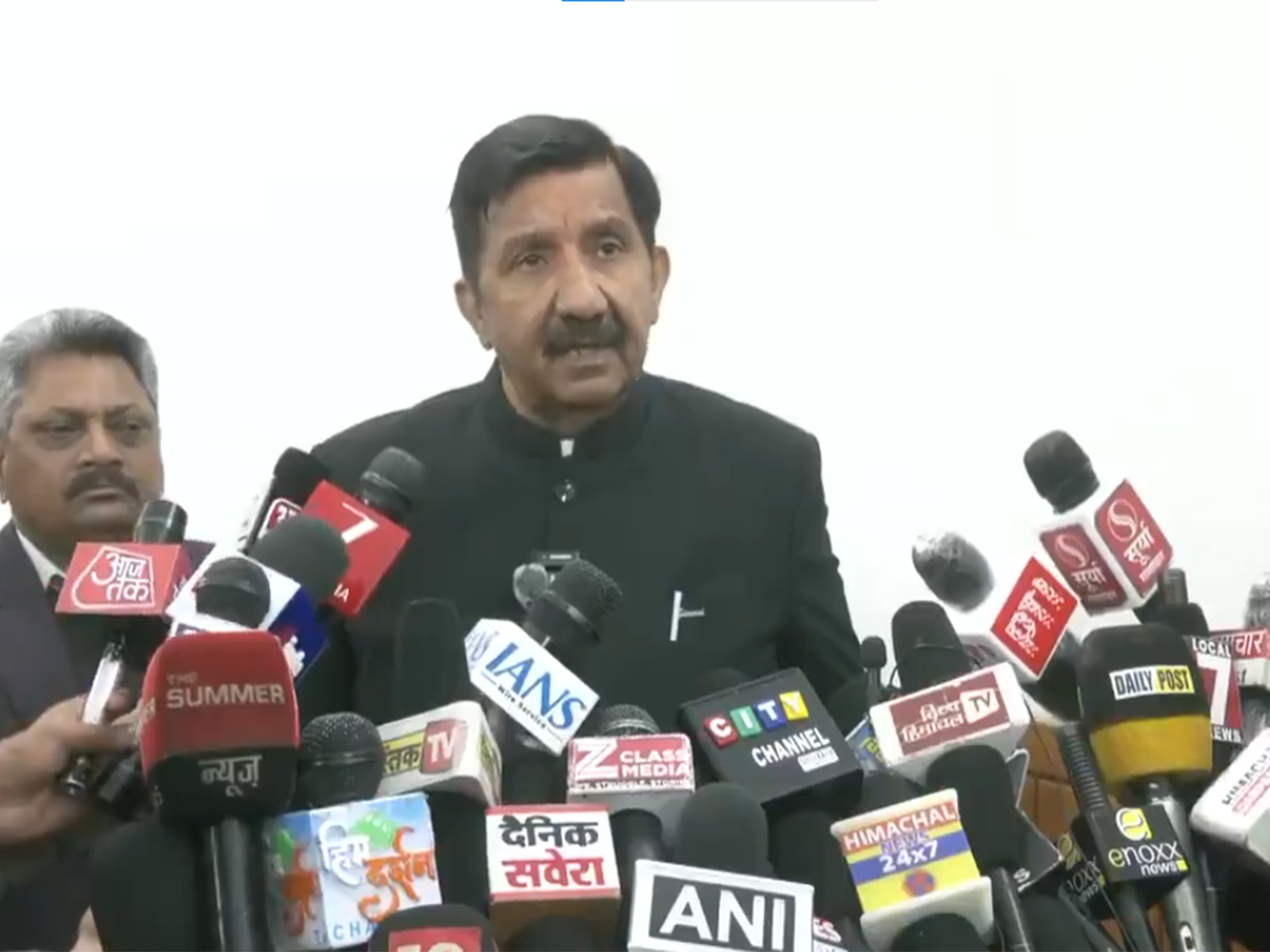
"We have received news about the crop damage caused because of the unseasonal rainfall in the state and I have alerted the administration to assess the crop loss. The state government stands with farmers in every situation. I have instructed the administration to assess the damage," CM Yadav told reporters in Bhopal.
Notably, a sudden change in weather was seen in the state with rainfall and hailstorms reported in several parts on Tuesday late evening. The Dewas region experienced strong winds and hailstorms that lashed parts of the state on Wednesday morning from 7 am to 7:30 am.
The hailstorm and strong winds destroyed crops in the area. A local resident shared his experience with ANI that "It hails a lot and people face a lot of damage."
Local people have suffered crop damage, including to potato and garlic crops, due to hailstorms.
A local resident of Dewas, Ratan Singh, told ANI, "People have faced a huge loss. Potato, garlic, onion, wheat, including chick peas, every crop incurred damage."
The hailstorms, along with rain, occurred in the morning for around half an hour. Singh said, "The hailstorm continued till 7 to 7:30 PM."
He further said, "It is now upto the government. The strong winds have also broken many trees, blown off roofs, and caused damage to houses. So, we suffered a lot of damage from this hailstorm."
Western Disturbances (WDs) are crucial extra-tropical weather systems originating in the Mediterranean region, bringing winter rain and snow to North India, vital for Rabi crops (wheat) by replenishing soil moisture, and causing temperature fluctuations, fog, and influencing summer monsoons, all driven by the Westerly Jet Stream.
They are low-pressure systems that pick up moisture as they travel across West Asia, Iran, and Afghanistan. When they hit the Himalayas, the air rises, cools, and condenses, causing rain on plains and snow in higher altitudes.