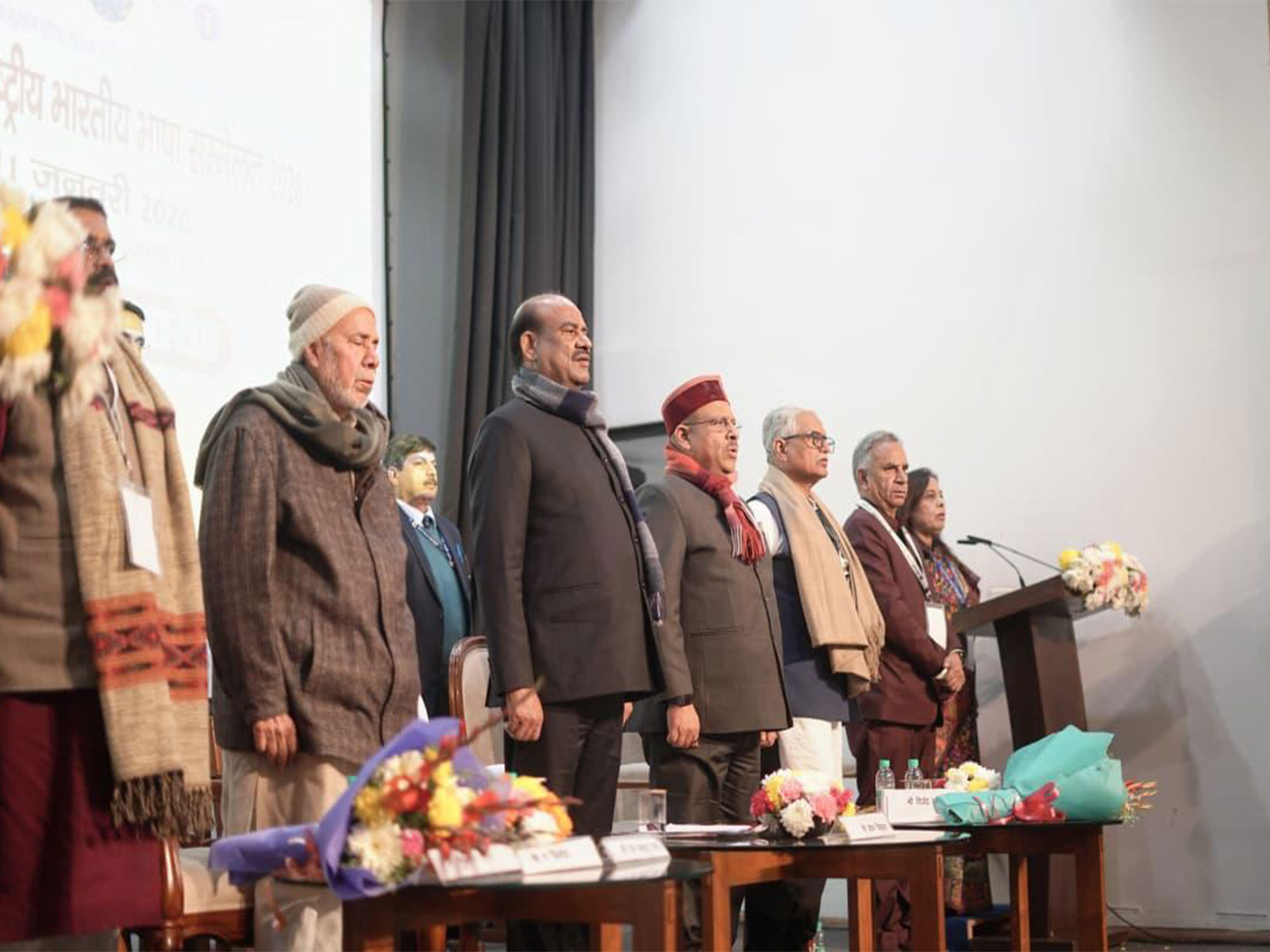
Multilingual India is a symbol of civilisational strength: Delhi Assembly Speaker
Jan 11, 2026
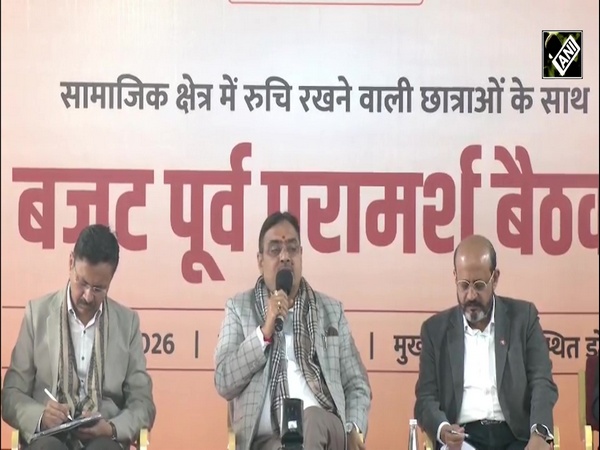
New Delhi [India], January 11 : Speaker of the Delhi Legislative Assembly, ijender Gupta, addressed the Valedictory Session of the Third International Indian Language Conference held in New Delhi on Sunday, stating, "Language is not merely a medium of communication; it is the living bridge between our civilisational past and our democratic future."
According to a release, the conference, organised on the theme "Languages, Literature, Youth and Technology", brought together eminent scholars, writers, linguists and cultural thinkers from India and abroad. The valedictory ceremony was graced by the esteemed presence of Chief Guest Om Birla, Speaker of the Lok Sabha, who delivered the keynote address. The programme was presided over by Ram Bahadur Rai, President, Indira Gandhi National Centre for the Arts (IGNCA). Among the distinguished dignitaries present were Prof. Ramesh C. Gaur, Dean (Administration), Indira Gandhi National Centre for the Arts; Anil Joshi, President, Vaishvik Hindi Parivar and Director, International Indian Language Conference; Prof. Ravi Prakash Tekchandani, Dean, Department of Indian Languages, University of Delhi; Shyam Parande, General Secretary, Antar-Rashtriya Sahayog Parishad; A. Vinod, Coordinator, Shiksha Sanskriti Utthan Nyas; and Vinaysheel Chaturvedi, Director, Vaishvik Hindi Parivar.
In his address, Vijender Gupta observed that the history of Indian languages is a testament to continuity through diversity. He emphasised that languages in India have evolved through sustained interaction among communities, faiths and knowledge traditions. Even languages that are no longer spoken, he remarked, have left behind rich intellectual legacies that continue to shape living languages today. "Our linguistic inheritance is layered; it is not a story of disappearance but of enduring memory," he said.
Highlighting India's deeply multilingual character, the Speaker noted that Indians grow up navigating multiple languages in everyday life, each suited to different contexts of expression. This multilingual practice, he said, cultivates habits of listening and accommodation, allowing diverse linguistic families--Indo-European, Dravidian, Austro-Asiatic and Tibeto-Burman--to coexist in a shared civilisational space. "In India, linguistic diversity has never meant division; it has meant dialogue," Gupta remarked.
He also reflected on the evolution of writing traditions and oral heritage in Indian languages. From ancient scripts to oral tribal traditions, he underlined that both written and unwritten languages have sustained knowledge through narratives, songs and rituals. He stressed that the value of a language cannot be measured only through literary record, but through lived experience and cultural memory embedded in communities.
Vijender Gupta commended the organisers for creating a truly international forum of scholarship. Over the three days, the conference hosted forty-three sessions including book and art exhibitions, film screenings, theatrical performances and cultural presentations, offering a comprehensive experience of language as thought, art and expression. With participation from scholars and delegates representing over seventy countries, he said, the conference reaffirmed the global relevance of Indian languages in contemporary intellectual discourse.
In conclusion, the Speaker emphasised that language carries great responsibility in democratic life. He urged scholars and institutions to ensure that technology enhances depth rather than diluting it, and that youth engage with languages as vibrant tools of creativity. He congratulated all participating institutions for their sustained commitment to language and culture and extended best wishes for the continued growth of the conference, according to a release.
He stated, "May this platform continue to nurture scholarship with patience, responsibility and care, and may our languages remain the strongest custodians of our civilisational strength."