Myanmar training module case: Five Ukrainians, US national consent to voice samples; judicial custody extended
Jul 03, 2026
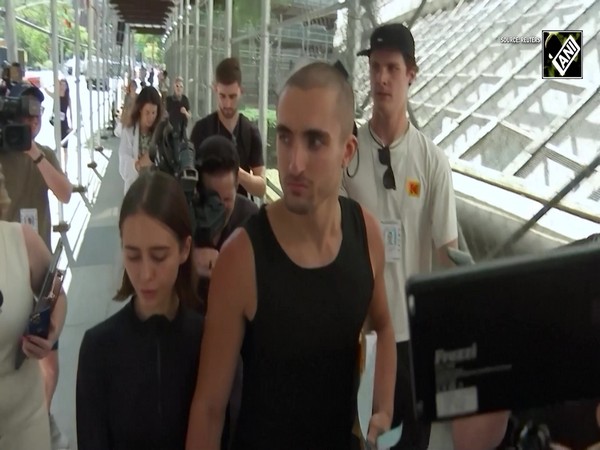
New Delhi [India], July 3 : Five Ukrainian nationals and one US national arrested in the alleged Myanmar training module case on Friday gave their consent for the collection of their voice samples for investigation, while a Delhi court extended their judicial custody by 29 days.
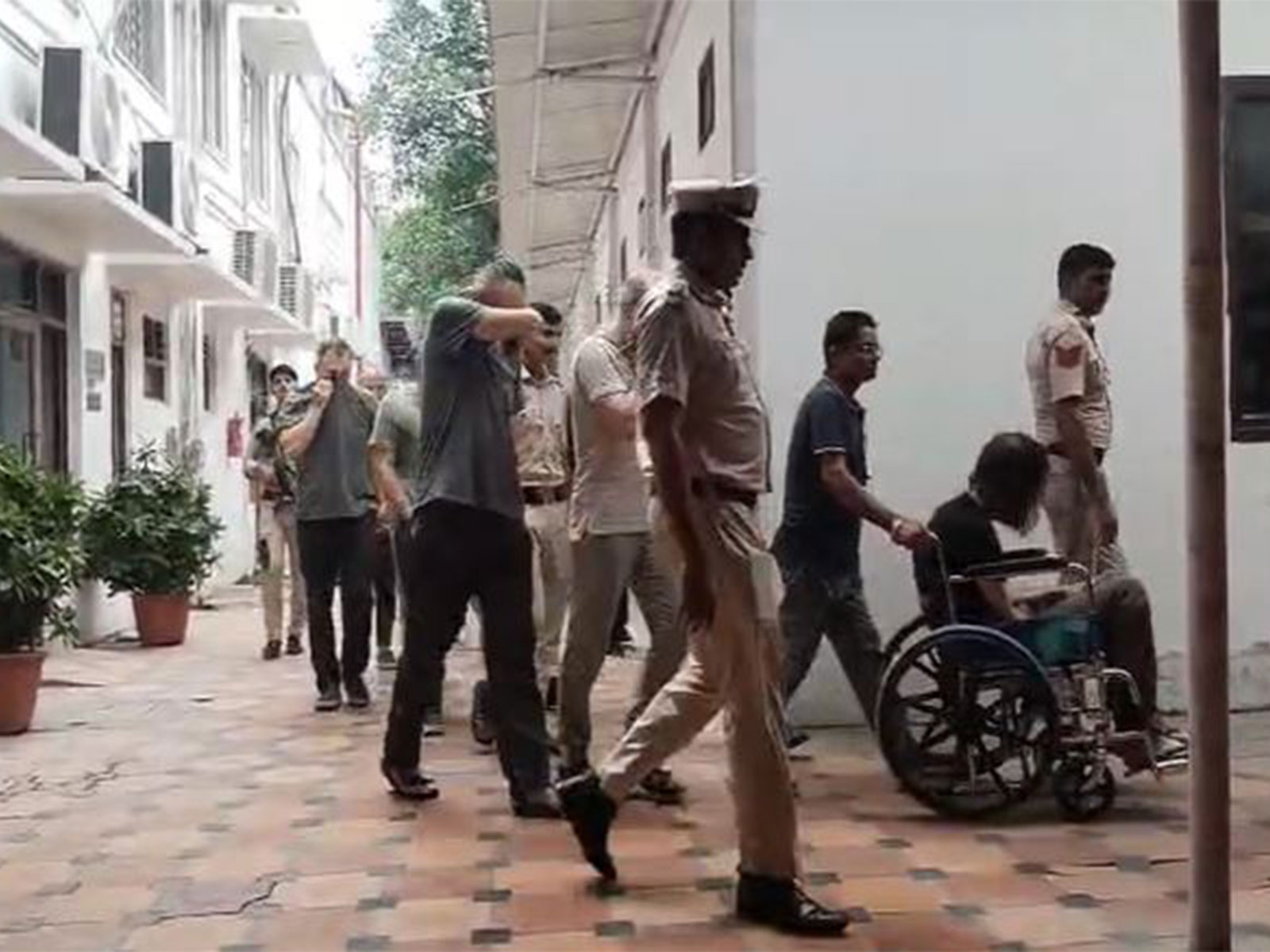
Special NIA Judge Prashant Sharma recorded the consent of the accused during proceedings held in a closed courtroom at the Patiala House Court. The six accused, who were produced amid heavy security, have been remanded to judicial custody till August 1.
The hearing was conducted in a closed courtroom. Accused persons were produced before the court under heavy security.
One Ukrainian accused will be produced before the court on Saturday, when the court is also expected to fix a date for recording the voice samples of the accused persons.
Special Public Prosecutor Rahul Tyagi, along with advocates Jatin and Amit Rohila, appeared for the National Investigation Agency (NIA). Advocate Nitin Saluja represented the five Ukrainian nationals, while advocates Rohit Dandriyal and Rohit Gour appeared for US national Matthew Aaron Van Dyke.
According to sources, US National Matthew Aaron Van Dyke is not consuming food prepared in jail and is surviving on soya milk and juices. He is expected to move the court seeking directions for food suitable to him.
The accused were arrested by the NIA for their alleged involvement in providing terrorist and combat training to ethnic armed groups in Myanmar. According to the agency, they entered India on tourist visas before allegedly travelling through Mizoram into Myanmar, where they came into contact with ethnic armed groups operating against the Myanmar military junta.
The NIA has alleged that the accused imparted training relating to drone warfare and other military technologies to such groups, raising concerns affecting India's national security. The investigation is continuing.
Earlier in June, the National Investigation Agency (NIA) moved a Special NIA Court at Patiala House seeking permission to obtain specimen voice samples of all arrested accused persons in the alleged Myanmar training module case, as part of its ongoing investigation into an alleged transnational conspiracy involving foreign nationals accused under the Unlawful Activities (Prevention) Act (UAPA).
According to the NIA, the case was registered on March 13, 2026, under Section 18 of the UAPA pursuant to directions issued by the Ministry of Home Affairs. The agency has alleged that a group of foreign nationals entered India on tourist visas, travelled to Mizoram and subsequently crossed into Myanmar without requisite permits, where they allegedly imparted training in drone warfare, drone operations, assembly and jamming technology to Myanmar-based Ethnic Armed Groups (EAGs).
This comes as the NIA is simultaneously seeking an extension of time to complete its investigation against seven arrested foreign nationals, including US citizen Matthew Aaron Van Dyke and six Ukrainian nationals, including Hurba Petro, Slyviak Taras, Ivan Sukmanovskyi, Stefankiv Marian, Honcharuk Maksim and Kaminskyi Viktor.
The agency had sought an extension of the statutory investigation period from 90 days to 180 days under the UAPA, contending that the probe concerns a "deep-rooted criminal conspiracy" with Pan-India and trans-national linkages. The NIA has informed the court that the investigation remains at a crucial stage and additional time is required to analyse seized electronic devices, examine financial transactions, trace funding sources and uncover the larger conspiracy.
According to the agency, numerous digital devices have been seized during the investigation, and forensic analysis is still underway. The NIA has also identified several bank accounts and financial channels allegedly used by the accused persons and has stated that detailed financial scrutiny is necessary before a final report can be filed.
The NIA had further argued that the release of the accused persons at this stage could adversely affect the investigation, alleging that they may flee the jurisdiction or influence witnesses.