Natural gas a key concern despite stable LPG supplies; situation may ease by mid-April: Kotak Mahindra's Anindya Banerjee
Mar 18, 2026
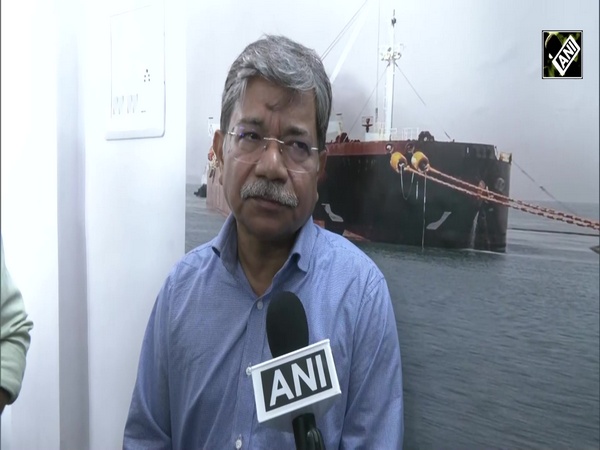
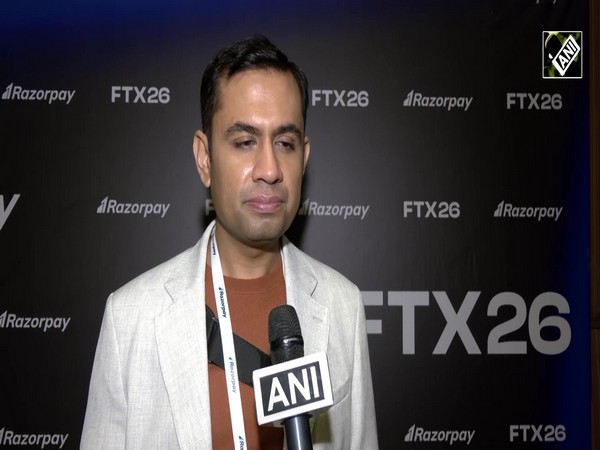
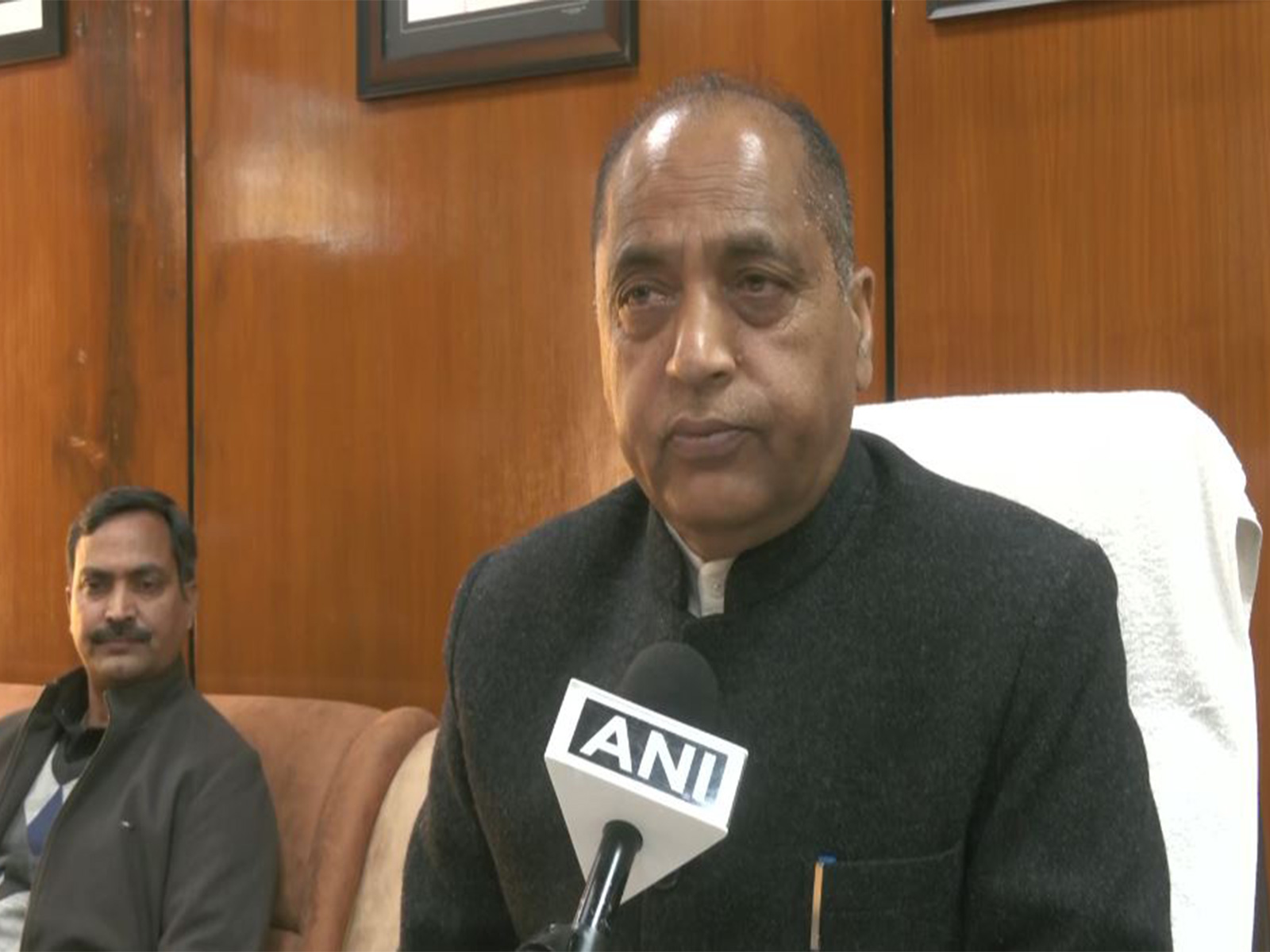
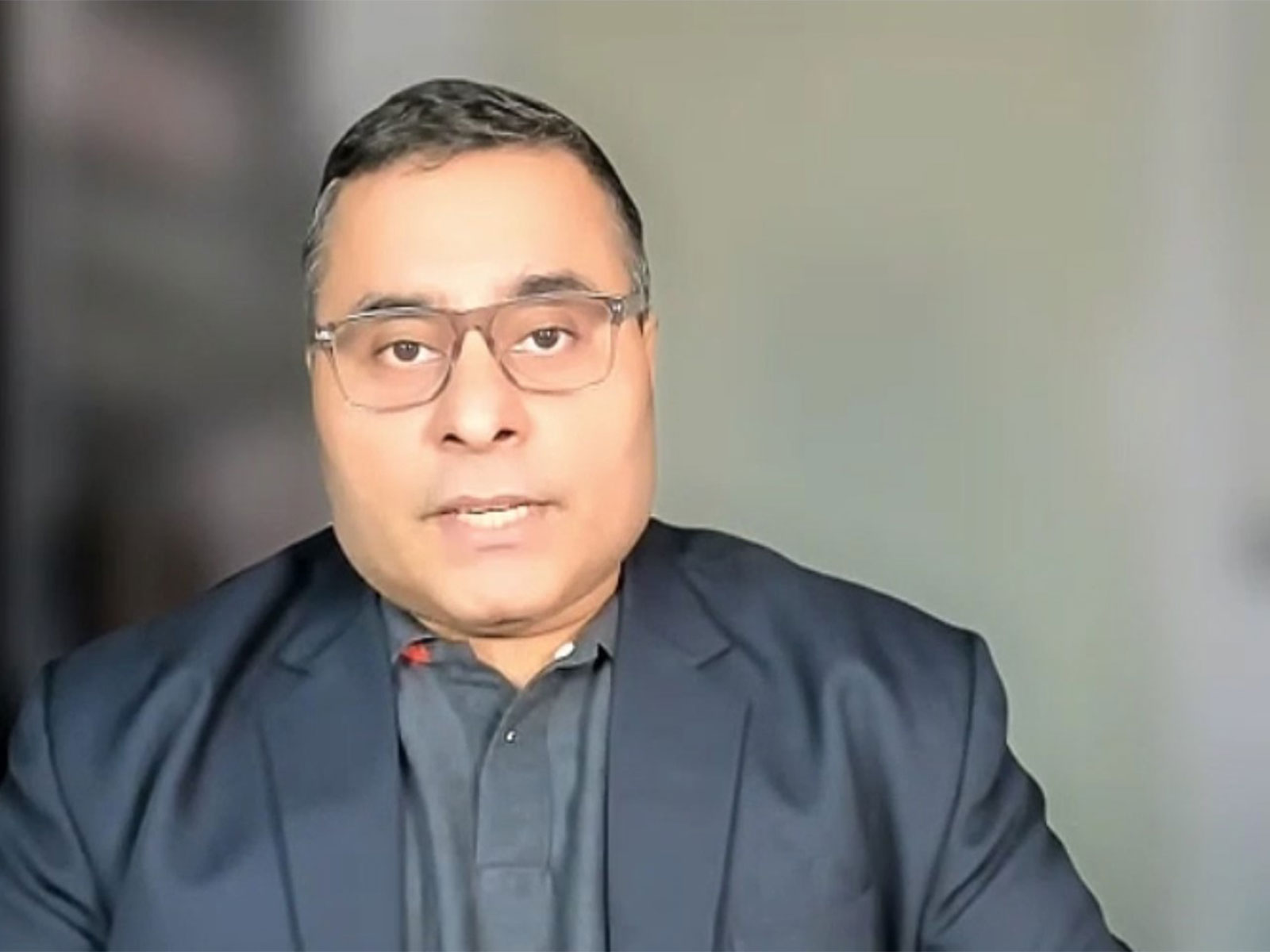
Mumbai (Maharashtra) [India], March 18 : Amid ongoing global disruptions impacting energy supplies, Anindya Banerjee, Vice President at Kotak Mahindra Securities, on Wednesday said that while India's LPG supplies remain largely secure, natural gas availability and pricing could become a major concern if the crisis persists beyond April.
Speaking to ANI, Banerjee outlined the current situation across LPG, CNG, and PNG segments, highlighting that LPG is relatively stable due to diversified sourcing and existing buffers.
"As far as the LPG is concerned, we have a leverage, we were importing close to half, 50 to 55 percent of our LPG needs but now what we are trying to do is we have asked the oil marketing companies to increase the output... we already have an inventory... we are importing a lot of gas through the Red Sea, which is the Yanbu portal of Saudi Arabia. We are doing some imports from Oman. Some tankers or some LPG tankers have been cleared through the Hormuz. So LPG won't become an issue," he said.
However, he flagged natural gas as the key area of concern, particularly due to supply risks linked to geopolitical tensions affecting major routes, especially the Strait of Hormuz.
"The main commodity which the world is watching right now... it is gas, which is natural gas... 20 per cent of it comes from Qatar... you cannot take a risk with an LNG tanker... that supply won't be back online till it is all clear for the ships and tankers to sail through Hormuz," he noted.
Banerjee added that while India has alternative sourcing options, including Australia, Russia, and North America, rising global prices remain a challenge.
"Eventually, the prices are rising quicker now of natural gas in the international market than oil," he said, adding that the current "shoulder season" between winter and summer has temporarily eased demand pressures.
On the timeline for stabilisation, Banerjee cautioned that the situation could worsen if disruptions continue beyond the next few weeks.
"It's not even a matter of months, it's a matter of weeks... the world is not prepared for 20 per cent of the gas supply going offline... if it continues beyond March into April, then... gas prices [could] rise significantly... and oil prices would be around USD 130," he said.
He emphasised that India's energy diplomacy has helped cushion supply shocks, allowing access to crude oil from multiple sources, including Russia.
"We are able to source oil from Russia... around $100 a barrel... the energy diplomacy has worked amazingly well... we have strategic partners all through who amongst themselves are adversaries," he said.
Banerjee added that oil marketing companies (OMCs) and existing inventories provide a buffer against immediate price shocks.
"The oil marketing companies are sitting on inventory... they have been generating an enormous amount of profits... so they have enough buffers... we don't have to pass on the entirety of the energy price hike to the consumer," he explained.
On inflation, he warned that prolonged disruption could have a noticeable impact on both wholesale and consumer prices.
"If it stays for a quarter... the CPI could rise by 50 to 60 basis points, but if it persists beyond three months, the headline could go to 1.2 to 1.5 per cent higher," he said.
Banerjee also indicated that extended energy shocks could weigh on economic growth.
"If it persists beyond... a quarter, then it would start to have a negative impact on the GDP... from seven plus, it will be below seven," he stated.
He further expressed optimism that global pressures would prevent a prolonged crisis, especially given the importance of keeping key supply routes open.
"The world economy cannot afford a prolonged war... the Hormuz cannot be shut... I think it shouldn't continue beyond... mid-April... by the second week of April," he said.
He concluded that while India may not remain entirely unaffected, strategic planning and global coordination could help limit the overall economic impact.