Need to sustain doctrinal change displayed by Op Sindoor in threats posed by terrorism, say experts
Apr 30, 2026
New Delhi [India], April 30 : Operation Sindoor again established India's new doctrine that it will not differentiate between the government sponsoring terrorism and the masterminds of terrorism and this should be sustained in the future irrespective of the enemy, experts said on Thursday.
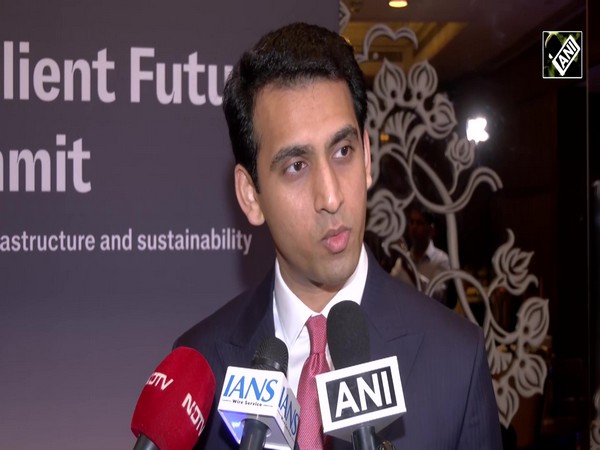
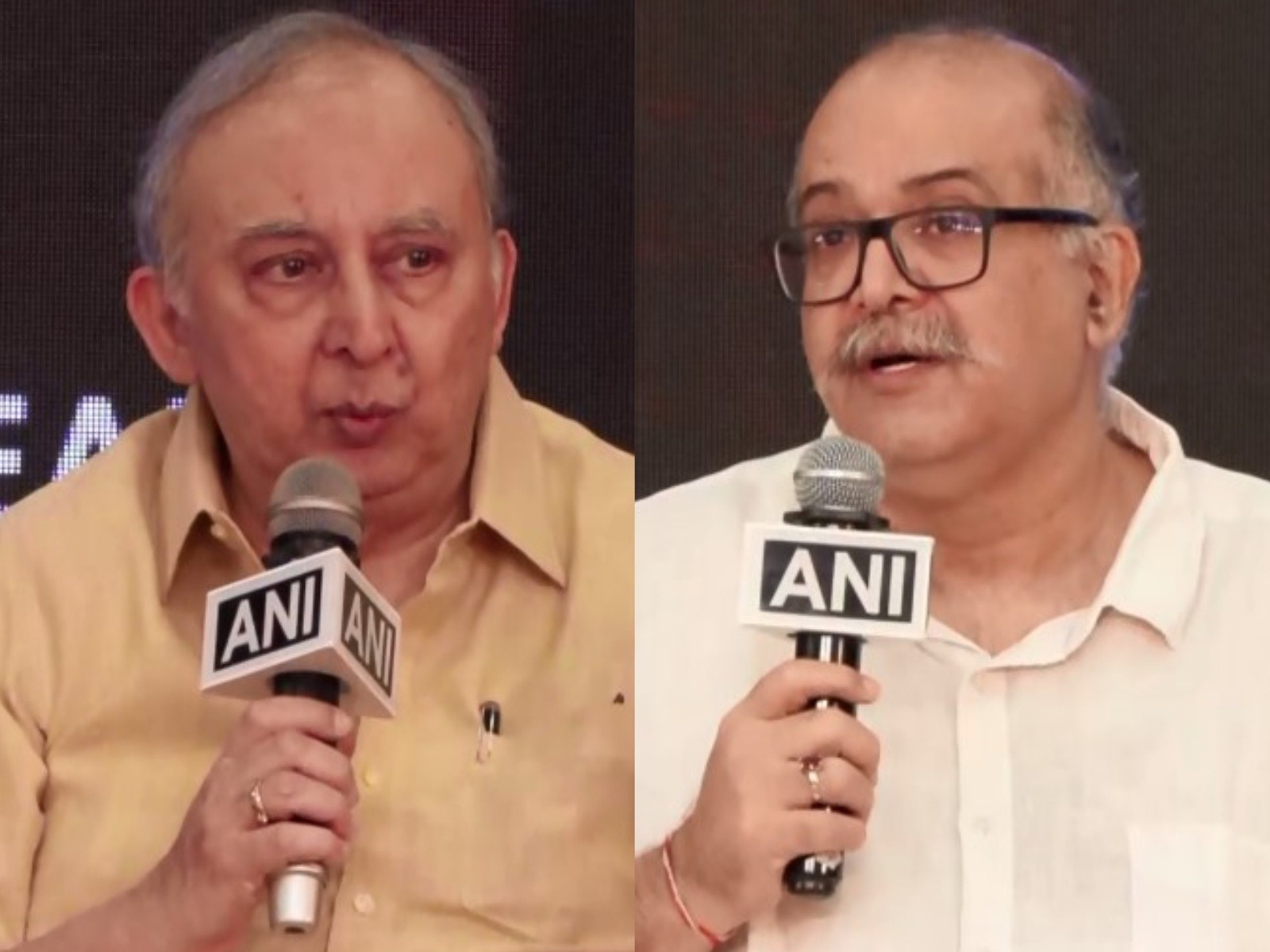
Speaking during a session of ANI National Security Summit 2.0, Tilak Devasher, a former Member of the NSA advisory board, said the biggest learning for Operation Sindoor is the intent that India demonstrated.
He said Operation Sindoor was carried out in response to the Pahalgam terror attack and India converted intent into actual physical targeting of terror infrastructure in Pakistan.
"And now the doctrine has been established, an act of terrorism, an act of war, and we will not make a distinction between terror and the perpetrators of terror. I think this doctrinal change, if we can sustain it, then it doesn't matter who or where the enemy is," he said.
"If you have laid down a doctrine that an act of terror is an act of war, you then cannot back down," he added.
Devasher also said there is need to learn from the geo-political conflicts and referred to resilience shown by Iran in its conflict with Israel and the United States.
Observer Research Foundation Senior Fellow Sushant Sareen pointed to the need of effectively handling narrative warfare.
"There are some factors which I think we are aware of. I don't know if we have done something about it. One of my favourite ones is how we handle the narrative warfare. Information is power. How do you use the flow of information? How do you release that information to have maximum impact?" he asked.
He said India did not distinguish between the non-state actors and state actors in the face of Pakistan's escalation during Operation Sindoor.
"This is what we did during Operation Sindoor. Because in the initial attack, we were only hitting the terrorists. But there are terrorists in the khaki uniform as well in Pakistan, right? This is the Pakistan Army. Next time around, are we going to start our operations by hitting them in the very first instance, apart from hitting the non-state actors. Actually, non-state actors is also a very stupid kind of description because they're actually state actors, right? They're proxies of the state," he said.
Referring to geo-political tensions he said there cannot be surety about where the next threat is coming from.
"You don't know where your next threat is going to come from. So, how pumped and primed are you to handle those threats?....what exactly is your definition of a net security provider?" he asked.
India launched Operation Sindoor on May 7 night last year in response to terror attack in Pahalgam. India struck terror infrastructure in Pakistan and PoJK and later pounded Pakistan's airbases as Islamabad sought to escalate the conflict. A ceasefire was agreed after Pakistan DGMO contacted his Indian counterpart.
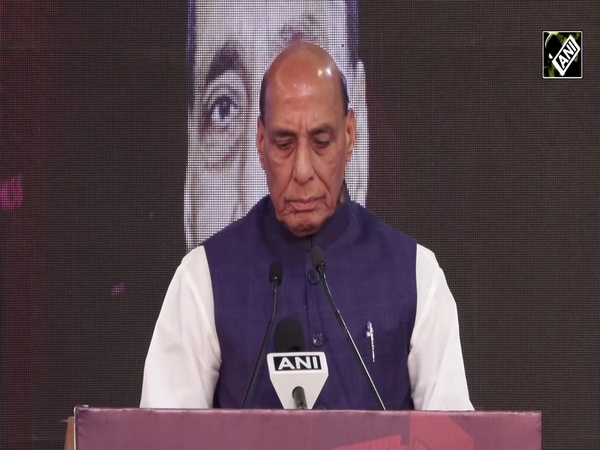
Earlier, in his address at the Security Summit, Defence Minister Rajnath Singh said Operation Sindoor conveyed an unequivocal global message that India is no longer bound by the old mindset of merely issuing diplomatic statements when terror attacks are perpetrated on its soil, and that Prime Minister Narendra Modi-led Government has moved beyond mere intent and rhetoric by demonstrating its unwavering commitment through decisive action.
The Union Minister asserted that the Government has maintained a firm stance that any act of terrorism, under any circumstances, will not be tolerated.
He described the surgical strikes, air strikes, and Operation Sindoor as a manifestation of the Government's resolute stance against the menace.
"Terrorism emanates from a distorted and perverse mindset. It casts a dark stain on humanity. The battle against terrorism is not merely a matter of national security; it is, fundamentally, a battle to safeguard the core values of humanity. It is a fight against a barbaric ideology that stands in direct opposition to every human value. We have articulated this Indian perspective, both within the country and abroad," he said.
The Defence Minister added that as long as terrorism exists, it will continue to challenge collective peace, development, and prosperity.
"Attempts are made to justify terrorism by giving it a religious colour or linking it to a violent ideology such as Naxalism. This is extremely dangerous and, in a way, provides cover fire to terrorists so they can slowly advance toward their goal. Terrorism is not just an anti-national act; it has multiple dimensions - operational, ideological, and political. It can only be dealt with if we tackle all these dimensions," he said.
On Pakistan's continuous support to terrorism, Rajnath Singh said: "Both, India and Pakistan attained independence at the same time. However, today India is recognised globally for IT i.e., 'Information Technology', while Pakistan is regarded as the epicenter of a different IT i.e., 'International Terrorism'".
He termed Operation Sindoor as a shining example of jointness and synergy of the Indian Defence Forces. He stated that the Indian Army, Indian Navy, and Indian Air Force acted in concert and under a unified plan, demonstrating conclusively that India's military might no longer operates in silos; instead, it has emerged as a joint, integrated, and global power.
The Defence Minister noted that India executed Operation Sindoor on its own terms and at a time of its own choosing, and halted it strictly on its own terms.
"During the course of the operation, we targeted, with absolute precision, only those who had perpetrated the attack against us. We did not halt the operation because our capabilities had been exhausted or diminished. We halted it entirely on our own terms. We were fully prepared to sustain a prolonged conflict. We possess the requisite surge capacity, and the inherent strength to rapidly scale up our capabilities in moments of sudden crisis," he said.