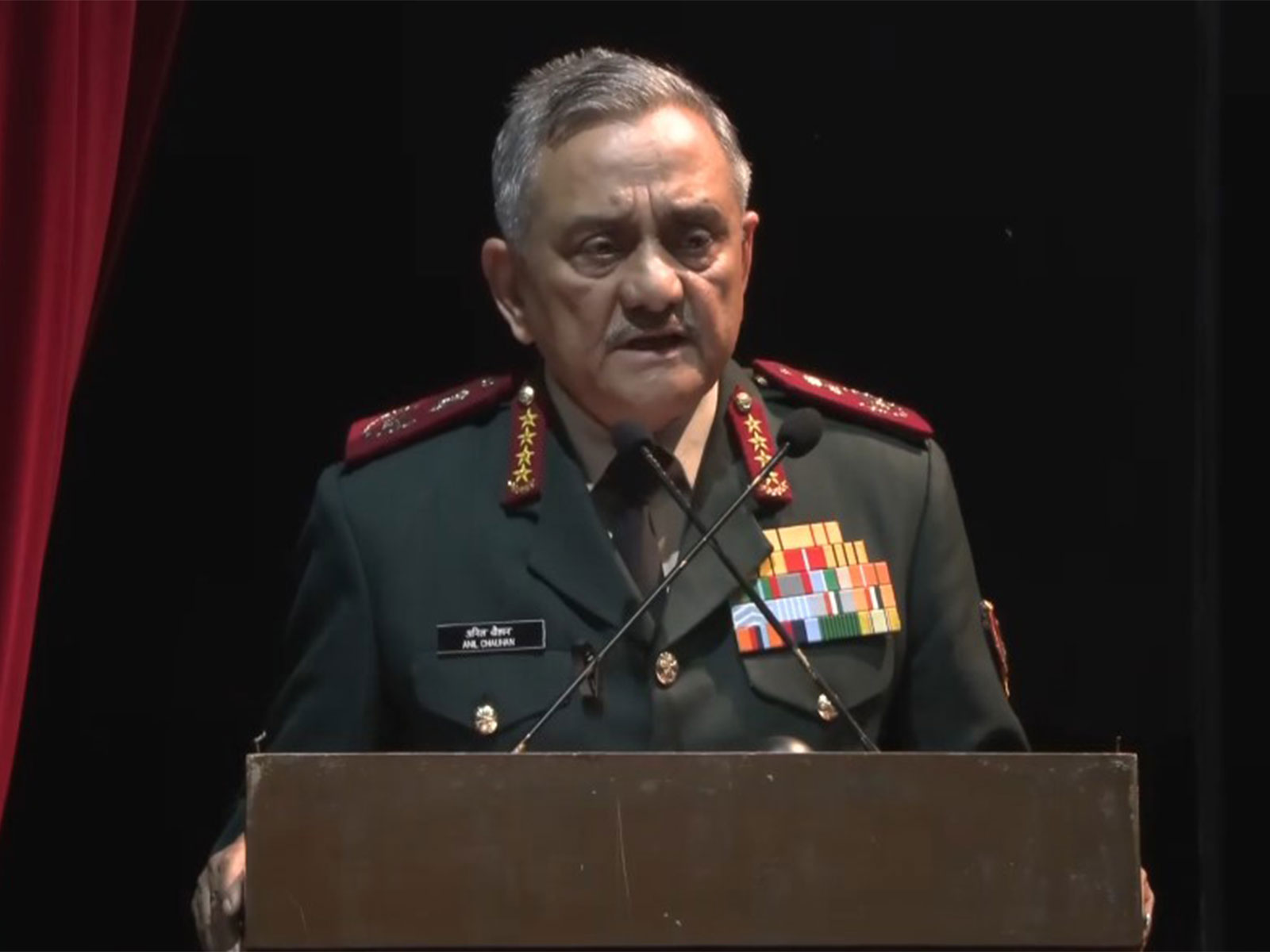
"Need to take inspiration from Indian strategic culture": CDS Gen Anil Chauhan
Jan 23, 2026
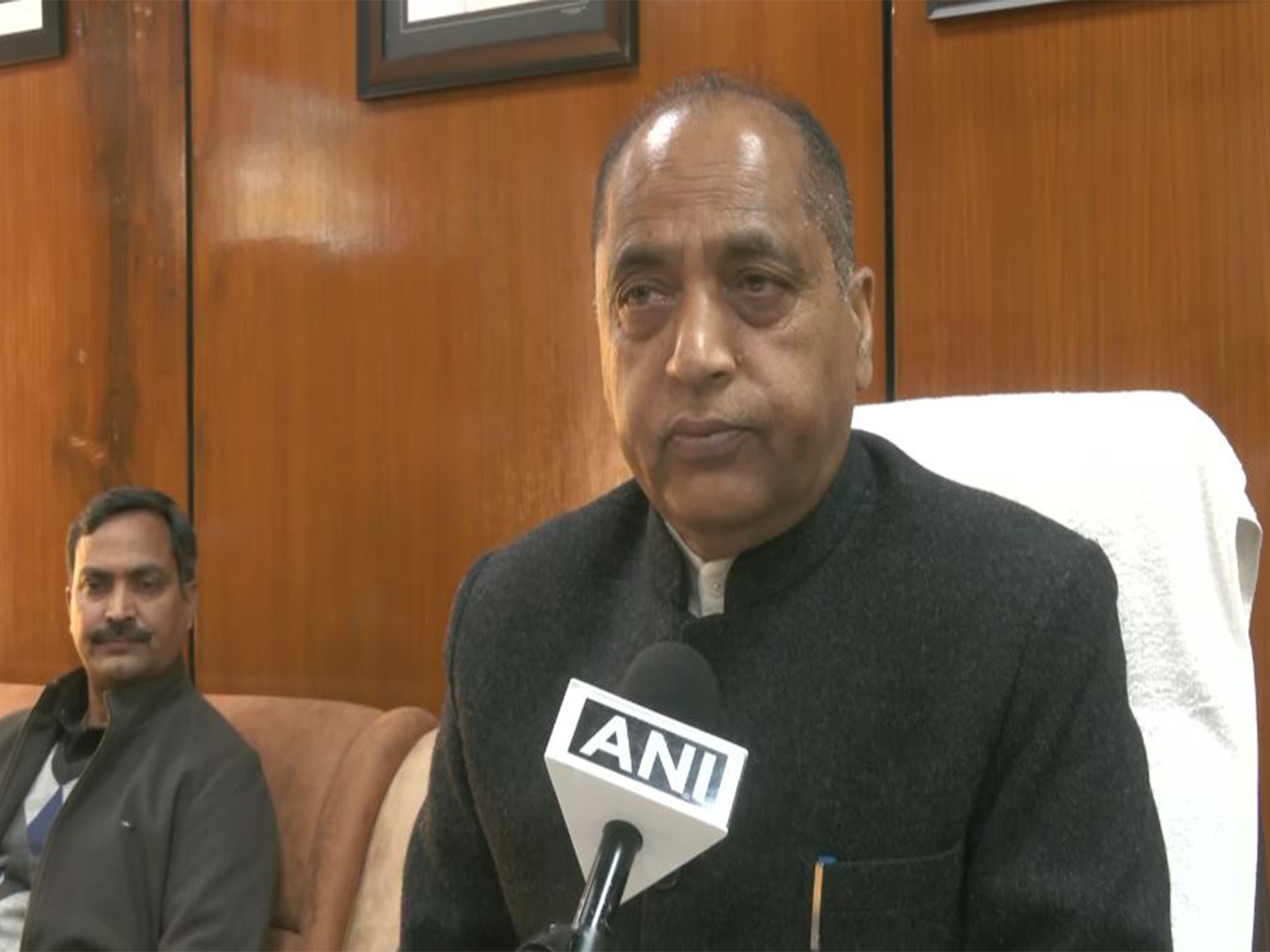
New Delhi [India], January 23 : Chief of Defence Staff (CDS) General Anil Chauhan on Friday said that India must develop its own strategic and technological solutions to emerging security challenges, cautioning that excessive reliance on Western concepts and weapon systems could make warfare predictable.
Addressing students and faculty at Jawaharlal Nehru University on the birth anniversary of Netaji Subhas Chandra Bose, the CDS stressed the need for an innovative mindset rooted in India's unique strategic culture.
"When we talk about innovation or an innovative mindset, we naturally associate this with defence manufacturing, defence R&D, etc. First and foremost, for the defence services, is to think differently because the threats and challenges which India faces are unique to itself," Gen Chauhan said. "Western concepts and Western weapon systems will only introduce predictability into warfare. We need to take inspiration from the Indian strategic culture," he added.
Gen Chauhan said the global security environment is undergoing "unprecedented" disruption rather than gradual change. "What the world is witnessing is not change and transformation, but great disruption. Technological disruptions will decide the outcome of conflicts," he said, noting that the world is passing through one of the most "dramatic" phases of global geopolitics.
According to the CDS, recent developments have ruptured the post-World War 2 global order, directly challenging established international institutions. "There are no permanent friends or allies," he said, adding that emerging technologies such as bioengineering, genetic therapy, and artificial intelligence possess the greatest transformative potential in shaping future conflicts.
He cautioned that existing government structures and military organisations are not fully geared to keep pace with the speed and scale of such disruptions. Gen Chauhan also pointed to a growing tendency among nation-states to use force to achieve political objectives, observing that the world is moving towards an era of "undeclared and informal wars."
"Nations are looking to acquire territories that don't belong to them on grounds of national security," he said.
Emphasising a holistic approach to security, the CDS said, "comprehensive national security extends well beyond military strength."
"A comprehensive national security would be a combination of economic security, environmental security, energy security, information security, cyber security and so on," he said.
Gen Chauhan underlined the role of diplomacy and statecraft in securing national interests, saying such efforts must be grounded in a clear understanding of global and regional geopolitics. Citing India's participation in multiple global groupings, he said, "It requires diplomatic creativity and imagination to be part of the Quad (Quadrilateral Security Dialogue), the BRICS, and the SCO (Shanghai Cooperation Organisation) simultaneously. Such friendships and multiple groupings are required to secure a nation."
Referring to India's long-term strategic and economic interests, the CDS said the country joined the India-Middle East- Europe Economic Corridor to counter the influence of China's Belt and Road Initiative and to safeguard its trade and economic security through a forward-looking strategic approach.
He said, "To counter the influence of BRI and to secure India's long-term strategic interests, trade interests, or economic interests, India became part of a multinational India-Middle East Europe economic corridor. That is taking a long-term view of how you secure your economic future."