"Nehru family stained with blood and deceit": Nishakant Dubey alleges Nehru's role in Shyama Prasad Mukherjee's arrest
May 11, 2026
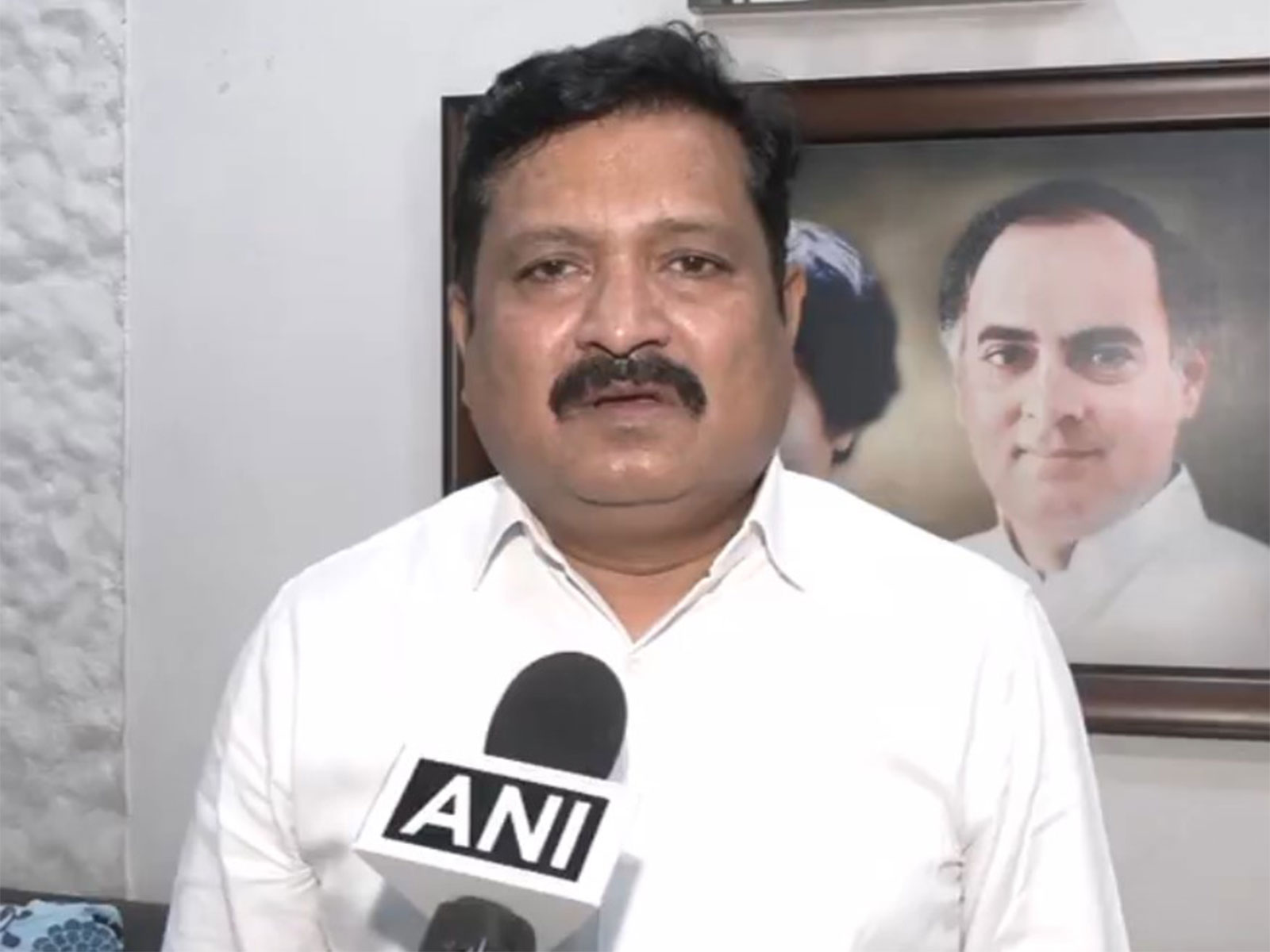
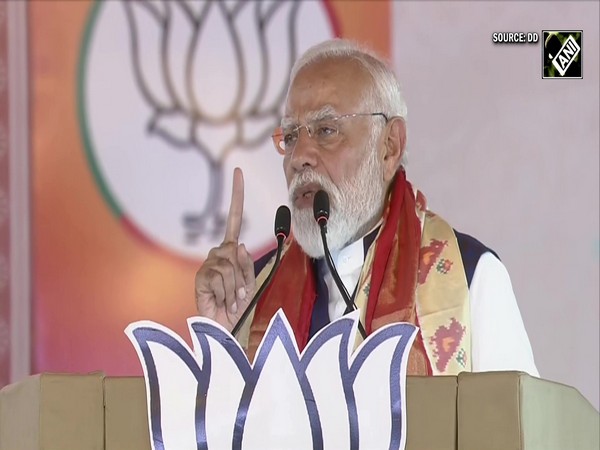
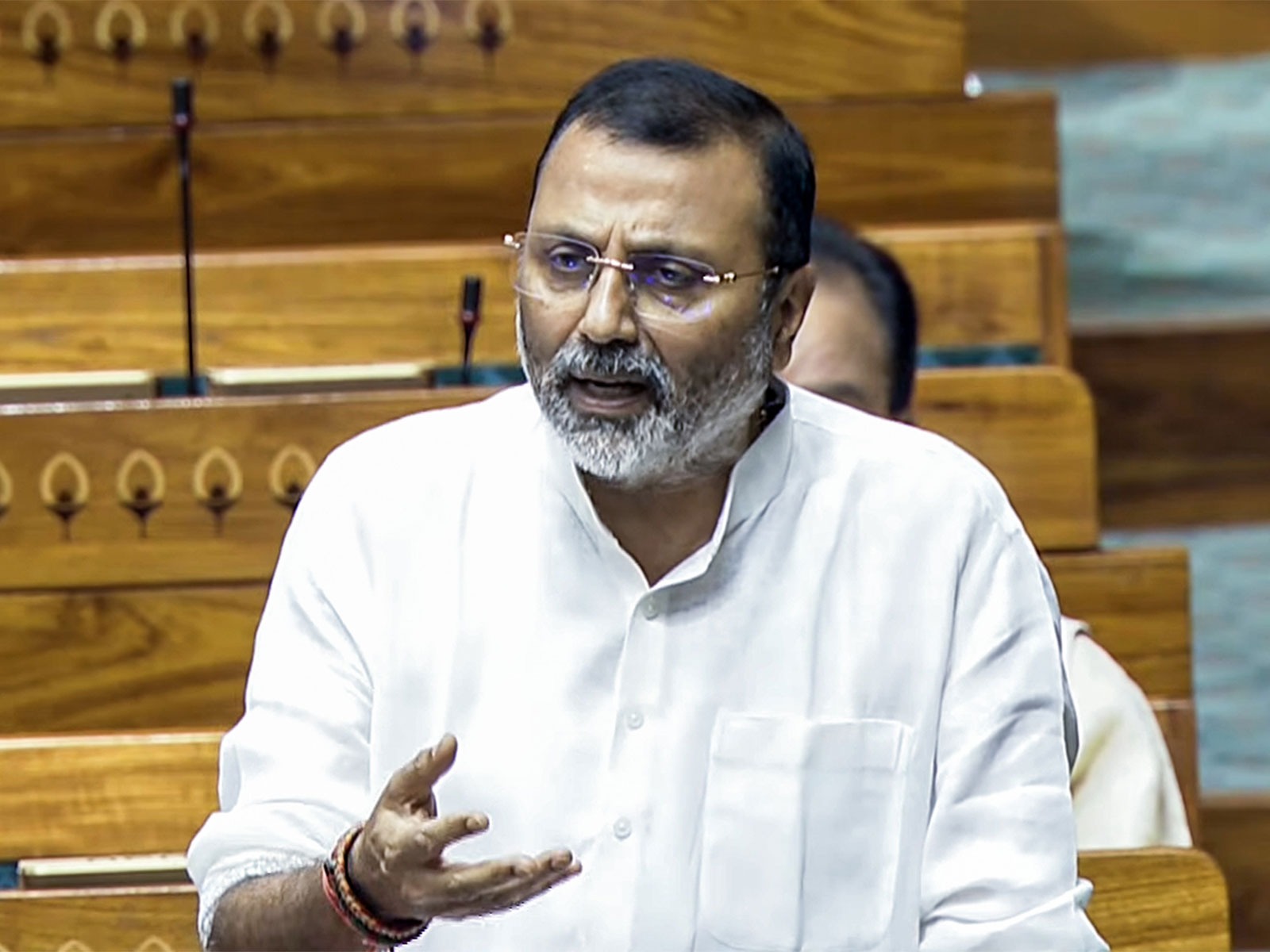
New Delhi [India], May 11 : BJP MP Nishikant Dubey on Monday alleged that the country's first Prime Minister Jawaharlal Nehru was involved in the arrest of Shyama Prasad Mukherjee, the founder of Jan Sangh in Jammu and Kashmir in 1953 and later in the "cover up" after the BJP's ideologue died in jail.
In a post on X, Nishikant Dubey alleged, "On May 11, 1953, on this very day, Nehru Ji had our leader, the founder of the Bharatiya Jana Sangh, Dr. Shyama Prasad Mukherjee Ji arrested for opposing Article 370 and the permit system to travel to Kashmir. Not only that, after this arrest, he died in mysterious circumstances in a Kashmir jail, the cover-up of which was done by Nehru Ji himself.
Sharing a letter of Jawaharlal Nehru to Kailash Nath Katju, then Home Minister, Nishikant Dubey said, "Shyama Prasad Mukherjee Ji had informed Nehru about his movement, and on that information, he ordered the arrest of Sheikh Abdullah and Kailash Nath Katju on May 11. Then, before leaving for abroad for 12 days, he wrote a letter to Kailash Nath Katju Ji ordering him to crush the movement across the country, ban the organisations carrying out the movement--not only that, he also had the publication of the major newspapers of that time, Pratap and Milap, stopped. The hands of the Nehru family are stained with blood and deceit."
https://x.com/nishikant_dubey/status/2053660748480741843?s=20
Shyama Prasad Mukherjee fiercely opposed Article 370. His slogan, "Ek desh mein do Vidhan, do Pradhan aur do Nishan nahi chalenge" (One country cannot have two constitutions, two leaders, and two flags), was the driving force behind the 2019 abrogation of Article 370.
In 1953, Shyama Prasad Mukherjee was arrested by Jammu and Kashmir police for entering the state without a permit, violating the then-existing law requiring permission to enter the region. He entered the region as a protest against the permit system.
He was detained for 45 days in Srinagar, where his health deteriorated, and he died on June 23, 1953.
Mukherjee championed the idea that Indian identity is rooted in its civilizational heritage, a core tenet of the RSS's philosophy. He envisioned a Bengal that was an industrial and intellectual powerhouse, free from the "fear" that the BJP claims characterised the state's later decades under Left and TMC rule.