Nepal halts Gulf work permits amid rising Middle East tensions
Mar 01, 2026
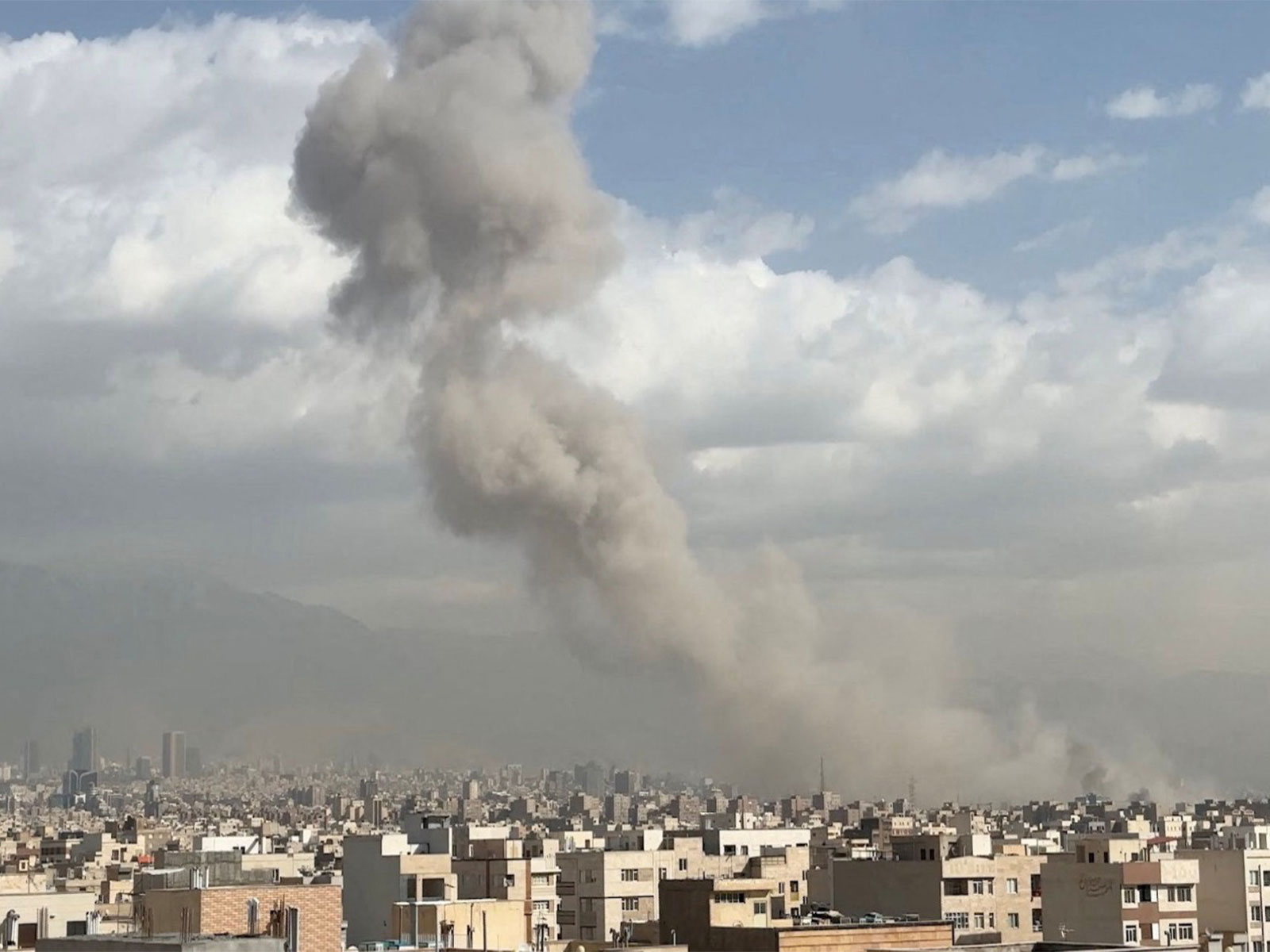
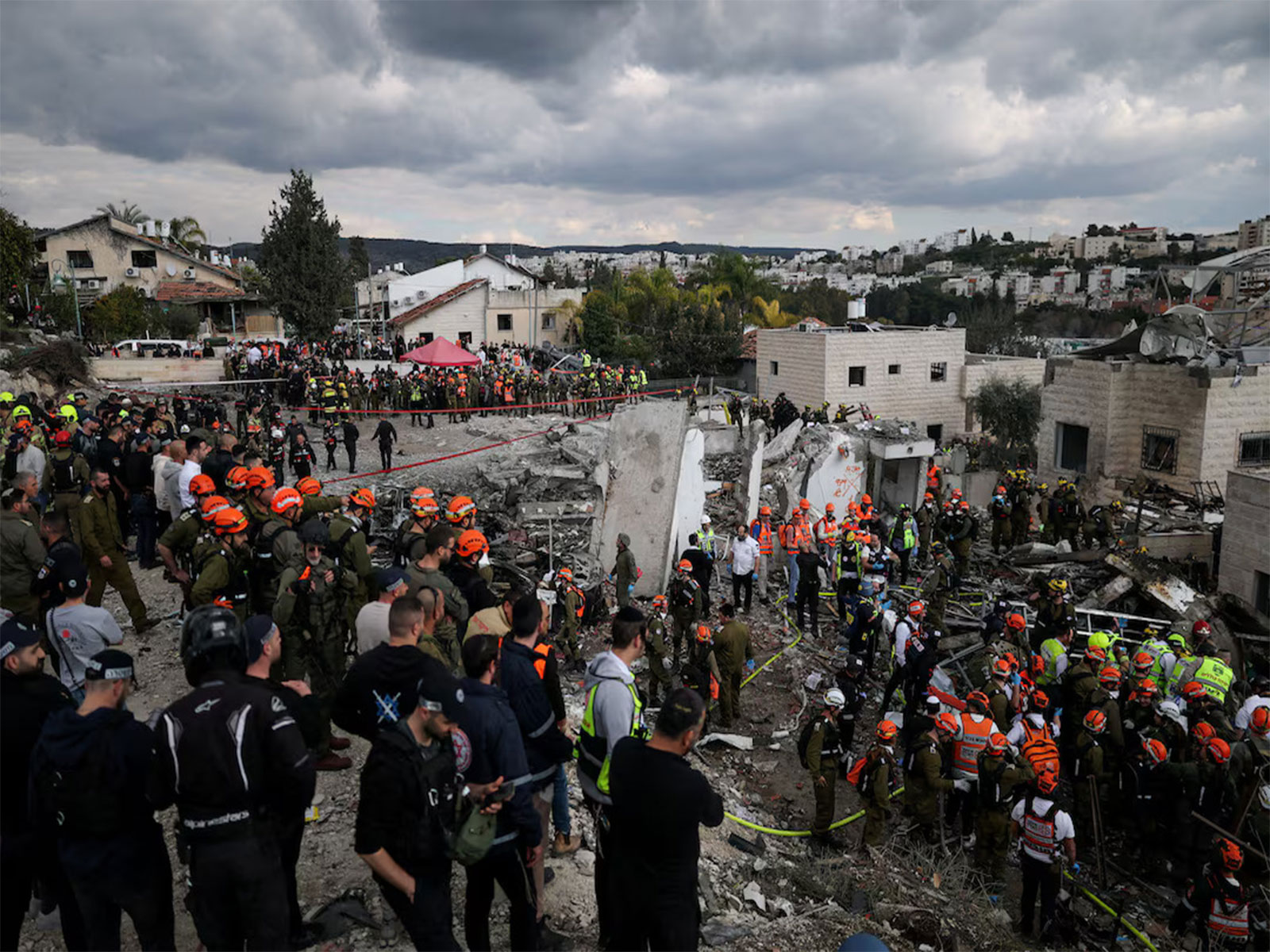
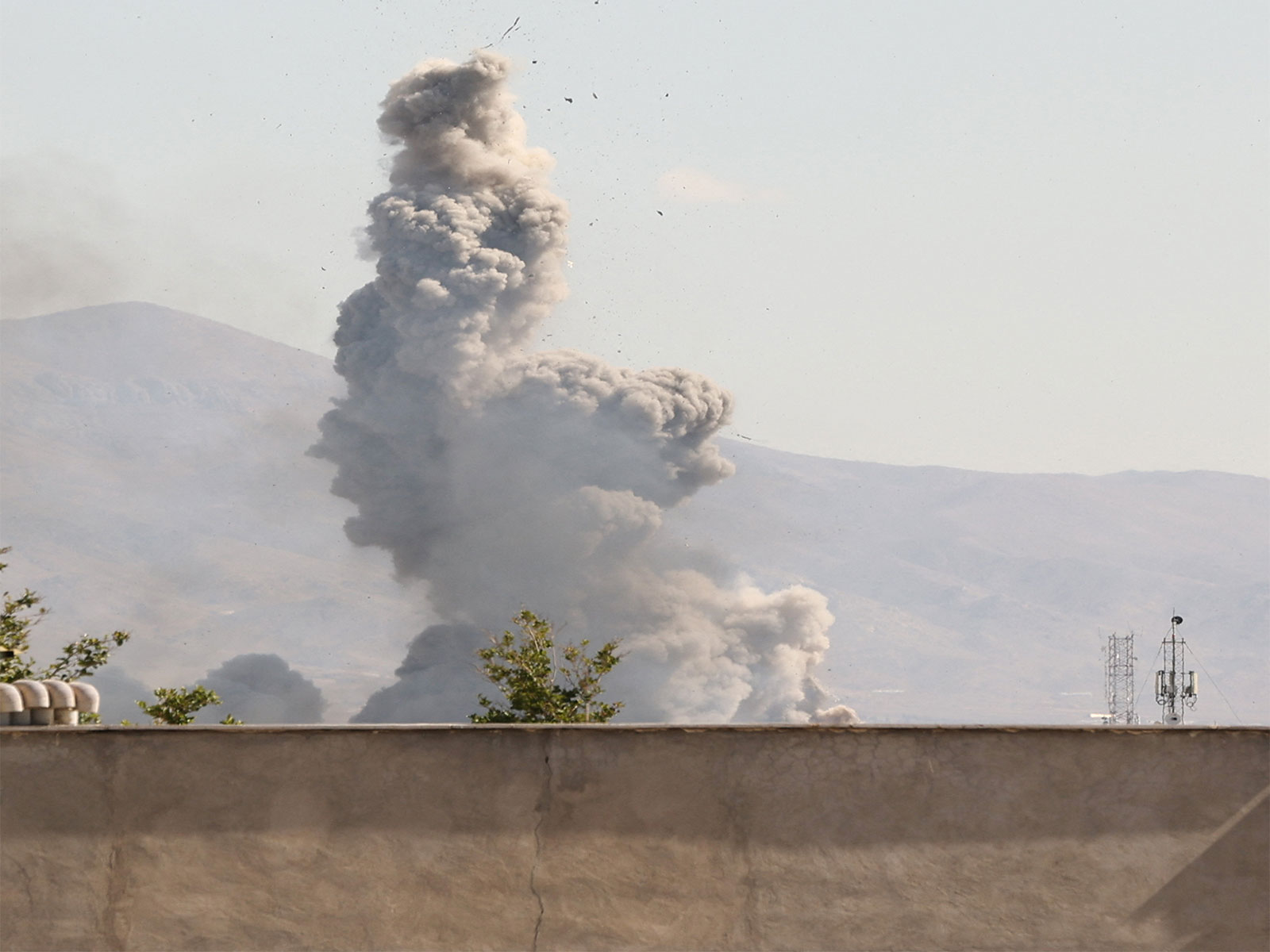
Kathmandu [Nepal], March 1 : Nepal has halted the issuance of work permits for Gulf countries in the wake of heightening tensions in the region, as Iran continues to attack Middle East nations since Saturday.
An emergency Cabinet meeting held on Sunday at the Prime Minister's residence decided to halt the issuance of work permits for those flying to Gulf countries, citing security reasons.
"Work permits issued to workers going for foreign employment in those countries have been suspended for the time being due to the increased risk arising from the recent adverse situation in the Middle East," Minister for Labour, Employment and Social Security Rajendra Singh Bhandari confirmed.
Earlier, the Department of Foreign Employment had been issuing work permits regularly.
As per the Ministry of Foreign Affairs (MoFA), the government is continuously monitoring official statements issued by host countries and closely assessing the evolving security situation in the Middle East.
Organising an emergency press conference on Sunday, the ministry stated that the protection of Nepalis abroad remains its top priority.
"Looking at the recent developments, many nations have issued statements regarding the unfolding situation. The Ministry of Foreign Affairs (Nepal) is continuously monitoring them as well as the developing scenario. At this time, the Foreign Ministry and the Government of Nepal have highly prioritised the security of Nepali citizens in the Middle East. For this, we have also initiated various steps," Ramkaji Khadka, Joint Secretary at the Foreign Ministry's Central Asia, West Asia and Africa Division, said.
According to the ministry, around 1,729,288 Nepali nationals are currently living and working across the Middle East.
In preparation for possible evacuation or emergency assistance, the ministry has directed the Department of Consular Services to develop an online registration platform through which Nepalis in the region can submit their personal details.
The ministry is also preparing to launch a 24-hour consular response hotline to improve access to emergency assistance.
Khadka informed that initiatives are underway to form a multi-stakeholder emergency rescue team under the coordination of Foreign Secretary Amrit Kumar Rai. The team will include representatives from relevant ministries, security agencies and other concerned institutions.
The ministry also identified four categories of Nepalis currently facing difficulties abroad: travellers unable to fly despite having visas and tickets; passengers facing problems exiting airports upon arrival; individuals stranded in transit, particularly while travelling to Europe and the United States; and migrant workers unable to reach their employers after arriving in destination countries.
The ministry stated that there are no confirmed reports of Nepali casualties so far; however, it stressed the need for continued vigilance.
"Nepal urges all parties concerned to exercise maximum restraint, refrain from further escalating tensions, and ensure the protection of civilians. Nepal calls for resolving differences through diplomacy and dialogue. Nepal emphasises that the sovereignty and territorial integrity of all States should be respected in line with the UN Charter and international law. Nepal views that the rules-based international order and the responsibility of maintaining international peace and security should be upheld," Lok Bahadur Chhetri, Spokesperson of the Ministry of Foreign Affairs, said.
The Gulf countries are key destinations for foreign employment for Nepali workers. The military escalation in the Middle East over the past 24 hours has raised serious concerns about the safety of Nepalis working in the region.
According to the latest data from the Government of Nepal and various migration agencies, among the six major Gulf countries, the UAE hosts the largest number of Nepalis, with more than 600,000. Qatar is estimated to have around 500,000 Nepalis as workers.
Saudi Arabia is home to approximately 450,000 Nepalis, Kuwait around 120,000, and Bahrain and Oman more than 50,000 each. In addition, about 5,000 Nepalis are working in Israel, mainly in caregiving and agriculture.
The rising trend of flying abroad in search of better opportunities and education has been increasing in the Himalayan nation, which has a population of less than 30 million. The majority of those flying abroad are youths in the earning age group, queuing at the airport ready to take off, leaving the elderly behind.
An estimated 1,500 Nepali youths have been departing from Tribhuvan International Airport to work abroad in Middle East nations as wage labourers in search of a better life and opportunities.