Nepali Congress dispute spills to streets as Election Commission recognises Gagan Thapa
Jan 16, 2026
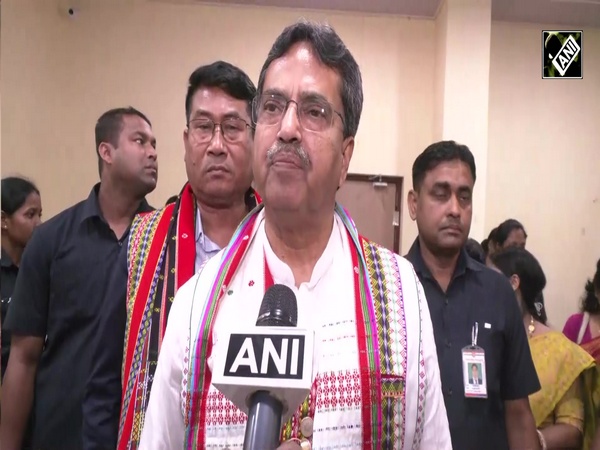
Kathmandu [Nepal], January 16 : The intra-party rift in the Nepali Congress has spilt onto the streets after the Election Commission decided to recognise newly elected party president Gagan Thapa as the legitimate party leader.
Thapa was elected as the party president at the special convention that concluded earlier this week, despite protests from former Prime Minister and immediate past party president Sher Bahadur Deuba.
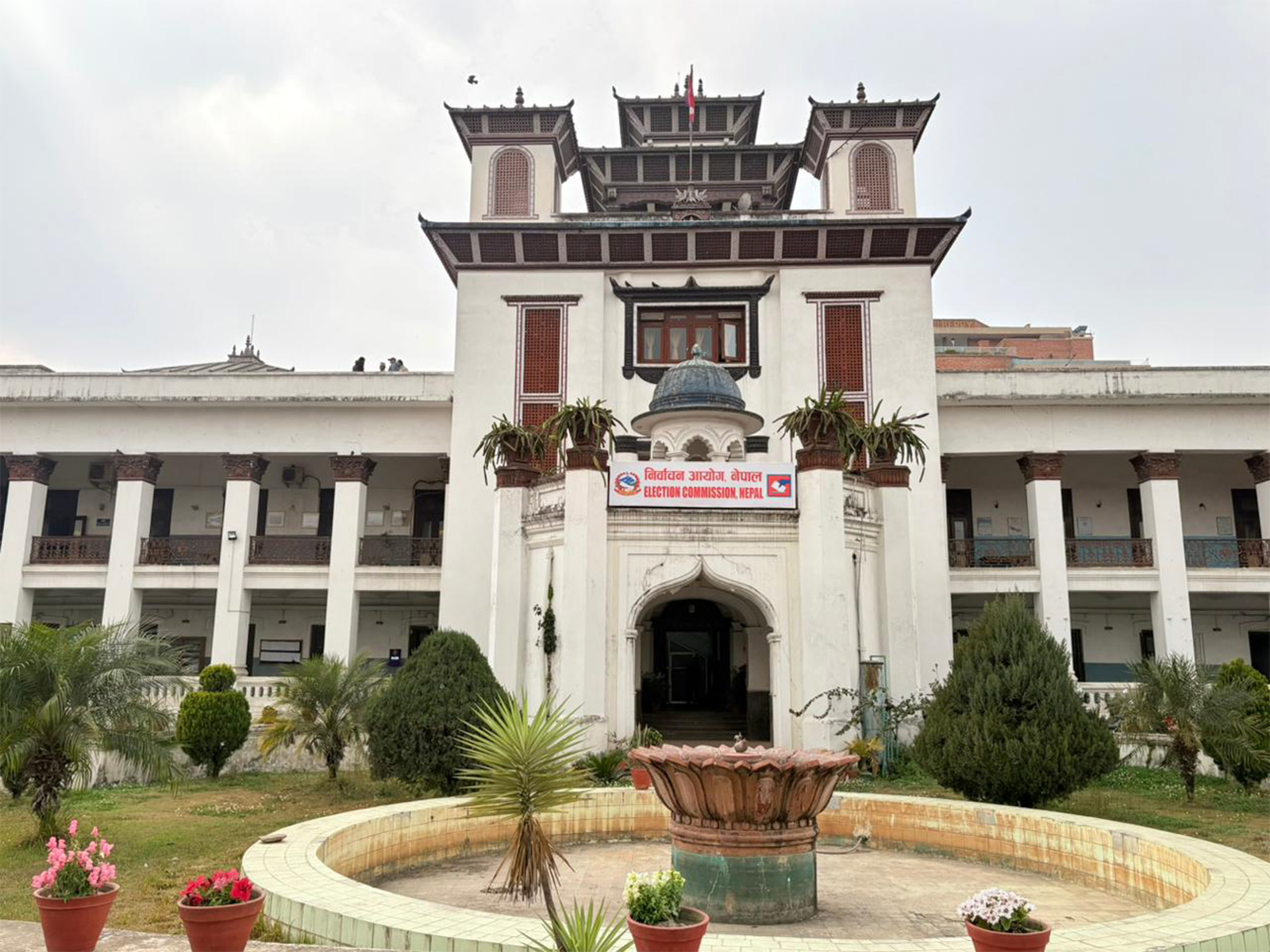
The dispute reached the electoral body of the Himalayan nation, which late on Friday evening decided to update its records to reflect Gagan Thapa as the new party president.
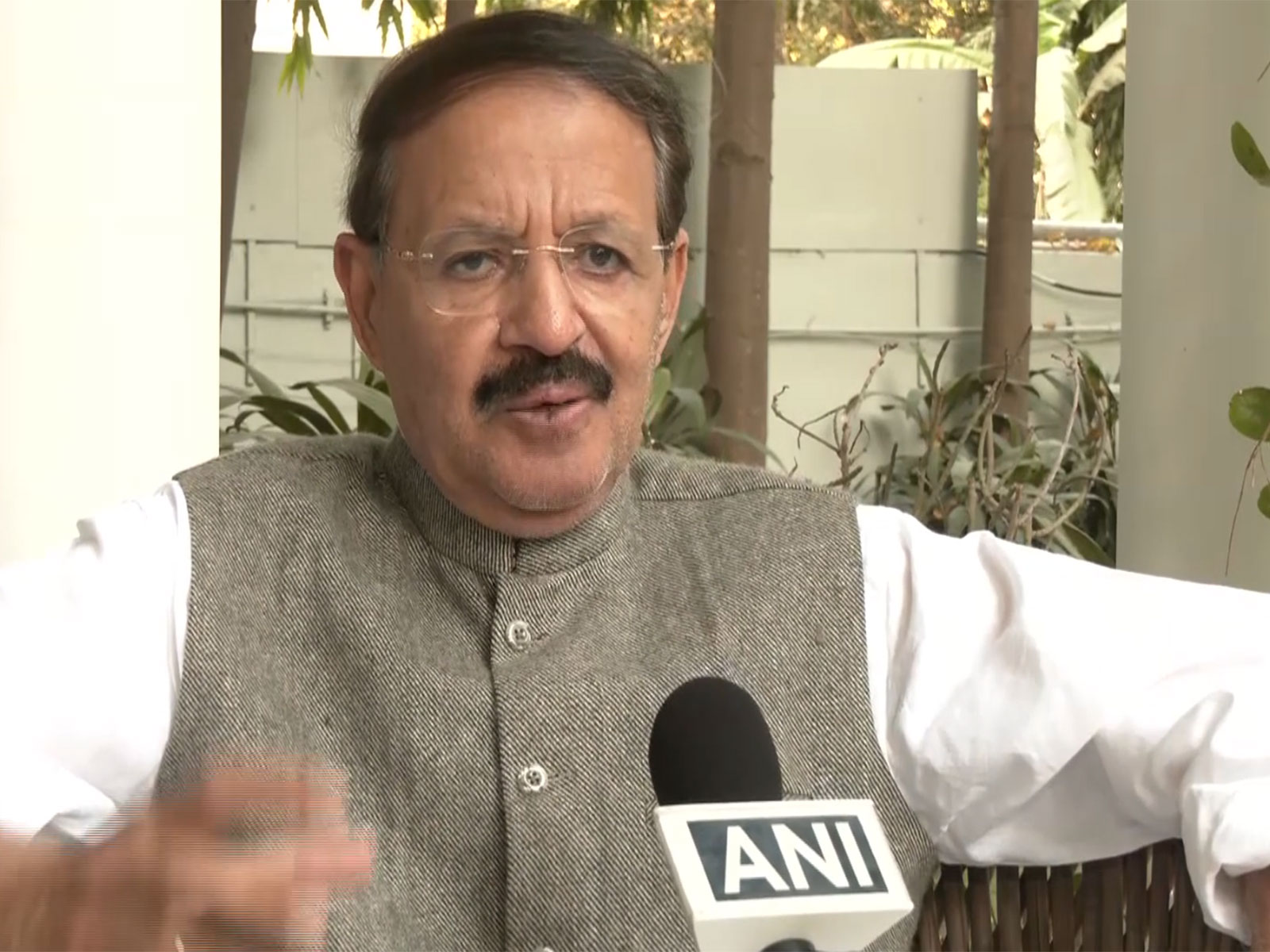
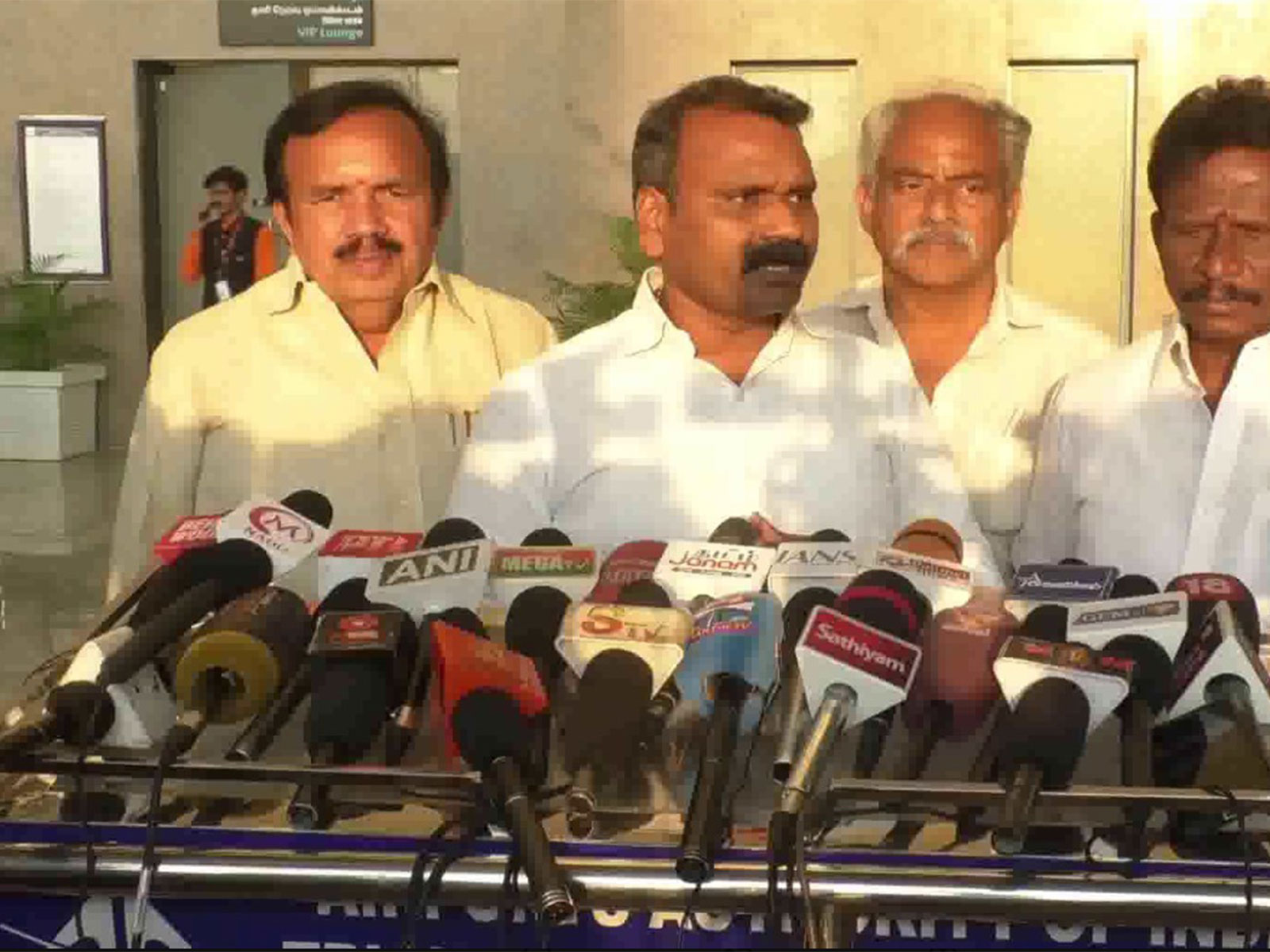
As per Acting Chief Election Commissioner Ram Prasad Bhandari, the commission relied on three key grounds to decide on updating the party's details.
According to the election official, the commission considered the Nepali Congress statute that allows 40 per cent of general convention delegates to demand a special general convention. "The commission found that such a convention had been held as mandated."
"Secondly, the statute clearly establishes general convention delegates as the supreme authority of the party, making their decisions binding. Thirdly, the commission noted that there was no recorded dissent over the demand for a special general convention, confirming that it was convened in line with the statute," Bhandari confirmed ANI over the phone.
The groups led by Sher Bahadur Deuba and Thapa had submitted separate claims to the commission, each asserting its legitimacy.
One of Nepal's oldest political parties, the Nepali Congress, formally split on Wednesday (January 14, 2026), with the special general convention nominating Gagan Thapa as the party president. The Deuba faction, however, termed the special general convention "illegitimate" and against the party charter.
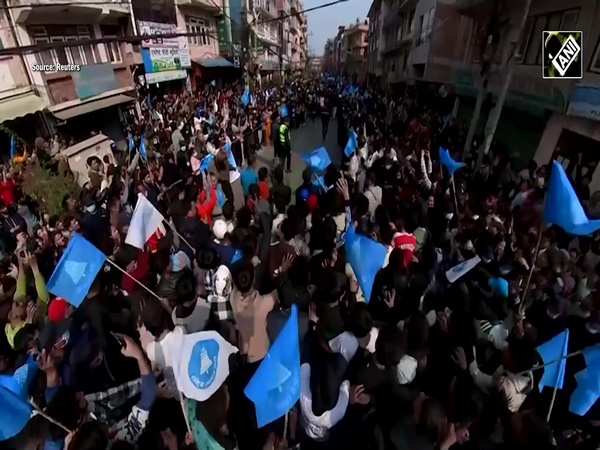
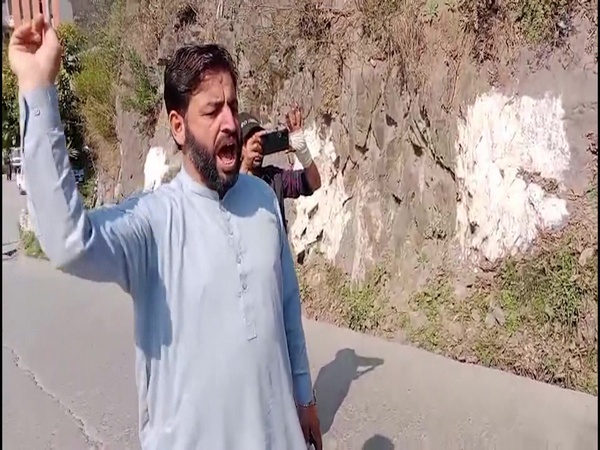
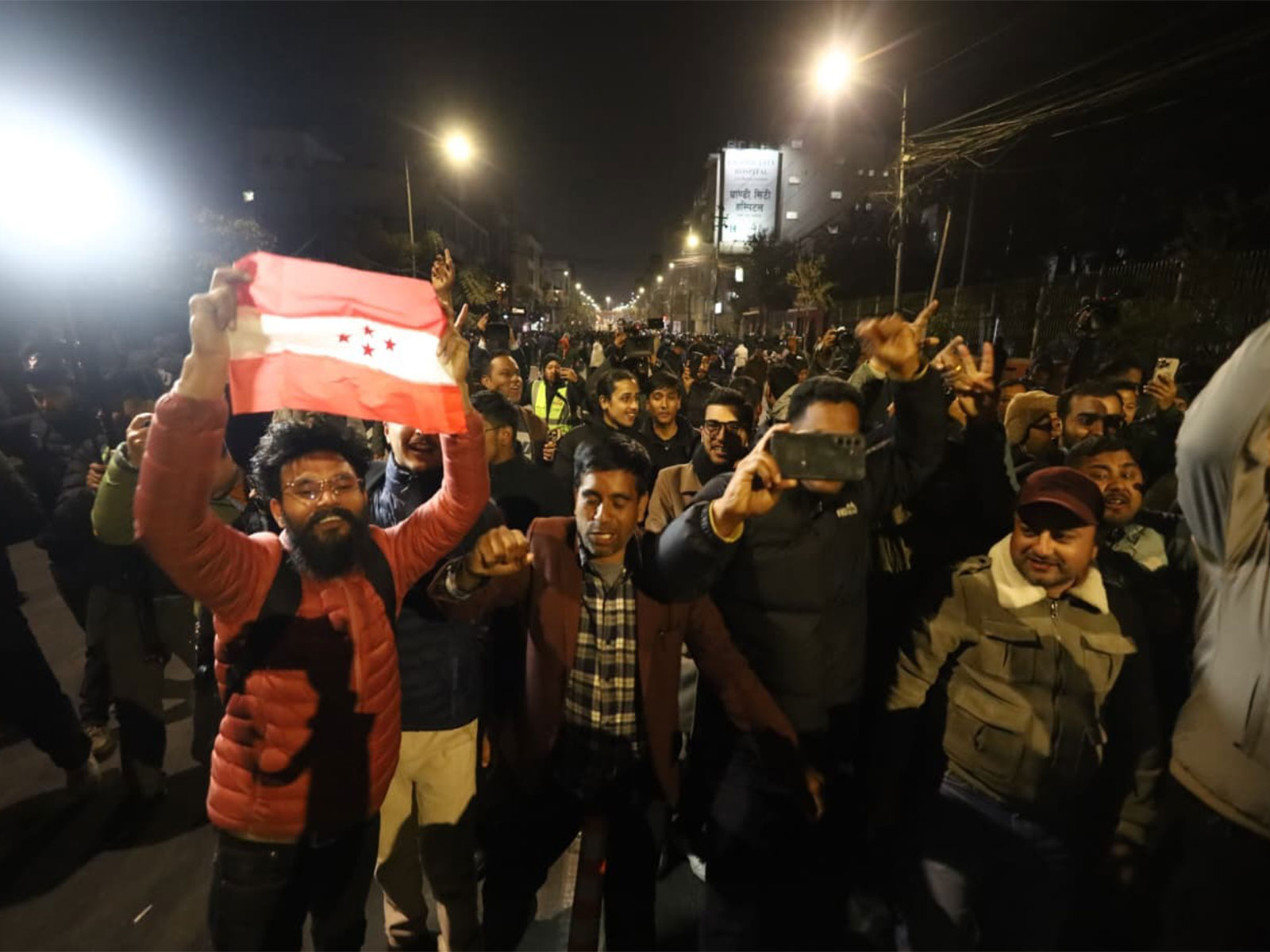
On Friday, after the commission granted official recognition to Gagan's faction, the Deuba group staged protests, chanting slogans in opposition. Strict security measures were put in place outside the Election Commission ahead of the electoral body's final decision.
The faction led by Thapa, elected through the party's special general convention, filed an application to update the party's details, while the Deuba faction submitted a counter-application opposing it.
Newly elected Congress Vice-President Bishwa Prakash Sharma, in a Facebook post, announced that the party would move forward by accommodating leaders and cadres who had been left out.
"The Nepali Congress has returned in a new way and is heading into the elections. We will be on the ground day and night with you," Sharma said, adding that those excluded from the central committee would be included and taken along. He said the party would accelerate the candidate selection process in the coming days.
Sharma also said the party would work to implement a system that bars anyone from becoming prime minister more than twice and move towards a governance model that ensures stability for five years.
For the second time in history, the Nepali Congress held its special general convention, called by then general secretaries Thapa and Sharma in the second week of January. Thapa and Sharma maintain that the convention was demanded by 2,488 elected representatives, more than 54 per cent of the total. Leaders backing the convention said over 60 per cent of elected delegates participated.
The Congress statute provides that the party leadership must call a special general convention if at least 40 per cent of the party's elected general convention representatives demand it.
A petition signed by 53 per cent of the Nepali Congress general convention representatives was submitted at the party headquarters in mid-October, seeking a special general convention and election of a new leadership.
The special convention was held eight weeks prior to the general election called after the dissolution of the House of Representatives following the Gen-Z revolution, which spiralled from September 8. The September 8 protest turned bloody with the indiscriminate killing of youths by security forces, and was called in defiance of a social media ban and in protest against corruption.
In Kathmandu alone, 23 protesters, mainly youths, were gunned down by the police in a single day. The next day, on September 9, a violent mob burnt private and public infrastructure, businesses and properties. A total of 76 people are confirmed to have died to date.
The post-mortem report of those killed in police firing in Kathmandu Valley states that deaths were due to bullet injuries to the head and chest. During the protests, police were only allowed to fire below the knee to control the situation.
Police also used some lethal weapons to crack down on the protesters, following which former Home Minister Ramesh Lekhak stepped down from the post. But Oli remained adamant about resigning despite rising pressure.
Appointed as the Interim Prime Minister on September 12, Karki recommended that the president dissolve Parliament and called for elections on March 5, 2026.