Netaji's daughter Anita Bose Pfaff urges Indians to support return of Bose's mortal remains from Japan
Jan 23, 2026
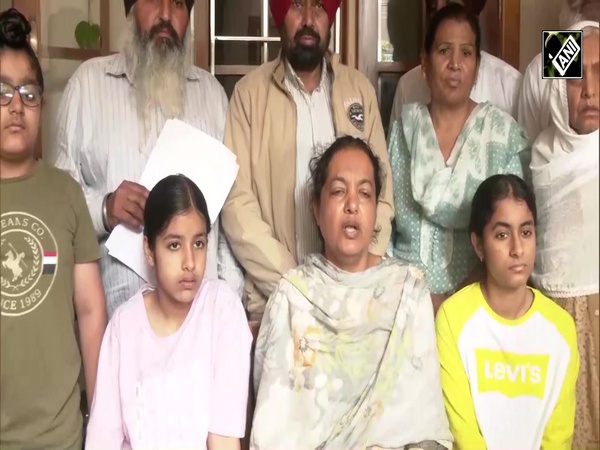
New Delhi [India], January 23 : On Netaji Subhas Chandra Bose's birth anniversary, his daughter, Anita Bose Pfaff, on Friday urged Indians to support the transfer of his mortal remains to India for final disposal.
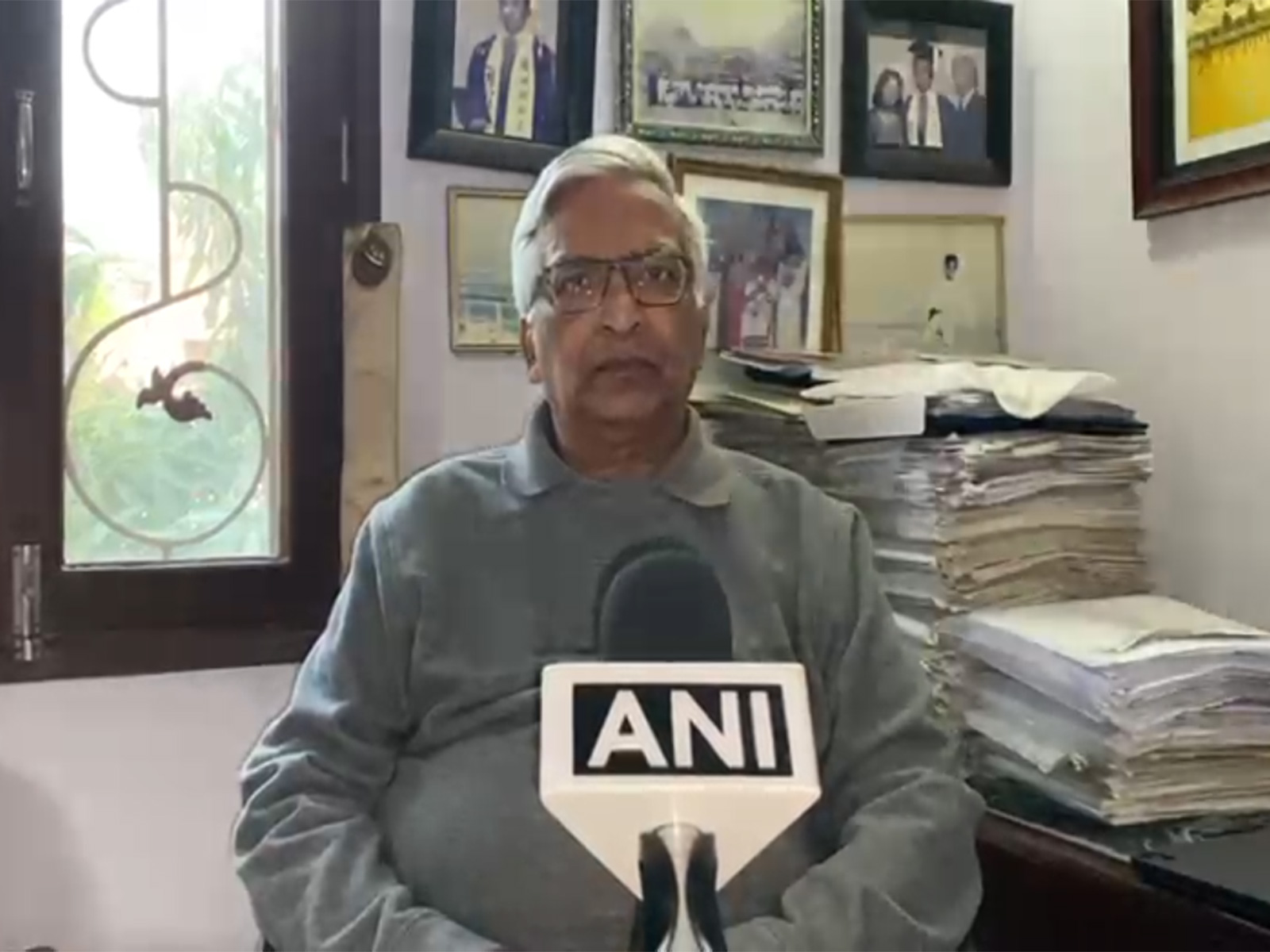
In a statement, Anita Bose Pfaff paid tribute to Netaji and said, " As Netaji's daughter I invite the Indians of today who still revere him to support his posthumous return from exile; to support the transfer of his mortal remains to India for a final and fitting disposal."
She highlighted Netaji's role and the contribution to India's independence struggle, recalling the events that led to his death.
"My father dedicated his life in quest of India's freedom from British rule: He refused to accept a commission in the coveted Indian Civil Service, despite passing his exams brilliantly. He spent 20 years with the Congress movement for Indian independence, rising to be twice elected its President. When he had to conclude that staying on in India meant staying in jail and therefore unable to continue his struggle, he managed an adventurous and dangerous escape to Germany and Italy. When the fortunes of war changed in Europe he was transferred to the Far East on another dangerous journey - by German and Japanese submarines. From Singapore he took command of the Indian National Army and proclaimed a Provisional Government of Free India," she said.
Pfaff stated that Netaji's remains are still kept at Renkoji Temple in Tokyo.
"Netaji was cremated in Taipei, and his remains were taken to Tokyo. The head priest of the Renkoji Temple acceded to the request of members of the Indian community in Tokyo to keep Netaji's remains safe "for a few months". More than 80 years have passed since; yet Netaji's remains still rest in Renkoji Temple. I am indebted to Japan and specifically to three generations of head priests of Renkoji Temple who have taken care to preserve and honour Netaji's remains," she said.
"Once asked what he feared and abhorred most, Netaji is reported to have answered, "to be in exile". In the 1930s he had returned to India from exile in Europe, even though he had been warned that he would be imprisoned immediately upon arrival. He only fled from India in 1941 to avoid renewed imprisonment. He was sadly never to return alive to his beloved motherland," she added.
Netaji Subhas Chandra Bose was a prominent nationalist leader who played a key role in India's struggle for independence. Born on January 23, 1897, in Cuttack, Odisha, he abandoned a career in the Indian Civil Services to join the Congress, where he became known for his radical demand for complete independence. Twice elected Congress president, he resigned after differences with Mahatma Gandhi. During World War II, he led the Indian National Army with Japanese support against the British. Though unsuccessful militarily, his courage inspired millions.
As per the Ministry, Netaji Subhas Chandra Bose reportedly died on August 18, 1945, in a plane crash in Taipei, where he suffered severe burns and later succumbed to his injuries. However, the exact circumstances of his death remain a subject of much "speculation" and "controversy". The Ministry, on its official site, mentioned, "Despite various investigations, the exact circumstances of his death remain unresolved."