New Aadhaar app designed around principle of "data minimisation", strengthens security: Dy DG UIDAI
Feb 10, 2026
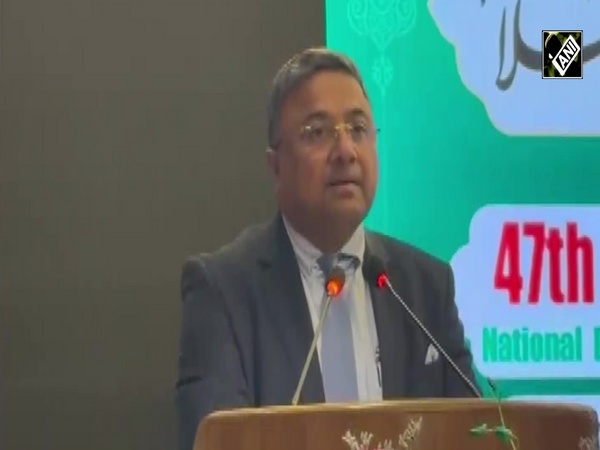
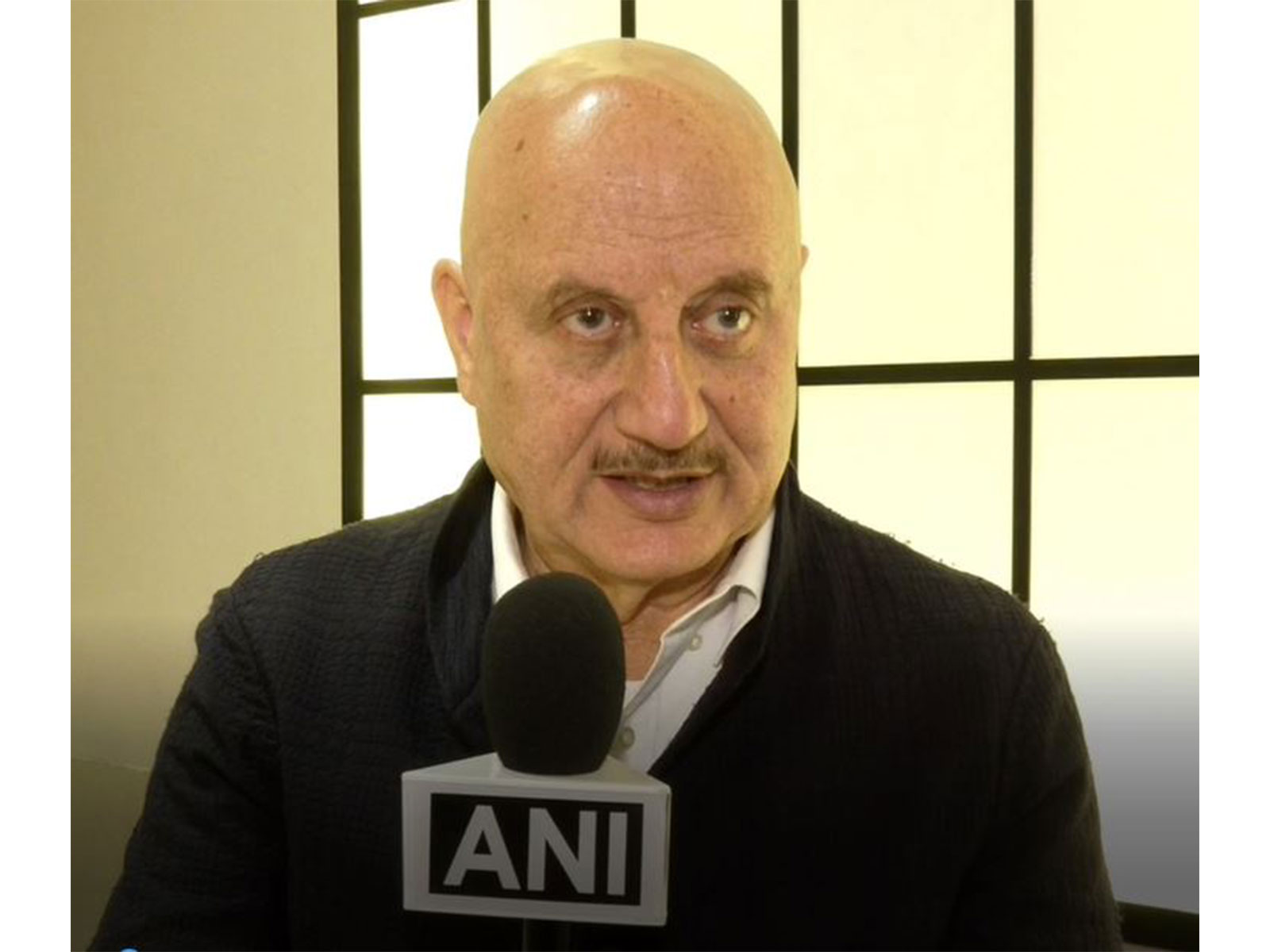
Mumbai (Maharashtra) [India], February 10 : The new Aadhaar app is expected to significantly simplify identity verification while strengthening data security and user consent, said Vivek Chandra Verma, Deputy Director General at UIDAI.
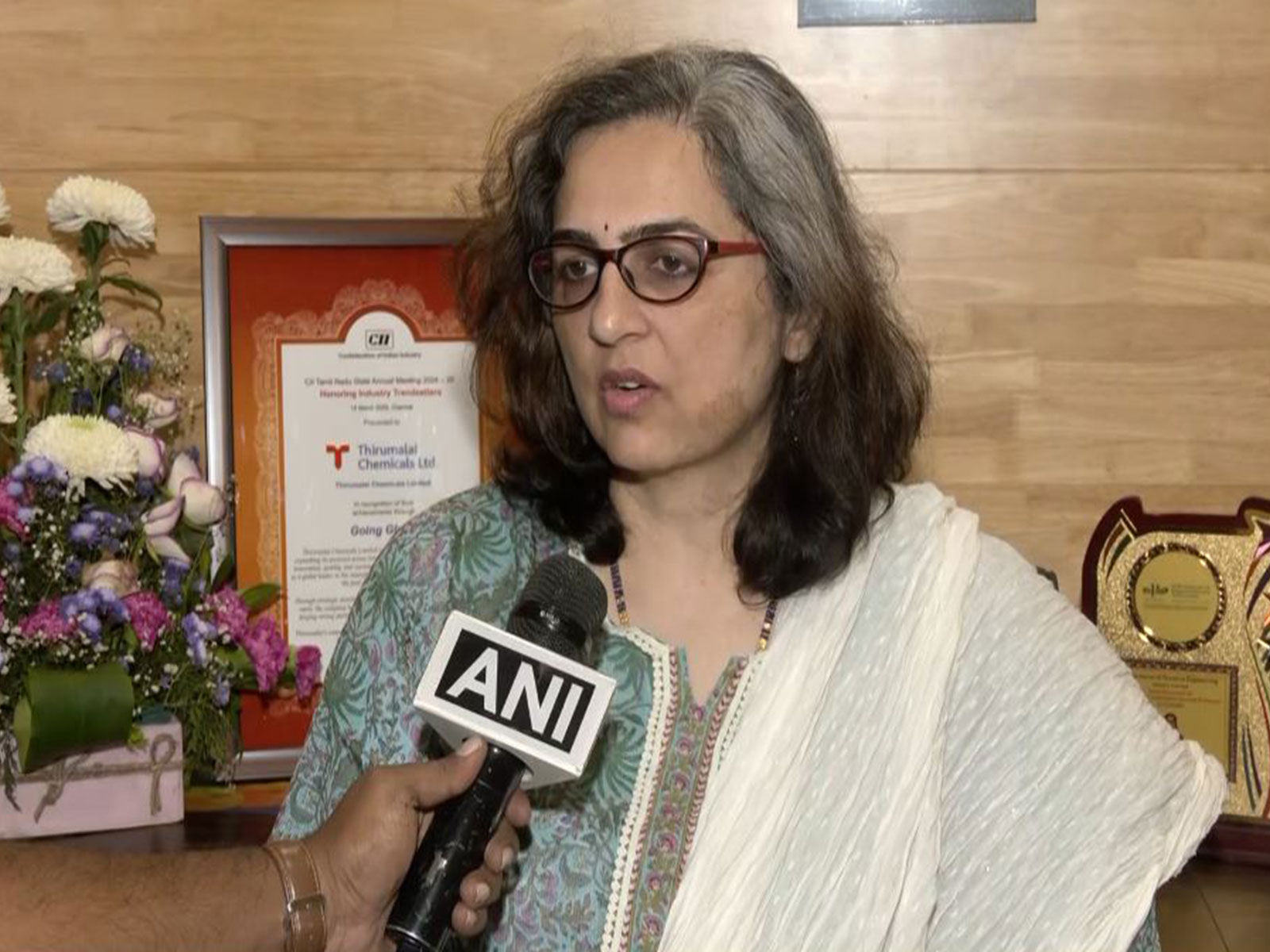
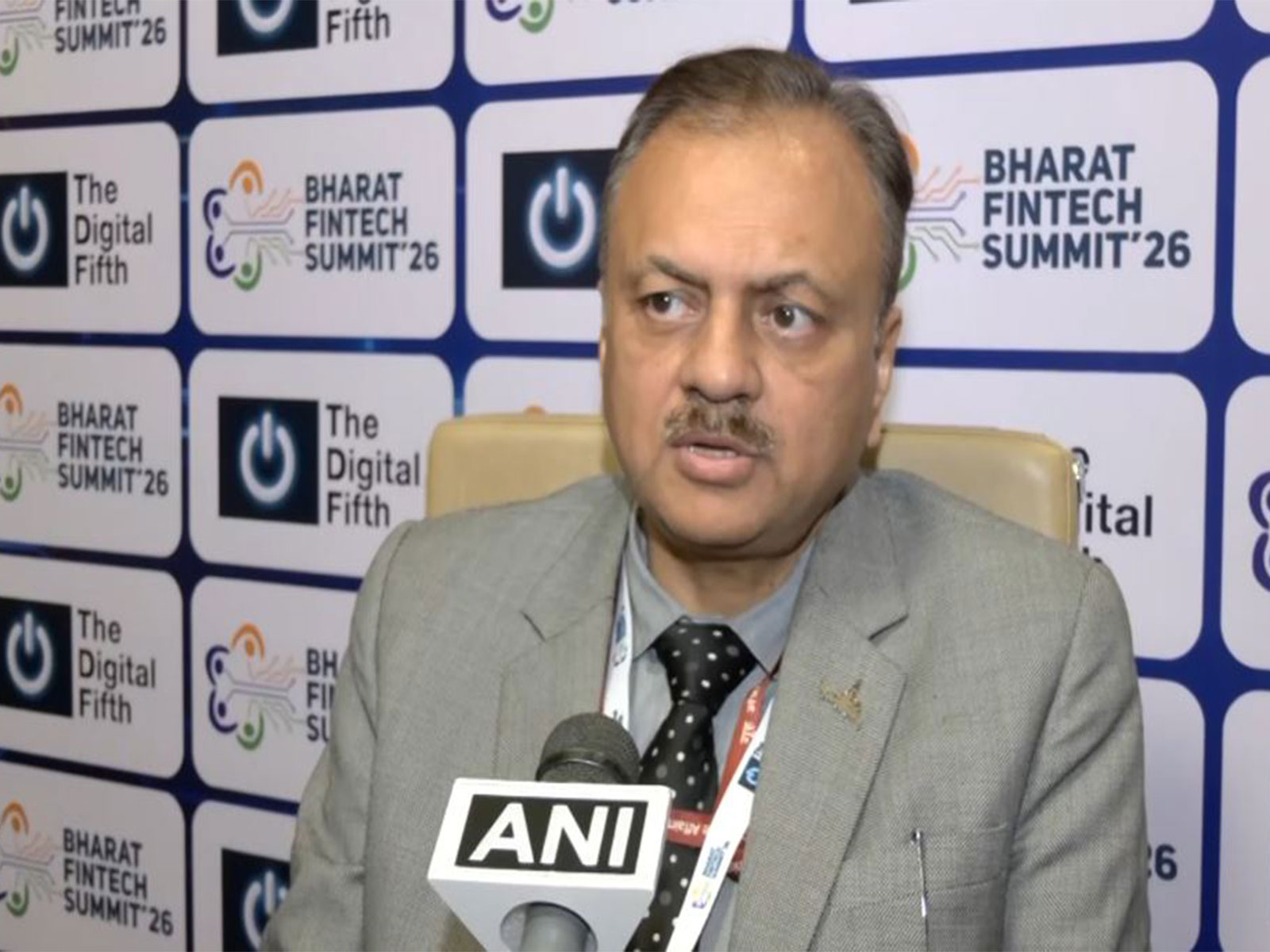
Speaking with ANI on the sidelines of the Bharat Fintech Summit, Verma outlined how the digital platform will reduce reliance on physical documents and minimise the risk of fraud.
Verma said the Aadhaar app is designed around the principle of data minimisation, in line with the Digital Personal Data Protection (DPDP) Act, which is set to take effect. Under the framework, entities are required to collect only the data strictly necessary for a specific purpose.
"Aadhaar does not always mean sharing all attributes. Even two or three attributes, like name or photograph, may be sufficient. The data shared is e-signed, verified and comes directly from Aadhaar, ensuring authenticity while reducing compliance burden for companies," he said.
He added that businesses increasingly prefer minimal data collection as it reduces their obligations as data fiduciaries under the DPDP Act and lowers cybersecurity risks.
Verma said UIDAI is also focusing on adoption in tier-3, tier-4 towns and rural areas, noting that India has over 142 crore Aadhaar holders, with 123 crore linked to mobile numbers and more than 80 crore smartphones in use.
To address limited smartphone access in smaller towns, UIDAI has introduced a 'one app, multiple profiles' feature, allowing up to five Aadhaar profiles on a single device. "Even if a family has one smartphone, all members can use Aadhaar services," he said.
On the app's impact, Verma said Aadhaar holders can now update their Aadhaar number from home within minutes, lock and unlock biometrics instantly, and manage identity details for up to five family members on a single device.
"The basic objective is to make life easier and more convenient moving from paper to paperless," he said.
"With QR-code-based identity sharing, users no longer need to carry or submit photocopies of Aadhaar cards. When you check into a hotel, you scan the QR code, see who is requesting the data and for what purpose, and provide consent. Only after the Aadhaar holder agrees does the information get shared," Verma explained.
Highlighting the evolution from physical cards to digital verification, Verma said the Aadhaar app increases trust by a factor of 10.
"A physical Aadhaar card can be tampered with or duplicated. But digital verification immediately flags incorrect or fraudulent data," he said, adding that the app significantly reduces the risk of identity fraud.
Regarding concerns about data leaks, Verma said no data breach has occurred from UIDAI's central database in over 16 years of Aadhaar's existence.
He pointed out that misuse typically happens when physical copies are shared indiscriminately, a risk addressed through controlled, consent-based digital sharing.
"With DPDP in place, entities will be legally bound to safeguard digital data and report breaches. There will be accountability," he said.
On Artificial Intelligence (AI), Verma said, "AI is being used by UIDAI to enhance security, including fraud detection, liveness checks and risk modelling. It will augment Aadhaar's usage, not compromise it. AI systems operate within defined legal and technical guardrails."
"Aadhaar app has clear boundaries. Offline verification cannot be performed on behalf of another person. Purpose limitation and registration are mandatory," he said.