NIA cites expanding terror conspiracy, digital evidence trail to seek 45-day extension in Delhi Blast probe
Mar 26, 2026
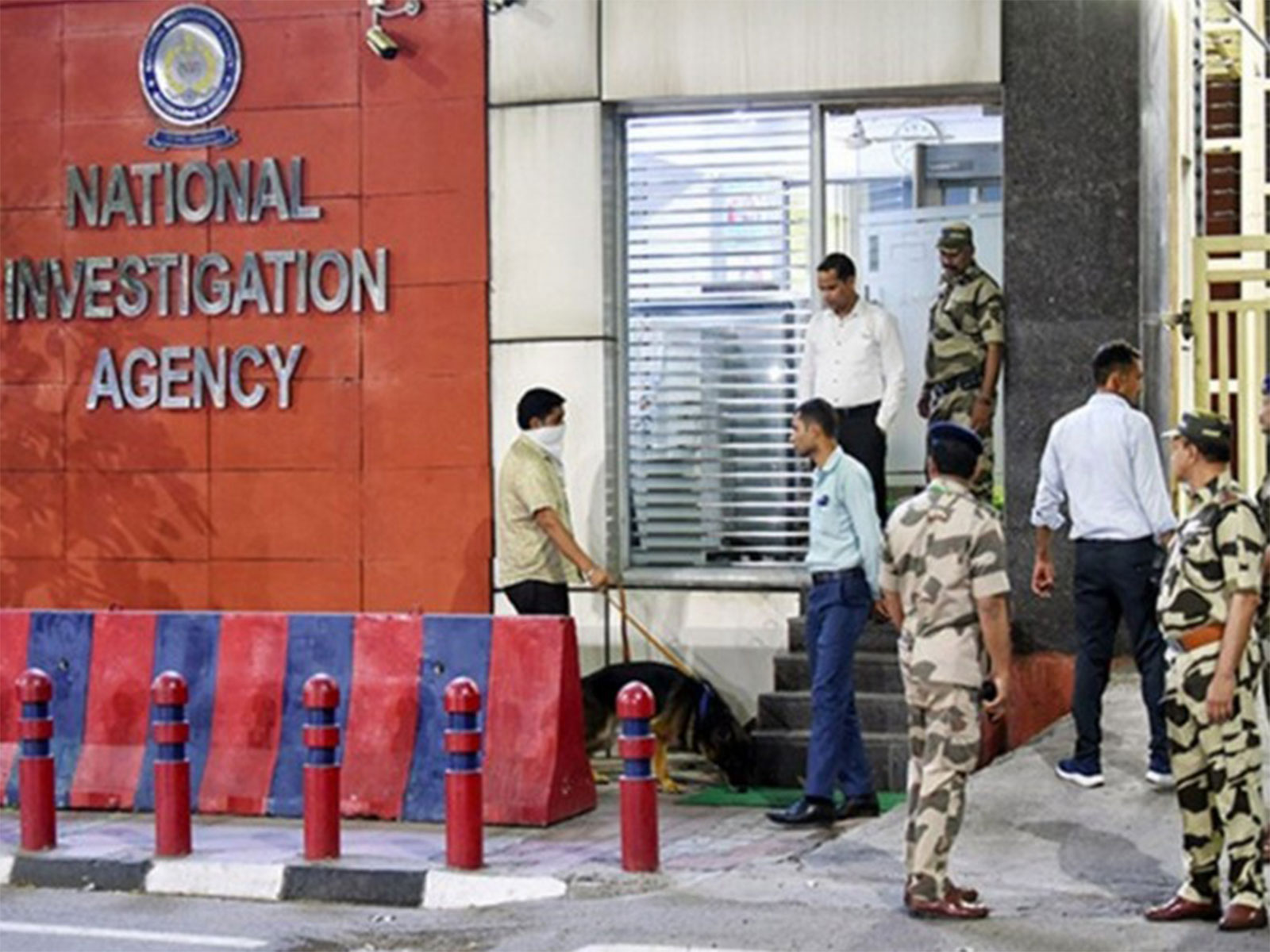
New Delhi [India], March 26 : The National Investigation Agency (NIA) has sought a further 45-day extension of the investigation period in the Delhi blast case, telling a special court that the probe has uncovered a wider terror conspiracy with national and international linkages, requiring additional time for verification, forensic analysis, and identification of other accused persons.
In its application before the NIA Special Court at Patiala House Courts, the agency submitted that the investigation remains at a crucial stage, with multiple leads emerging that need corroboration through field inquiries, witness examination, and technical analysis. It stressed that the gravity of the offence, involving a deadly explosion near Lal Qila Metro Station on November 10, 2025, and its implications on national security necessitate continued custodial interrogation and extended time to complete the probe.
The NIA told the court that several new facts have surfaced during the investigation, particularly from credible witness statements and disclosures made by the arrested accused. These require verification to unravel the larger conspiracy behind the blast. The agency also pointed out that searches conducted across Jammu and Kashmir recently led to the seizure of multiple digital devices, the forensic examination of which is still underway.
According to the agency, technical analysis has already resulted in the extraction of approximately 5 terabytes of data, including videos, voice samples, documents, and contacts. However, detailed scrutiny by forensic agencies such as CFSL and CERT-In is ongoing, and the findings are expected to shed further light on the role of the accused as well as their wider network.
The probe has also revealed the existence of WhatsApp groups linked to the banned terror outfit Ansar Ghazwat-ul-Hind (AGH), with several arrested persons allegedly being members. The NIA said that legal interception of communications is in progress to identify other operatives, handlers, and associates connected to the module.
Further, the agency informed the court that the investigation has spread across multiple states, including Delhi, Jammu & Kashmir, Haryana, and Uttar Pradesh, and that the involvement of additional suspects, including those currently absconding or operating underground, cannot be ruled out. Efforts are underway to trace such individuals and establish their roles in the conspiracy.
The NIA also cited the need to confront the accused with digital and documentary evidence recovered so far, as well as to record crucial witness statements that are yet to be taken. It warned that releasing the accused at this stage could hamper the investigation, as there is a high likelihood of their influencing witnesses, tampering with evidence, or absconding.
Additionally, the agency flagged alleged links between the accused and certain foreign entities through encrypted and pseudonymous online accounts. It stated that advanced cyber forensic tools and open-source intelligence (OSINT) techniques are being used to identify these connections, a process that requires substantial time.
Highlighting the seriousness of the case, the NIA submitted that the conspiracy appears to be deep-rooted, with pan-India and transnational dimensions. It argued that extending the investigation period beyond the existing 135 days to 180 days is essential to ensure a thorough and logical conclusion of the case.
The application pertains to several arrested accused, including Amir Rashid Mir, Jasir Bilal Wani alias Danish, Mufti Irfan Ahmad Wagay, Muzamil Shakeel Ganie, Adeel Ahmad Rather, Shaheen Saeed, and Soyab, whose custody periods are nearing expiry.