Nishikant Dubey defends PM Modi's austerity appeal, slams Congress for making "big issue" on restrictions
May 12, 2026
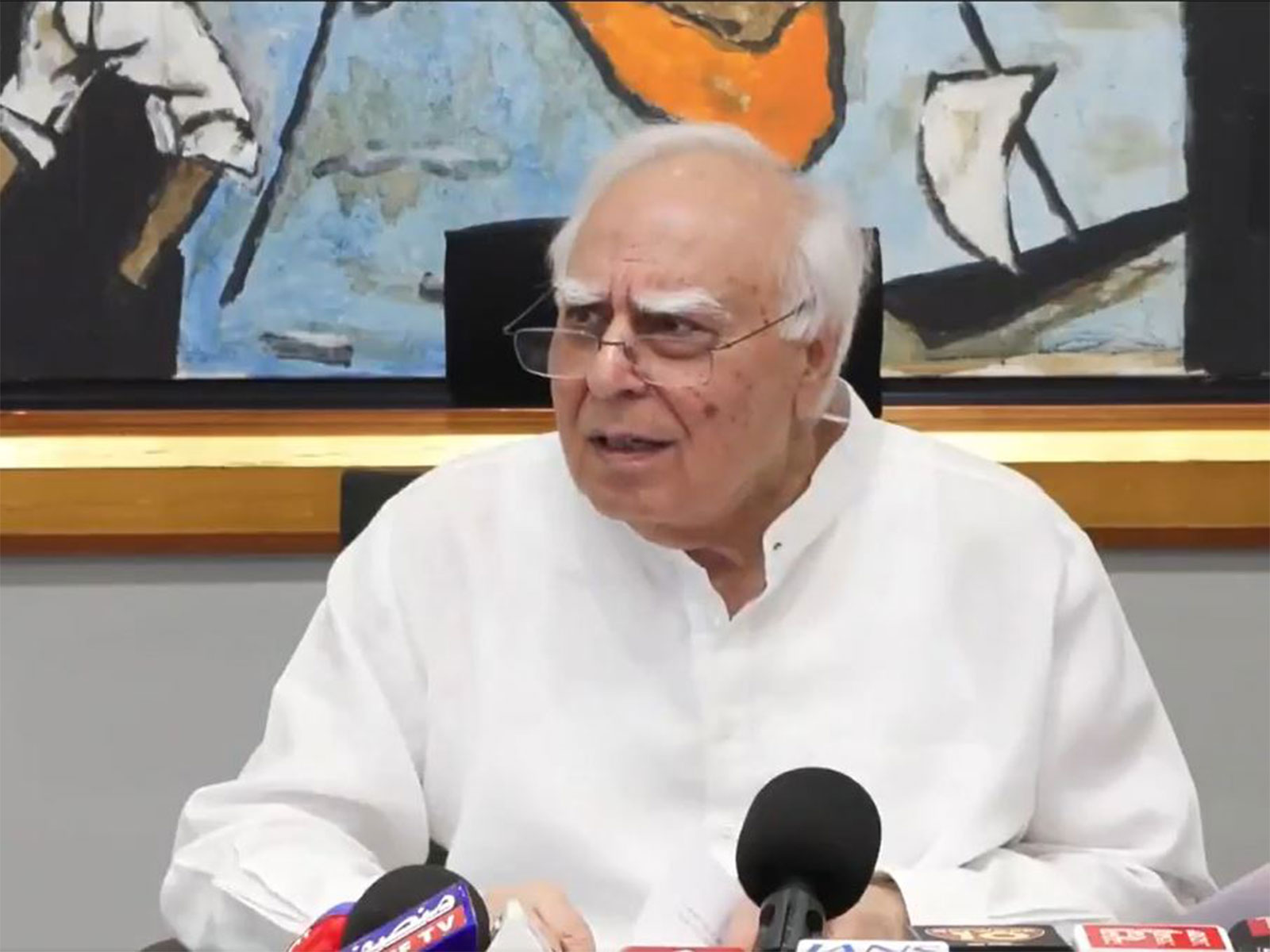
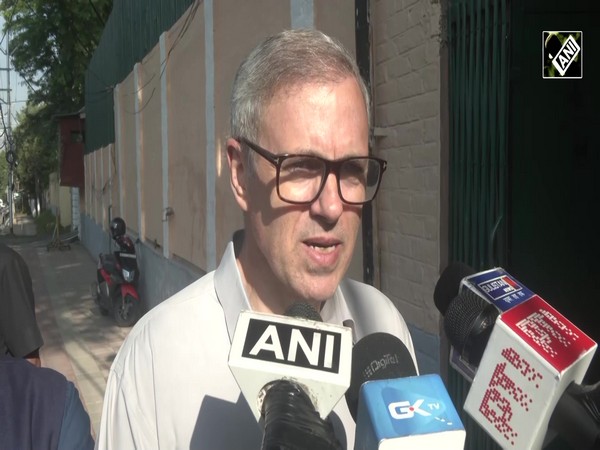
Leh (Ladakh) [India], May 12 : BJP MP Nishikant Dubey on Tuesday launched a scathing historical critique of the Congress party to defend Prime Minister Narendra Modi's recent appeal for fiscal restraint.
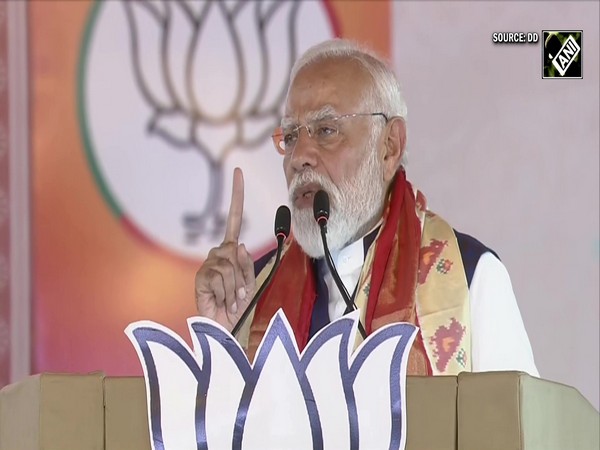
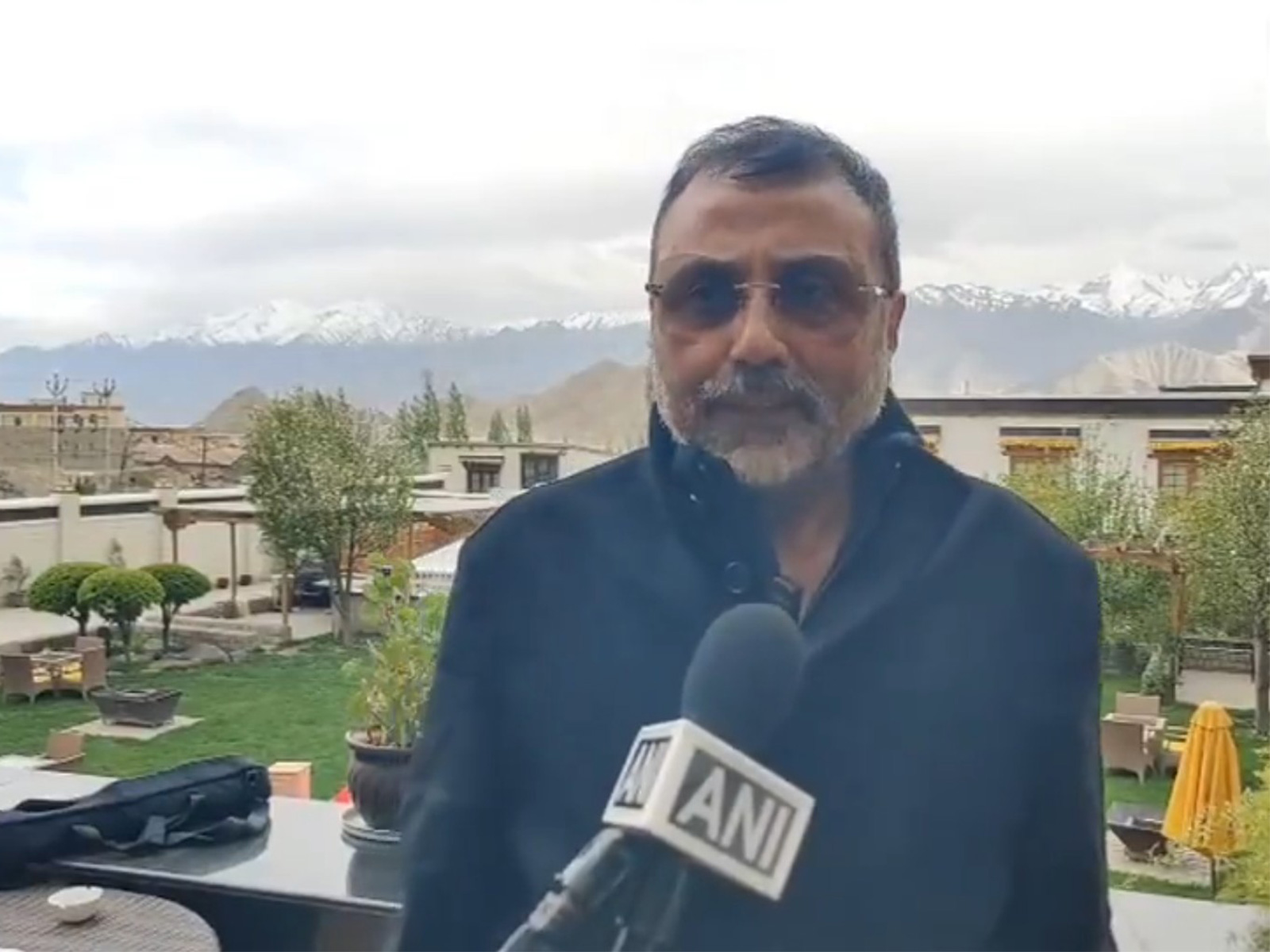
Speaking with ANI in Leh, Dubey defended PM Modi's recent call for citizens to curb non-essential spending, contrasting it with what he described as the "draconian" legislative history of the Nehru-Gandhi era.
He said that the Prime Minister's request to curb gold purchases and limit unnecessary foreign travel was not a radical move, but as a mild "urge" compared to the stringent "Gold Control" laws enacted by the Nehru-Gandhi administrations.
"Two days ago, the Prime Minister made a good call - purchase less gold, do not travel abroad unnecessarily, and spend less petrol and diesel...Congress has made this into a big issue. PM just urged the people for this. Congress doesn't even know that Indira Gandhi and PMs from the Nehru family had made a law for this," he said.
Dubey's remarks come in response to a growing political row over the Prime Minister's suggestions to stabilise the economy by reducing the consumption of imports like gold purchases, avoiding unnecessary foreign travel, and conserving fuel to protect the economy against global disruptions caused by the West Asia crisis.
Dubey argued that the Congress party's current opposition is hypocritical given their own legislative history, contrasting it with what he described as the "draconian" legislative history of the Nehru-Gandhi era.
Dubey characterised the Prime Minister's suggestions as the gentle advice of a "head of the household" trying to protect the family budget. He slammed the Congress for creating "unnecessary controversy" over a voluntary appeal.
"Any guardian tells their children the same thing: to spend less money. Congress turned that into a big controversy," Dubey remarked. "Our Prime Minister has only appealed. They (Congress) actually made laws."
Dubey's most pointed attack focused on the Gold Control Act of 1968, enacted under Prime Minister Indira Gandhi. He alleged that the law turned common citizens into criminals for simply owning or trading gold. He claimed that 1,10,000 people were jailed and millions were fined under the Act.
"When Indira Gandhi became the PM, Gold Control Act was introduced in 1968 and due to this, 1,10,000 people went to jail and lakhs of people were penalised. Whenever she wanted, Indira ji unleashed a raid through Customs, Excise, Income Tax, CBI. Until the Gold Control Act was discarded, the purchase and sale of gold remained risky for common people," said Dubey.
Dubey accused Indira Gandhi of "unleashing" the CBI, Income Tax, and Customs departments on the public whenever she chose. He also recalled how Jawaharlal Nehru attempted to halt gold sales via notification after the 1962 China war, though it faced stiff parliamentary opposition.
"In 1962, Nehru ji lost the war against China. In 1963, a notification over gold was issued stating that no gold could be sold or purchased. It was opposed in the Parliament and the law could not be passed. He passed away in 1964," he said.
Dubey contrasted this with PM Lal Bahadur Shastri's 1965 appeal during the Indo-Pak war, noting that Shastri asked for voluntary donations of gold, a request Indians "happily" fulfilled.
"When an India-Pakistan war broke out in 1965, Shastri ji asked people to donate gold. People did that voluntarily," said the BJP leader.
Turning to the currency, Dubey questioned the historical integrity of the Congress on the value of the rupee. He alleged that on June 6, 1966, Indira Gandhi devalued the Indian rupee by a staggering 36.5% (which Dubey cited as 60% in terms of the dollar's rise) under significant international pressure.
"On June 6, 1999, Indira Gandhi devalued the rupee by 60%. And since that day, the way the dollar started to rise, there is no end in sight even today. Congress must answer what the situation was in 1966, under what government pressure, and what American pressure led Indira Gandhi to devalue the rupee by 60%?" said the BJP MP.
Dubey challenged Rahul Gandhi to explain what "American pressure" led to that devaluation. He argued that while the US dollar is currently rising against all Asian markets, the Indian rupee remains remarkably stable in comparison.
He issued a direct challenge to the Leader of the Opposition, Rahul Gandhi, to address the specific legislative actions of June 1967, highlighting the Gandhi family's history of curbing gold imports. He challenged the party to explain why they once jailed citizens for the very actions they are now defending. Dubey noted that then-Finance Minister KC Pant and Indira Gandhi herself moved to hike duties and curb imports.
"I challenge Rahul Gandhi - 2nd June 1967, the then Finance Minister of this country told the people of the country that they wanted to curb the import of gold and customs and excise duties were being raised. On 5th June 1967, Indira Ji reiterated this...Congress should answer why Indira Gandhi jailed lakhs of people for the sale or purchase of gold and why they are opposing the call made by the Prime Minister today. Rahul Gandhi knows nothing," said Dubey.
In light of the ongoing West Asia crisis and its impact on global fuel prices, PM Modi issued seven specific appeals to the nation on May 10. These measures are designed to conserve foreign exchange and strengthen the Indian economy under the guiding principle of "Nation First: Duty Above Comfort."
The seven appeals consisted of work from home, avoid buying gold, reduce fuel consumption, cut down cooking oil use, move toward natural farming, adopt 'Swadeshi' products, and avoid foreign travel.
These appeals come as the Iran-US conflict continues to pressure global energy markets. While Union Petroleum Minister Hardeep Singh Puri has clarified that there are no plans for a lockdown, the government is treating the current economic situation as a "wake-up call" to reduce the fiscal strain on the country.