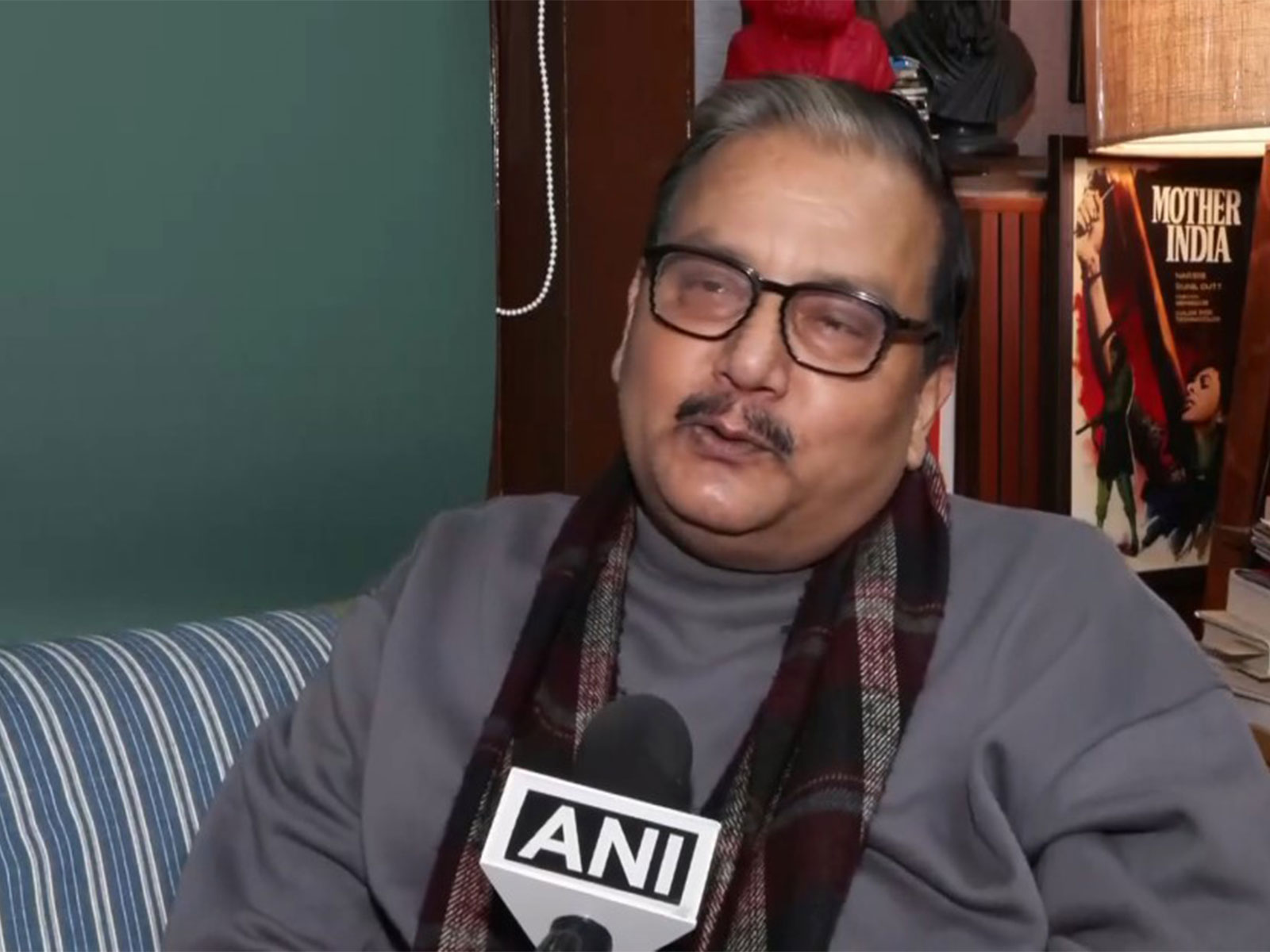
No textbook has ever glorified Ghazni: RJD MP Manoj Kumar slams "new fleet of so-called academicians and intellectuals"
Dec 07, 2025
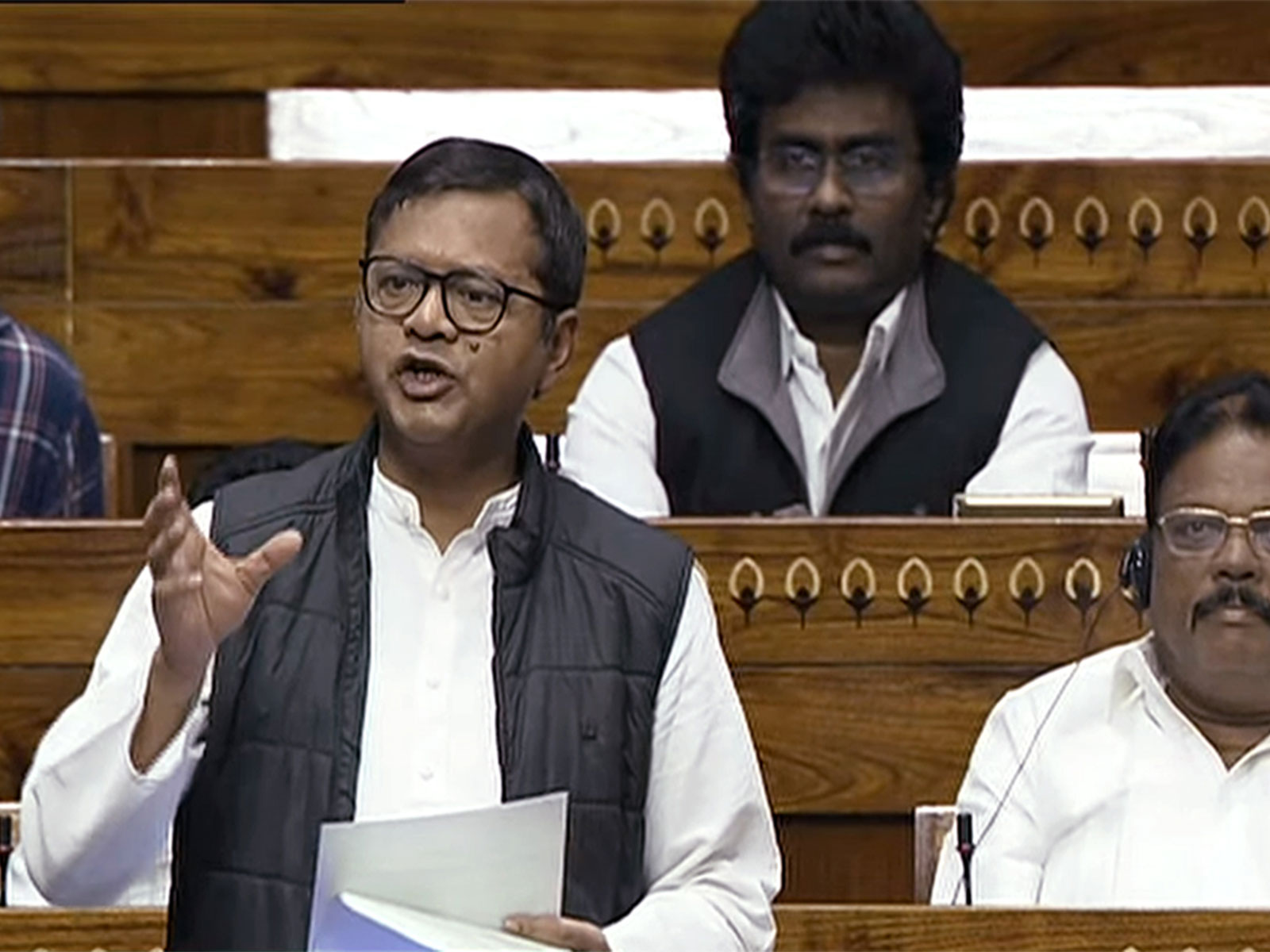
New Delhi [India], December 7 : Rashtriya Janata Dal MP Manoj Kumar Jha has defended the NCERT's revised textbooks, saying Ghazni's invasion is being viewed unfairly.
He stated that Ghazni hasn't been glorified in any textbook and that historians have described him within a given context. Jha criticised the tendency to view issues through a headline-centric lens, calling it unfair. He also commented on the emergence of a new group of academicians and intellectuals since 2014, implying a shift in the narrative.
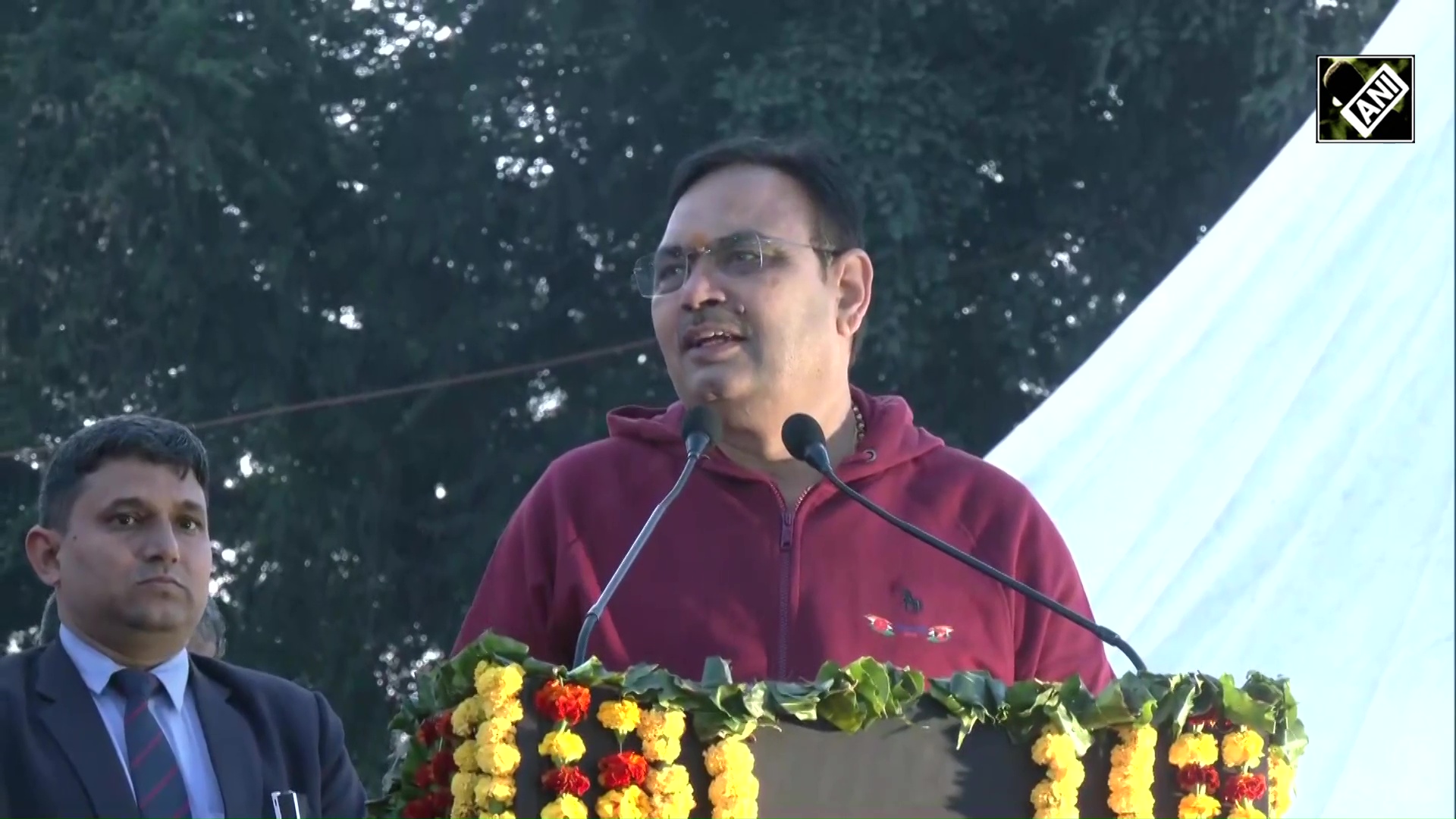
Speaking to ANI, RJD MP Manoj Kumar Jha said, "We have read about Ghazni, and in no textbook has he ever been glorified. Viewing everything through a headline-centric lens is unfair. Historians have described him within a given context. Since 2014, a new fleet of so-called academicians and intellectuals has emerged, who think that the universe emerged only after 2014 and thus, everything is new for them."
This comes after a recent revision of the Class 7 NCERT social science textbook has significantly expanded the section on the 'Ghaznavid Invasions' from a single paragraph to a detailed, six-page narrative. The updated text provides a more explicit and detailed account of Mahmud of Ghazni's campaigns, focusing on destruction, plunder, and religious motivations, compared to the earlier, briefer edition.
The new NCERT Social Science textbook for Class VII carries an extensive section on the Ghaznavids, detailing Mahmud of Ghazni's plunder of Indian cities and the slaughter of "infidels," including Hindus, Buddhists, Jains, and even rival Islamic sects.
The six-page section, titled The Ghaznavid Invasions, states that Mahmud of Ghazni conducted 17 campaigns in India, returning each time with large quantities of treasure. The old NCERT class 7 history textbook had a paragraph on Mahmud of Ghazni.
The new book titled "Exploring Societies: India and Beyond", issued on Friday, describes in detail the plundering of cities such as Mathura and Somnath. Mahmud conquered parts of India in the 11th century after defeating Jayapala and, in 1008, overcoming Jayapala's son following a long battle.
"Mahmud's campaigns involved not only destruction and plunder but also the slaughter of tens of thousands of Indian civilians and the capture of numerous prisoners, including children, who were taken to be sold in the slave markets of Central Asia," the book states.
The book mentions that his biographers portray him as a powerful but cruel and ruthless general, determined "not only to slaughter or enslave 'infidels' (that is, Hindus, Buddhists, or Jains) but also to kill believers from rival sects of Islam."
In all, Mahmud carried out 17 campaigns in India; after each one, he returned to Ghazni with large amounts of loot. "Although he faced strong resistance--particularly from the Chandellas of central India--and narrowly escaped defeat on several occasions, his large army's rapid marches and daring cavalry attacks, supported by mounted archers, ultimately proved decisive," the section reads.
The book highlights Mahmud's plunder of Mathura, described as a city of immense wealth with a magnificent temple overlooking it.
"Mahmud destroyed the temple and seized its treasure before proceeding to Kannauj, where he surprised one of the last Pratihara rulers and looted and destroyed several temples. A few years later, another campaign took him to Gujarat and the seaport of Somnath (in present-day Saurashtra). Despite strong local resistance and heavy losses to his forces, Mahmud eventually prevailed after several days of fighting, destroyed the Somnath Shiva temple, and carried away its vast treasures," the book added.
The book also quotes the Persian scholar Abu Rayhan al-Biruni, who noted the impact of Mahmud's military campaigns on India's scientific traditions.
"Mahmud utterly ruined the prosperity of the country and performed there, Centuries of wonderful feats, by which the Hindus became like atoms of dust. Scattered in all directions," the book quotes Al-Biruni.