"No trust in opposing side": Iranian Parliament speaker Ghalibaf says US failed to win over delegates in Islamabad talks
Apr 12, 2026
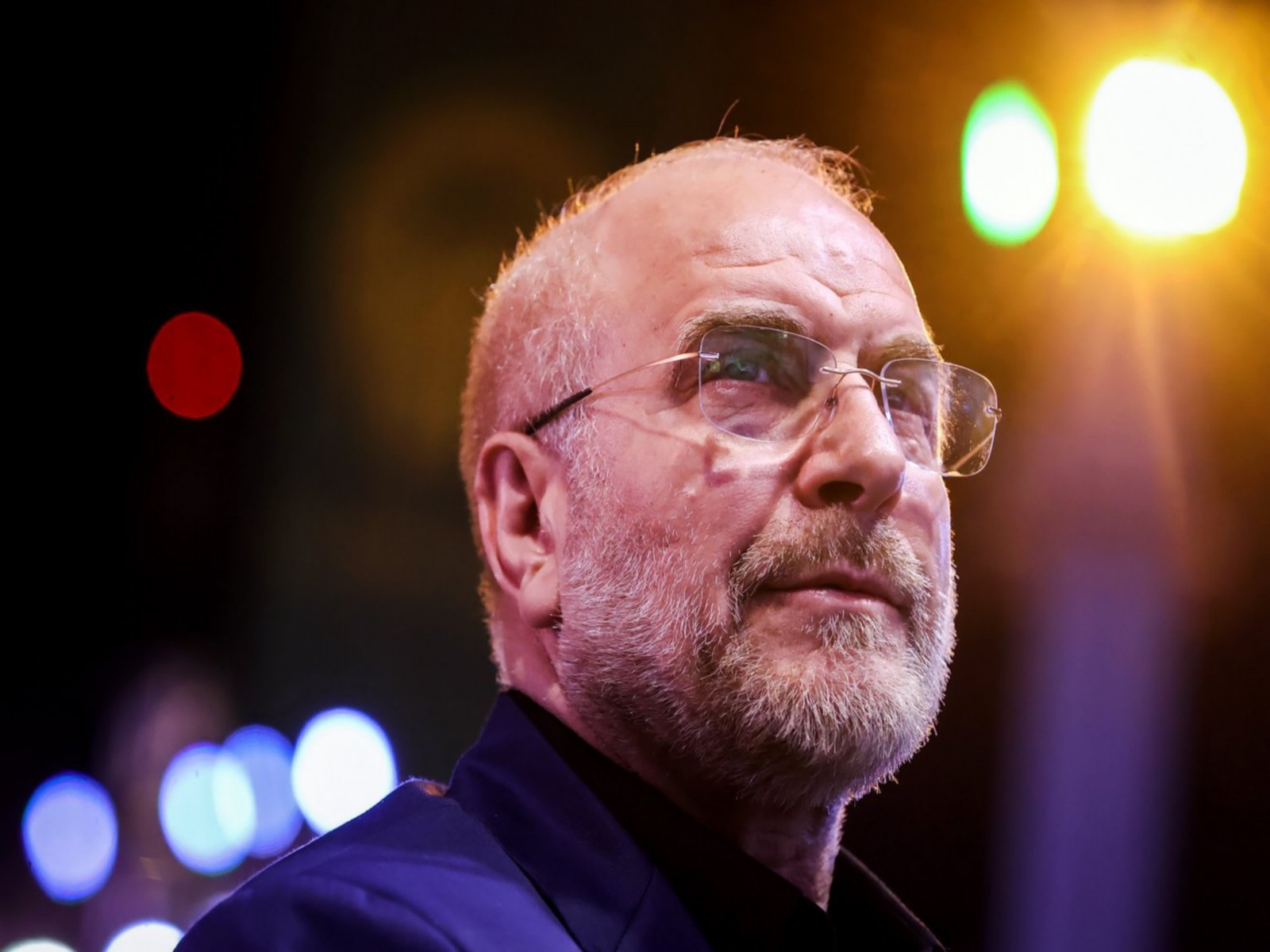
Tehran [Iran], April 12 : Iranian Parliament Speaker Mohammad Bagher Ghalibaf has broken his silence following the culmination of high-stakes diplomatic discussions held in the Pakistani capital, expressing a lack of confidence in the negotiating partners despite Iran's intent to find a resolution.
In a post on social media platform X, Ghalibaf outlined Tehran's cautious stance, stating that he had emphasised before negotiations began that "we have the necessary good faith and will, but due to the experiences of the two previous wars, we have no trust in the opposing side."
Reflecting on the outcome of the talks, he said, "The opposing side ultimately failed to gain the trust of the Iranian delegation in this round of negotiations."
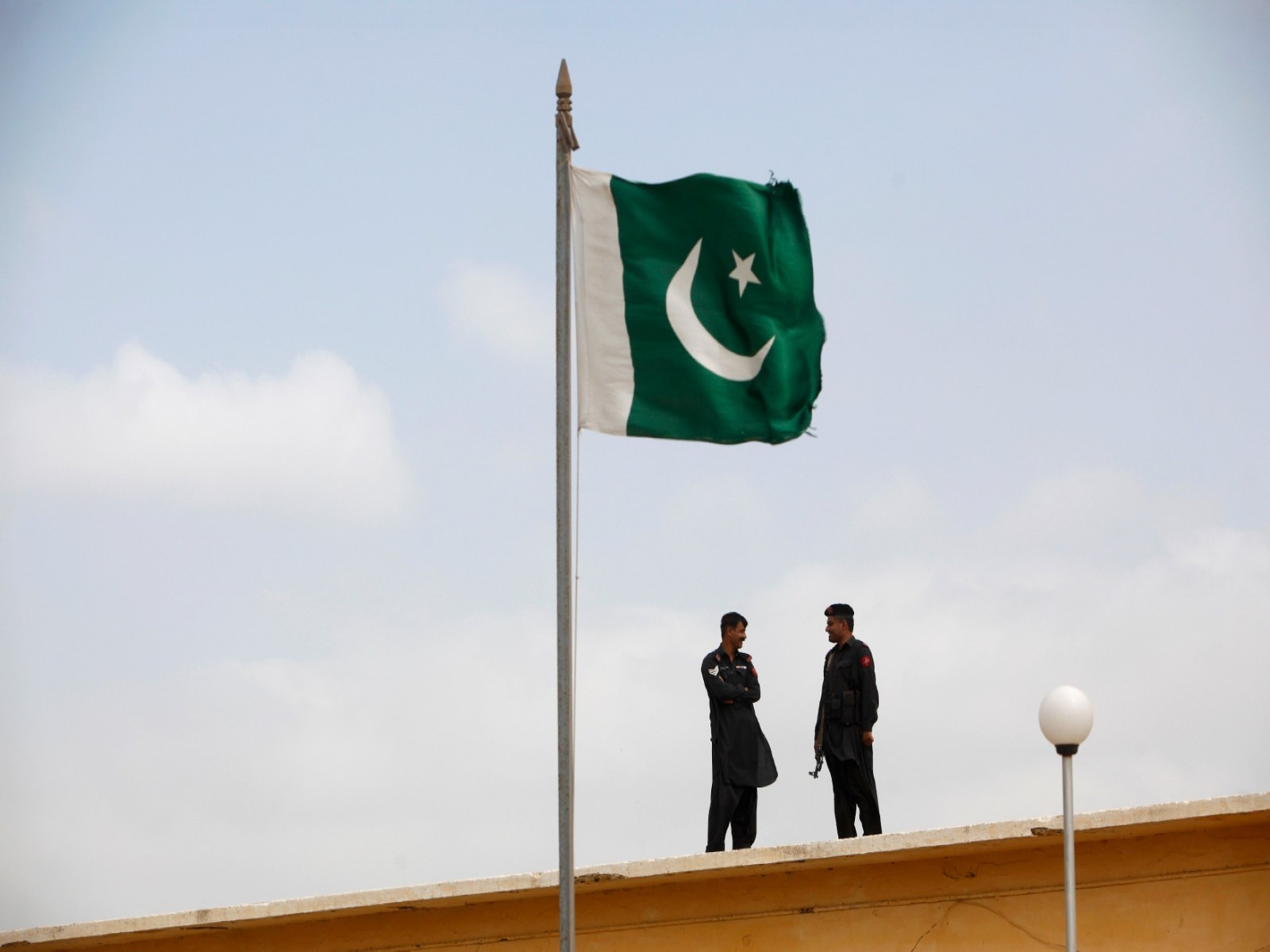
Ghalibaf also acknowledged Pakistan's role in facilitating the talks, stating, "I am also grateful for the efforts of our friendly and brotherly country, Pakistan, in facilitating the process of these negotiations, and I send my regards to the people of Pakistan."
Meanwhile, Iran's Foreign Ministry spokesperson Esmaeil Baqaei said the engagement with US officials marked the longest round of negotiations over the past year.
"I believe this round of negotiations was indeed the longest we've had this past year--twenty-four or twenty-five hours, starting yesterday morning when indirect talks began, with messages exchanged between the two sides through the Pakistani mediator. It continued non-stop until now," he told local media.
Baqaei described diplomacy as essential to safeguarding national interests, stating, "Diplomacy never ends. Diplomacy is always a tool to secure and protect national interests, and diplomats must fulfill their duties in any conditions, whether in wartime or peacetime."
He noted that the talks were held in an atmosphere of "mistrust, suspicion, and doubt" following forty days of "imposed war" and a subsequent ceasefire.
Highlighting recent tensions, he said the American side, along with the "Zionist regime," had carried out military aggression against Iran twice in nine months, making a comprehensive agreement in a single session unrealistic due to the "complexity of the issues and the complexity of the circumstances."
According to Baqaei, the agenda expanded to include sensitive issues such as the Strait of Hormuz and broader regional matters. "Some new topics were added to the negotiations this time, like the Strait of Hormuz issue or the region. Well, these have their own conditions, features, and specifics," he said.
He added that while some agreement was reached on Iran's ten-point proposal, differences on two or three "key issues" stalled progress.
Baqaei also thanked Pakistani Prime Minister Shehbaz Sharif, Army Chief Asim Munir, and Foreign Minister Ishaq Dar for their "tremendous efforts" and "excellent hospitality."
He said consultations with regional allies would continue, emphasising that diplomacy remains a key pillar of national security alongside military efforts.
The developments come amid heightened tensions after US President Donald Trump shared an article suggesting a potential naval blockade against Iran, following the stalemate in Islamabad, where both sides remained divided over Iran's nuclear programme and control of the Strait of Hormuz.