"No violation of democracy or federal structure": ONOE JPC Chairman PP Choudhary
Feb 12, 2026
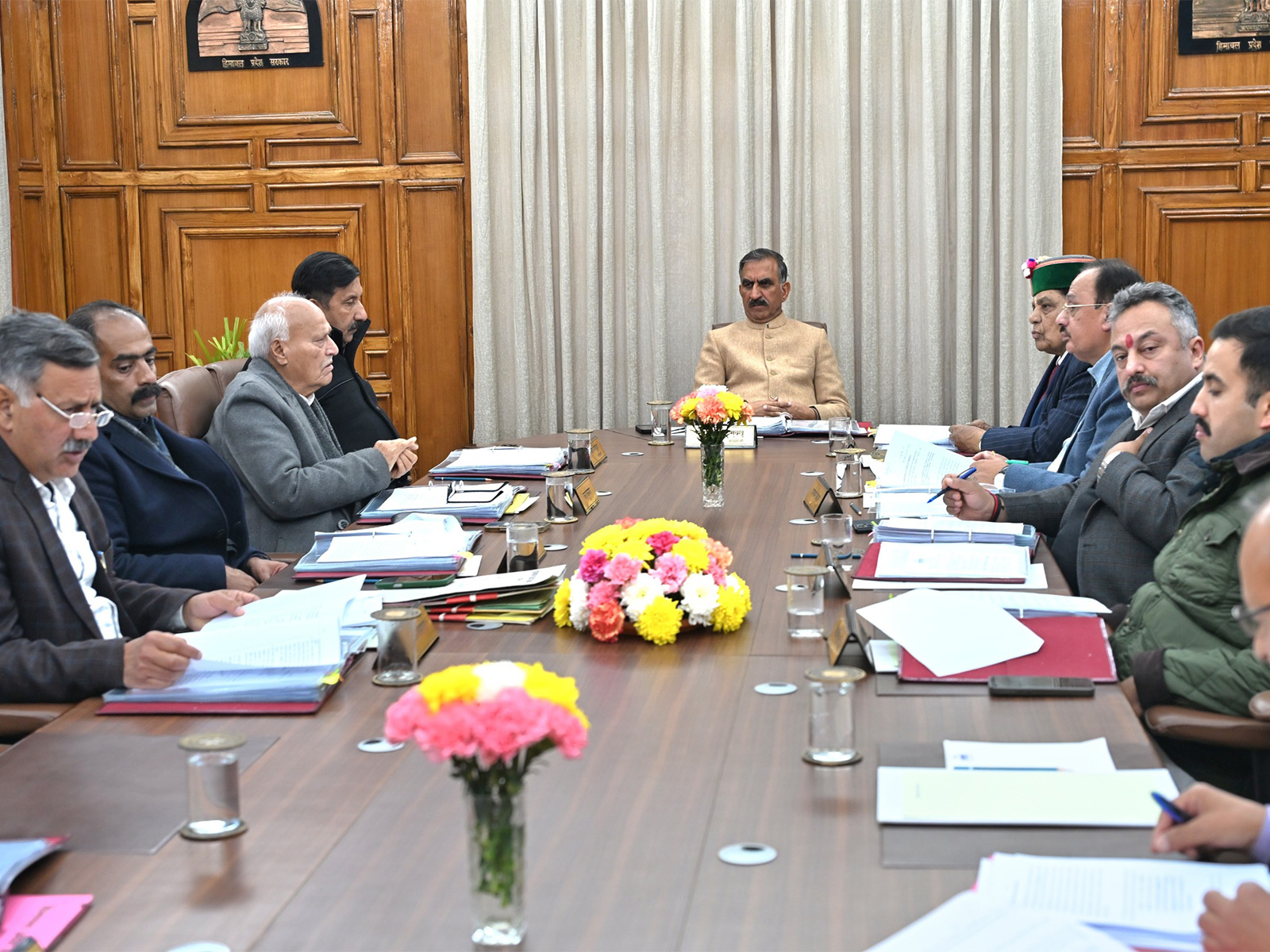
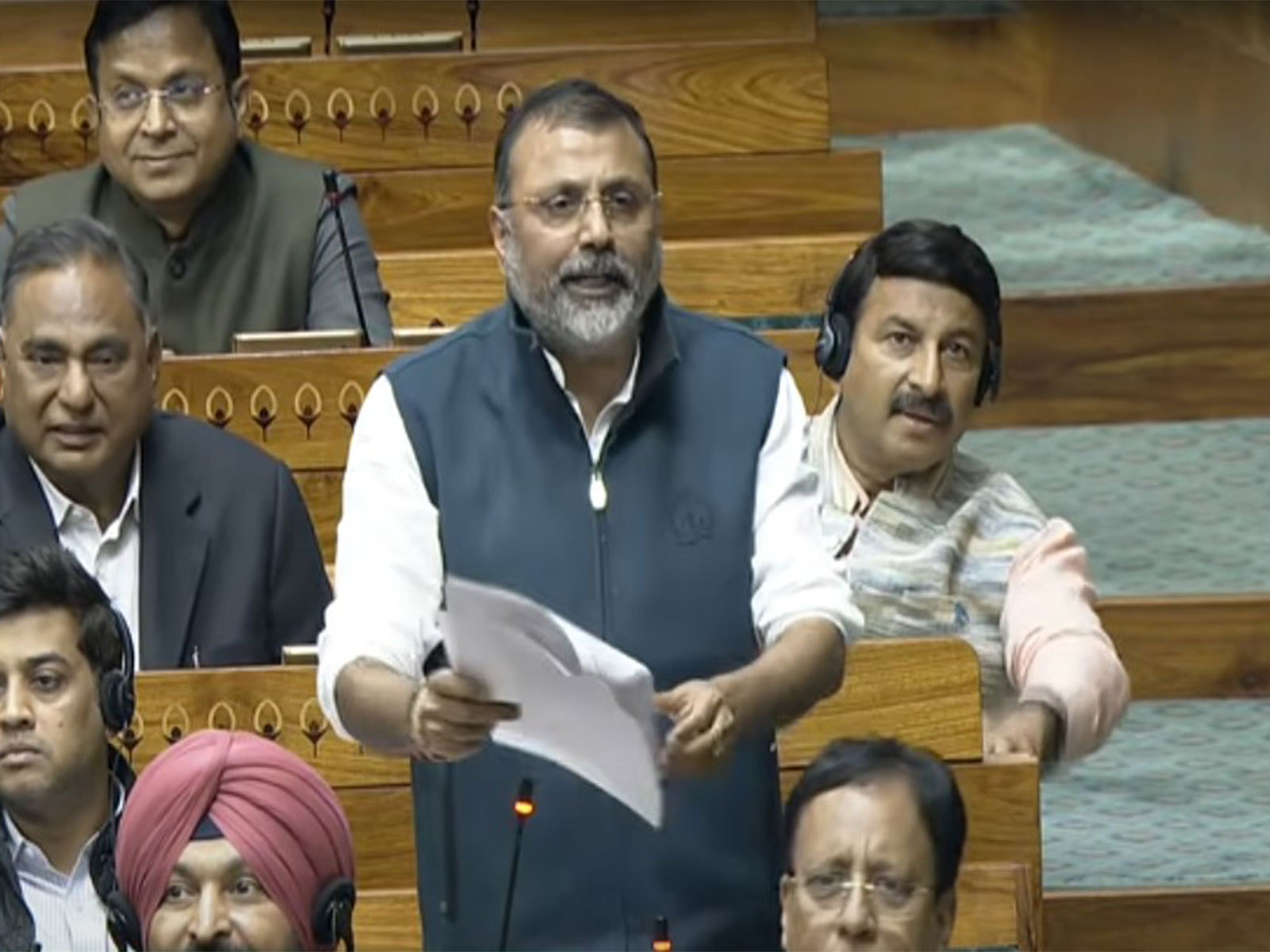
New Delhi [India], February 12 : A Joint Parliamentary Committee (JPC) meeting was held on 'One Nation, One Election' today at the Parliament House Complex under the chairmanship of BJP MP PP Choudhary.
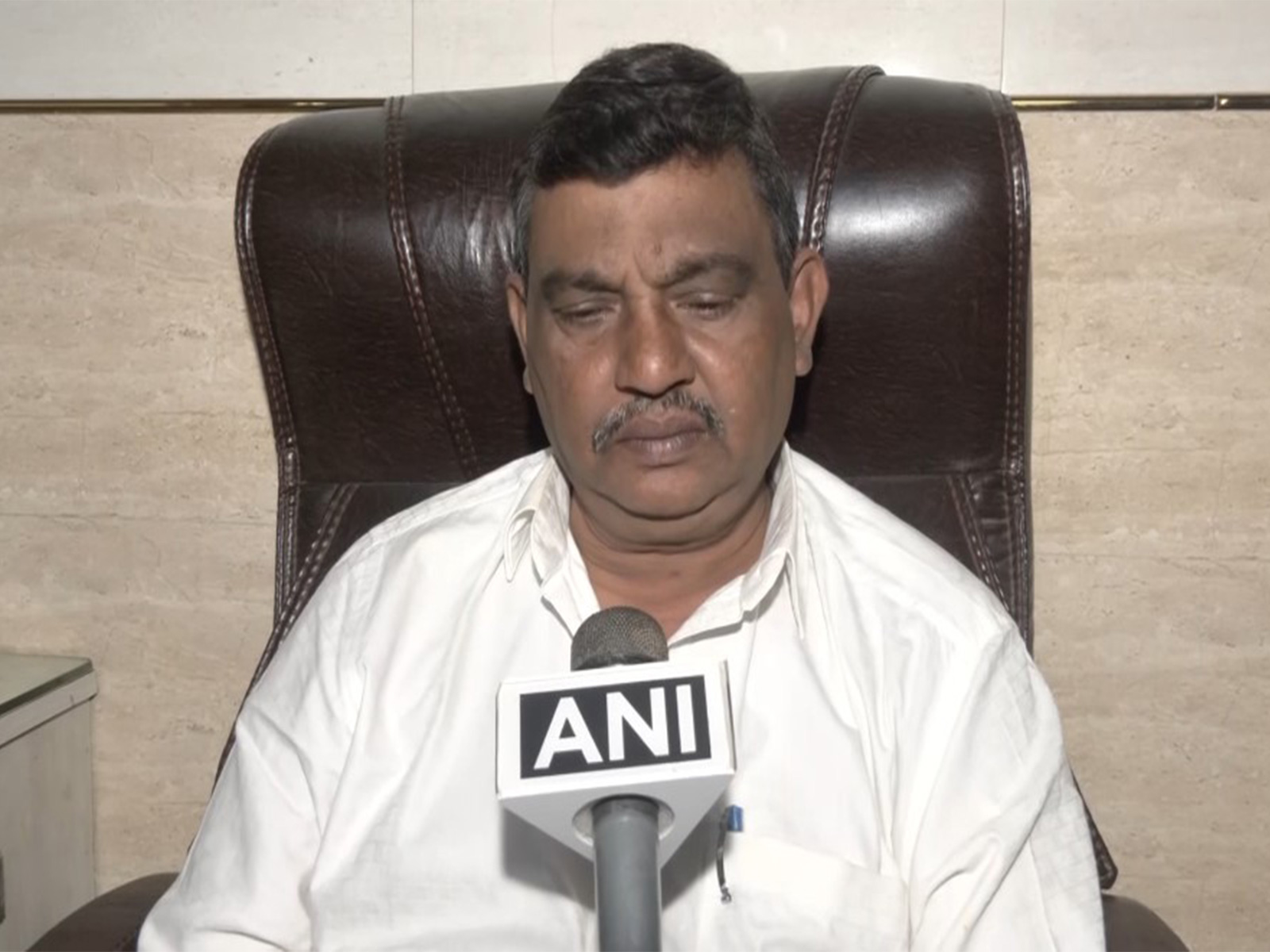
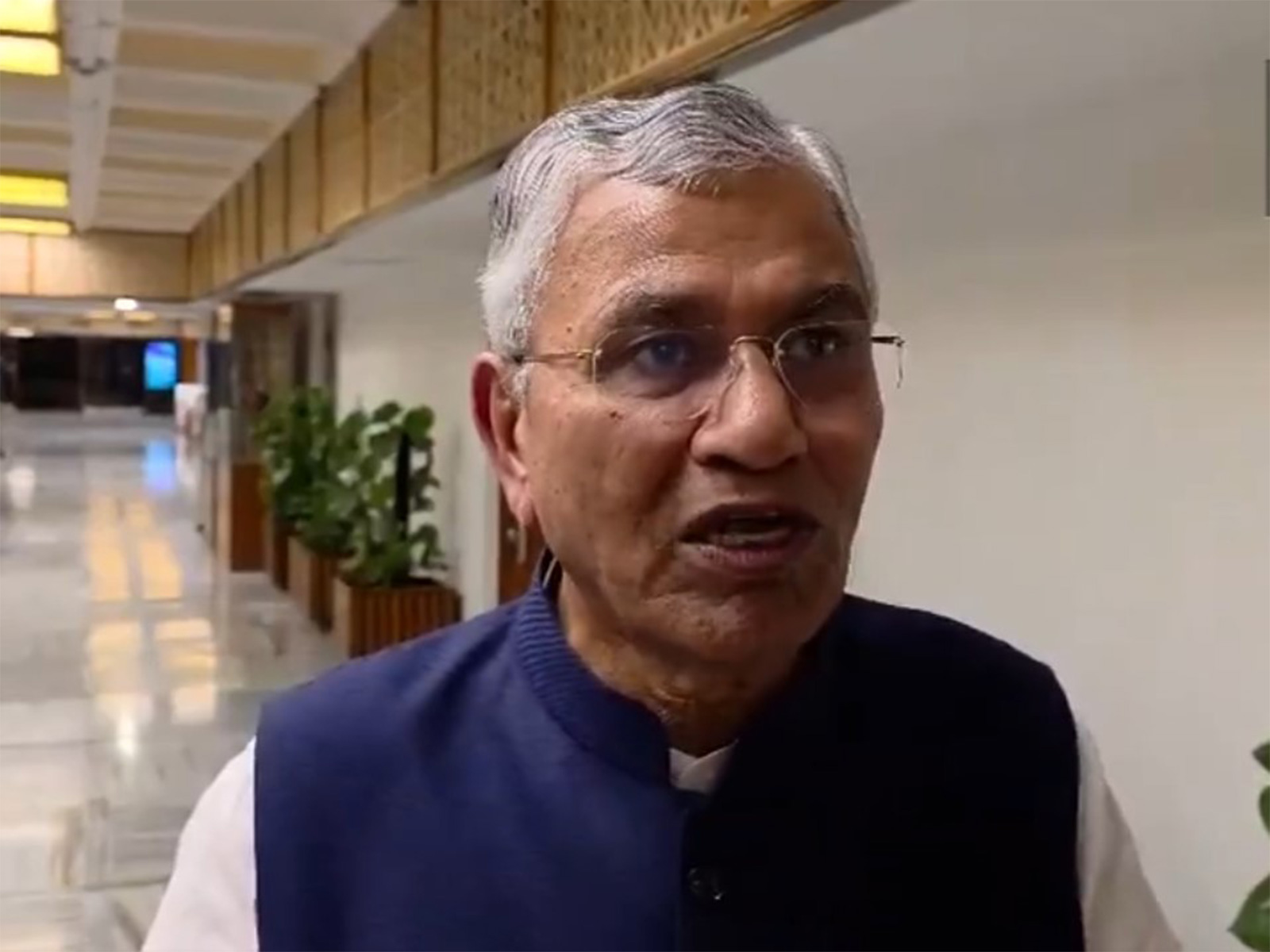
Speaking to ANI after the meeting, the Chairman highlighted the benefits of the proposed reform, noting that it does not violate democracy, and urged all parties to come together to implement it.
The BJP MP said the issues raised with the bill were mostly about its "constitutional validity." He quoted former Chief Justice of India BR Gavai, who also participated in the meeting, to confirm that the bill lies "within the competence of the Parliament," calling it a "very big election reform."
"The issues raised by the members are basically regarding the constitutional validity of this bill. All members raised their concerns, and Justice Gavai stated that it is within the Parliament's competence. The Parliament can amend the Constitution; that is its power. There is no violation of democracy or the federal structure in this; this is a significant election reform. This is a reform, and I believe all parties should come together to work toward it in the national interest, so we can present a united front to the world. All parties should come together to implement these electoral reforms in the country's interest. If we execute it, then the entire country will benefit...," he said.
During the meeting, former CJI BR Gavai argued in favour of the bill's constitutional validity, saying that neither the basic structure, the federal framework, nor the democratic form of governance will be affected by its enactment, according to sources.
"The Bill does not violate the Basic Structure of the Constitution. The Basic Structure encompasses the federal framework and the democratic form of governance. Through the enactment of this Bill, neither of these will be changed or affected, hence the amendment is in consonance with the Basic structure," Gavai said, according to sources.
Further, the sources said the ex-CJI noted that the ONOE changes the manner of elections only once, which does not violate the doctrine. The structure of elections and voter rights remains unchanged; therefore, the amendment would be constitutional.
Sources noted that he argued that the Parliament has the power to enact such an amendment to synchronise the elections, as mandated by the constitution.
On the accountability of the government under ONOE, sources said that former CJI Gavai argued that, since instruments such as a no-confidence motion remain intact, there is no impact on the accountability of the union or state government.
Regarding the constitutional viability of ONOE, he noted that India had held simultaneous elections until 1967, according to sources.