"Not very surprising": Jairam Ramesh on India's exclusion from US-led Pax Silica initiative
Dec 13, 2025
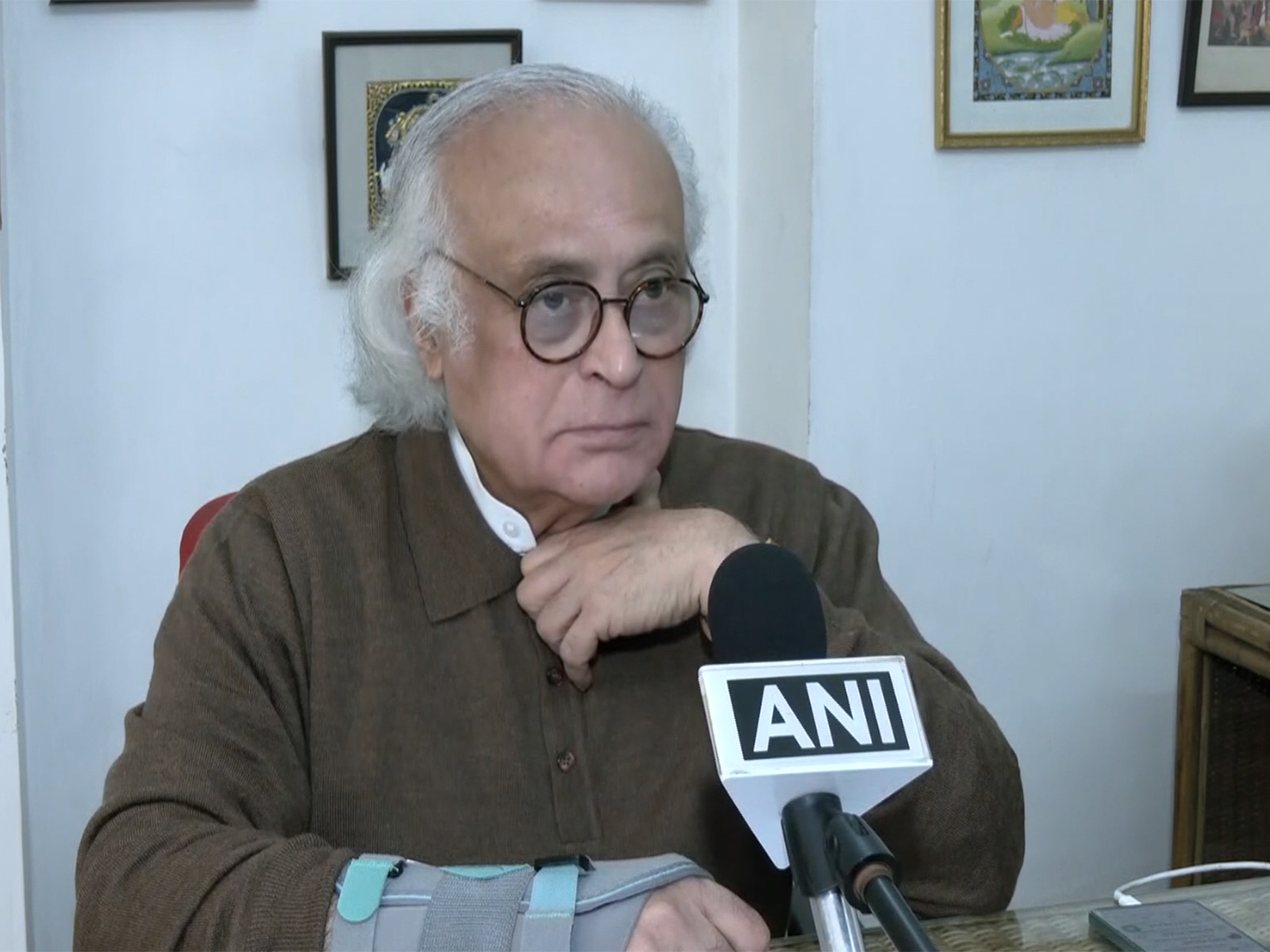
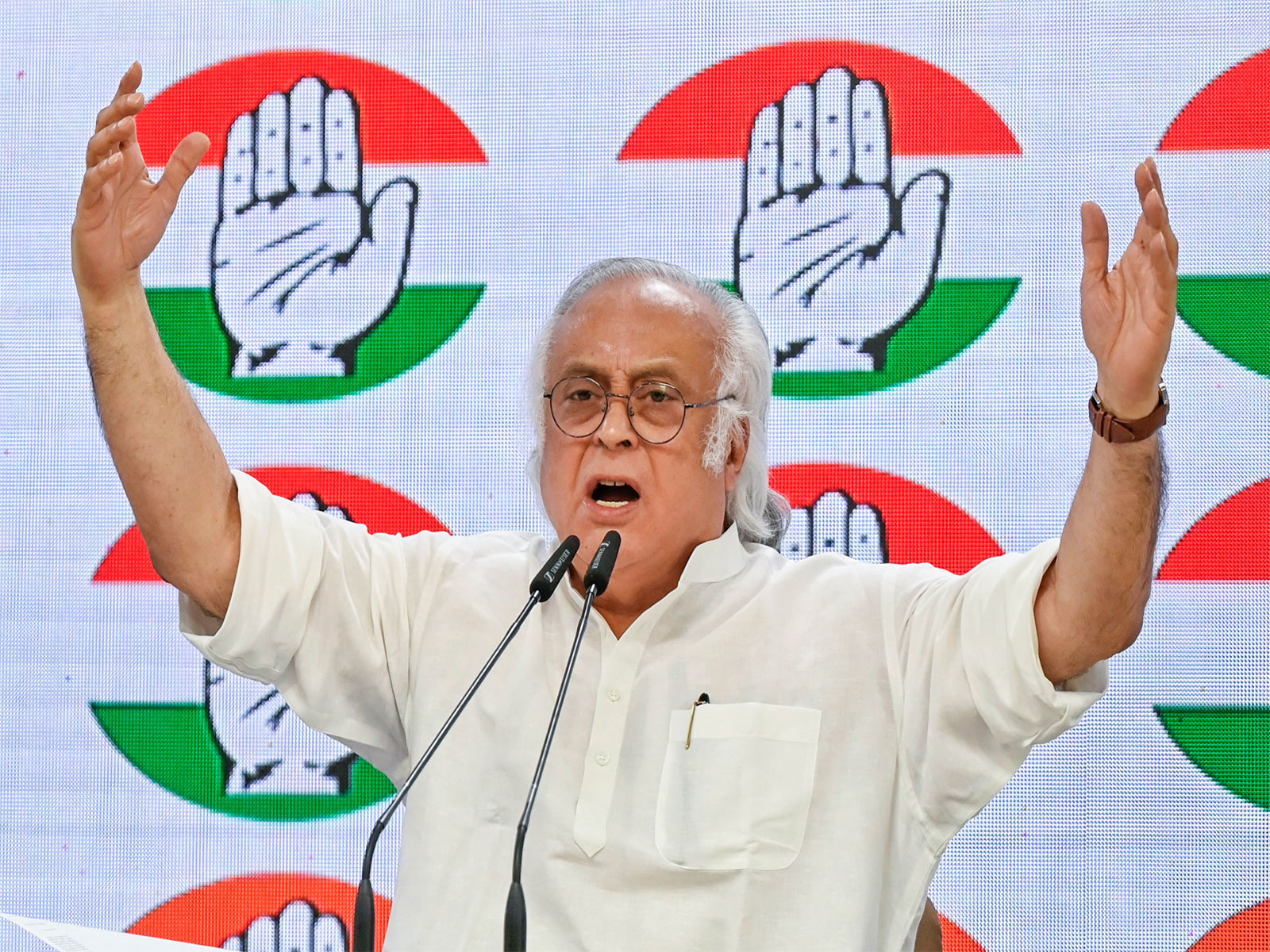
New Delhi [India], December 13 : Congress MP Jairam Ramesh, reacting to India's exclusion from the US-led Pax Silica initiative, said the move is a result of the deteriorating relationship between US President Donald Trump and Prime Minister Narendra Modi since May 10, and added that India would have benefited had it been part of the initiative.
In a post on X, Ramesh said, "According to some news reports, the US has excluded India from a nine-nation initiative it has launched to reduce Chinese control on high tech supply chains. The agreement is called Pax Silica clearly as a counter to Pax Sinica. The nations included (for the moment at least) are the US, Japan, Republic of Korea, Singapore, the Netherlands, the United Kingdom, Israel, United Arab Emirates, and Australia Given the sharp downturn in the Trump-Modi ties since May 10th, 2025, it is perhaps not very surprising that India has not been included. Undoubtedly it would have been to our advantage if we had been part of this group."
The Congress MP also questioned the timing of the move, noting that Prime Minister Narendra Modi had recently spoken by phone with Trump, which the former described as "warm" and "engaging."
"This news comes a day after the PM had enthusiastically posted on his telephone call with his once-upon-a-time good friend and a recipient of many hugs in Ahmedabad, Houston, and Washington DC," added Ramesh.
Pax Silica is the US Department of State's flagship initiative on artificial intelligence and supply chain security, which aims to build a shared economic security framework among allies and trusted partners. According to the US Department of State, this initiative aims to create a silicon supply chain that spans critical minerals and energy inputs, advanced manufacturing, semiconductors, AI infrastructure, and logistics. The initiative also aims to reduce coercive dependencies, protect materials and capabilities critical to artificial intelligence, and enable aligned nations to develop and deploy transformative technologies at scale.
The grouping includes Japan, South Korea, Singapore, the Netherlands, the United Kingdom, Israel, the United Arab Emirates, and Australia, with India notably absent.
Earlier, Prime Minister Narendra Modi had a "very warm and engaging conversation" with US President Donald Trump, and the two leaders agreed to work closely to address shared challenges and advance common interests.
During the telephone conversation, the two leaders reviewed the steady progress in India-U.S. bilateral relations and exchanged views on key regional and global developments.
"Had a very warm and engaging conversation with President Trump. We reviewed the progress in our bilateral relations and discussed regional and international developments. India and the U.S. will continue to work together for global peace, stability and prosperity," PM Modi said in a post on X.
The two leaders reviewed progress on the India-US Comprehensive Global Strategic Partnership and expressed satisfaction with the steady strengthening of bilateral cooperation across all domains.