NTA to introduce facial biometric checks, live photography across entrance exams from 2026
Dec 23, 2025
New Delhi [India], December 23 : The National Testing Agency (NTA) would implement facial biometric authentication during examinations and live photography at the application stage to strengthen exam security across all entrance examinations, beginning with JEE (Mains) in January 2026.
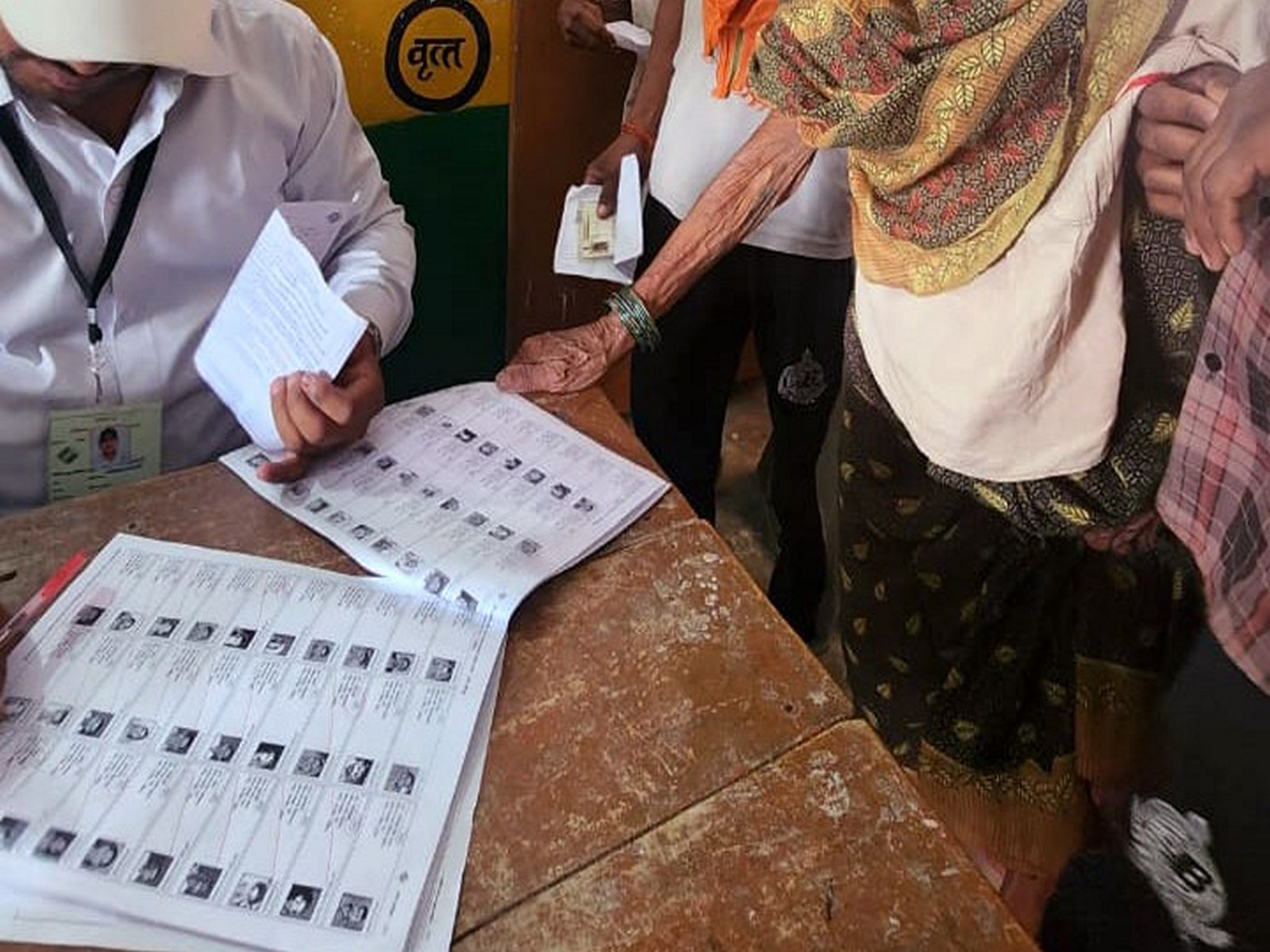
The move is aimed at curbing impersonation and other malpractices by ensuring real-time identity verification of candidates at multiple stages of the examination process, officials said.
"They will be implementing a facial recognition system during the examination and live photography during the filing of the application," a Source at the Education Ministry said during a media interaction.
"This will be implemented from January, from JEE (Mains)," the source added.
Facial biometric verification confirms a person's identity by analysing unique facial features, such as the distance between the eyes or the shape of the nose, to create a digital template for comparison with stored data, often using AI for analysis.
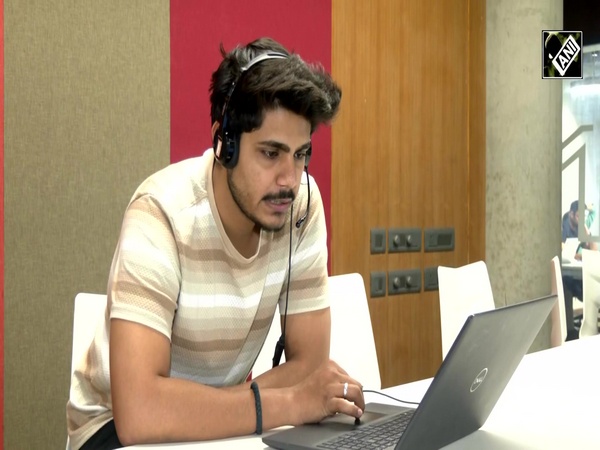
Meanwhile, a real-time photo capture via webcam or phone is used during online application or exam processes to prevent impersonation.
Joint Entrance Examination (Main) 2026, conducted by NTA, is scheduled from January 21 to 30, 2026.
Established in 2017, NTA conducts major entrance examinations, including the Joint Entrance Examination (JEE) Main for engineering; the National Eligibility Cum Entrance Test-Undergraduate (NEET-UG) for medicine; and the CUET for general Undergraduate and Postgraduate programmes in central universities.
These measures are part of the recommendation by the Radhakrishnan Committee, which was constituted following widespread reports of malpractices in the NEET-UG exam, 2024.
The government-appointed committee has proposed a significant overhaul of India's entrance exam system, with a focus on digitalisation, security, and streamlining processes.
The seven-member panel, led by former ISRO Chief R. Radhakrishnan, outlined a two-phase plan for reform: Immediate/Short-Term, like restructuring of NTA and Multi-level biometric verification (registration, centre, counselling) and Phase 2 (Long-Term), including"Digi-Exam" Platform: Implement biometric-based digital exams, similar to DigiYatra.
To further prevent exam breaches, the committee proposes multi-level biometric verification across registration, test centres, counselling, and admissions. This comprehensive approach aims to create a more secure and tamper-proof testing environment.