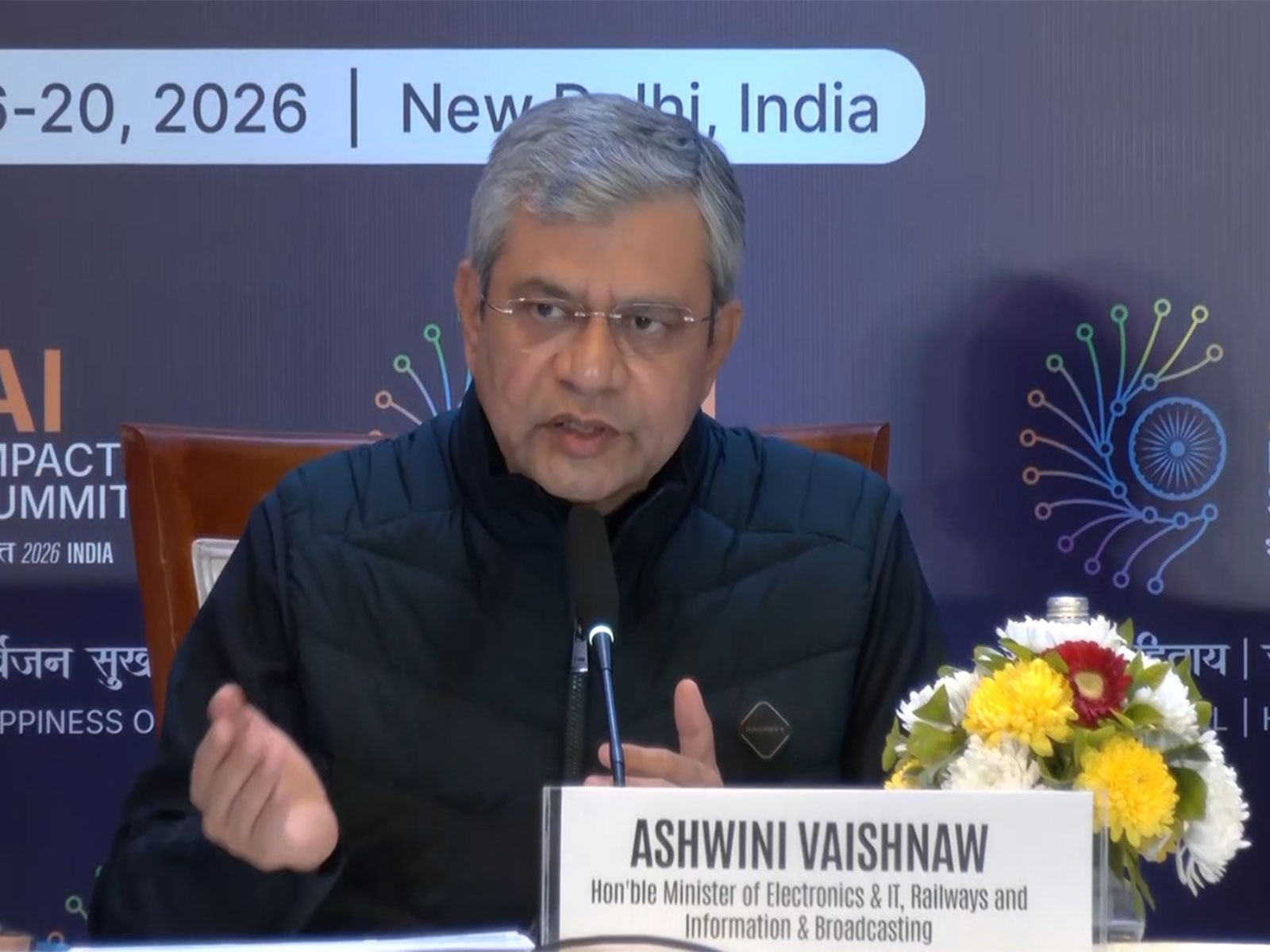
Nuclear power to play a major role in meeting AI's energy requirement: Ashwini Vaishnaw
Jan 30, 2026
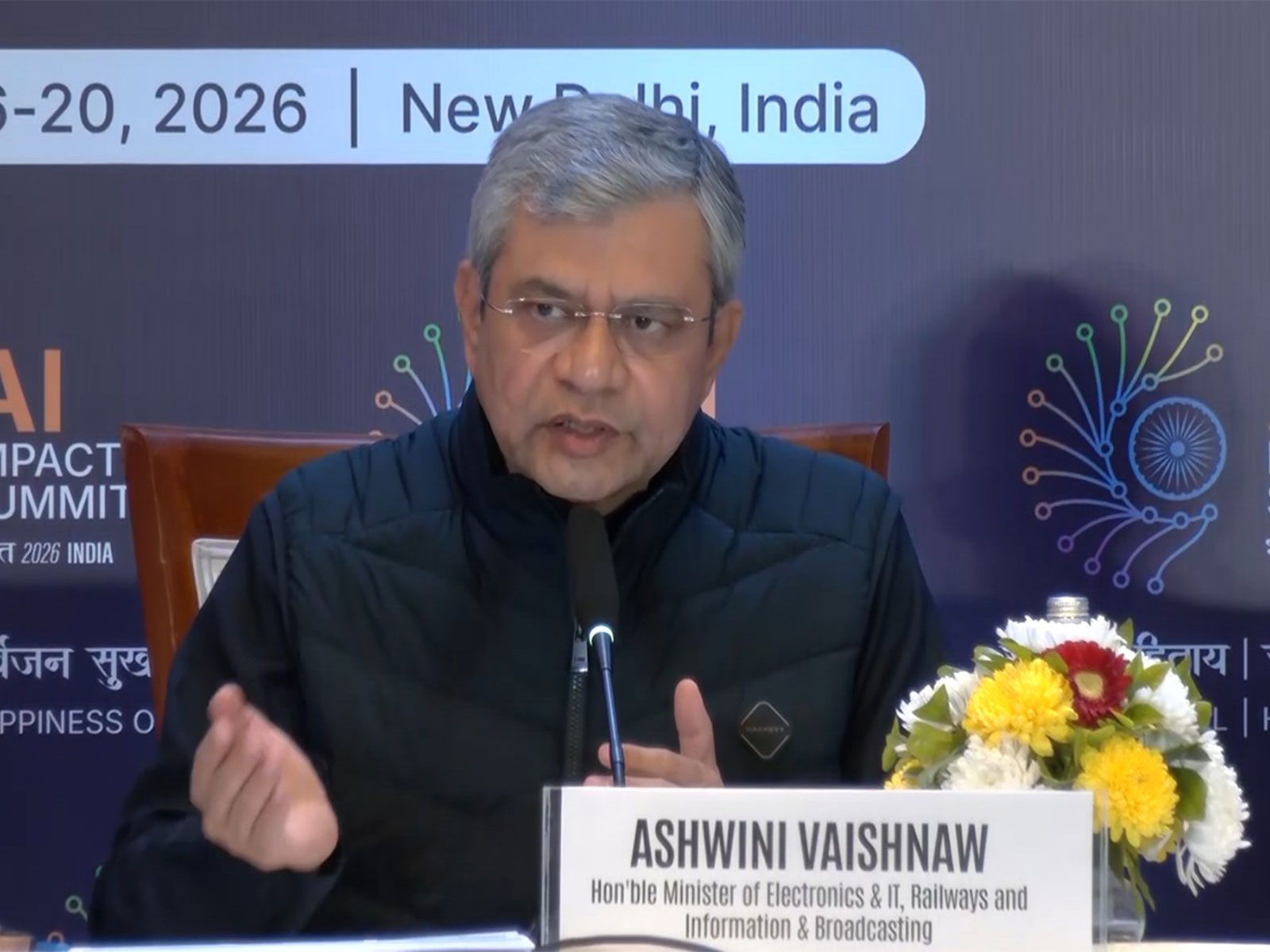
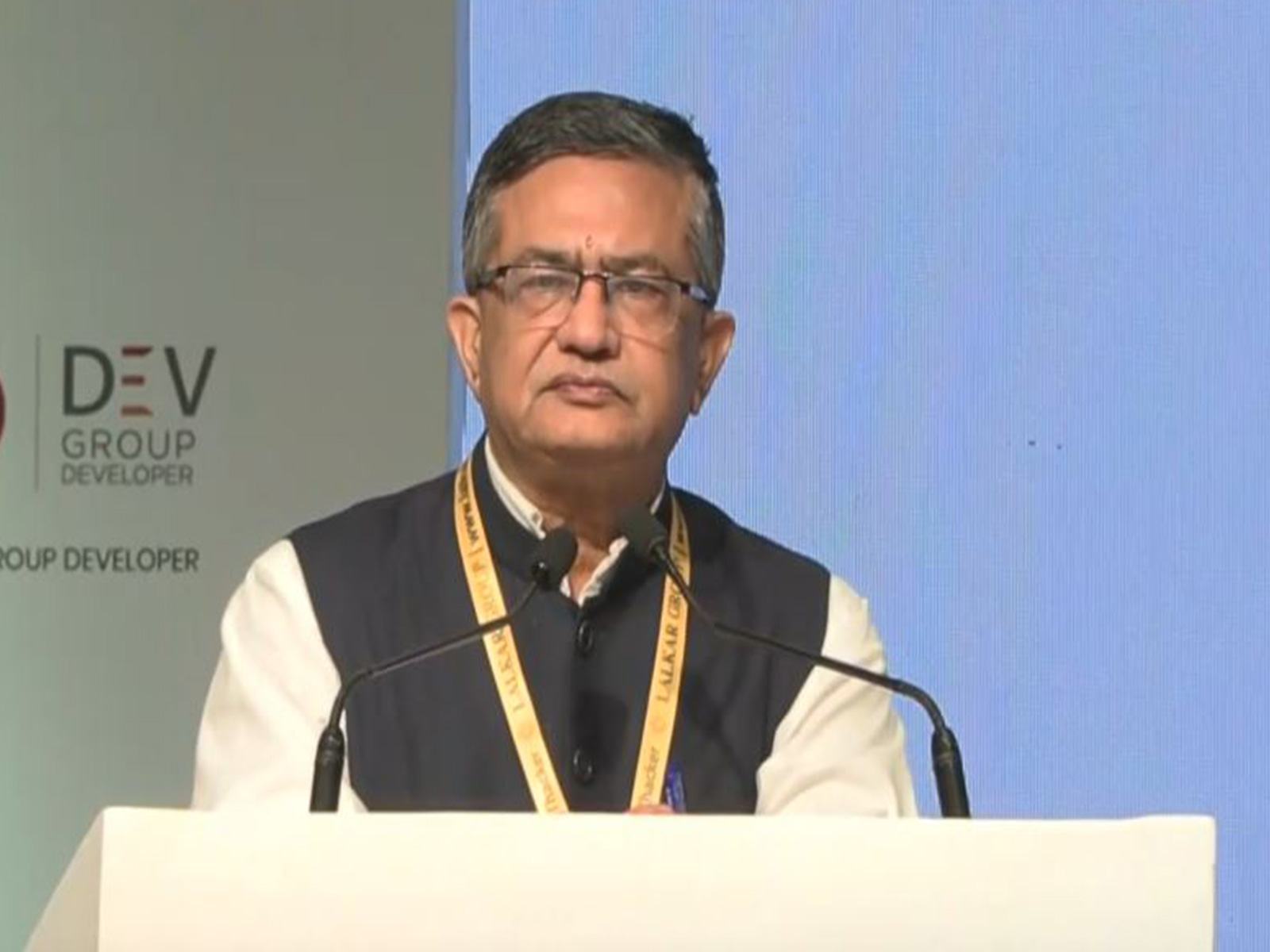
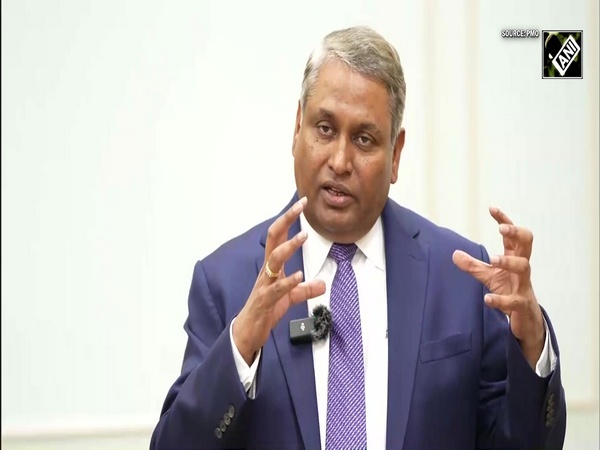
New Delhi [India], January 30 : Nuclear power will be an important part of India's Artificial Intelligence (AI) energy infrastructure, and in this context, the government has carried out major reforms in the sector, said Union Electronics & Information Technology Minister Ashwini Vaishnaw on Friday.
Responding to a question on AI's energy needs, Vaishnaw said, "Nuclear power will be a very important part going forward. As we know, AI does require a huge amount of energy."
The minister was speaking at a press conference ahead of the India AI Impact Summit 2026 in New Delhi from February 16-20.
Responding to a question on AI's energy requirements, Vaishnaw said, "Nuclear power will be very important part going forward. Major reforms were done in the nuclear power sector, positioning it as an important part of the AI energy infrastructure and the energy layer going forward."
The minister framed the AI shift as an ongoing journey and said, "Uses of AI are gaining popularity in India. This is just the first innings, and much more is yet to come.
He further said the stakeholders must "rapidly embrace the change," adopt AI to solve "population scale problems," and at the same time protect society from harmful impacts.
He also said India is engaging with "about 100 countries," and that one theme of the Working Groups is the "correct governance framework" ensuring AI is "safe and trusted."
In response to question about global dependence on critical AI hardware and export control measures, Vaishnaw said India must work on each and every layer of this entire stack.
"India cannot leave any one of these layers and that progress is being made in a very methodical step-by-step manner, with a focus on building very important strength on at least two out of the five layers."
He also pointed to how AI development itself may shift in the coming years, referring to the transition in the computer world from mainframe to PC, and said he would not be surprised if the way AI models are trained changes significantly.
He shared his experience of interaction with the experts during the World Economic Forum (WEF), who believed that small models could be sufficient for solving most-large enterprise problems, and specialization is going to be the key.
Earlier, at the WEF in Davos, the minister had emphasised that India is working comprehensively across all five layers of the AI architecture -- applications, models, chips, infrastructure, and energy -- to build a strong foundation for global AI services.
He reiterated India's economic outlook, stating that the country is poised to become the world's third-largest economy in the coming years, driven by technology-led growth and manufacturing expansion.
On semiconductors, the minister said India is building a complete semiconductor ecosystem, covering chip design, fabrication, packaging, materials, gases, and equipment. This integrated approach has positioned India as an increasingly reliable partner in global semiconductor supply chains, he noted.
Further on the governance and policy, Vaishnaw referred to ideas discussed in various forums and reflected in the economic survey, calling them "very good ideas, very sustainable and very structure-oriented ideas, including building institutions for a new AI-impacted world."
On talent and infrastructure for students, Vaishnaw said India will replicate a semiconductor model where 315 universities now have complete staff and students are designing chips.
He said "We will have a similar model now, with industry finalising course curriculum, and the government aiming to go to 500 universities to provide the AI intrap and the course curriculum to build a major talent pipeline."
He also confirmed that the AI labs would provide access to "AI models and GPUs" and "data."
On India's approach to models, Vaishnaw said, "The bouquet of sovereign models is under preparation. 7,000 data sets, more than 400 models already available."
"The bouquet of LLMs, the bouquet of models which are required for a sovereign capacity is part of the programme, with models to be released during the AI Impact Summit, the minister said.