"Oil markets are somehow adapting to uncertainty": Ex-Bulgarian Minister
Jan 06, 2026
London [UK], January 6 : The US operation in Venezuela, which led to the capture of President Nicolas Maduro and his wife Cilia Flores, has sent shockwaves through global markets, but oil prices remain relatively stable.
Experts argue that markets have adapted to uncertainty and that, although Venezuela's oil reserves are vast, they are constrained by infrastructure challenges.
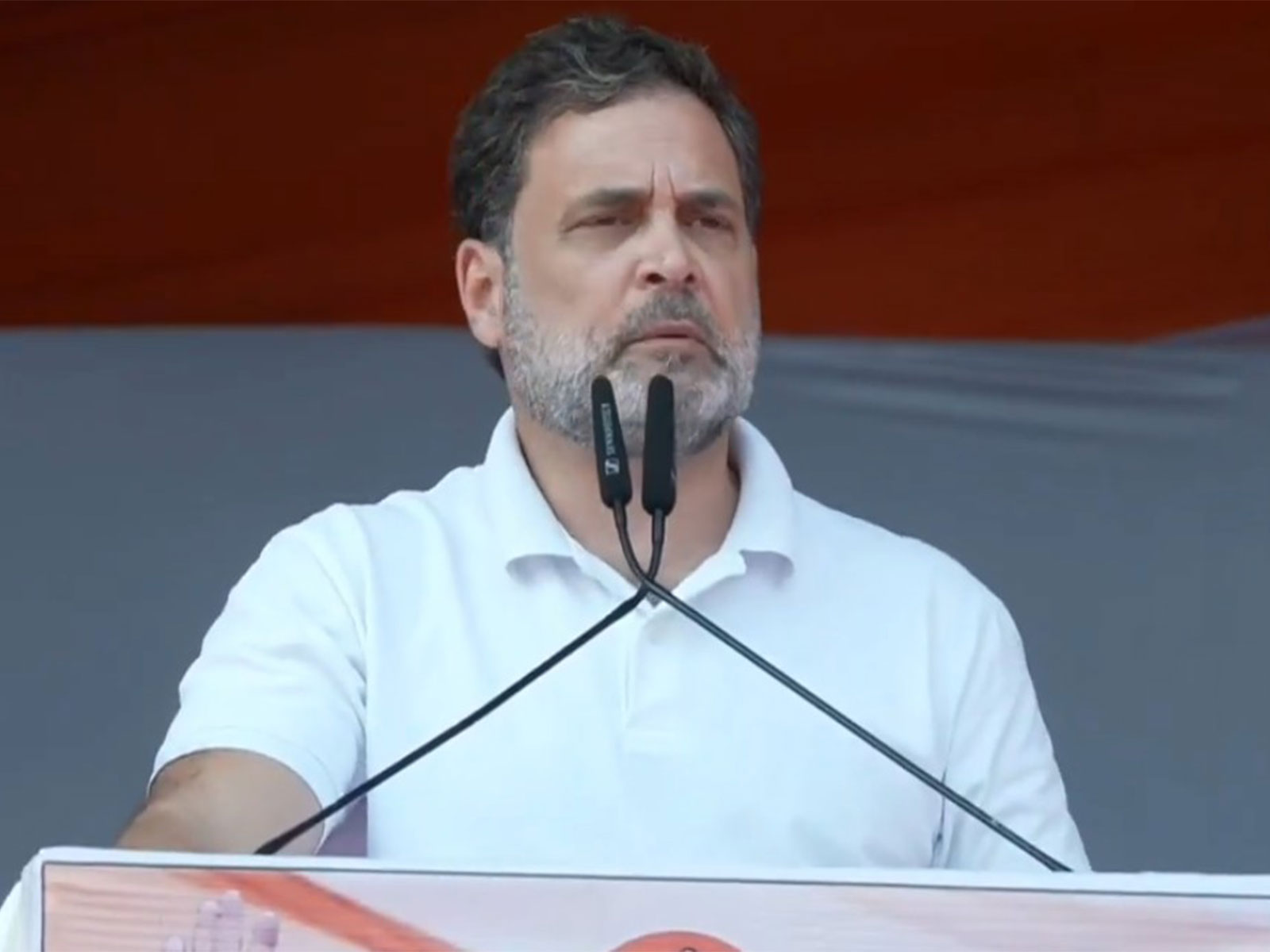
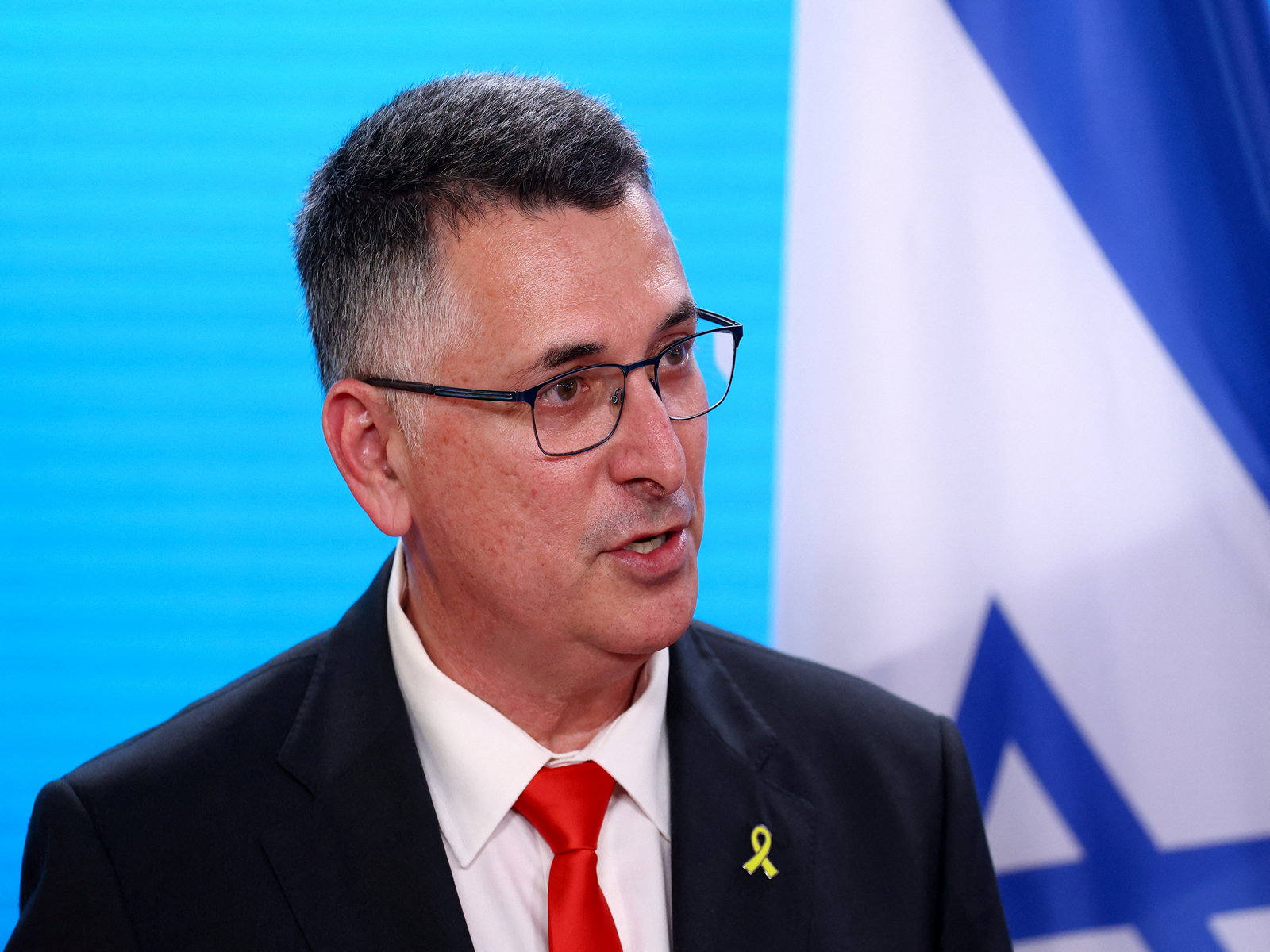
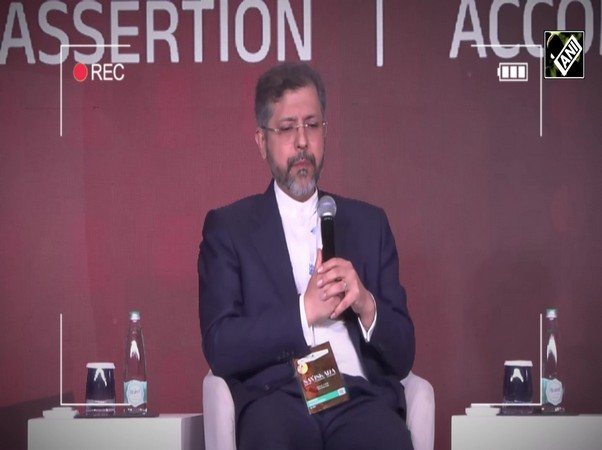
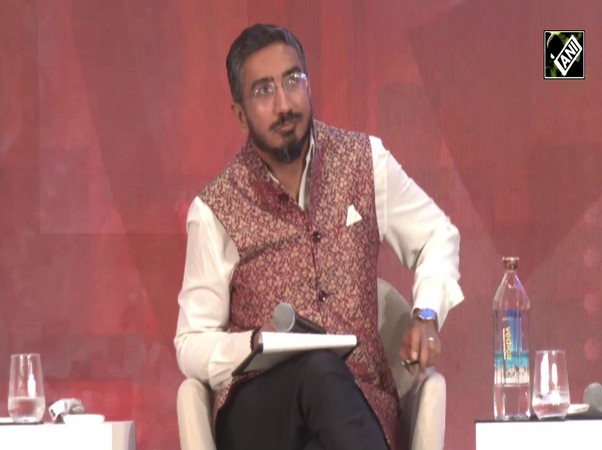
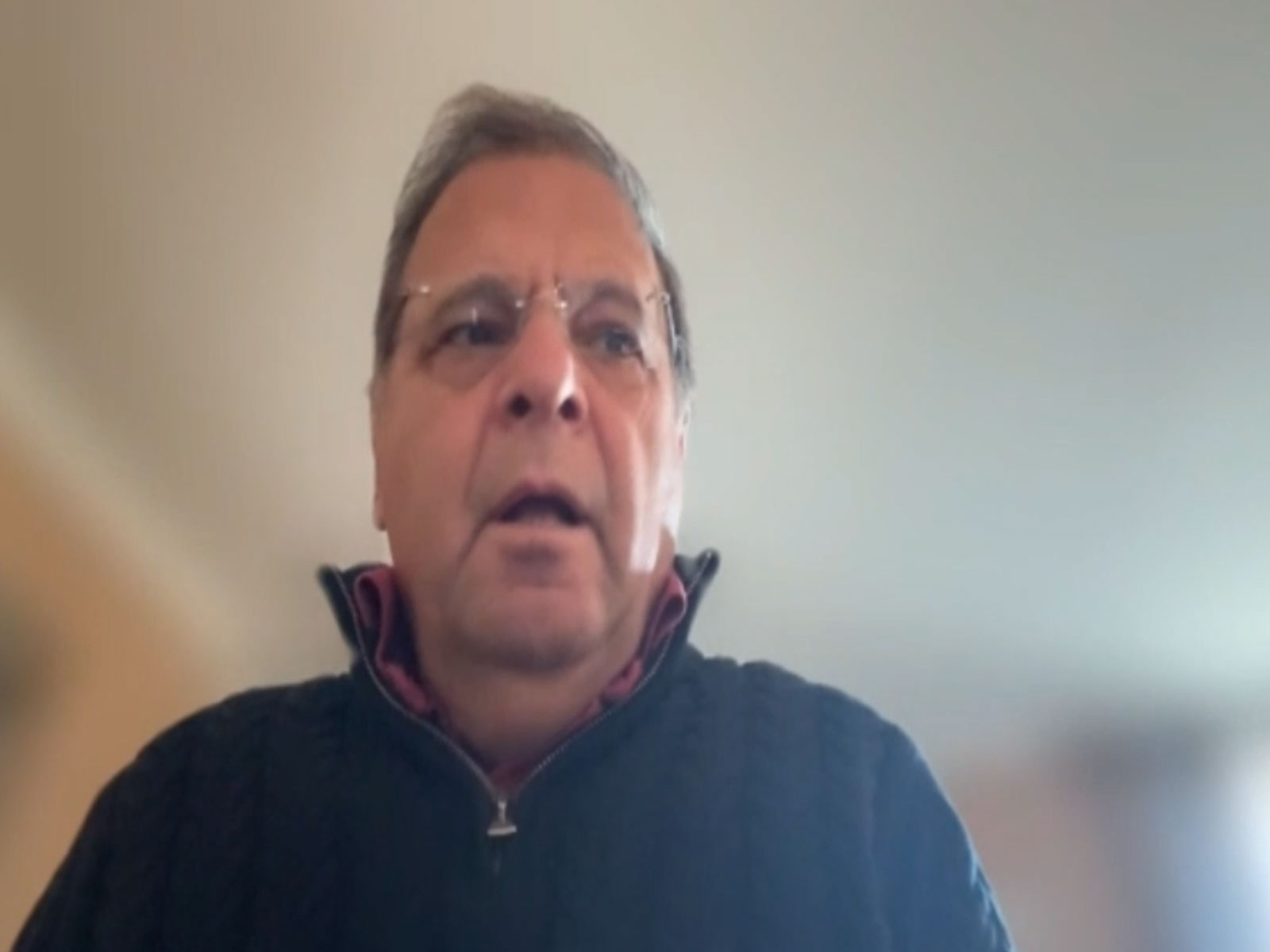
Speaking to ANI on global supply chains, Julian Popov, Former Minister of Bulgaria and Senior Fellow at Strategic Perspectives, said, "Oil markets are adapting to uncertainty, and conflicts aren't significantly impacting prices."
Venezuela's oil industry is in disarray, and increasing production will require significant investment and time.
He said, "Yes, supply is under pressure, but what we're seeing in recent months and years. This is why we can see that oil prices are not significantly affected by conflicts, including those in oil-rich and oil-exporting zones. And if we look at the first reaction of markets, the Brent oil price has declined a little bit this morning," he said.
Venezuela indeed has the world's largest proven oil reserves, estimated at 303 billion barrels, accounting for about 17% of global reserves. However, its oil production has plummeted due to decades of mismanagement, underinvestment, and US sanctions. The country's oil output has fallen from 3.5 million barrels per day (bpd) in the 1970s to around 1 million bpd currently.
The infrastructure is in disarray, with outdated equipment, frequent power cuts, and equipment theft. Reviving production would require significant investment, estimated at $100-183 billion over the next 15 years. This includes modernising refineries, repairing pipelines, and reviving abandoned wells.
"One theory holds that Venezuela has the largest proven oil reserves in the world. These oil reserves have been very badly managed. So more oil will flood the market, and the price of oil will decline. On the other hand, this is difficult because the oil industry's infrastructure in Venezuela is in poor condition. It can be just turned on and increased, so it will take years and huge investments, which raises a big question mark about whether the promised American companies by Trump will really engage because Venezuela remains a precarious place," he said.
US companies such as Chevron are hesitant to invest without guarantees regarding contract security and governance. Even if sanctions are lifted, production increases will be gradual, potentially taking 2-5 years to materialise. This could lead to a modest rise in global oil supply, potentially lowering prices by $4 per barrel by 2030.
The Trump administration has proposed that US companies invest in Venezuela's oil sector, with potential reimbursement through future revenue or asset recovery. However, this plan faces significant hurdles, including political instability, infrastructure decay, and global market headwinds.
The US operation has raised questions about control of Venezuela's oil resources, with some speculating that the US aims to reduce Venezuela's ties with China and Russia. Popov noted that while the US may gain control, the impact on global oil prices will be limited in the short term.
"It's not very clear what the regime will be in the future, or to what extent the US will control it there. So I assume that in the short term, there will not be a great impact. In the long term, production in Venezuela may increase. The global market is oversupplied at present. That could lead to a decline in the oil price, which will have a very interesting impact on geopolitics around the world, because the war in Ukraine is funded mainly by our revenues from Russia," he said.
Popov further stated that any change in oil prices would affect Russia and weaken its position regarding Ukraine.
"Any decline in oil prices will hit the economy and the budget of Russia, which will weaken its position in Ukraine. That's a very interesting thing. Another question we could consider is what will happen during the energy transition. Some people might say that low energy prices and low oil prices will make the internal combustion engine more attractive. I don't think so because the mobile is a revolution, electric cars, two and three-wheeled vehicles, but also heavy transport," he said.
He added, "This is really a revolution which is not driven by the price of oil. It is driven by innovation and by fierce competition. I expect that it will not be affected at all. It's a big if. The whole price declines as a result of the actions of the US in Venezuela."
On the situation in Venezuela, Popov said that since the beginning, US President Donald Trump's stance on Venezuela has been an aggressive one.
"Regarding the initial statement of President Trump, that he will not interfere in other countries' matters, was obviously surprising. On the other hand, from the very beginning of his mandate, his statements have been very aggressive towards other countries, such as Mexico, Canada, and Greenland, among others," he said.
He added that the US had interests in Venezuela; hence, the impact was much greater than that of the US in Mexico or Canada, for instance.
"In the case of Venezuela, things are more specific because the US does have very real interests there and also problems. That is obviously why the security advisors and people of Donald Trump have tried to convince him to intervene," he said.
"On one hand, probably the whole world is celebrating the fact that the dictator has been removed. However, this is a perilous precedent. It sends a hazardous message worldwide. And from a European point of view, it's sort of a justification also for what Putin is doing in Ukraine. So it's a worrying situation, and I just hope that it will not escalate in military terms and that a solution will be found," he added.
Popov added that restoring democracy in Venezuela is not the motivation for the US, as the opposition, etc, was not involved here.
"Venezuela is not a major player in drug trafficking. That's clear. So that couldn't be a main motivation. It could be a main excuse, but not a main motivation... Obviously, restoring democracy is also not a major motivation because we see that the recognised President and the leader of the opposition in Venezuela are not involved and are not even mentioned at all in the whole process," he said.
"Clearly, one of the things that Trump mentioned, and it is linked to the motivation, is control of oil resources. We were seeing that over the recent years, Venezuela was developing very close relationships with Russia and with China, and these are two countries that create tension and serious problems for America. And this is probably a serious motivation to reduce and to cut the ties between Venezuela and China, mainly, but also Russia," he added.
On Saturday, Washington carried out a "large-scale strike against Venezuela", and the deposed dictator, Nicolas Maduro and his wife, Cilia Flores, were captured and taken out of the country.
Maduro and Flores were captured in Caracas and flown out of the country in a joint operation involving intelligence agencies and US law enforcement.
Trump stated that Maduro and his wife have been indicted on charges of alleged "drug trafficking and narco-terrorism conspiracies" in the Southern District of New York and will face trial.
He said that American forces, working with law enforcement agencies, captured Maduro and his wife in a night-time operation.