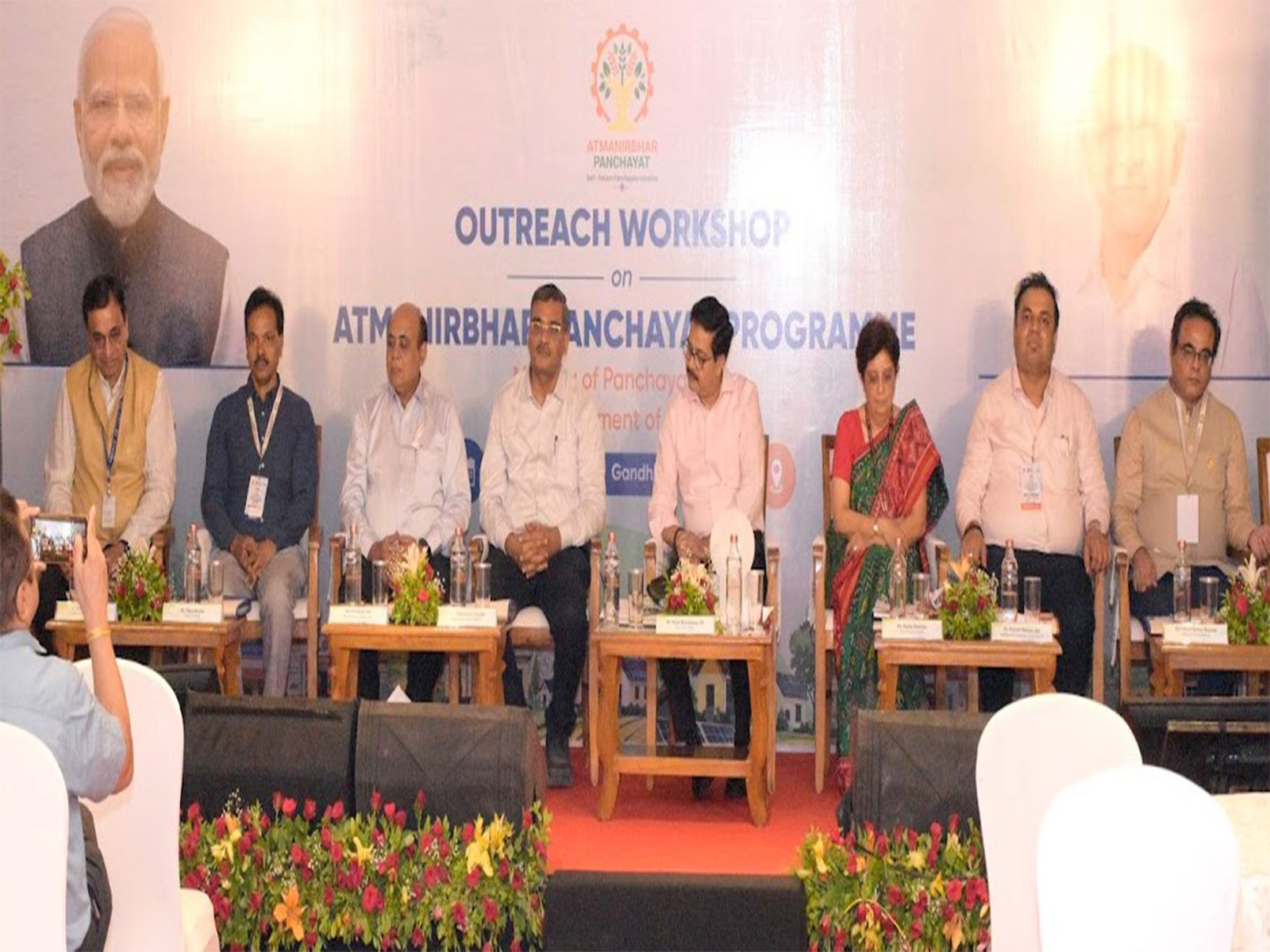
One-day state-level outreach workshop on 'Atmanirbhar Panchayat' concludes in Gandhinagar
Jun 09, 2026
Gandhinagar (Gujarat) [India], June 9 : To further advance Prime Minister Narendra Modi's vision of Atmanirbhar Bharat, Panchayats must now work towards becoming self-reliant by creating revenue-generating opportunities through various local projects and initiatives, said Secretary of the Ministry of Panchayati Raj, Vivek Bharadwaj, while addressing the 'Atmanirbhar Panchayat Programme' workshop in Gandhinagar.
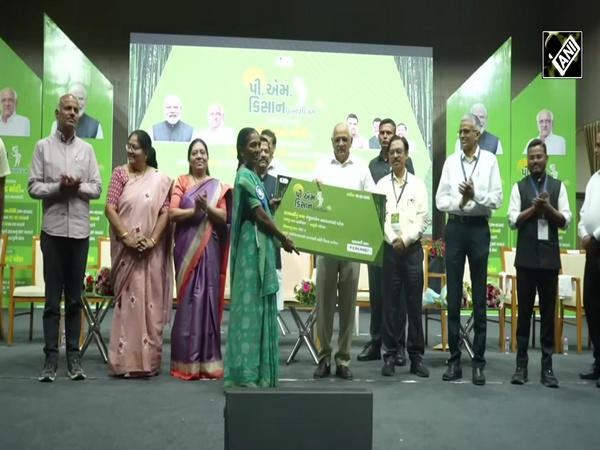
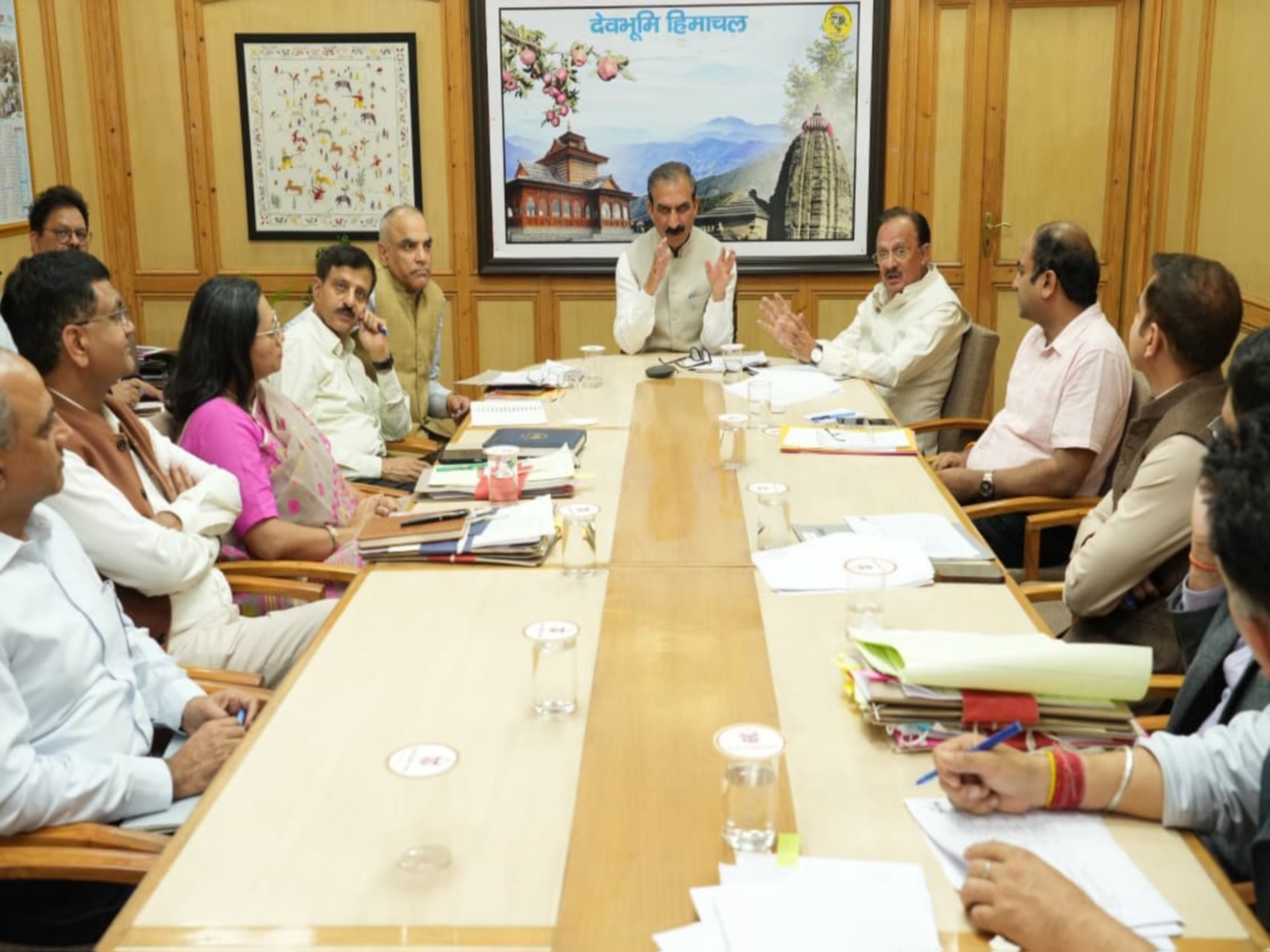
The Ministry of Panchayati Raj, Government of India, organised a one-day state-level outreach workshop under the 'Atmanirbhar Panchayat' Programme today at Hotel Leela, Gandhinagar. Principal Secretary of Gujarat's Panchayat Department, Dhananjay Dwivedi, was also present at the workshop, according to a release.
Secretary Bharadwaj stated that during the COVID-19 pandemic, India not only fulfilled its own requirements but also supplied vaccine doses to nearly 96 countries under the 'Vaccine Maitri' initiative.
Emphasising the need to carry forward the vision of Atmanirbhar Bharat, he said Panchayats must now become self-reliant by launching local projects and initiatives. He added that the initial years after India's independence were highly challenging, with the country facing partition, wars, droughts, and food shortages, which made it dependent on foreign assistance. However, over time, India took strong strides towards self-reliance. By 2003, India had largely stopped accepting foreign aid and had even waived debts of certain African countries, the release stated.
He said Panchayats should generate income by leveraging their local resources and unique characteristics. Citing examples such as the Indian Standard Time Line, the Tropic of Cancer, the Statue of Unity, and coastal regions, he said that proper planning and innovative thinking could create significant revenue and employment opportunities through tourism and related activities. In this way, Panchayats can become self-reliant and prosperous based on their own resources rather than depending solely on government grants. He noted that several Gram Panchayats and Block Panchayats across the country are already generating substantial revenue through such projects.
Principal Secretary of Gujarat's Panchayat Department, Dhananjay Dwivedi, stated that it is a matter of pride that 71 Panchayats from Gujarat have been selected as 'Atmanirbhar Panchayats' under the Ministry of Panchayati Raj's programme. However, he emphasised that Gujarat should not limit itself to these 71 Panchayats. Under the guidance of Chief Minister Bhupendra Patel, joint efforts must be made to transform all 14,000-plus Panchayats in the state into Atmanirbhar Panchayats. He noted that while the governance structure places the Union Government at the top, the State Government in the middle, and local self-government institutions at the grassroots level, Prime Minister Narendra Modi's vision of 'Atmanirbhar Bharat 2047' cannot be achieved solely through the efforts of the Union and State Governments. District, Taluka, and Gram Panchayats must participate in this mission with equal enthusiasm and energy, the r;elease stated.
He said Panchayats are not merely administrative units but vibrant institutions of democracy. Along with utilizing grants and providing public services, Panchayats serve as the most important grassroots schools of democracy. Leadership nurtured at the village level progresses to the state and national levels and contributes significantly to nation-building. He emphasized that rural areas should have facilities comparable to those available in cities. Today's rural citizens have high aspirations and expectations, and they seek the same quality of life and amenities that are available in developed cities such as Ahmedabad.
He further stated that working only within the limits of government grants is the role of a manager, whereas stepping beyond those limitations and making a village self-reliant is the role of a leader. The scope of the Atmanirbhar Panchayat concept must be expanded. Although 71 Panchayats from Gujarat have initially been selected under the Union Government's programme based on criteria such as a Gram Panchayat income of Rs 50 lakh or a Taluka Panchayat income of Rs 1 crore, the vision should not remain restricted to those benchmarks. A Panchayat currently generating Rs 49 lakh or Rs 95 lakh can achieve the target with a little more effort. He called for spreading the message of self-reliance to all 14,000-plus Panchayats across Gujarat.
He added that this is not merely a government programme but a living idea aimed at making Panchayats self-reliant. After 20 years, when India marks its Amrit Kaal by completing 100 years of independence, every Sarpanch, Talati, and official should be able to proudly say that their village and region made a valuable contribution to nation-building.
On the occasion, Additional Development Commissioner Gaurav Dahiya stated that the 'Atmanirbhar Panchayat Programme' has been launched to make Gram Panchayats in Gujarat financially stronger and more self-reliant. The primary objective is to increase the Panchayats' own revenue and reduce dependence on Central and State Government grants. Under the programme, 71 Gram Panchayats in Gujarat have been selected in the initial phase as 'Atmanirbhar Panchayats'.
He stated that just as urban local bodies function successfully through strong budgeting and independent revenue sources, similar efforts are being made to strengthen the financial management of Gram Panchayats. The initiative has been launched with the long-term vision of making all 14,650 Gram Panchayats in the state self-reliant. Organised with the support of the Central Government, State Government, and NABARD, the programme will establish a new direction for rural development and play an important role in making local self-government institutions stronger, more accountable, and development-oriented.
NABARD Regional Manager Pradeep stated that the institution has been continuously working to promote rural development, agricultural prosperity, and a stronger rural economy. NABARD has made significant contributions to infrastructure development in rural areas, including roads, markets, water facilities, and other essential amenities. In addition, several successful initiatives have been undertaken to increase farmers' productivity through the adoption of modern agricultural technologies, water conservation, and irrigation development. These efforts have created new opportunities for connectivity, employment, and economic growth in rural regions.
He further stated that NABARD has also undertaken special initiatives to strengthen the cooperative sector, district cooperative banks, farmer producer organizations, and women's self-help groups. To help Gram Panchayats develop sustainable revenue sources, NABARD has prepared various development plans and Detailed Project Reports (DPRs).
Models such as rural haats, filtered drinking water facilities, storage and processing of agricultural produce, small-scale industries, warehouse construction, and commodity-based enterprises are being promoted to make Gram Panchayats self-reliant. He added, through such revenue-generating initiatives, Gram Panchayats can accelerate development activities using their own resources rather than depending solely on government grants and can establish a new model of holistic rural development, the release stated.
On the occasion, HUDCO official Vimal Kumar Sharma stated that the organization is fully committed to supporting Gram Panchayats with infrastructure facilities, technical guidance, and financial planning required to make them self-reliant. HUDCO has successfully implemented several development programmes for urban local bodies and is now expanding similar support to Gram Panchayats. The organization will provide guidance and expert assistance in designing revenue-generating projects, assessing their technical feasibility, preparing project reports, and securing funding from financial institutions.
In addition, HUDCO will organize workshops, training programmes, and special sessions on technical, financial, and project management aspects for Panchayat officials and staff. Sharma added that comprehensive support and guidance will be provided to enable Gram Panchayats to generate their own revenue, develop profitable and sustainable projects, and independently drive development initiatives in line with the vision of Atmanirbhar Panchayats.
During the workshop, detailed information was shared regarding the vision, objectives, technical roadmap, and expected outcomes of the Atmanirbhar Panchayat Programme. A live demonstration of the Atmanirbhar Panchayat Portal was conducted, followed by an interactive question-and-answer session with participants.
The event was attended by the Joint Secretary of the Ministry of Panchayati Raj Mukta Shekhar, officials from the Ministry of Panchayati Raj, District Development Officers, Taluka Development Officers, Talati-cum-Mantris, Sarpanches, and representatives from NABARD. The programme was conducted in a hybrid mode, with officials and elected representatives of Gram and Taluka Panchayats across the state joining through video conferencing.