Online anti-Indian hate surge: NCRI report highlights rising rhetoric, influencer role
Mar 11, 2026
Washington DC [US], March 11 : A recent analysis by the Network Contagion Research Institute (NCRI) has revealed a significant rise in anti-Indian commentary and hostility on social media platforms, with targeted posts and coordinated campaigns driving much of the online rhetoric, as stated in a column by Tanner Nau, Editorial Fellow at The Free Press.
According to The Free Press column by Tanner Nau, the NCRI report stated that anti-Indian discourse on social media platform X saw a dramatic increase in 2025, nearly tripling compared to 2024 and generating over 300 million views.
The institute identified approximately 24,000 posts containing anti-Indian content, reflecting growing online animosity linked to debates over immigration, national identity and visa policies.
Tanner Nau, in his column, stated that the analysis found that this surge was driven not by broad public engagement but by a small number of highly active accounts, with the three "most prolific posters" alone responsible for 525 posts. These accounts accounted for more than 10 per cent of all likes and 20 per cent of reposts among anti-Indian content reviewed by the institute.
The report highlighted that many posts emerged in response to changes in US immigration policy, particularly around H-1B work visas.
In September, the Trump administration introduced a USD 100,000 fee for employers sponsoring H-1B workers, described by the White House as a measure to curb fraud.
NCRI noted that much of the highly engaged anti-Indian commentary during that period praised the policy as a way to restrict Indian immigration while also engaging in racially charged language.
Social media posts frequently included ethnic slurs and stereotypes alongside discussions about visas, legal and illegal immigration, and cultural assimilation. The volume of anti-Indian posts peaked in mid-December 2025, with some weeks seeing over 800 posts containing derogatory terms such as "pajeet" and "dothead", Tanner Nau stated in his column for The Free Press.
One recent instance that reignited online controversy involved a video of an Indian couple participating in an online dance challenge at the World War II Memorial in Washington, DC, which prompted some users to condemn the couple's behaviour and call for limits on H-1B visas, the column stated.
NCRI identified the three most frequent creators of anti-Indian posts on X as NeonWhiteCat, MattForney, and TheBrancaShow. As of this week, MattForney and TheBrancaShow together had approximately 219,000 followers, while NeonWhiteCat's account appeared to be inactive.
The report also noted the political implications of the trend. Historically, Indian Americans have tended to support the Democratic Party, but recent Carnegie Endowment for International Peace research shows a shift, with 46 per cent of Indian Americans identifying as Democrats in 2026 - down from 52 per cent in 2020.
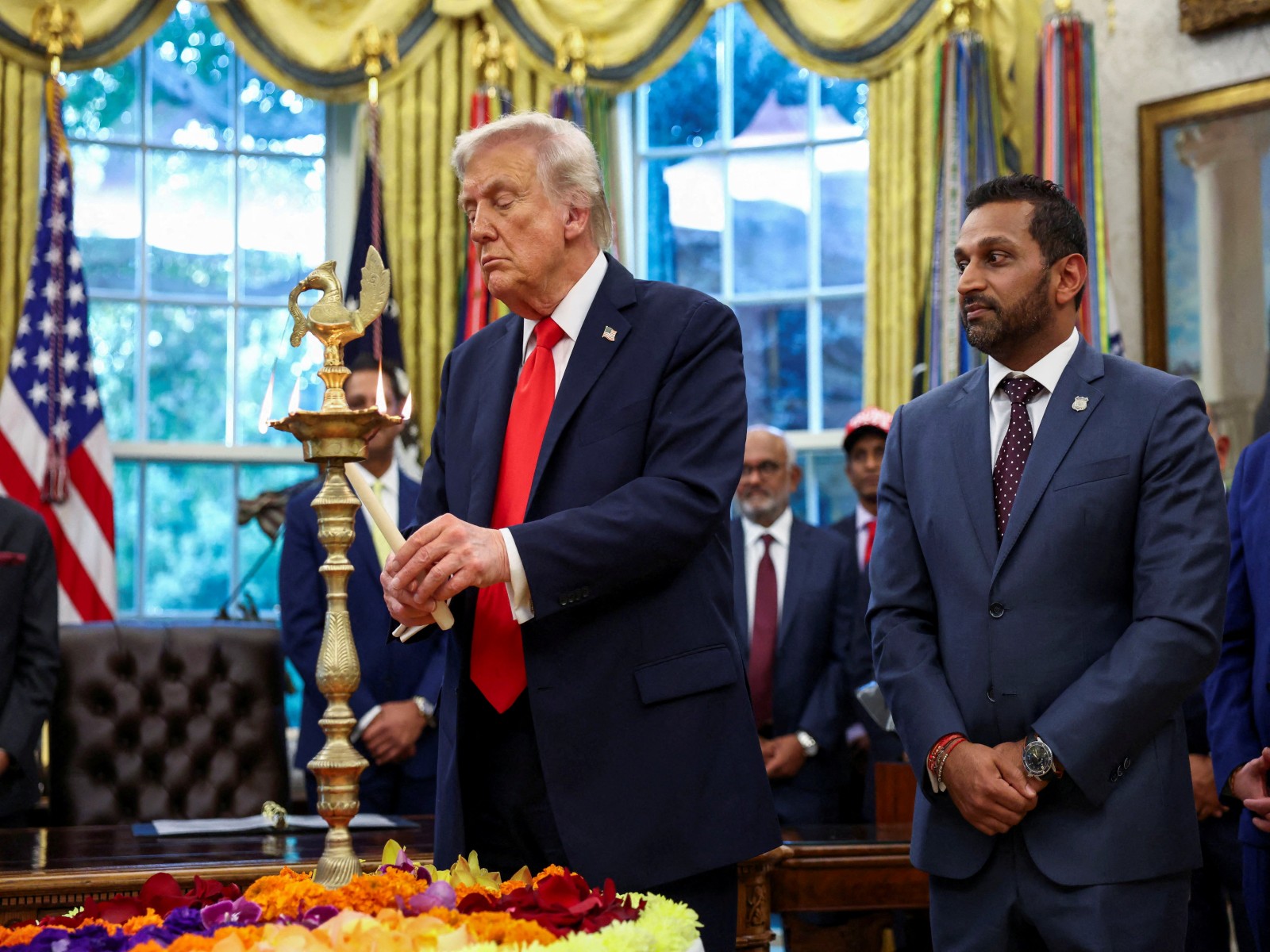
Prominent Indian Americans have held influential roles in US politics, including FBI Director Kash Patel and Harmeet Dhillon, head of the US Department of Justice's Civil Rights Division. Dhillon -- born in India -- faced online backlash from fringe activists during the Republican National Convention in 2024 over her delivery of a Sikh prayer, comments she described as "blatant racism and nativism", according to The Free Press column by Tanner Nau.
Some conservative-leaning Indian Americans have expressed concern about the impact of toxic online narratives on community engagement and political alignment. Utsav Sanduja, former executive director of Hindus for America First, said that the rise in anti-Indian rhetoric was a troubling development for communities that had worked to build bipartisan political support, as reported in the column.
Unlike some immigration criticisms that frame newcomers as a burden on public resources, much of the online anti-Indian commentary instead portrayed Indian immigrants as "too successful" or accused them of "stealing American jobs", citing data showing that Indian-led households had significantly higher median incomes and educational attainment than national averages, the column stated.
The report also highlighted online hostility directed at US Second Lady Usha Vance, whose parents immigrated to the US from India and who has been both celebrated for her role and targeted by far-right commentators.
NCRI found more than 2,000 posts related to anti-Indian commentary around Usha Vance. When asked about far-right comments last year, Vice President JD Vance responded bluntly, saying that one controversial critic could "eat shit".
The column, citing the NCRI study, underscores the evolving landscape of social media discourse around immigration and identity in the United States, with online platforms playing an increasingly influential role in shaping narratives and amplifying divisive content.