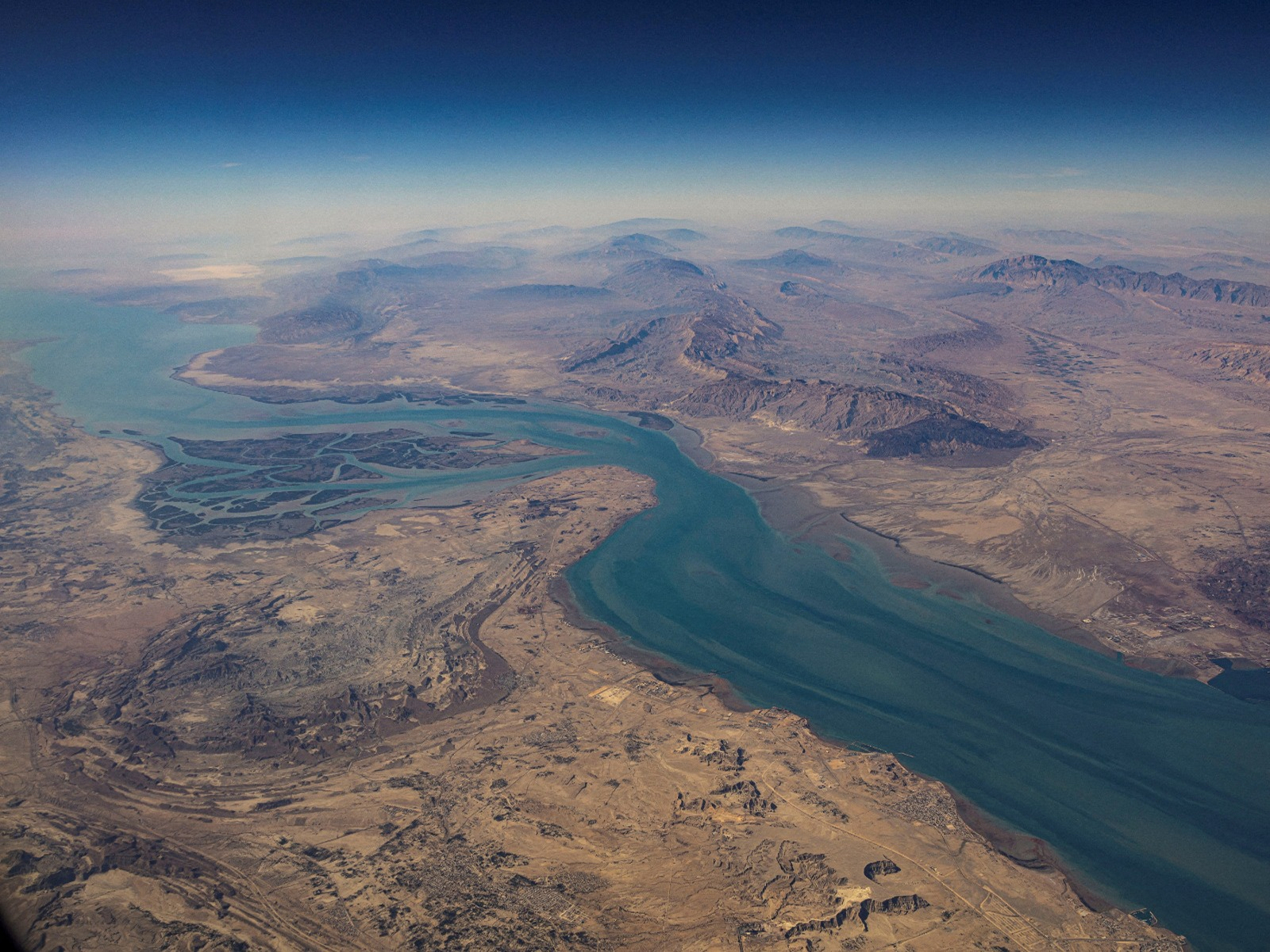
Over 20 countries condemn 'de facto closure' of Strait of Hormuz, vow efforts to ensure safe passage
Mar 21, 2026
Abu Dhabi [UAE], March 21 : More than 20 countries on Saturday have strongly condemned what they described as the "de facto closure" of the Strait of Hormuz, expressing readiness to take appropriate steps to ensure safe passage through the critical maritime route amid the ongoing conflict in West Asia.
In a joint statement issued by leaders of over 20 nations, including the United Arab Emirates, the United Kingdom, France, Germany, Italy, the Netherlands, Japan, Canada, the Republic of Korea, New Zealand, Denmark, Latvia, Slovenia, Estonia, Norway, Sweden, Finland, Czechia, Romania, Bahrain, Lithuania, and Australia, the countries denounced the recent attacks carried out by Iran on unarmed commercial vessels in the Gulf, as well as strikes on civilian infrastructure, including oil and gas installations.
"We condemn in the strongest terms recent attacks by Iran on unarmed commercial vessels in the Gulf, attacks on civilian infrastructure including oil and gas installations, and the de facto closure of the Strait of Hormuz by Iranian forces," the statement said.
The signatories expressed deep concern over the escalating situation and called on Iran to immediately cease threats, including the laying of mines and drone and missile attacks aimed at disrupting commercial shipping in the region.
They also urged compliance with UN Security Council Resolution 2817, emphasising that interference with international shipping and disruption of global energy supply chains pose a serious threat to international peace and security.
"Consistent with UNSC Resolution 2817, we emphasise that such interference with international shipping and the disruption of global energy supply chains constitute a threat to international peace and security. In this regard, we call for an immediate comprehensive moratorium on attacks on civilian infrastructure, including oil and gas installations," the statement read.
"We express our readiness to contribute to appropriate efforts to ensure safe passage through the Strait. We welcome the commitment of nations who are engaging in preparatory planning," he added.
Reaffirming that freedom of navigation is a fundamental principle of international law under frameworks such as the United Nations Convention on the Law of the Sea, the countries warned that the consequences of such actions would be felt globally, particularly by vulnerable populations.
"Freedom of navigation is a fundamental principle of international law, including under the United Nations Convention on the Law of the Sea. The effects of Iran's actions will be felt by people in all parts of the world, especially the most vulnerable," the statement stated.
They also welcomed the decision of the International Energy Agency (IEA) to authorise a coordinated release of strategic petroleum reserves, and said additional measures would be taken to stabilise energy markets, including working with producing nations to increase output.
The IEA, last week, announced the largest-ever release of emergency oil stocks in its history, making 400 million barrels of oil available to global markets to mitigate disruptions caused in the global energy supply by the ongoing West Asia conflict.
In a video statement, IEA Executive Director Fatih Birol highlighted that the conflict has severely impacted global oil and gas markets, particularly through the Strait of Hormuz, and the decision was taken "to offset the supply lost through the effective closure of the Strait."
Further, the countries pledged support for nations most affected by the crisis through multilateral platforms, including the United Nations and international financial institutions.
"Maritime security and freedom of navigation benefit all countries. We call on all states to respect international law and uphold the fundamental principles of international prosperity and security," the statement added.
The development comes amid the escalating tensions and conflict that began on February 28 with the killing of 86-year-old Iran's Supreme Leader, Ayatollah Ali Khamenei, in joint military strikes by the US and Israel, after which Iran, in its retaliation, targeted Israeli and US assets in several Gulf countries and Israel, causing disruption in the waterway and affecting international energy markets and global economic stability.
Due to the conflict in the region, Iran has virtually closed the Strait of Hormuz, a critical transit route for global energy supply.
Following the death of Ali Khamenei, Mojtaba Khamenei, son of the former leader, was appointed as the new Supreme Leader of the Islamic Republic.