Pakistan: Activist Jibran Nasir slams state as Balochistan burns amid violence
Feb 02, 2026
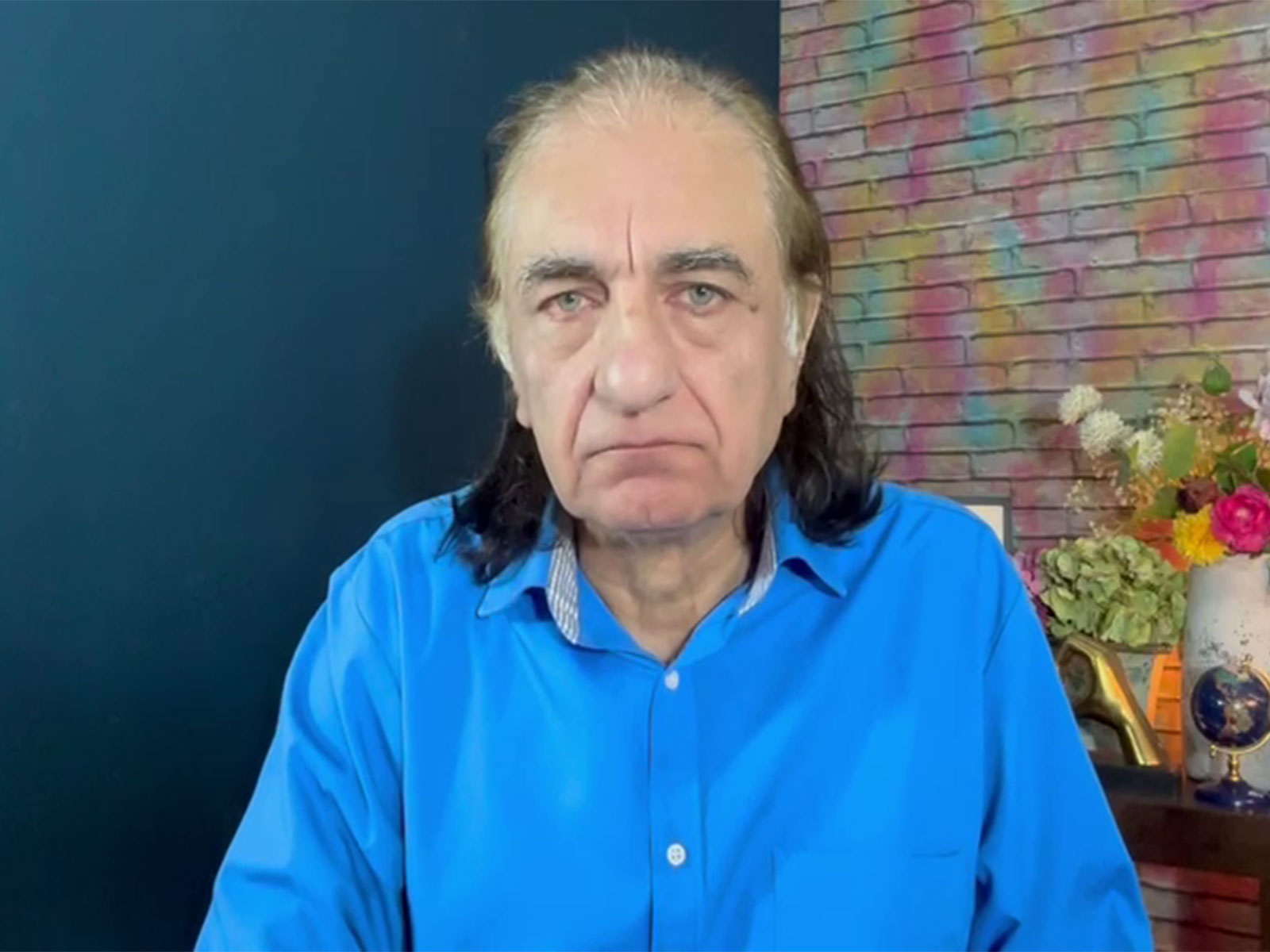
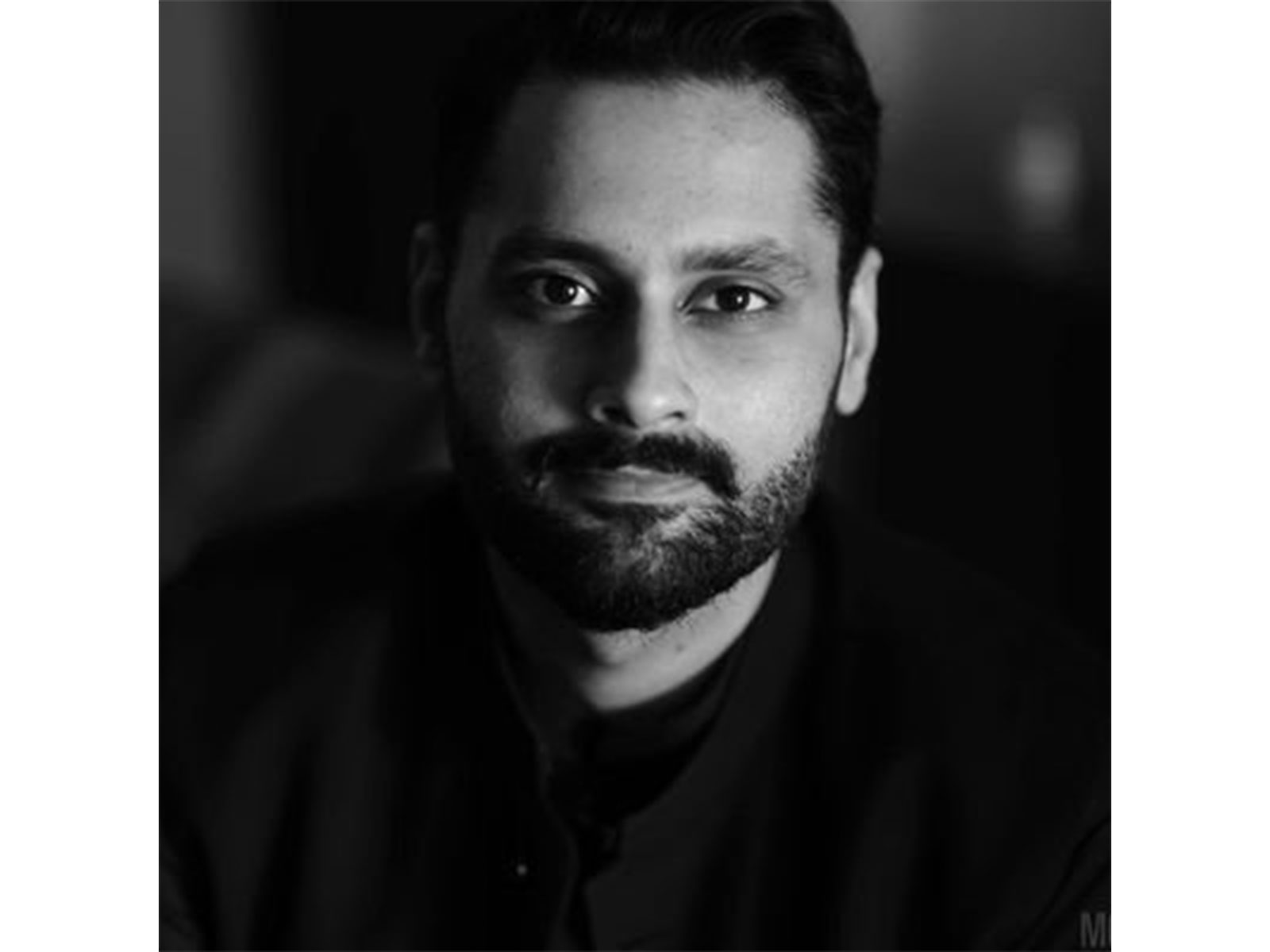
Karachi [Pakistan], February 2 : As violence continues to engulf Balochistan, activist Jibran Nasir has sharply criticised the Pakistani state's refusal to confront its own failures, warning that denial and blame-shifting are only deepening the crisis.
Taking to social media platform X, Nasir said, "Balochistan is burning. Our citizens, policemen, civil servants, and soldiers are being martyred, yet no one is allowed to question anything."
He mocked the official narrative that portrays Pakistan as entirely innocent, stating, "We have, apparently, done nothing to hurt anyone. No one's self-esteem has been hurt, no one has been disappointed, no one has been disheartened, and no one has any reason to hate us. The problem is that they are all so petty, so mean, so greedy, and so short-sighted that for the sake of a few dollars they would throw not only themselves but also their future and their fellow citizens into the fire. In this simple narrative, there is no responsibility, no fault, no question, and no need for accountability."
Nasir argued that such thinking conveniently erases responsibility and accountability, allowing the state to avoid hard questions.
He wrote, "The reality, however, is quite the opposite. Force, coercion, and violence can only achieve limited and temporary control, what we conveniently call 'peace.' This is not peace; it is merely a pause. As long as we refuse to talk, to recognise people as stakeholders, to acknowledge their dignity and worth, and to acknowledge our policies and mistakes, lasting peace is not possible."
He warned that media blackouts, repression, and the silencing of critics only fuel self-deception.
Balochistan is witnessing a troubling rise in kidnappings, enforced disappearances, and targeted abductions, affecting civilians, political activists, students, and government employees.
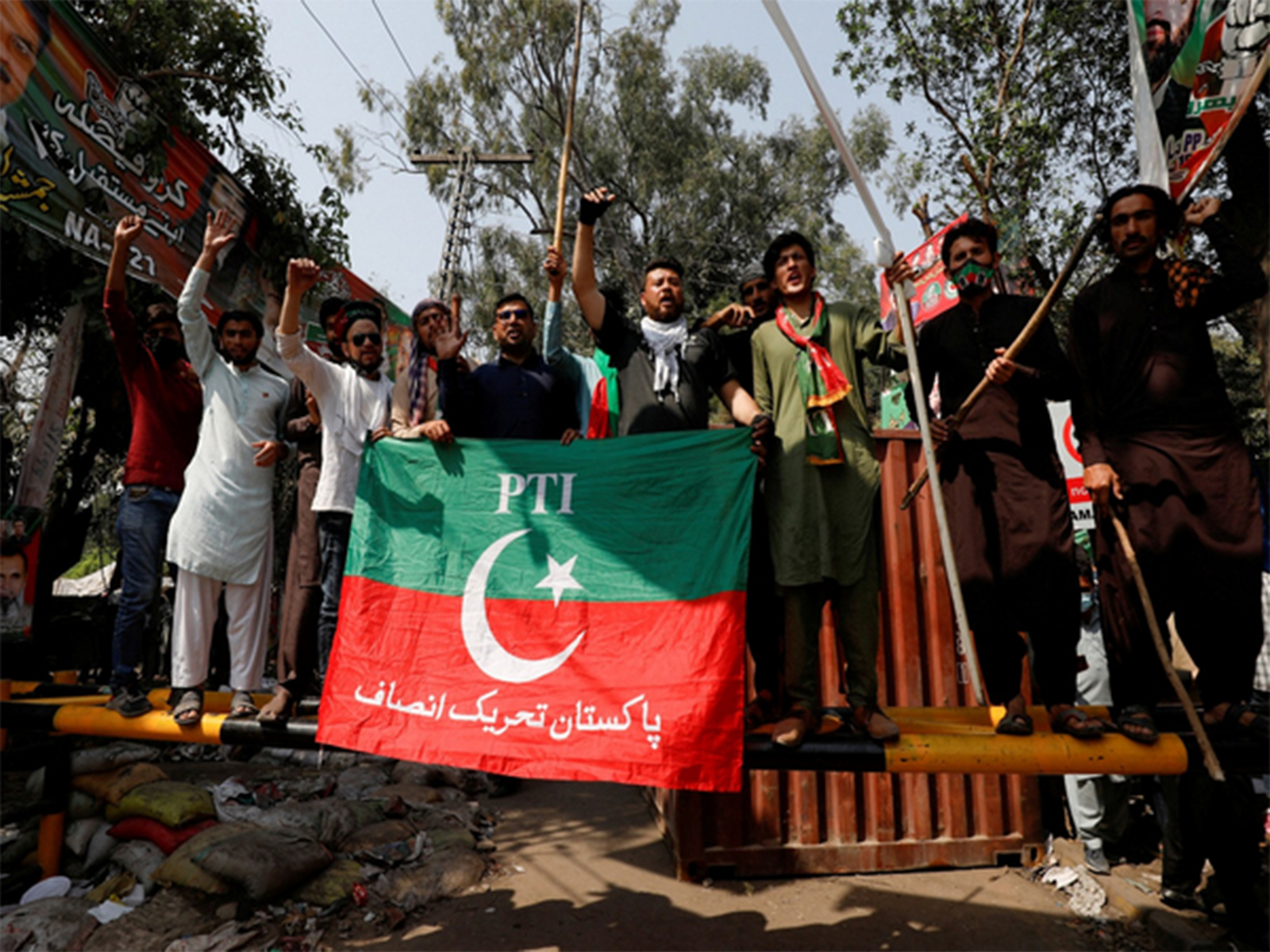
Families across the province continue to protest, claiming their loved ones were taken by unknown actors and remain missing for months or even years.
These incidents have created a climate of fear and insecurity, discouraging political participation and normal civic life.