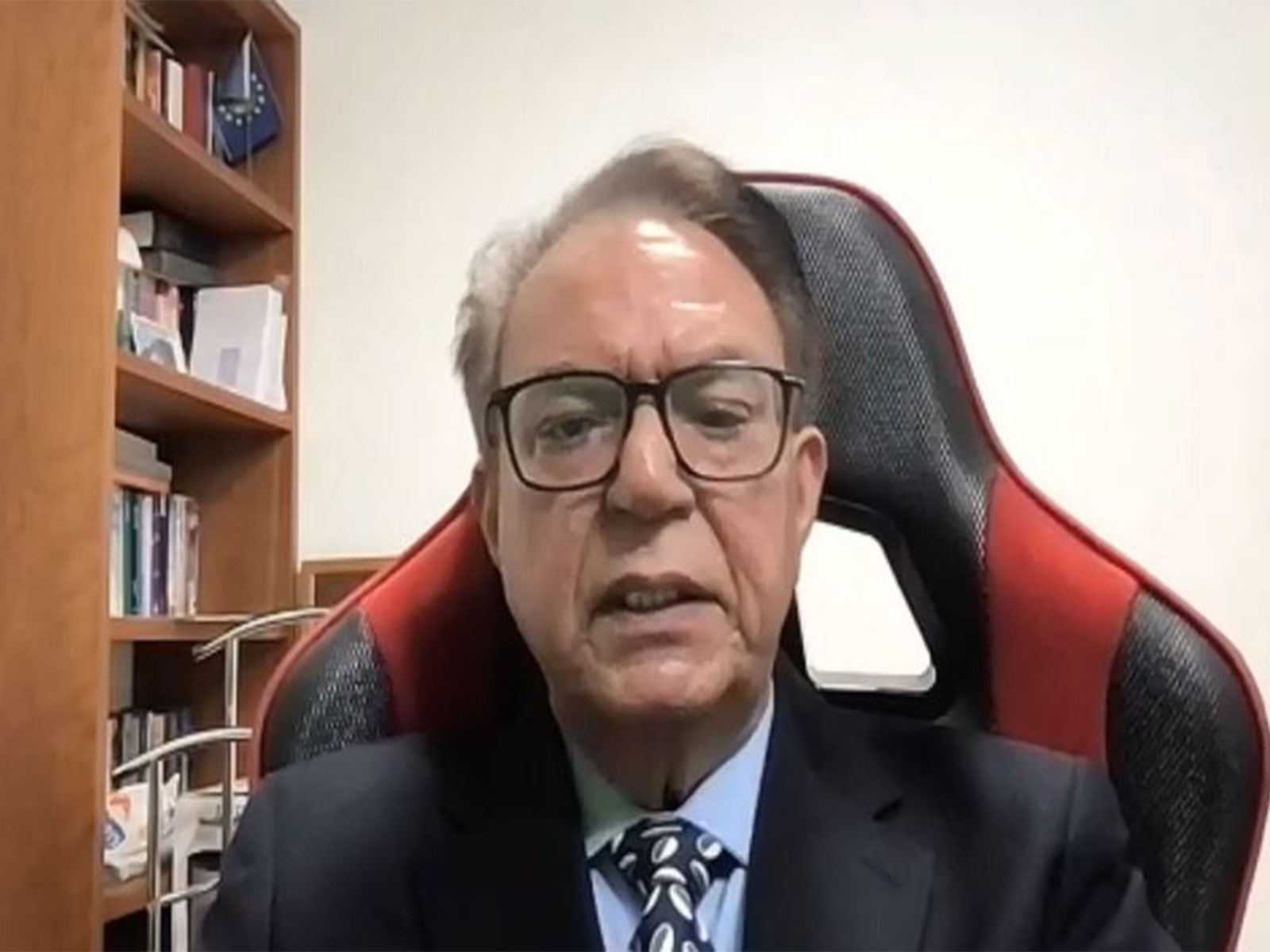
Pakistani control, political marginalisation grip PoJK, says Sardar Shaukat Ali Kashmiri
Jan 02, 2026
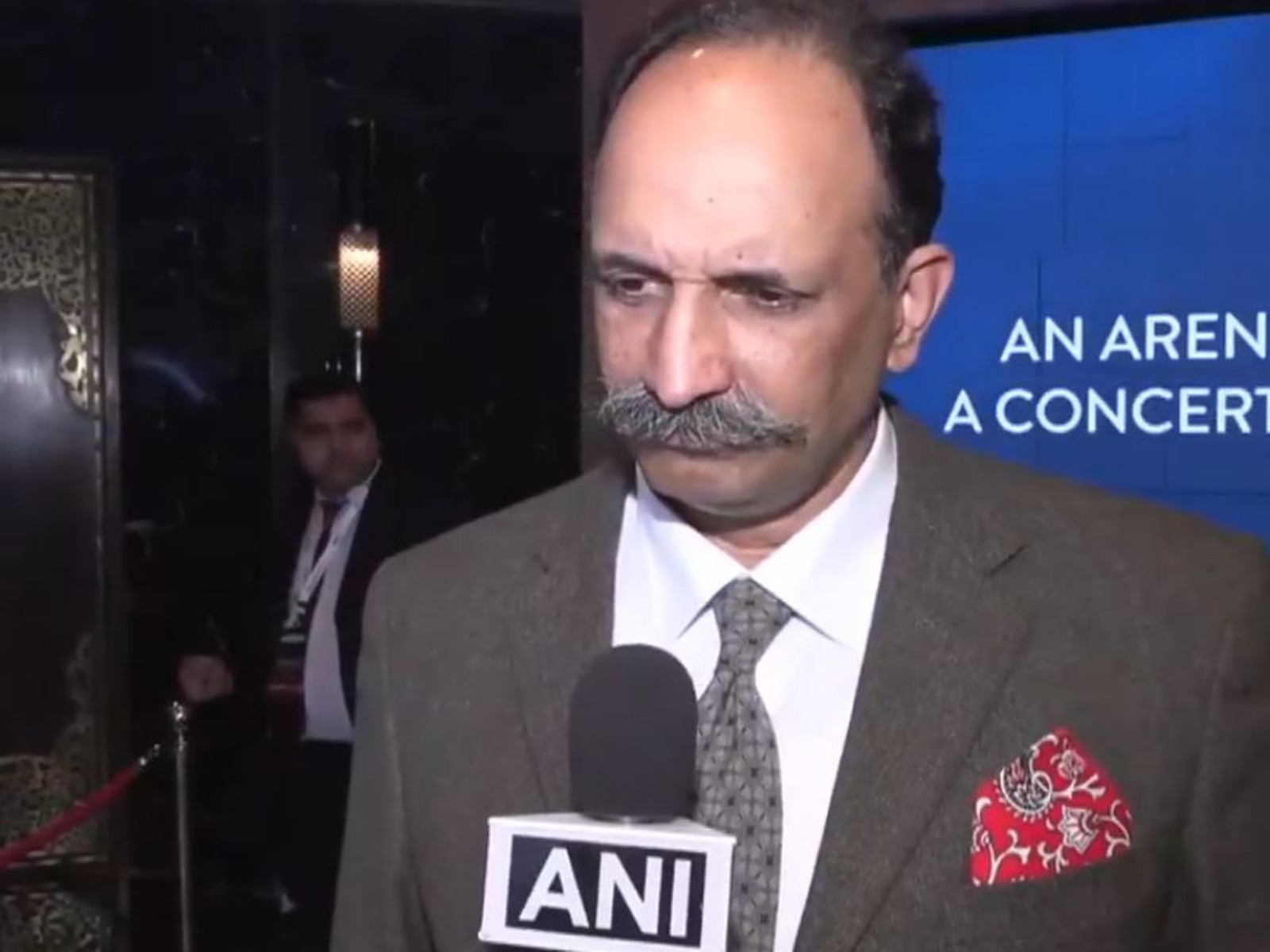
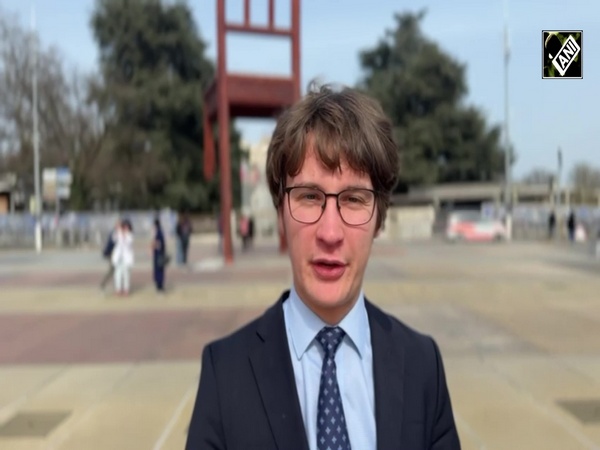
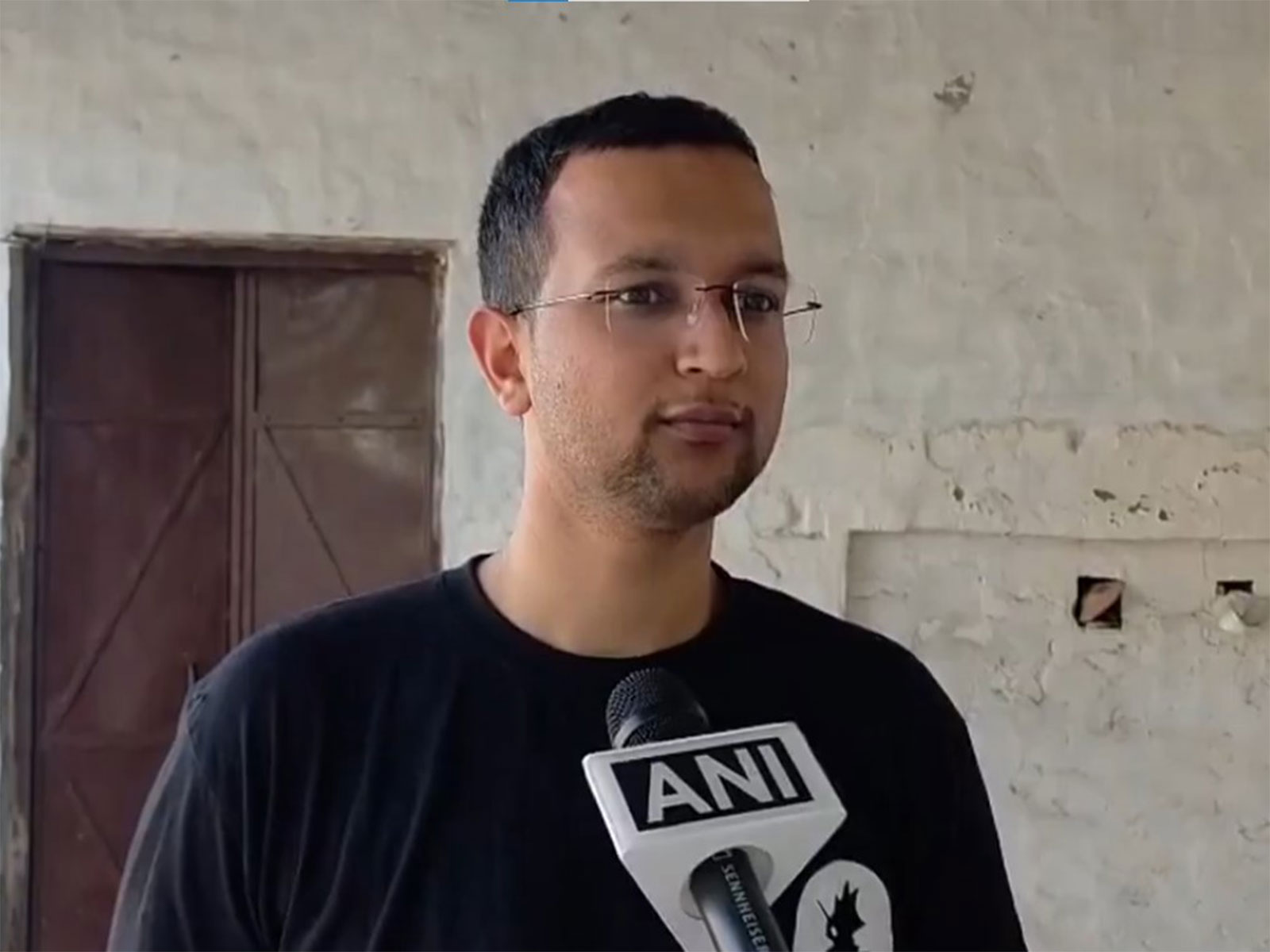
Bern [Switzerland], January 2 : Political repression, denial of democratic rights and deepening economic deprivation continue to define life in Pakistan-occupied Jammu and Kashmir (PoJK), according to the Chairman of the United Kashmir People's National Party (UKPNP), Sardar Shaukat Ali Kashmiri, who has strongly criticised Pakistan's governance model in the region.
In an exclusive interview with ANI, he stated that despite being projected as a self-governing territory, PoJK remains under the firm control of Pakistan's security establishment, leaving its elected institutions largely powerless. He stated that real authority rests not with local representatives but with unelected actors who dictate political outcomes and restrict civic freedoms.
He stated that political parties in the region operate under severe constraints, while dissenting voices are systematically silenced. According to him, many activists and political workers have been placed on travel control lists, preventing them from moving freely within the region or travelling abroad. He added that hundreds of residents, particularly those working in Gulf countries, have reportedly faced travel bans or visa cancellations for expressing critical views online.
Highlighting the situation in PoJK and Pakistan-occupied Gilgit-Baltistan (PoGB), he said both regions are treated as strategic zones rather than democratic entities. "The people are denied ownership of their own resources. Hydropower, land and mineral wealth are exploited, but the local population remains deprived of basic facilities like electricity, water and employment," he stated.
He also criticised the political setup installed by Pakistan, describing it as an extension of Pakistan's ruling elite rather than a reflection of popular will. He said the current leadership lacks credibility among the masses and functions primarily to safeguard the interests of the centre.
Despite widespread anger and frustration, he noted that the people of PoJK continue to rely on peaceful means of protest. "They have consistently rejected violence and extremism," he stated, adding that public resistance has largely taken the form of demonstrations, advocacy and appeals to the international community.
He further emphasised that the Kashmiri diaspora plays a key role in raising awareness globally, particularly when crackdowns intensify in the region. According to him, protests and advocacy campaigns abroad have become one of the few avenues available to highlight human rights concerns.