Pakistani forces impose strict lockdown in Balochistan's Noshki, seal routes and restrict civilian movement
Apr 13, 2026
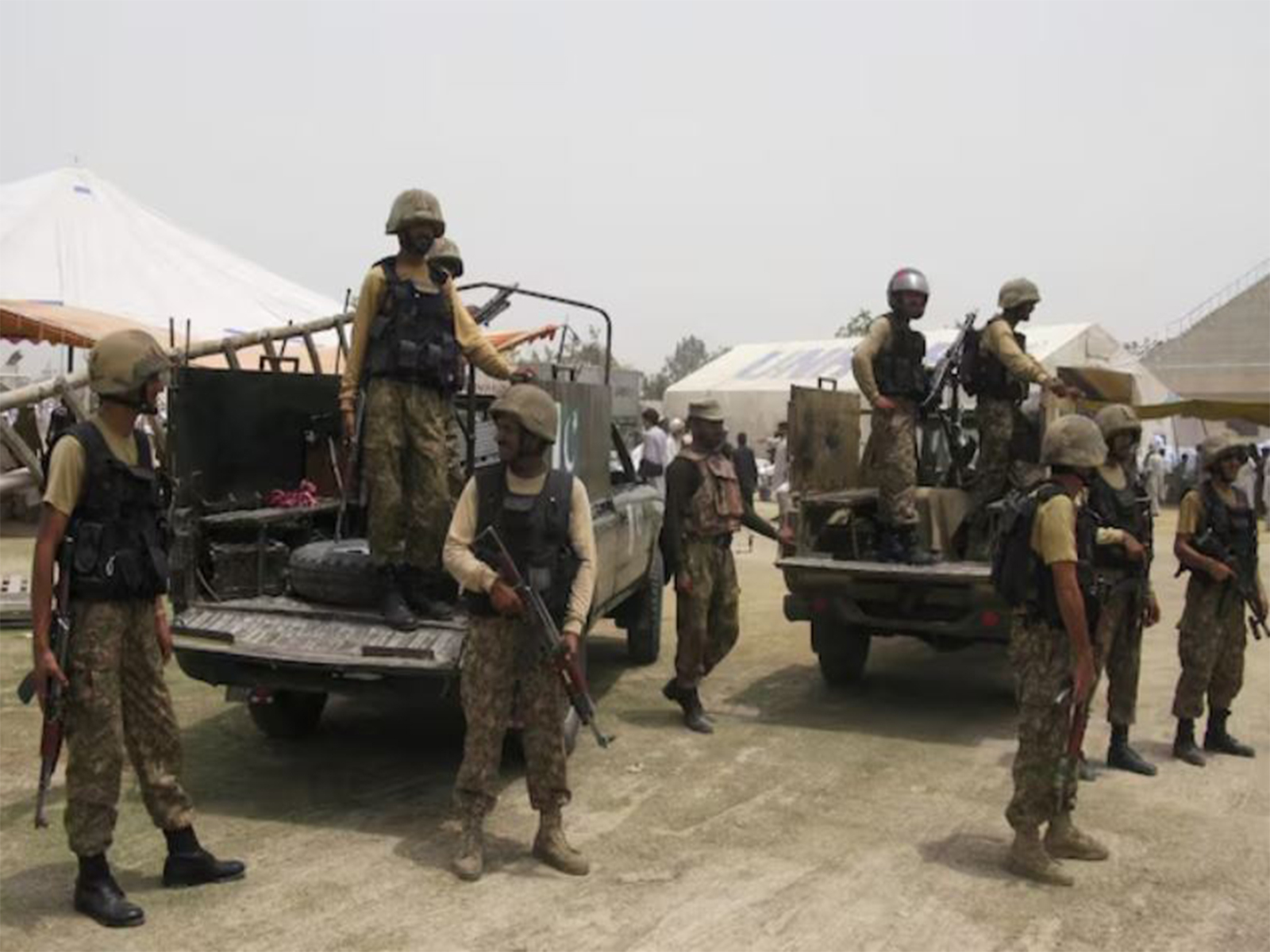
Balochistan [Pakistan], April 13 : Pakistani security forces have reportedly enforced stringent curbs on civilian movement in Balochistan's Noshki district, as per a report by The Balochistan Post (TBP).
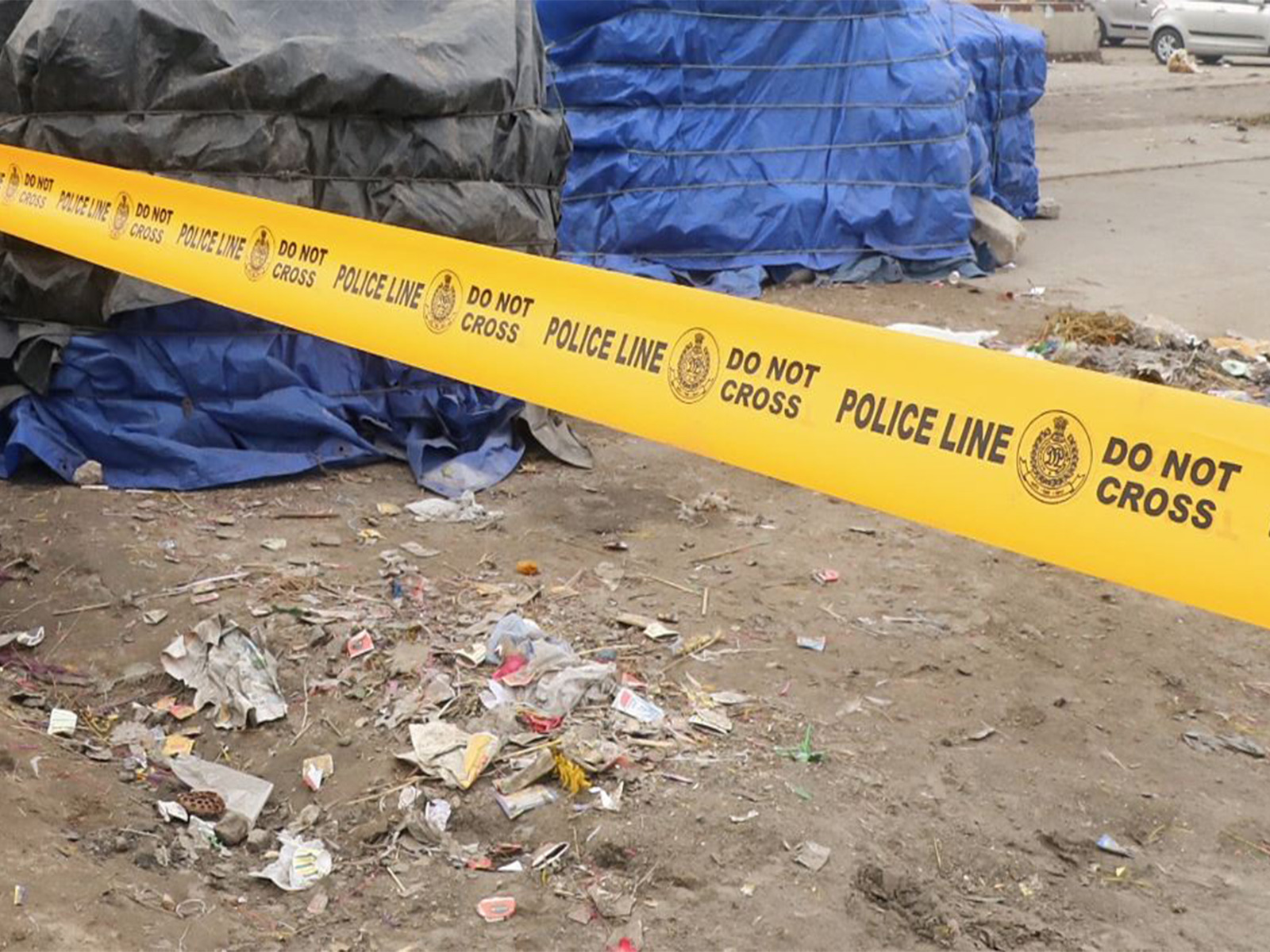
Reports indicate that the city has been placed under a security lockdown, with authorities restricting movement and shutting down local markets.
Entry and exit routes were allegedly sealed with heavy checkpoints on Sunday, preventing residents from travelling in or out. Locals claimed that a significant number of security personnel were deployed early in the morning at key locations such as Noshki Bazaar, Qaziabad, Grid Station, and Ghareebabad, where civilian movement was heavily restricted.
One resident stated that the strong presence of forces had effectively turned the city into a complete siege-like situation, according to the TBP report.
This development comes after an earlier operation in Killi Qadirabad a day prior, where Pakistani forces reportedly cordoned off the area for several hours. Residents reported hearing gunfire during the operation, although there has been no official confirmation.
According to reports, two individuals, Abid Mengal, son of Noor Mohammad Mengal, and Tahir Khan, son of Mohammad Rahim Jan Badini, were detained from Qadirabad and allegedly taken to an undisclosed location. Authorities have not issued any statement regarding the detentions or the wider operation.
For the past two months, Noshki has been under partial curfew restrictions. Under these measures, markets are required to shut in the evening and are allowed to reopen only after 9:00 am, while movement during nighttime remains restricted, the TBP report noted.
Enforced disappearances and extrajudicial killings in Balochistan continue to be a serious human rights concern. Families often spend years searching for missing relatives, while activists accuse security agencies of unlawful detentions and staged encounters.
Despite ongoing protests and reports by human rights organisations, accountability remains limited. These unresolved cases have continued to generate fear, resentment, and deep mistrust between the state and the Baloch population.