Pakistan's border politics helping Iran crush Baloch voices, BASC report reveals
Dec 05, 2025
London [UK] December 5 A new report by the Baloch Advocacy and Studies Center (BASC) analysing human rights violations in Iran's Balochistan region has exposed alarming levels of state-sanctioned violence against the Baloch minority, pointing to Pakistan's indirect complicity through its cross-border economic and security ties with Tehran. The report, "Analyzing Patterns of Human Rights Violations in Balochistan, Iran," documents extrajudicial killings, mass detentions, and systemic discrimination that have turned the province into one of the most militarised regions in the country.
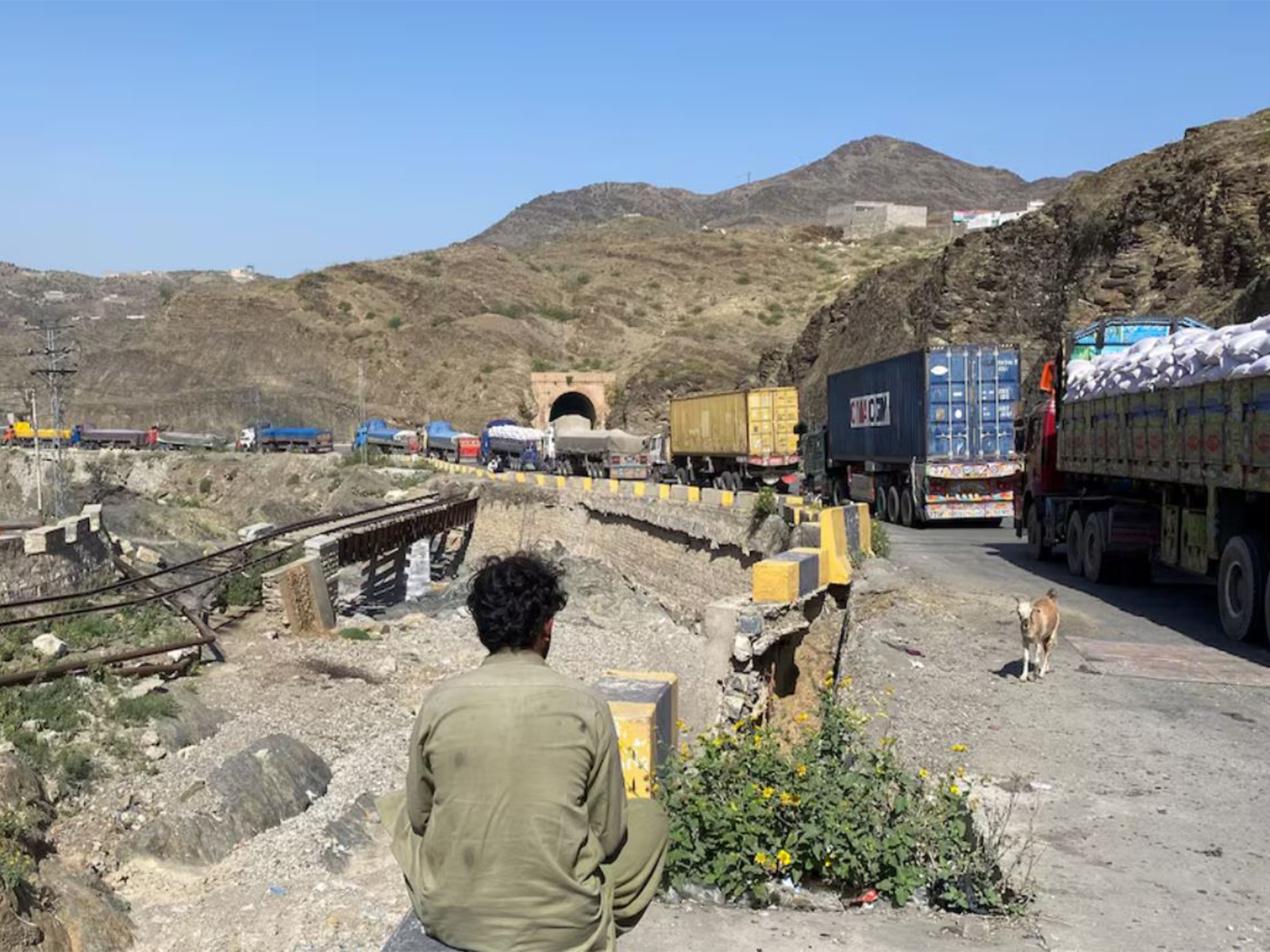
According to the findings, at least 84 fuel carriers and 87 others were injured in the first half of 2025, as Iranian forces routinely opened fire on impoverished Baloch workers transporting fuel across the border. May emerged as the deadliest month, with 25 deaths recorded. The report underlines that these "Soukhtbar" traders, mostly young men forced into dangerous smuggling by chronic unemployment, remain victims of both Iranian repression and Pakistan's border control policies, which block safer trade alternatives.
Executions also surged dramatically, with 97 Baloch men executed between January and June, including 43 in April alone, highlighting Iran's weaponisation of the death penalty against ethnic minorities. Military raids and arbitrary detentions followed the same pattern: 37 killed, 66 injured, and 487 detained over six months, revealing a calculated campaign of intimidation.
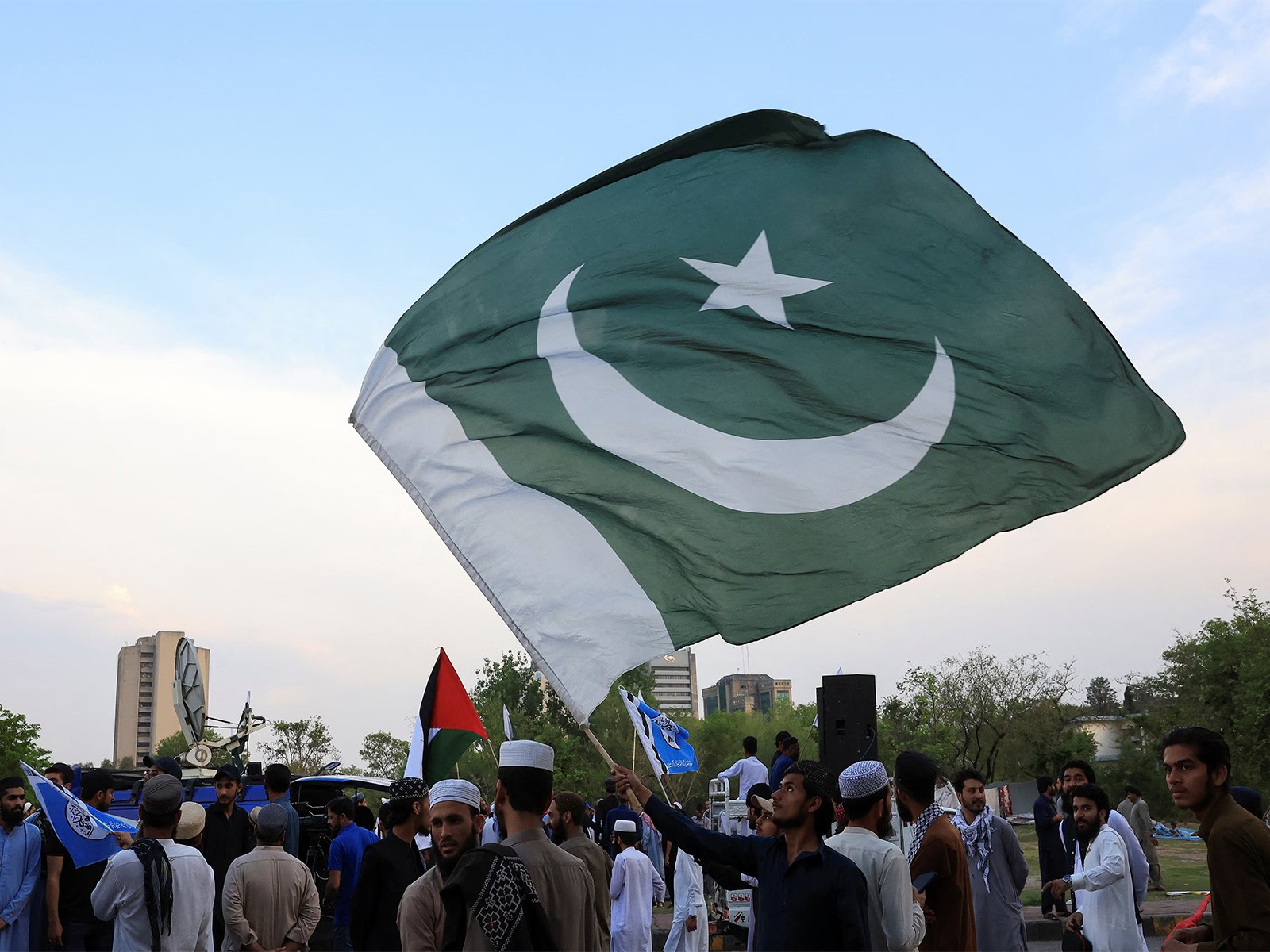
The BASC report highlights that Pakistan's cooperation with Iran on "border security" effectively aids the suppression of Baloch voices on both sides of the frontier. Human rights defenders argue that Pakistan's silence over Iran's abuses reflects its own record in Balochistan, where enforced disappearances and extrajudicial killings are routine.
In total, 100 civilians were killed, and 58 were injured in attacks and abduction attempts across the province, with May again marking a deadly peak. The report concludes that the repression stems from decades of economic neglect, systemic racism, and the use of Balochistan as a geopolitical buffer zone between Iran and Pakistan. It calls for urgent international monitoring, accountability, and economic justice to end the region's cycle of poverty and persecution, a cycle both Iran and Pakistan continue to perpetuate through their shared policies of fear and control.