Pakistan's women's rights laws exposed as 'paper promises' at Karachi conference
Jan 14, 2026
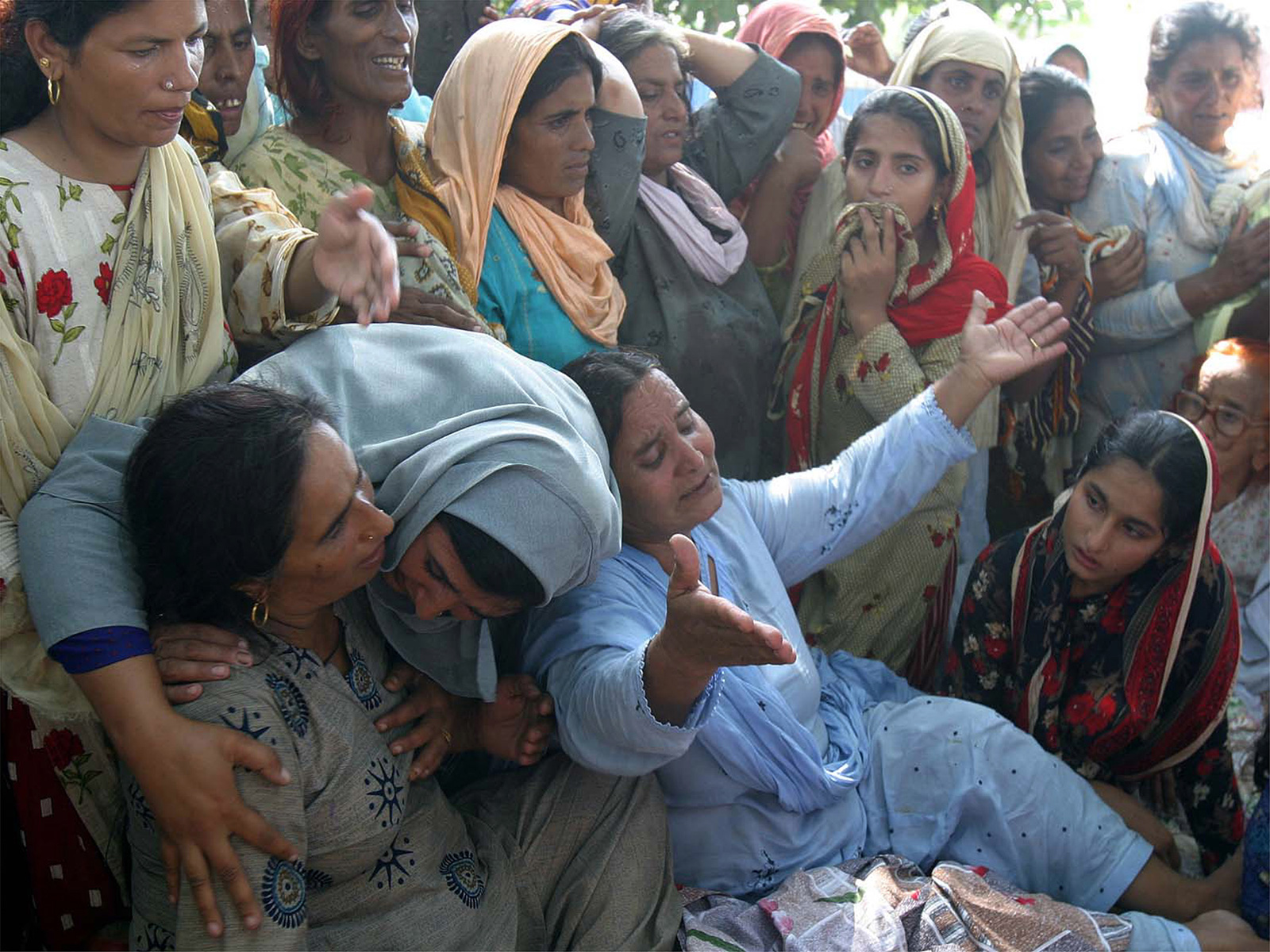
Karachi [Pakistan], January 14 : A roundtable discussion held in Karachi has laid bare the stark disconnect between Pakistan's women-centric legislation and the lived realities of women across the country, with experts warning that laws passed in Islamabad and provincial assemblies have largely remained symbolic. Speakers stressed that despite an expanding legal framework, women continue to face persistent violence, discrimination, and institutional neglect, as reported by The Express Tribune.
According to The Express Tribune, organised by the Pakistan Women Foundation for Peace (PWFP), the session gathered lawyers, academics, healthcare professionals, journalists, civil society organisers and social advocates at a local club. PWFP Chairperson Nargis Rehman said that although numerous protective laws have been enacted since the 2006 Women Protection Act, their impact has been blunted by poor enforcement, lack of political ownership and weak administrative machinery. She emphasised that women remain disadvantaged in education, health access, political participation, and workplace inclusion due to deep-seated patriarchal attitudes that still shape state institutions.
Rehman highlighted another long-standing problem- Pakistan's failure to gather credible nationwide data on women's labour force participation. She said that without dependable statistics on employment, wages or workplace safety, policymaking remains superficial. Citing concerns, she noted an alarming rise in violence against women over the past two years, as cited by The Express Tribune.
She further noted that feudal and patriarchal structures tightened their hold subsequently in Pakistan, influencing both society and lawmaking. Legislation such as the Hudood ordinances, she argued, damaged women's rights for decades. A private TV channel CEO added that media outlets also face barriers when covering women's issues. He said entertainment-driven viewership trends and pressure from religious groups limit the space for meaningful reporting on women's freedoms, as reported by The Express Tribune.