Parliament passes bill allowing 100 pc FDI in insurance sector
Dec 17, 2025
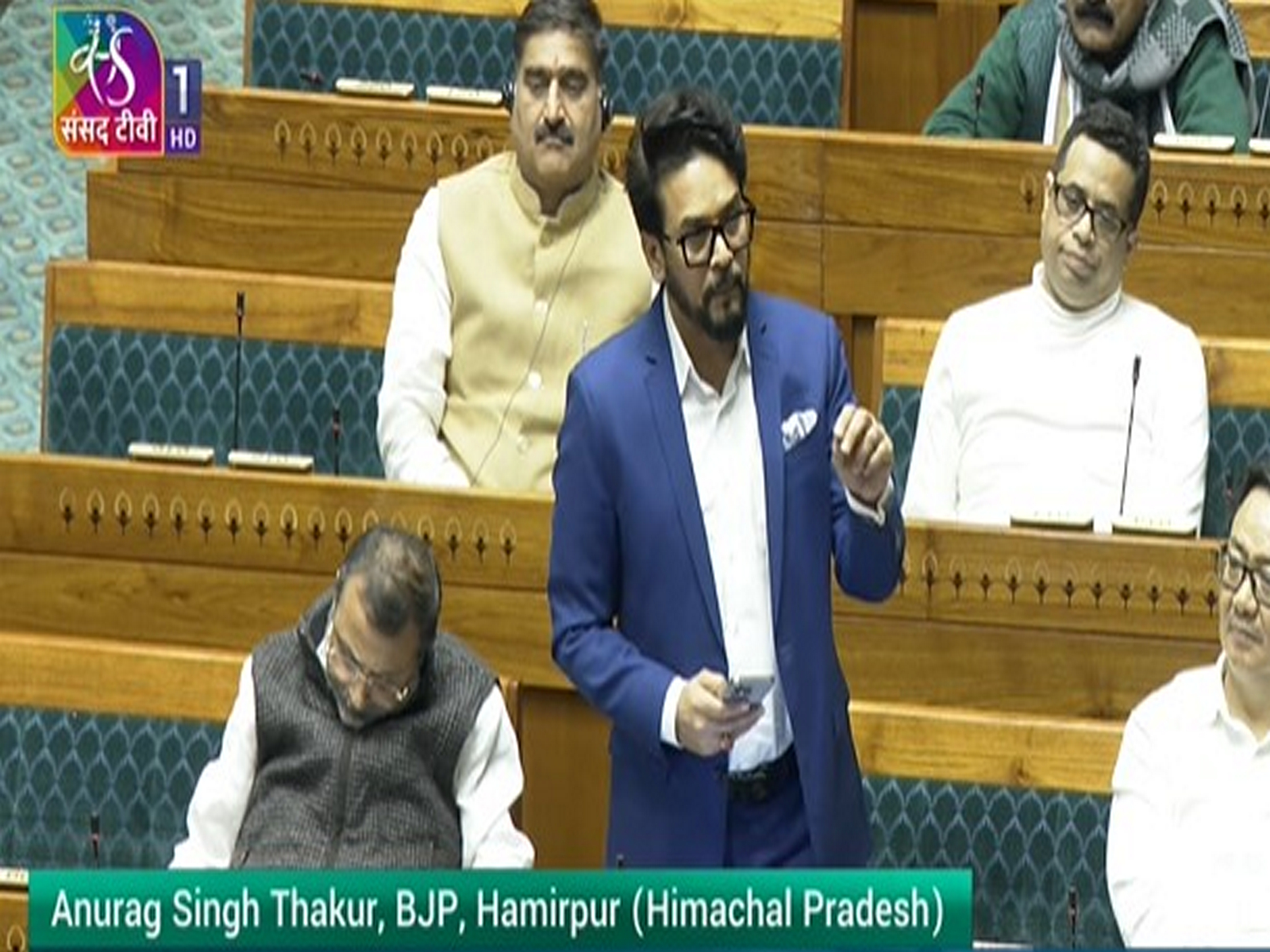
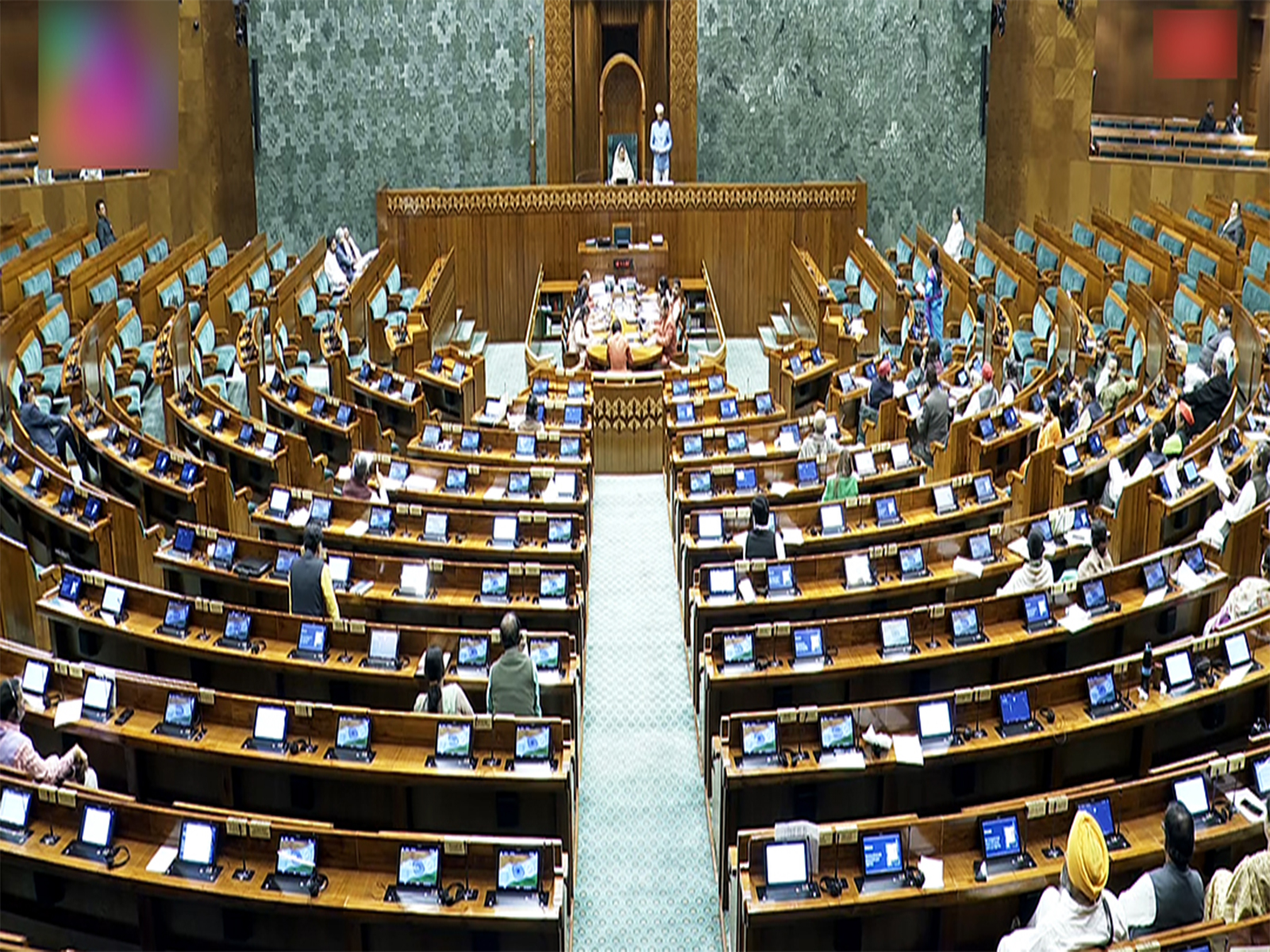
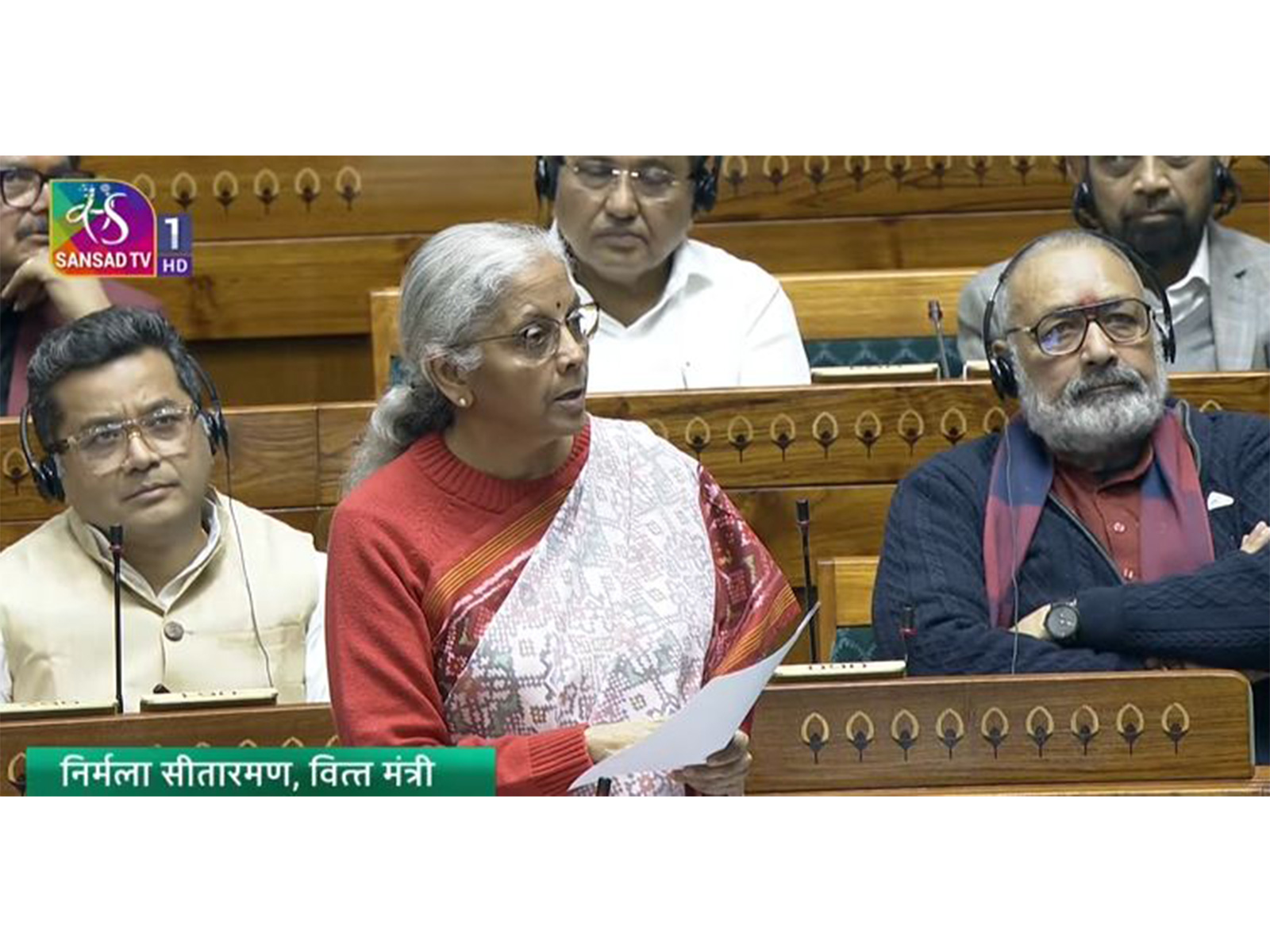
New Delhi [India], December 18 : Parliament on Wednesday passed the 'Sabka Bima Sabki Raksha (Amendment of Insurance Laws) Bill, 2025', with Finance Minister Nirmala Sitharaman assuring members that opening up the sector will attract new insurers, intermediaries and allied service providers, expanding the overall insurance ecosystem and creating net employment.
The Rajya Sabha passed the bill after a reply from the Finance Minister. The Lok Sabha passed it on Tuesday.
In her reply, Sitharaman said that IRDAI has prescribed that all insurance companies have to maintain a minimum solvency ratio of 1.5 which means the assets should by 1.5 times of the liabilities.
"Also, the companies have to make provisions for all 'Incurred but not reported' and 'Incurred but not enough reported' liabilities. The profits are calculated only after providing for these liabilities. These norms provide enough safeguards for protecting the interests of policyholders."
She said the government is empowering LIC.
"LIC continues to enjoy the trust of our citizens and perform well to the expectations. LIC's Total Asset Under Management (AUM) increased by 6.45% to Rs. 54.52 lakh crores in FY 2024-25. The Solvency margin of LIC improved to 2.11 from 1.98. LIC has also registered growth in Net Value of New Business (VNB), which stands at Rs. 10,011 crores, compared to Rs. 9,583 crores the previous year," she said.
"A concern was raised that Insurance Amendments will adversely affect employment. Opening up the sector will attract new insurers, intermediaries, and allied service providers, expanding the overall insurance ecosystem and creating net employment," she added.
The Minister said as the market deepens, agents, brokers, and intermediaries will benefit from a larger market, more products, and wider customer outreach.
She sought to allay the apprehension of opposition members that the government is rushing through the Bill.
"We are not rushing through this Bill. As early as November 26, 2024, the Government wrote to all States and Union Territories with a clear invitation to provide comments and suggestions. This was a structured and documented inter-governmental consultation, not an afterthought. Further, inputs were sought from insurers, regulators, industry bodies, and the general public through the Department's official website, and over 13,000 responses were received," she said.
The Minister said that the amendments are expected to further strengthen job creation, skill development and formal employment.
The minister said that the Government has established a National Health Exchange to facilitate exchange of health claim information between the hospitals and the insurance companies. This will help in a faster and seamless settlement of health insurance claims and will benefit the hospitals as well as the policyholders.
"Our Government is deeply committed to expansion of affordable Insurance in rural areas for common man. In this regard, several flagship insurance schemes have been launched since 2014, including PM Jeevan Jyoti Yojana, PM Suraksha Bima Yojana, PM Jan Arogya Yojana, and PM Krishi Bima Yojana. Together, the Jan Suraksha schemes have provided a safety net with total enrolments being over 81 crore and settled claims to the beneficiaries to the tune of Rs 23,440 crore," she said.
Sitharaman said that since assuming office in 2014, the Modi government has introduced significant reforms in the insurance sector, recognizing that "true national development requires broader coverage for our people, businesses, and agriculture".
She said the PM Fasal Bima Yojana is being implemented by 13 private insurers and five public sector companies.
The minister said more than 15 private insurers are participating in PMJJBY and PMSBY. Private sector insurers have cumulatively enrolled more than 20 crore persons under these two schemes.
The bill increases the Foreign Direct Investment (FDI) limit in Insurance companies to 100 per cent, up from the earlier 74 per cent cap. The bill also reduced the net-owned fund requirements for companies outside India that are in re-insurance business, from Rs 5,000 to Rs 1,000 crore.
The bill has also expanded the definition of intermediaries to include managing general agents and insurance repositories.
It amends key legislations, including the Insurance Act, 1938, the Life Insurance Corporation Act, 1956, and the Insurance Regulatory and Development Authority of India (IRDAI) Act, 1999.
Replying to the debate on the Bill in the Lok Sabha, Sitharaman had said the government wants the regulators to be more robust.
She said the proposed amendments are aligned with the government's long-term vision of achieving 'Insurance for All by 2047' and improving ease of doing business in the sector.
The Finance Minister said that under the new arrangement, all the insurance companies and the intermediaries need to put the word "insurance" in their name for a better clarity of the customers.
"We are introducing suspension of intermediary license instead of direct cancellation because that will provide time for compliance and allow the intermediary an opportunity to strategise, streamline operations, bring in greater transparency."
Opposition MPs in Rajya Sabha opposed the Bill. CPI MP Sandosh Kumar P alleged that the government was finishing Public Sector Undertakings.
Trinamool Congress MP Saket Gokhale alleged that the bill focuses not on policyholders' interests but on company shareholders.
He said the bill "weakens accountability and leaves policyholders exposed."
"How is insurance different from other investment schemes? It is not just an investment scheme for getting returns. Insurance must primarily be seen as a social security scheme where the companies carry a fiduciary responsibility towards the policyholders and not the shareholders. Sadly, this bill does not see it this way; this bill only strengthens capital while it weakens accountability leaving policy holders exposed," he said.