"Part of political vendetta," says K Kavitha after being discharged in Delhi excise policy case
Feb 27, 2026
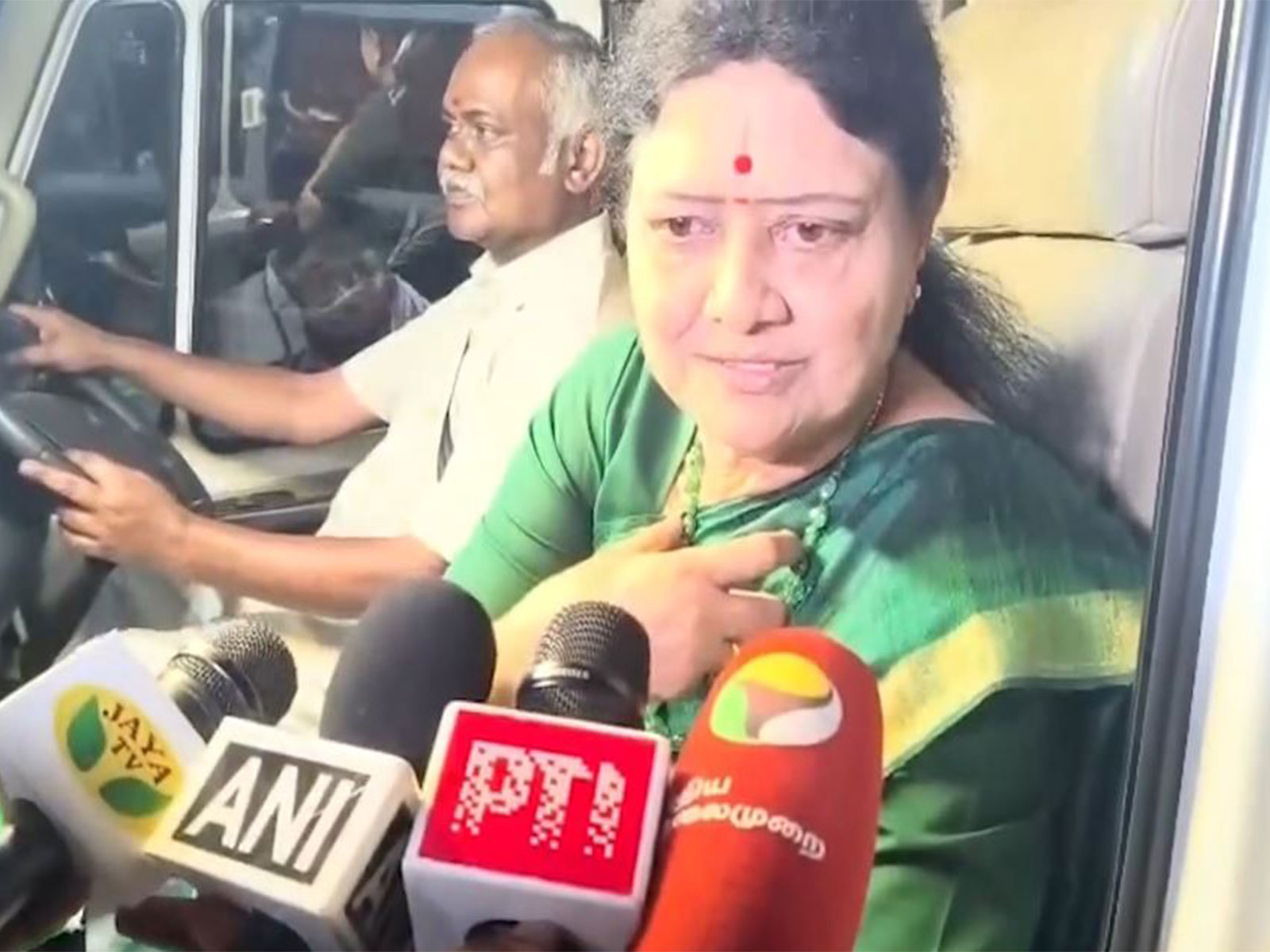
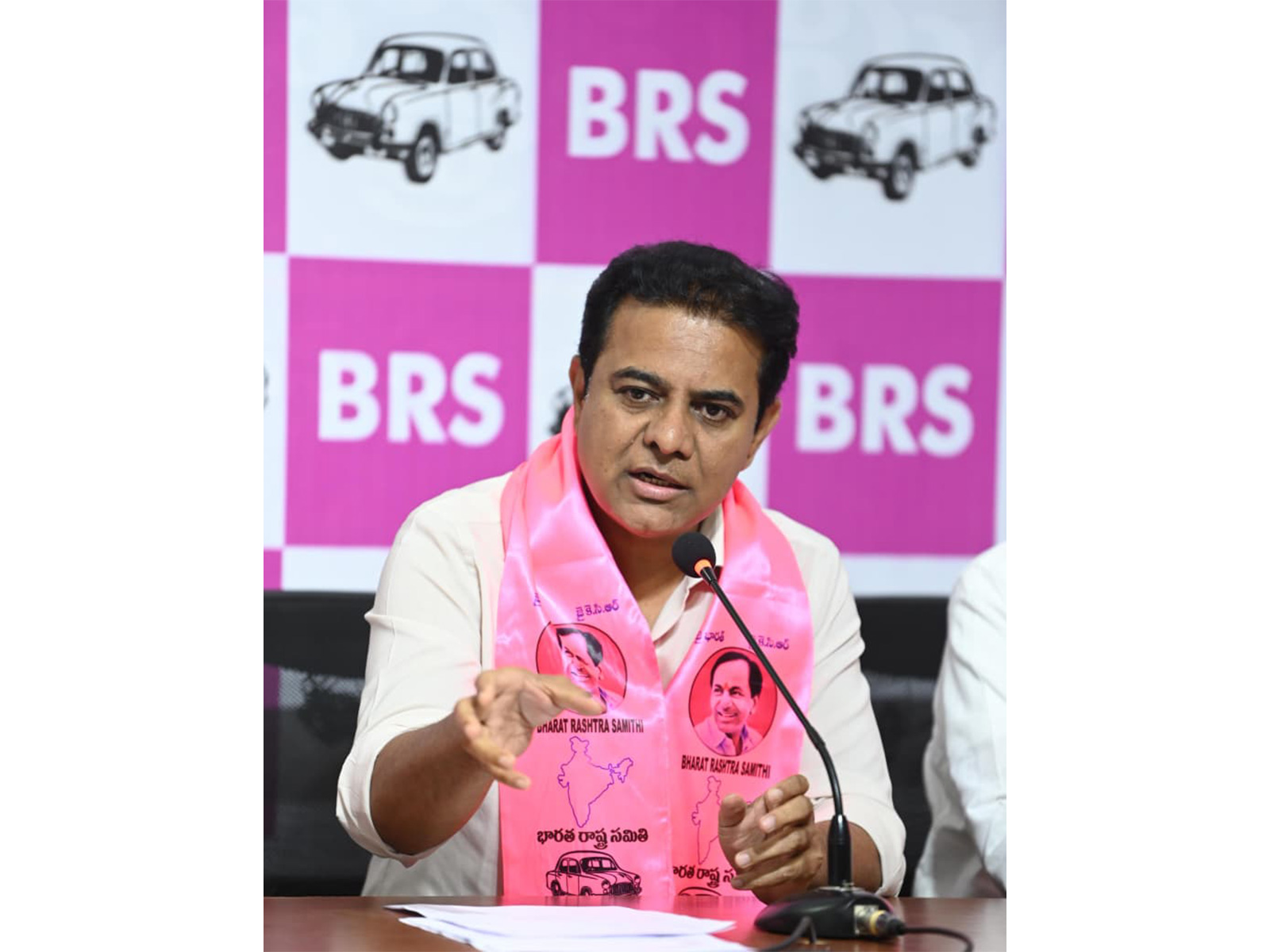
Hyderabad (Telangana) [India], February 27 : Telangana Jagruthi President K Kavitha, who was discharged from the Delhi Excise Policy case on Friday, thanked the judiciary, calling the matter as politically motivated and its main purpose was "political vendetta."
Speaking to reporters, Kavitha emphasised that the judiciary has cut through all the lies within the case, expressing gratitude towards people who stood beside her.
"I have 100 times said that we have nothing to do with this case. This is a politically motivated case. As a part of political vendetta, this case has been put on the Opposition parties and I am thankful to the judiciary that they have upheld our faith in the judiciary of this country. Today, judiciary has cut through this entire web of lies...I am very thankful to everybody who stood by me in that difficult situation," said K Kavitha.
She further stressed that truth and triumph cannot be hidden, while also stating that her father and the BRS party have always said that the vendetta against the party and her K Chandrasekhar Rao has reflected on her.
"Truth has triumphed. Truth can be hidden, but it can never be defeated...Not only me, KCR garu himself has time and again said that this is a vendetta on BRS and KCR garu that has been reflected on Kavitha. I have said that this is a false case, a politically motivated case...Who will account for the time that I lost with my kids? Who will account for the time that I lost with my family?," said K Kavitha.
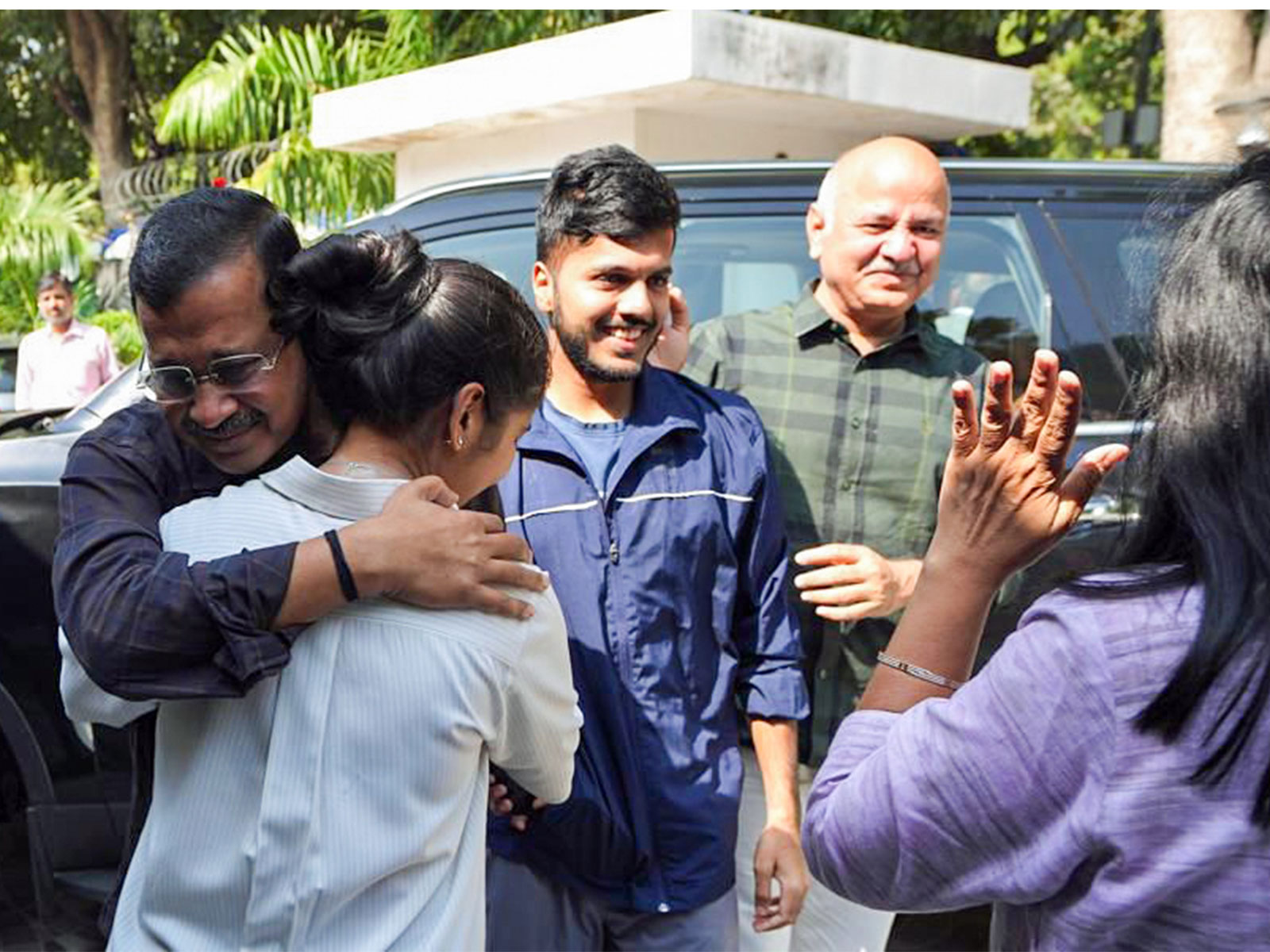
Kavitha's son, Devanapalli Anil Aaditya also expressed happiness over the decision adding that it was a politically motivated case, which has come to an end.
"Extremely happy. It was a very politically motivated case and it has finally come to an end. We have always known it and people of Telangana have always known it and now judicial courts have also demanded this. Satyameva Jayate," Anil Aditya told reporters.
K Kavitha's lawyer Nitesh Rana informed that ourt has discharged all the accused in the excise policy case, while realising that th CBI investigation into the matter wasn't proper. He also stated that the Court and the judge objected to the usage of the word "South Lobby" and once the predicate offence is dropped, the money laundering case cannot be further pursued.
"Court has discharged all the accused today on the ground that the CBI investigation was not good, that there was no material and evidence on which charges can be framed. I represented K Kavitha and Arun Pillai in this case, and both of them have been discharged...Court and the judge objected to the usage of the word "South Lobby"...Once the predicate offence is dropped, the money laundering case cannot be further pursued. Because the money laundering case was piggyriding on the scheduled offence. So, money laundering case is also dropped automatically," Rana said.
A special Court in the national capital on Friday discharged all 23 accused, including former Delhi Chief Minister Arvind Kejriwal and former Deputy Chief Minister Manish Sisodia, in the case registered by the Central Bureau of Investigation (CBI).
The order was pronounced by Special Judge (PC Act) Jitender Singh of the Rouse Avenue Court. The Court ruled that there was no overarching conspiracy or criminal intent in the formulation of the excise policy and held that the prosecution's case did not withstand judicial scrutiny.
According to the Court, the CBI attempted to construct a narrative of conspiracy, but its theory was based on mere conjecture rather than concrete evidence. The judge concluded that no prima facie case was made out against any of the 23 accused persons and ordered their discharge.
The Court also strongly criticised the investigative approach adopted by the agency, particularly its reliance on approver statements. It observed that granting a pardon to an accused, turning him into an approver, and then using his statements to fill gaps in the investigation or rope in additional accused was improper. The judge warned that permitting such conduct would amount to a grave violation of constitutional principles.