Pezeshkian, Putin discuss regional stability after US-Iran peace talks fail in Islamabad
Apr 12, 2026
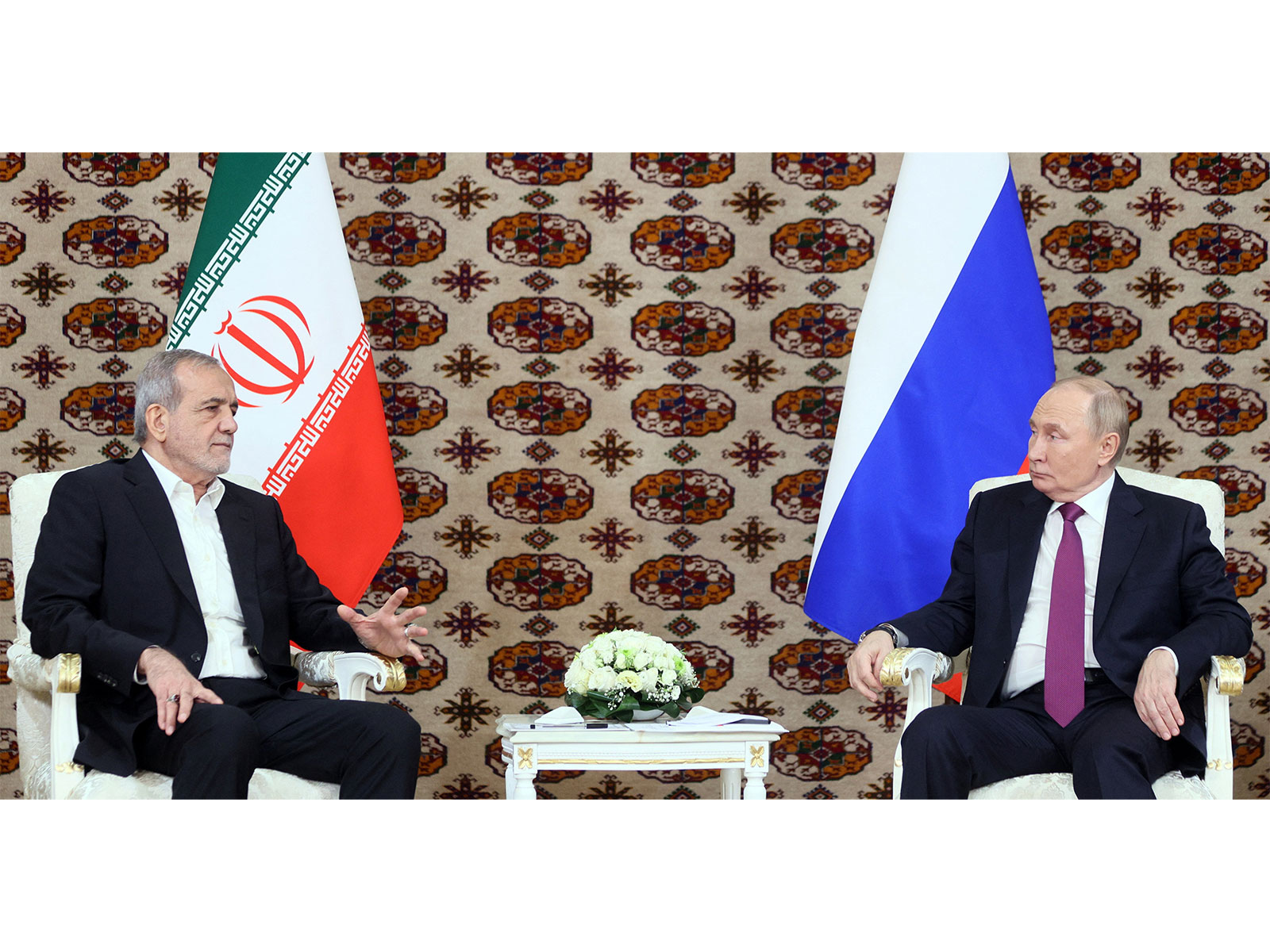
Tehran [Iran], April 12 : Iranian President Masoud Pezeshkian held a telephonic conversation with Russian President Vladimir Putin on Sunday, following the breakdown of diplomatic negotiations with the United States in Islamabad.
According to a statement shared on X by the Iranian President's office, the discussion took place shortly after the high-stakes talks in Pakistan failed to produce a breakthrough.
During the call, the two leaders "reviewed the latest regional & international developments," including the current status of the ceasefire in the region.
The Kremlin released a readout of the telephonic conversation on Sunday, highlighting Russia's ongoing commitment to a diplomatic resolution in the region.
According to the official statement, "Vladimir Putin emphasised his readiness to further facilitate the search for a political and diplomatic settlement to the conflict, and to mediate efforts to achieve a just and lasting peace in the Middle East."
The outreach to Moscow follows a grueling marathon session in Islamabad, where negotiations between the United States and Iran lasted approximately 21 hours before ending in a stalemate.
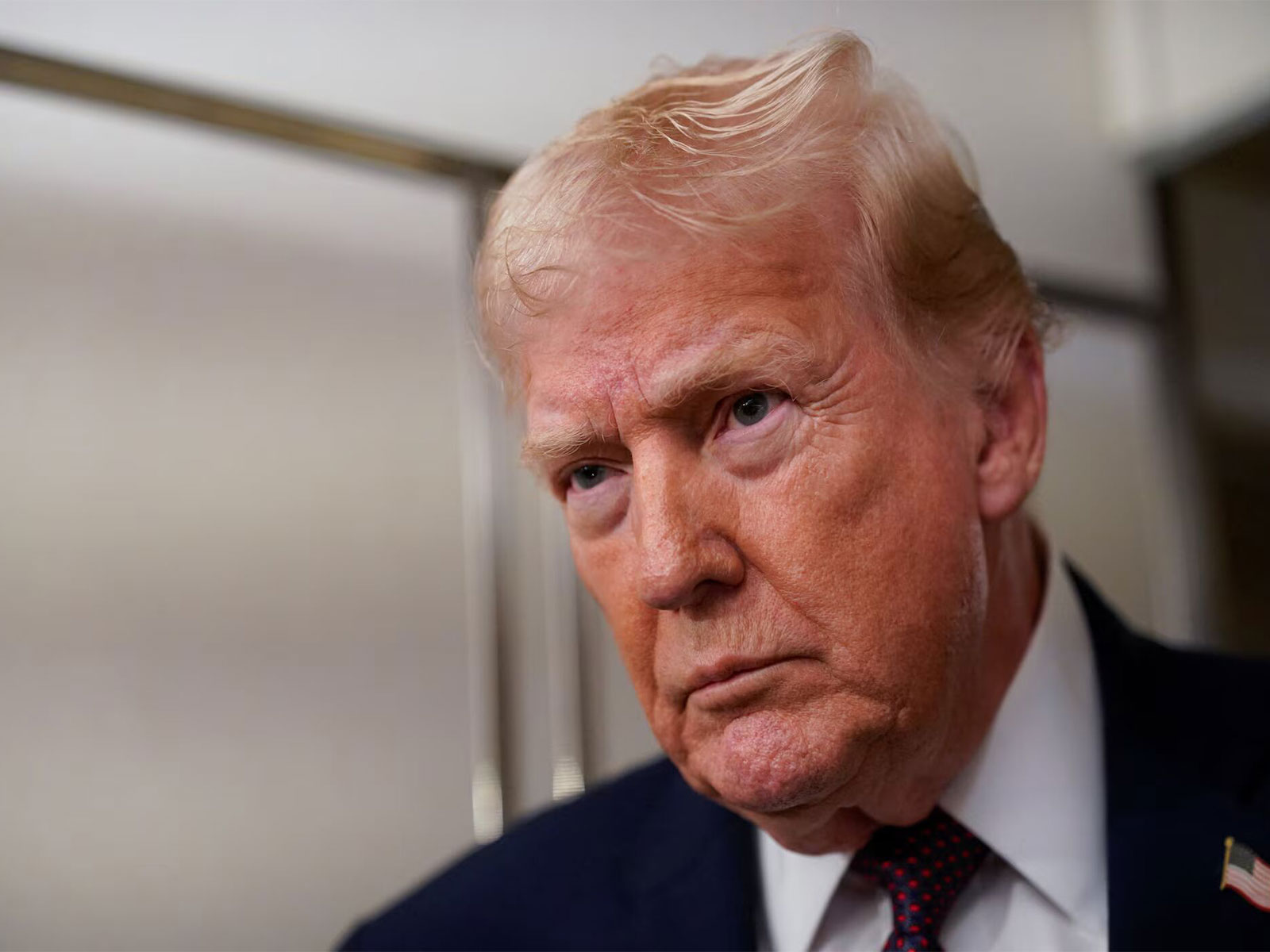
The lack of a breakthrough has pushed peace efforts significantly back in this first round of talks, prompting US Vice-President JD Vance to depart for the United States in the early hours of Sunday.
Addressing reporters before his departure, Vance confirmed that no agreement had been reached, describing the outcome as a significant setback for Tehran.
"We've had a number of substance agreements with the Iranians--that is the good news. The bad news is that we have not reached an agreement. That is bad news for Iran, much more than it is bad news for the United States of America," he stated.
Underlining Washington's position, Vance noted that while the US had demonstrated flexibility on certain issues, it remained firm on its "red lines," particularly regarding Tehran's nuclear ambitions.
"We go back to the United States having not come to an agreement," Vance said, adding that Washington had sought an affirmative commitment from Iran not to seek nuclear weapons.
"We just could not get to a situation where the Iranians were willing to accept our terms," he remarked.
As he concluded his visit, the Vice-President issued what he described as a "final and best offer," leaving the next move to the Iranian leadership.
"We leave here with a very simple proposal--a method of understanding that is our final and best offer. We'll see if the Iranians accept it," he added.
However, the perspective from Tehran suggested a deep-seated divide over the scope of the negotiations.
Iranian state broadcaster Press TV reported that the dialogue ended without a framework due to what it termed "excessive demands" by the US.
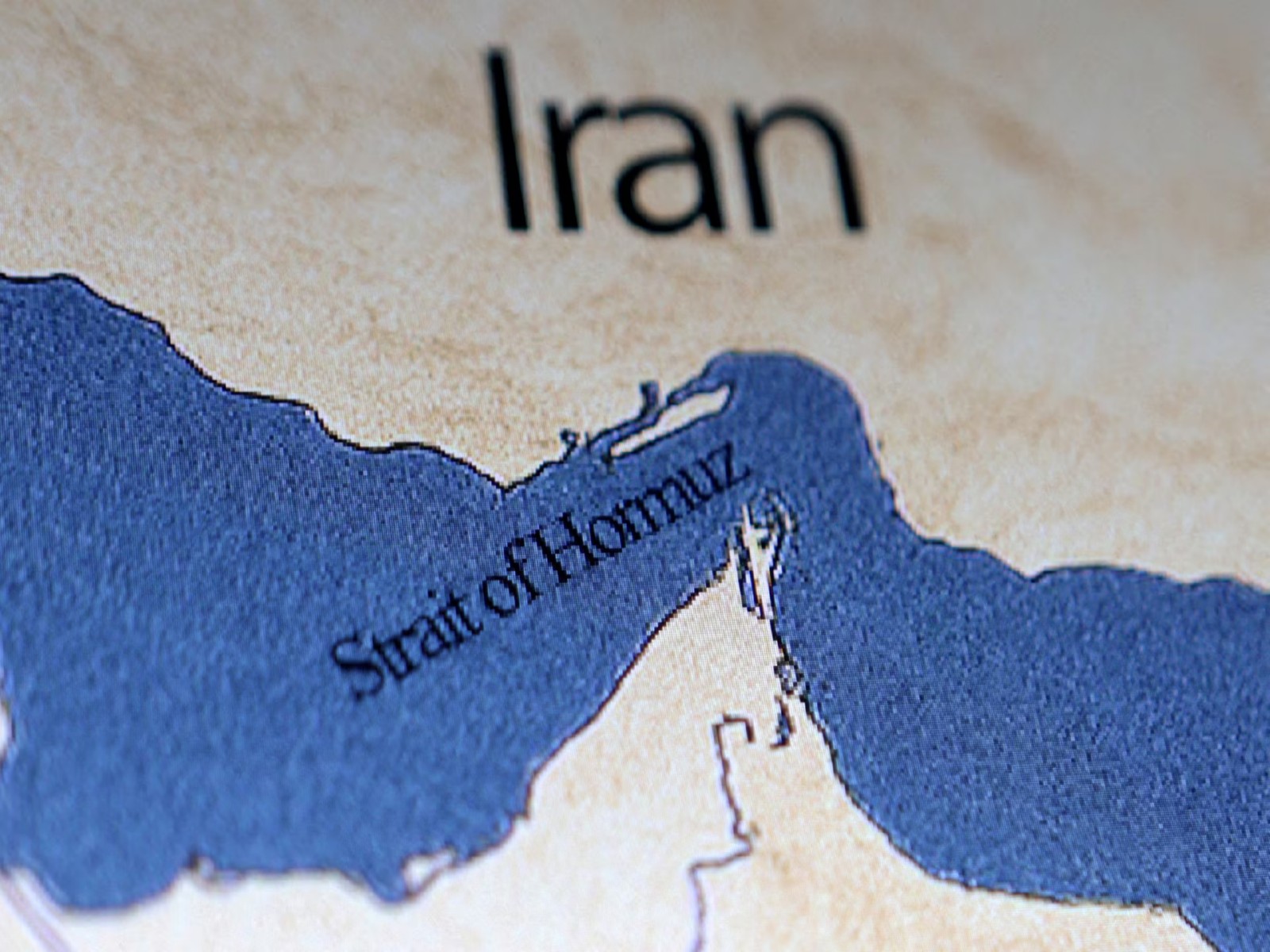
According to the report, the primary points of contention remained centered on Iran's nuclear rights and control over the strategic Strait of Hormuz, leaving the regional security situation in a state of heightened uncertainty.